
 Save
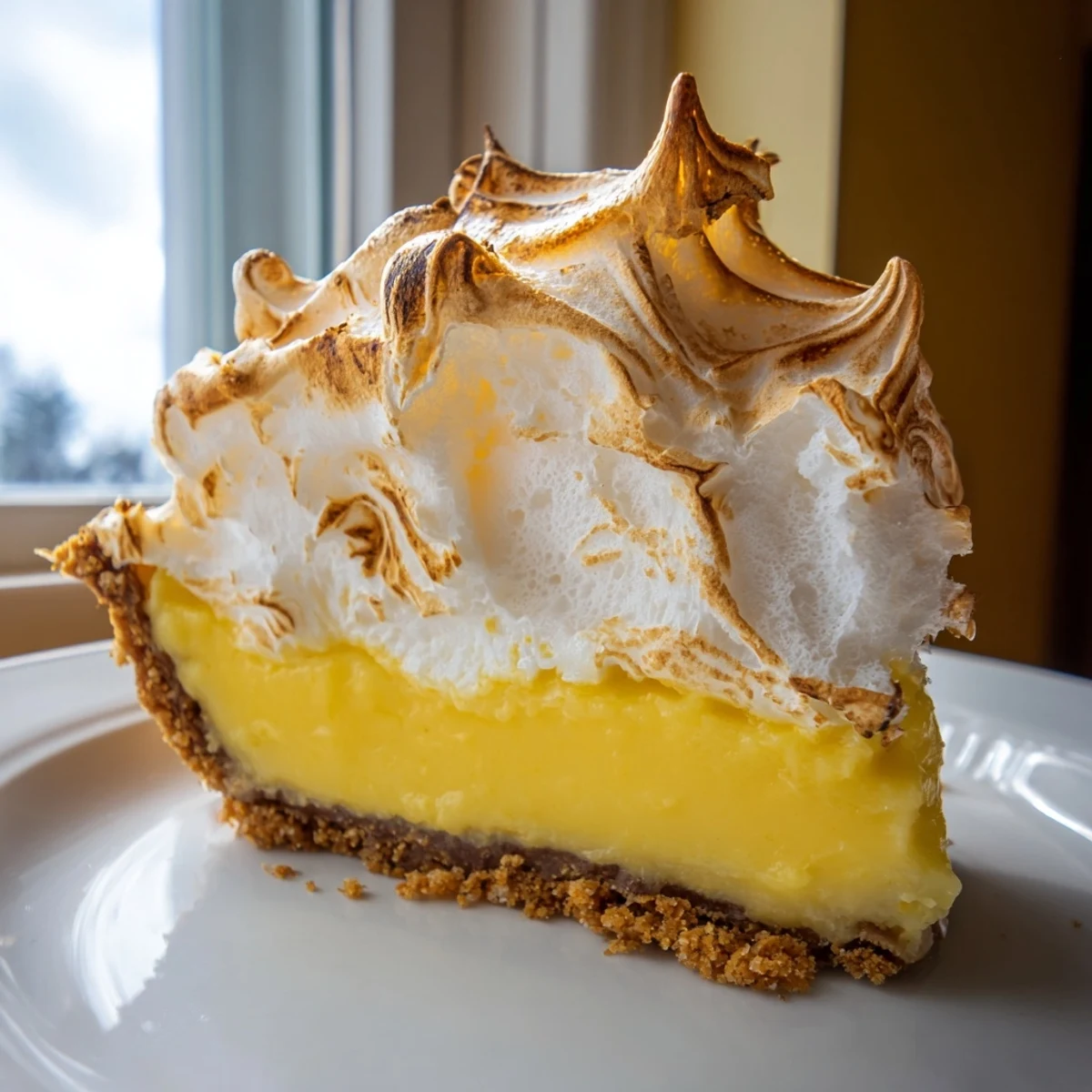
Save This classic American lemon pie features a buttery graham cracker crust filled with a rich, tangy lemon curd made from fresh lemon juice, zest, and egg yolks.
The filling cooks on the stovetop until thick and silky, then gets poured into the baked crust. An optional meringue topping, whipped to stiff glossy peaks and toasted golden brown, crowns the pie beautifully.
Plan ahead for at least 2 hours of chilling time before serving. This dessert serves 8 and pairs wonderfully with tea or a glass of Moscato.
The screen door slammed shut behind me as I carried a bag of lemons picked from my neighbors tree, the citrus smell still clinging to my fingers hours later. That afternoon I stood at the counter squeezing fruit after fruit, distracted by a podcast, and ended up with twice the juice I needed. Rather than waste it, I made two pies and left one on my neighbors porch with a note that simply said thanks for the tree.
My sister walked in once while I was whisking the filling and declared it smelled like a lemon drop candy shop, then stood over the saucepan waiting for the first spoonful to cool enough to taste.
Ingredients
- Graham cracker crumbs (1 1/4 cups, 160 g): The slightly spiced sweetness of graham crackers makes a crust that holds together without fighting your fork.
- Granulated sugar (1/4 cup, 50 g, for crust): A modest amount here because the filling brings plenty of sweetness on its own.
- Unsalted butter, melted (1/3 cup, 75 g, for crust): Melted, not softened, so it coats every crumb evenly and bakes into something that actually holds together.
- Granulated sugar (1 cup, 200 g, for filling): This balances the sharpness of fresh lemon juice without muting it.
- Cornstarch (2 tablespoons, 16 g): The thickening agent that turns a thin liquid into a glossy, sliceable filling.
- Salt (1/4 teaspoon): Just enough to make the lemon flavor pop rather than taste flat.
- Lemon zest (1 1/2 tablespoons, from about 2 lemons): Zest carries the essential oils and gives the filling an intensity that juice alone cannot reach.
- Freshly squeezed lemon juice (1/2 cup, 120 ml, from about 2 to 3 lemons): Bottled juice tastes dull and metallic next to the real thing, so squeeze it fresh.
- Large egg yolks (4): Yolks give the filling richness and a pale yellow color that looks like sunshine on a plate.
- Water (1 1/4 cups, 300 ml): Dilutes the intensity just enough so the filling tastes bright instead of sour.
- Unsalted butter (3 tablespoons, 42 g, for filling): Stirred in at the end for a velvety finish that coats your tongue.
- Large egg whites (4, for optional meringue): Room temperature whites whip faster and hold their shape better than cold ones.
- Cream of tartar (1/4 teaspoon): Stabilizes the meringue so it does not weep or deflate as it sits.
- Granulated sugar (1/2 cup, 100 g, for meringue): Added gradually so the meringue turns glossy and stiff rather than grainy.
Instructions
- Build the crust:
- Heat your oven to 350 degrees F (175 degrees C), then toss the graham crumbs, sugar, and melted butter in a bowl until everything looks like damp sand. Press the mixture firmly into a 9 inch pie pan, working it up the sides, and bake for 8 minutes until fragrant and set.
- Start the filling:
- Whisk sugar, cornstarch, salt, and lemon zest together in a cold saucepan so nothing clumps. Pour in the lemon juice, egg yolks, and water gradually, whisking the whole time until the mixture looks smooth and uniform.
- Cook until thick:
- Set the saucepan over medium heat and whisk constantly for 6 to 8 minutes, feeling it transform from thin liquid to a thick, bubbling custard. Pull it off the heat and stir in the butter until it melts completely into the filling.
- Fill the crust:
- Pour the hot filling straight into the baked crust, scraping the saucepan clean with a spatula so nothing is wasted.
- Whip the meringue:
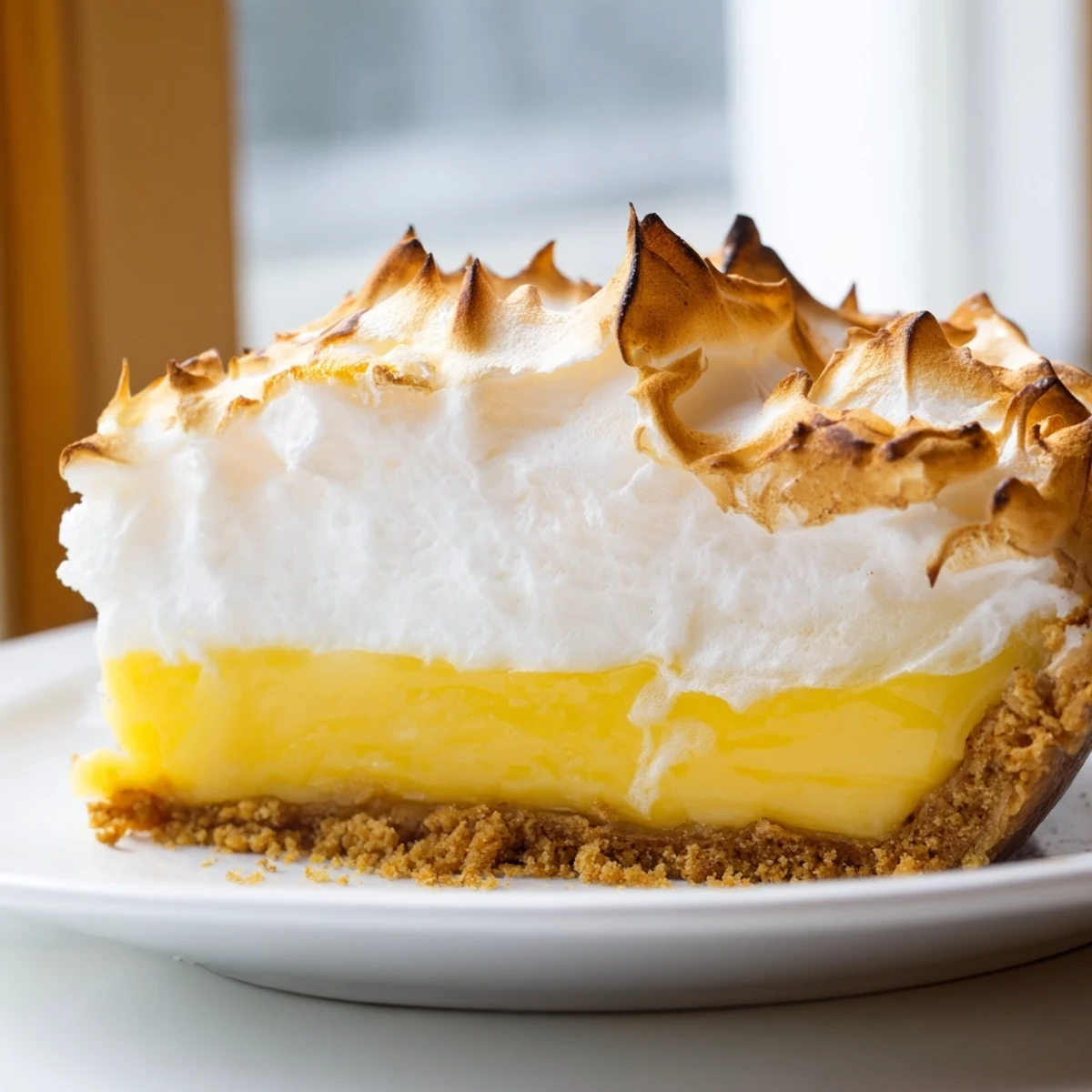
- In a spotlessly clean bowl, beat the egg whites and cream of tartar with an electric mixer until soft peaks curl when you lift the beaters. Sprinkle in the sugar a little at a time, beating until the meringue holds stiff, glossy peaks that shine under the light.
- Top and bake:
- Sweep the meringue over the hot filling, spreading it all the way to the crust edges so it seals completely. Bake for 12 to 15 minutes, watching through the oven door until the peaks turn a toasty golden brown.
- Cool and chill:
- Let the pie sit at room temperature until it reaches that stage where the pan no longer feels warm underneath, then refrigerate for at least 2 hours before slicing so the filling sets properly.
 Save
Save The first time I served this at a potluck, three people pulled me aside to ask for the recipe, and someone quietly took the last slice home in a napkin.
Swaps and Twists
If graham crackers are not your thing, a traditional butter pie dough works beautifully and adds a flakier texture against the smooth filling. I have also pressed crushed vanilla wafers into the pan with equal success when I ran out of graham crackers at the last minute.
Serving Ideas
A dollop of plain whipped cream on top of a chilled slice turns each bite into something even more indulgent, especially on a warm evening. Pouring a glass of Moscato alongside it feels like a small celebration, while a cup of Earl Grey tea makes a quieter afternoon feel special.
Kitchen Essentials and Final Thoughts
You really only need a 9 inch pie pan, a solid saucepan, a whisk, and mixing bowls to pull this off without frustration. An electric mixer saves your arm when making the meringue, but a whisk and determination will get you there too.
- Measure the cornstarch carefully because even a small extra amount makes the filling gummy.
- Roll the lemons firmly on the counter before juicing to release more liquid from each one.
- Taste your filling before pouring it into the crust so you can adjust the balance while it is still warm.
 Save
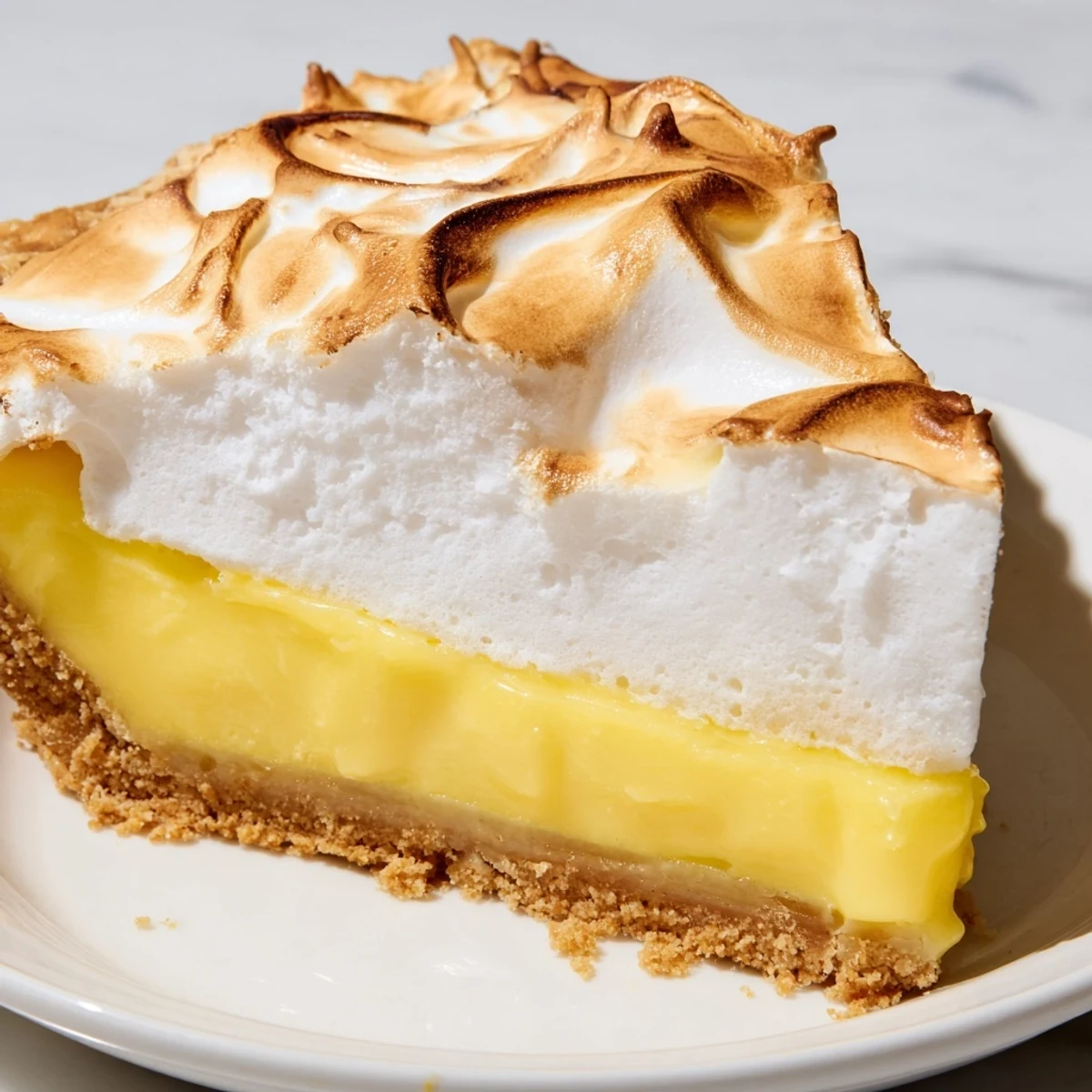
Save This pie tastes like optimism on a plate, and I hope it brings as much warmth to your kitchen as it has to mine.
Recipe Questions & Answers
- → Can I use bottled lemon juice instead of fresh?
-
Freshly squeezed lemon juice delivers the brightest, most vibrant flavor. Bottled juice works in a pinch but lacks the fresh citrus punch and aromatic quality that real lemons provide.
- → How do I know when the lemon filling is thick enough?
-
The filling is ready when it comes to a gentle boil and coats the back of a spoon. Whisking constantly for 6 to 8 minutes over medium heat should achieve a pudding-like consistency.
- → Can I skip the meringue topping?
-
Absolutely. The pie is delicious on its own or topped with whipped cream instead. The meringue is a classic touch but entirely optional depending on your preference.
- → Why did my meringue weep or shrink?
-
Spreading meringue over hot filling helps seal it to the crust and prevents weeping. Make sure egg whites are at room temperature and beat sugar in gradually for stable, glossy peaks.
- → How should I store leftover lemon pie?
-
Cover loosely with plastic wrap or a pie dome and refrigerate for up to 3 days. If topped with meringue, consume within 2 days for the best texture.
- → Can I make this pie gluten-free?
-
Yes, simply substitute gluten-free graham cracker crumbs for the crust. The filling is naturally gluten-free since it uses cornstarch as a thickener.