
 Save
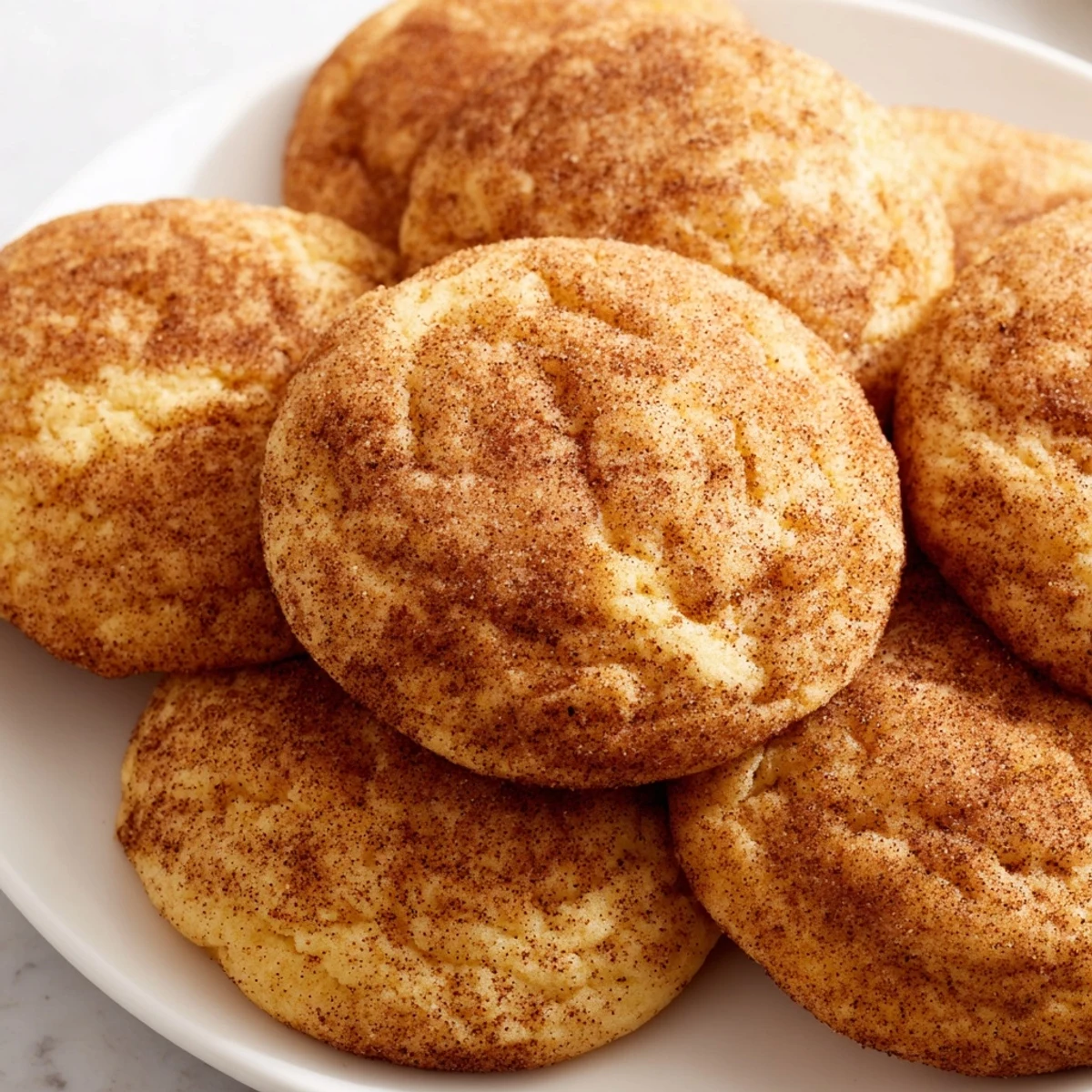
Save Create these beloved American treats with a perfectly soft, chewy interior and crispy cinnamon-sugar exterior. The dough comes together quickly with pantry staples, and the cream of tartar gives snickerdoodles their signature tangy flavor and tender texture. Roll each ball in cinnamon sugar before baking for that classic coating that creates a delicious crust.
The smell of cinnamon hitting a hot oven is one of those small things that can turn an ordinary Tuesday into something worth remembering. Snickerdoodles were the first cookie I ever baked without burning, mostly because the cinnamon sugar coating made it impossible to resist eating the dough raw before it even reached the pan. They are soft, pillowy little clouds with a crackled exterior that shatters just slightly when you bite in. If you have flour, butter, sugar, and cinnamon, you are already most of the way there.
I brought a batch of these to a neighborhood potluck last fall and watched a quiet ten year old eat four of them in a row without coming up for air. His mother shrugged and said at least he was not eating the store bought kind, and honestly that felt like the highest compliment.
Ingredients
- All purpose flour (2 3/4 cups, 345 g): This is the backbone of the dough and spooning it into the cup then leveling off gives you the most reliable results.
- Cream of tartar (2 teaspoons): This is the secret ingredient that makes a snickerdoodle a snickerdoodle, providing that signature tang and helping the cookies stay chewy.
- Baking soda (1 teaspoon): Works with the cream of tartar to give the cookies their classic lift and slightly domed shape.
- Salt (1/2 teaspoon): Do not skip this because it balances the sweetness and makes the cinnamon flavor pop.
- Unsalted butter, softened (1 cup, 225 g): Leave it out on the counter for about an hour so it creams smoothly without melting.
- Granulated sugar (1 1/2 cups, 300 g): White sugar keeps the texture light and lets the cinnamon coating take center stage.
- Large eggs (2): Room temperature eggs blend into the batter more evenly and help with the rise.
- Pure vanilla extract (1 teaspoon): A quiet background note that rounds everything out beautifully.
- Granulated sugar for coating (1/4 cup, 50 g): Combined with cinnamon for that irresistible sparkly crust.
- Ground cinnamon (1 1/2 tablespoons): Be generous here because this is what makes your whole kitchen smell incredible.
Instructions
- Get your oven ready:
- Preheat to 375 degrees F and line two baking sheets with parchment paper so nothing sticks and cleanup is effortless.
- Whisk the dry team:
- In a medium bowl, whisk together the flour, cream of tartar, baking soda, and salt until evenly distributed. Set it aside for a moment.
- Cream butter and sugar:
- In a large bowl, beat the softened butter and sugar together until the mixture looks pale, fluffy, and lighter than when you started. This takes about two minutes with an electric mixer.
- Add the wet ingredients:
- Beat in the eggs one at a time, letting each fully incorporate before adding the next, then pour in the vanilla and mix until fragrant.
- Bring it all together:
- Gradually add the flour mixture to the wet ingredients on low speed, blending just until the last streak of white disappears. Overmixing makes tough cookies.
- Make the cinnamon sugar coating:
- In a small shallow bowl, stir together the quarter cup of sugar and cinnamon until the color looks even throughout.
- Roll and coat:
- Scoop rounded tablespoonfuls of dough, roll them into balls between your palms, then roll each one generously through the cinnamon sugar until completely coated.
- Arrange on sheets:
- Place the coated dough balls about two inches apart on the parchment lined sheets so they have room to spread without merging into each other.
- Bake to perfection:
- Bake for 9 to 11 minutes until the edges are set and golden but the centers still look slightly underbaked and puffy. They will settle as they cool.
- Cool properly:
- Let them rest on the baking sheets for two minutes so the bottoms firm up, then transfer gently to a wire rack to cool completely.
 Save
Save 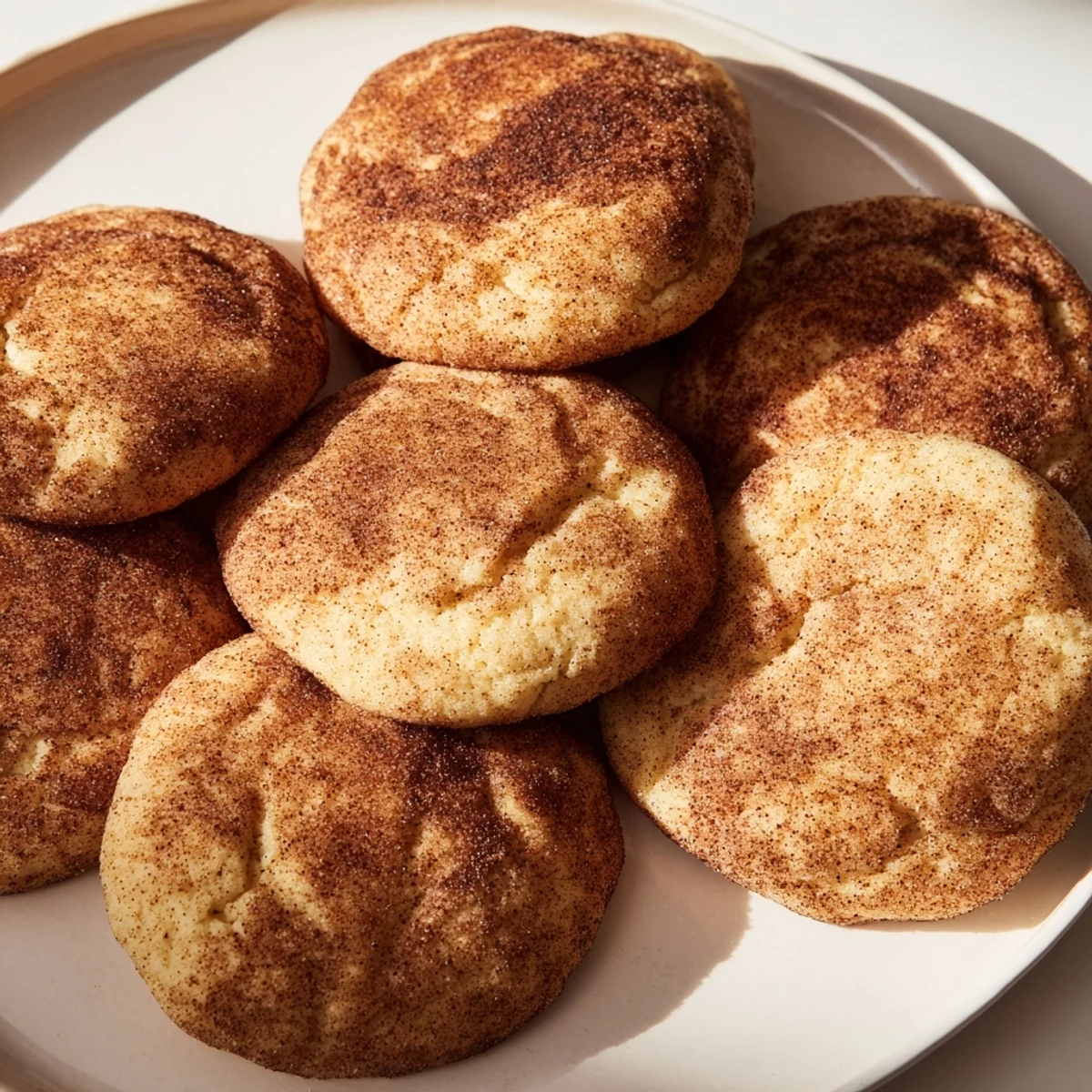 Save
Save The night I finally nailed the timing on these, my husband walked into the kitchen and stood over the cooling rack eating three of them while telling me he was just quality testing. Some moments in the kitchen are not about perfection but about the people who keep wandering back for one more.
Getting That Perfect Crackled Top
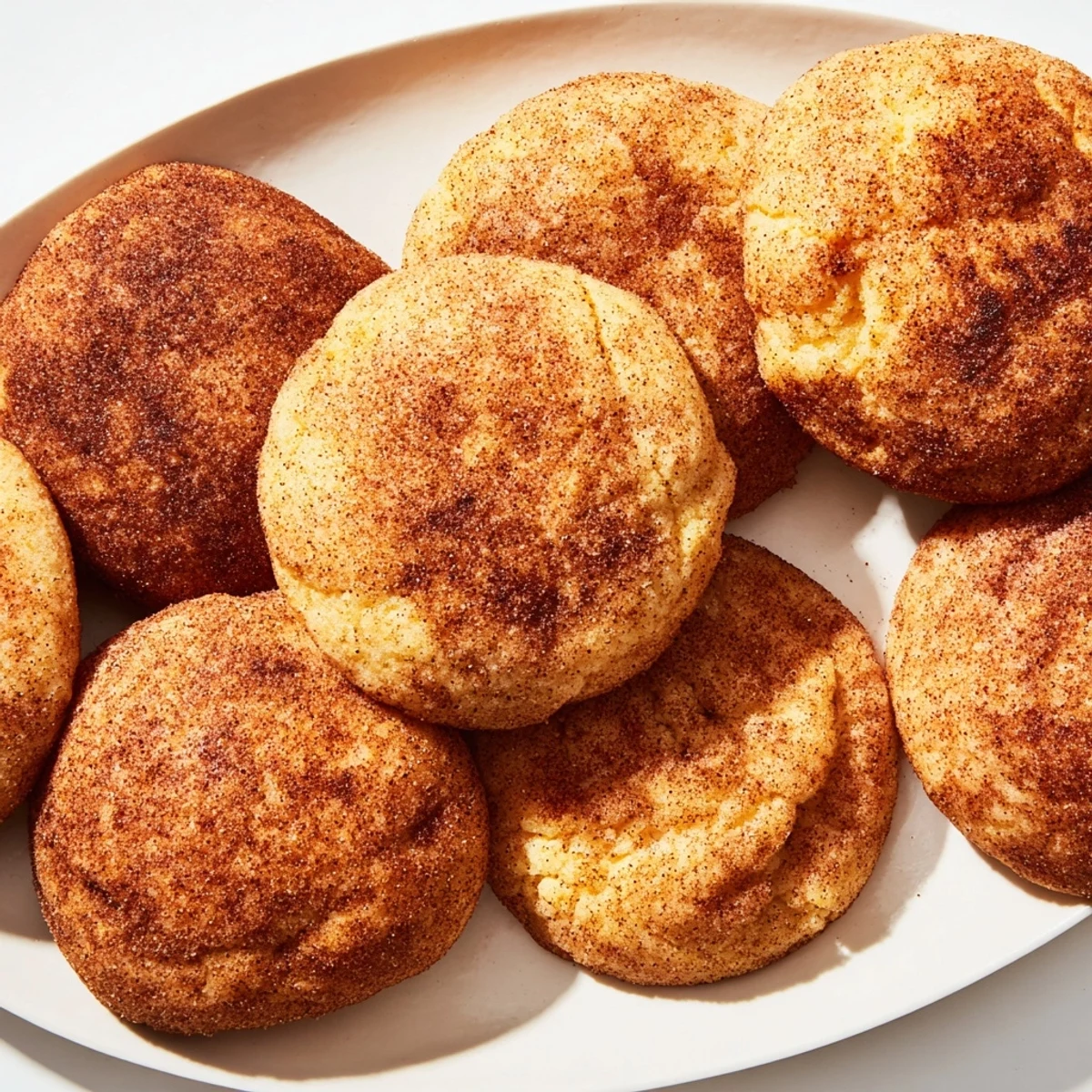
The signature crackled top of a snickerdoodle comes from the interaction between the baking soda and cream of tartar as they react in the heat of the oven. Rolling the dough balls smoothly before coating them helps the cracks form evenly across the surface. If your cookies come out smooth on top, your oven might be running a little cool, and an oven thermometer is a cheap fix that will change your baking life.
Storing and Keeping Them Soft
An airtight container at room temperature keeps these cookies soft for up to five days, though in my house they rarely last past day two. You can also freeze the baked cookies in a single layer for up to three months and thaw them at room temperature. A quick ten second zap in the microwave brings back that fresh baked warmth beautifully.
Fun Variations to Try
Once you have the base recipe down, the variations are endless and forgiving in ways that make baking feel like play rather than precision work. Try adding a pinch of nutmeg to the cinnamon sugar for a warmer spice profile, or swap the vanilla for maple extract in the dough. You can even press a caramel square into the center of each dough ball before rolling for a gooey surprise.
- Chilling the dough for thirty minutes before rolling makes the cookies thicker and chewier.
- A light sprinkle of flaky sea salt on top right after baking balances the sweetness beautifully.
- Always taste your cinnamon before using it because old cinnamon loses its punch and dulls the whole cookie.
 Save
Save 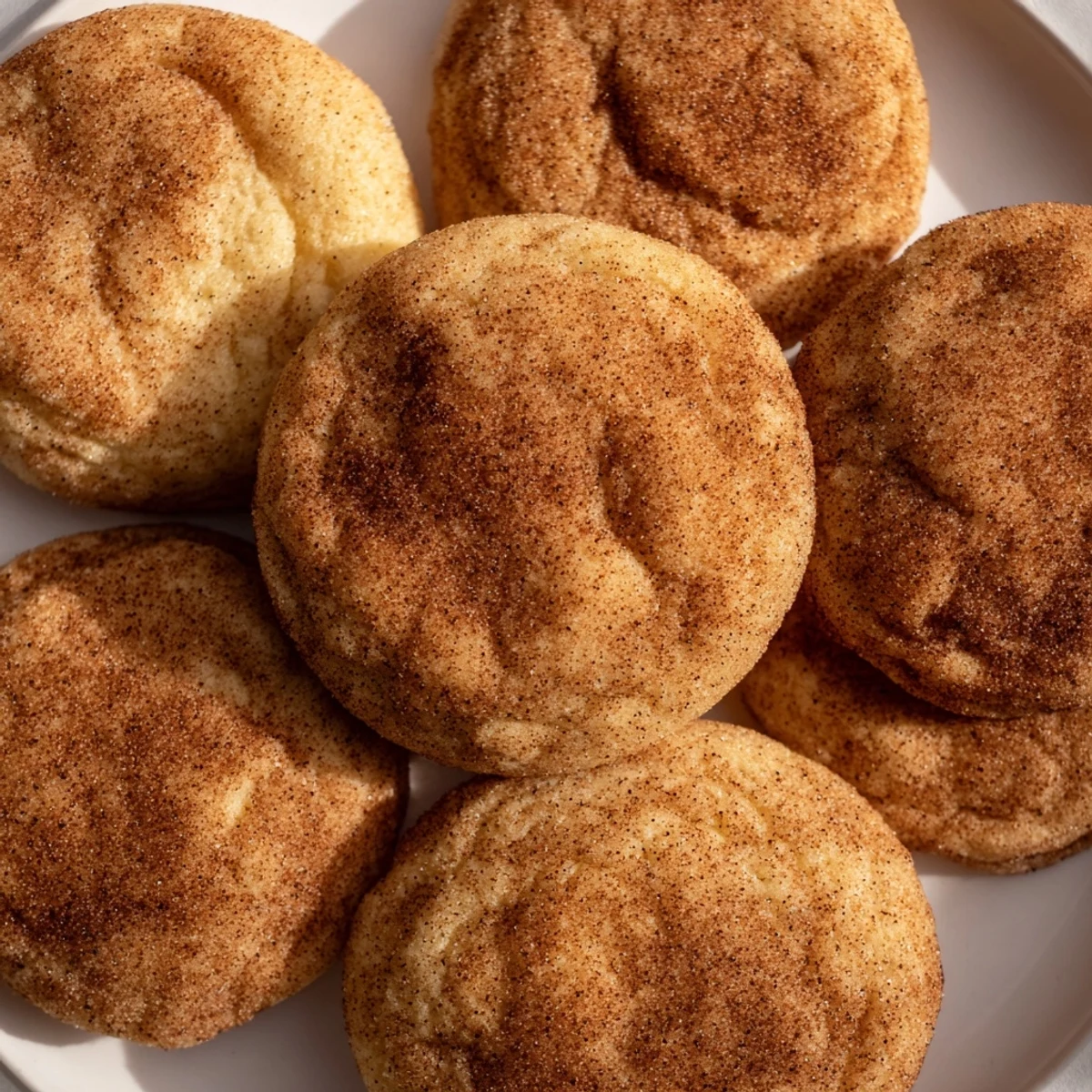 Save
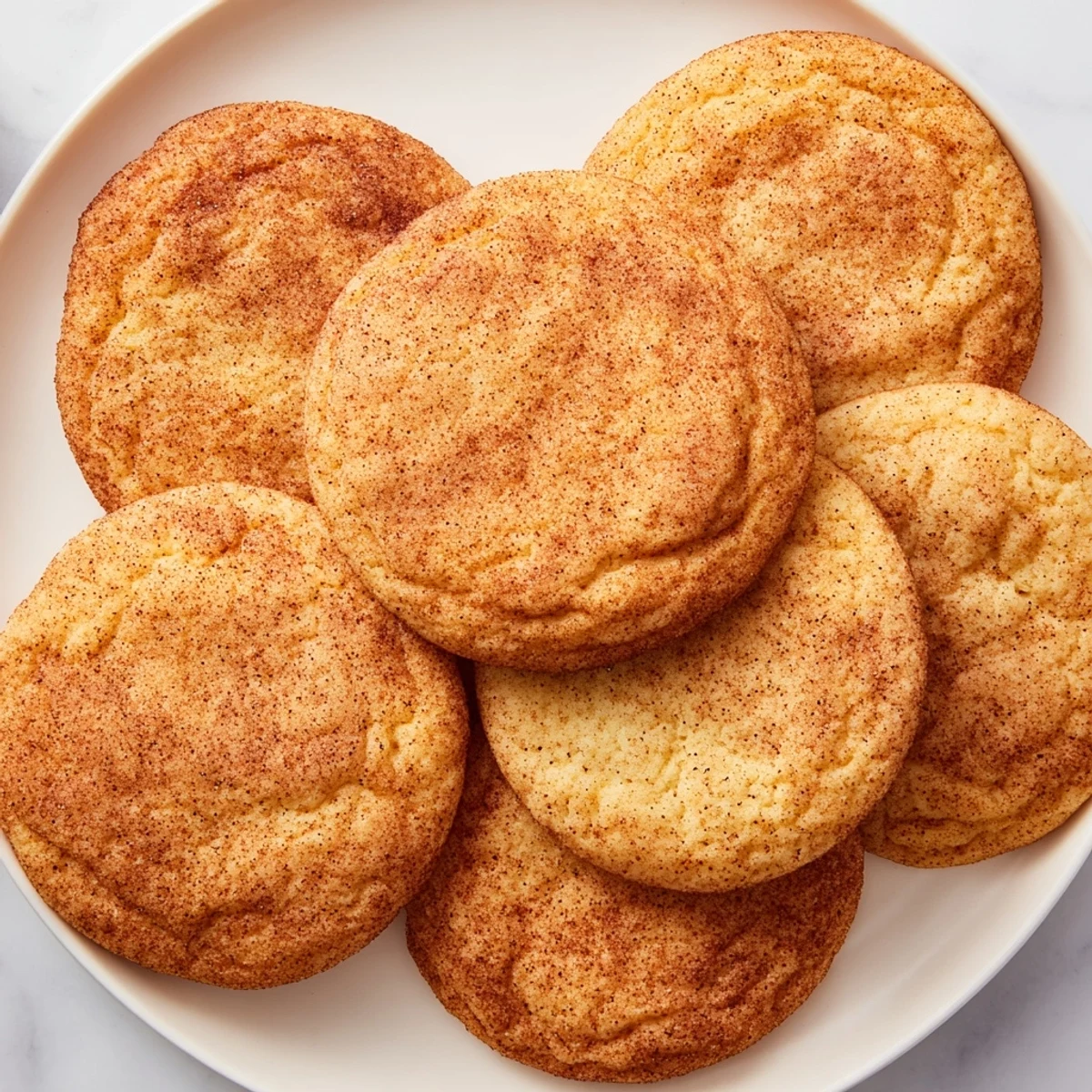
Save Snickerdoodles are proof that you do not need fancy ingredients or complicated steps to make something people will remember. Bake a batch this weekend and watch how quickly an empty plate tells you everything you need to know.
Recipe Questions & Answers
- → What makes snickerdoodles different from sugar cookies?
-
Snickerdoodles contain cream of tartar, which adds a subtle tangy flavor and creates a softer, chewier texture than traditional sugar cookies. They're also coated in cinnamon sugar before baking, giving them their signature spiced crust.
- → Why did my snickerdoodles turn out hard?
-
Overbaking is the most common cause. Remove them from the oven when edges are set but centers still look slightly underbaked. They continue cooking on the hot baking sheet, ensuring a soft, chewy texture.
- → Can I make the dough ahead of time?
-
Yes, refrigerate the dough balls for up to 24 hours before baking. You can also freeze uncoated dough balls for up to 3 months. Roll in cinnamon sugar just before baking.
- → What's the purpose of cream of tartar?
-
Cream of tartar is the secret ingredient that gives snickerdoodles their characteristic tangy flavor and activates the baking soda for a tender, chewy texture. It's what distinguishes them from other sugar cookies.
- → How should I store snickerdoodles?
-
Keep in an airtight container at room temperature for up to 5 days. Place a piece of bread in the container to help maintain moisture. For longer storage, freeze cooled cookies for up to 3 months.