
 Save
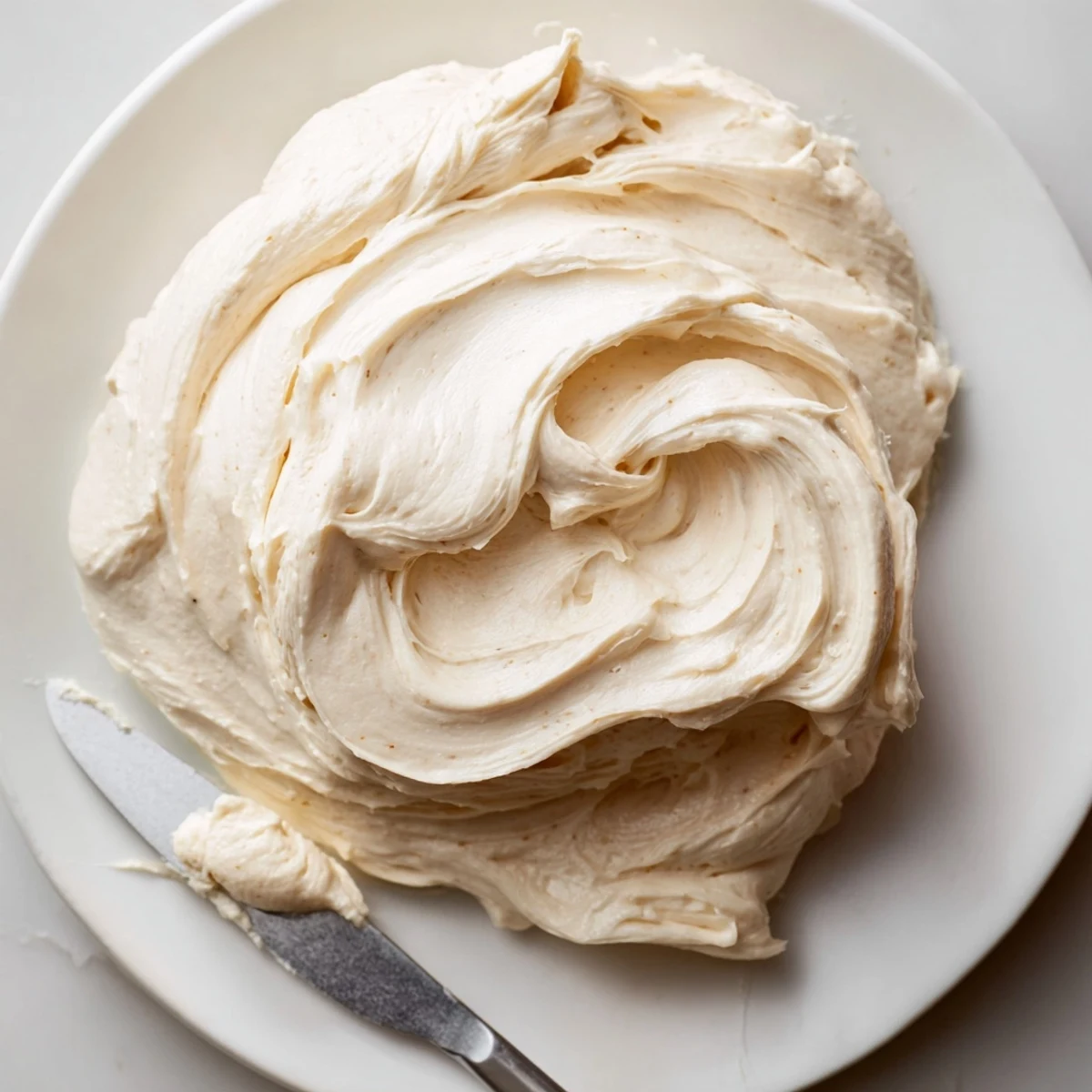
Save This Italian meringue buttercream delivers a silky, velvety texture that elevates any cake or cupcake. Hot sugar syrup is streamed into whipped egg whites to form a glossy, stable meringue, then room-temperature butter is beaten in gradually until the mixture emulsifies into a luxuriously smooth frosting.
Patience is key—the meringue must cool completely before adding butter, and the mixture may look curdled before it comes together. Flavor it with vanilla, chocolate, espresso, or fruit purees for endless versatility.
The sound of sugar syrup hitting 115 degrees Celsius on a candy thermometer is something between a whisper and a warning, and my kitchen smelled like warm caramel the afternoon I finally nailed Italian meringue buttercream after three spectacular failures. I had volunteered to frost my sisters wedding shower cake, confidently assuring everyone it would be simple. Six hours later, surrounded by bowls of curdled mess, I understood why pastry chefs treat this recipe with reverence.
My second attempt at this frosting happened during a rainstorm, which I later learned was part of the problem since humidity wreaks havoc on sugar syrup. I stood at the mixer watching egg whites transform from slippery translucent nothing into stiff glossy peaks, and something about that process made me feel like I was learning a secret language. When the butter finally emulsified and the whole bowl turned into silk, I actually laughed out loud alone in my kitchen at midnight.
Ingredients
- Granulated sugar (200 g): The foundation of your syrup, and plain white sugar works best here since it dissolves cleanly without adding unwanted color.
- Water (60 ml): Just enough to help the sugar melt evenly before it begins its journey to soft ball stage.
- Egg whites, room temperature (4 large): Room temperature whites whip to greater volume, so pull them from the fridge an hour ahead and you will be rewarded.
- Cream of tartar (1/4 tsp): This optional acid stabilizes the meringue and gives you a wider margin of error during whipping.
- Fine sea salt (1/8 tsp): A tiny pinch that keeps the sweetness from becoming cloying and rounds out every flavor.
- Unsalted butter, room temperature and cubed (340 g): The star of the show, and using unsalted lets you control the final flavor profile completely.
- Vanilla extract (1 tsp): Use the good stuff here because this simple frosting lets every ingredient shine without hiding behind anything.
Instructions
- Bloom the syrup:
- Combine sugar and water in a small saucepan over medium heat, swirling the pan gently until the sugar dissolves completely, then clip on your candy thermometer and watch it climb toward 115 degrees Celsius without stirring.
- Wake up the whites:
- In a spotlessly clean mixer bowl, start whipping egg whites with cream of tartar and salt on medium speed until soft peaks droop gently from the whisk, watching for that beautiful translucent sheen.
- The marriage:
- When the syrup hits temperature, slowly drizzle it into the running mixer in a thin steady stream aimed at the side of the bowl rather than directly onto the whisk, which prevents the meringue from deflating.
- Whip to glory:
- Crank the speed to high and let the mixer run until the meringue forms stiff glossy peaks and the outside of the bowl feels completely cool to your palm, roughly 7 to 10 patient minutes.
- Butter time:
- Drop the mixer to medium speed and add butter cubes a few at a time, and when the whole thing looks ruined and curdled around minute three, just keep going because trust me it will come back together into pure velvet.
- Finish with love:
- Add vanilla extract and whip just until it disappears into the buttercream, then use a spatula to fold and push out any air bubbles for the silkiest texture.
 Save
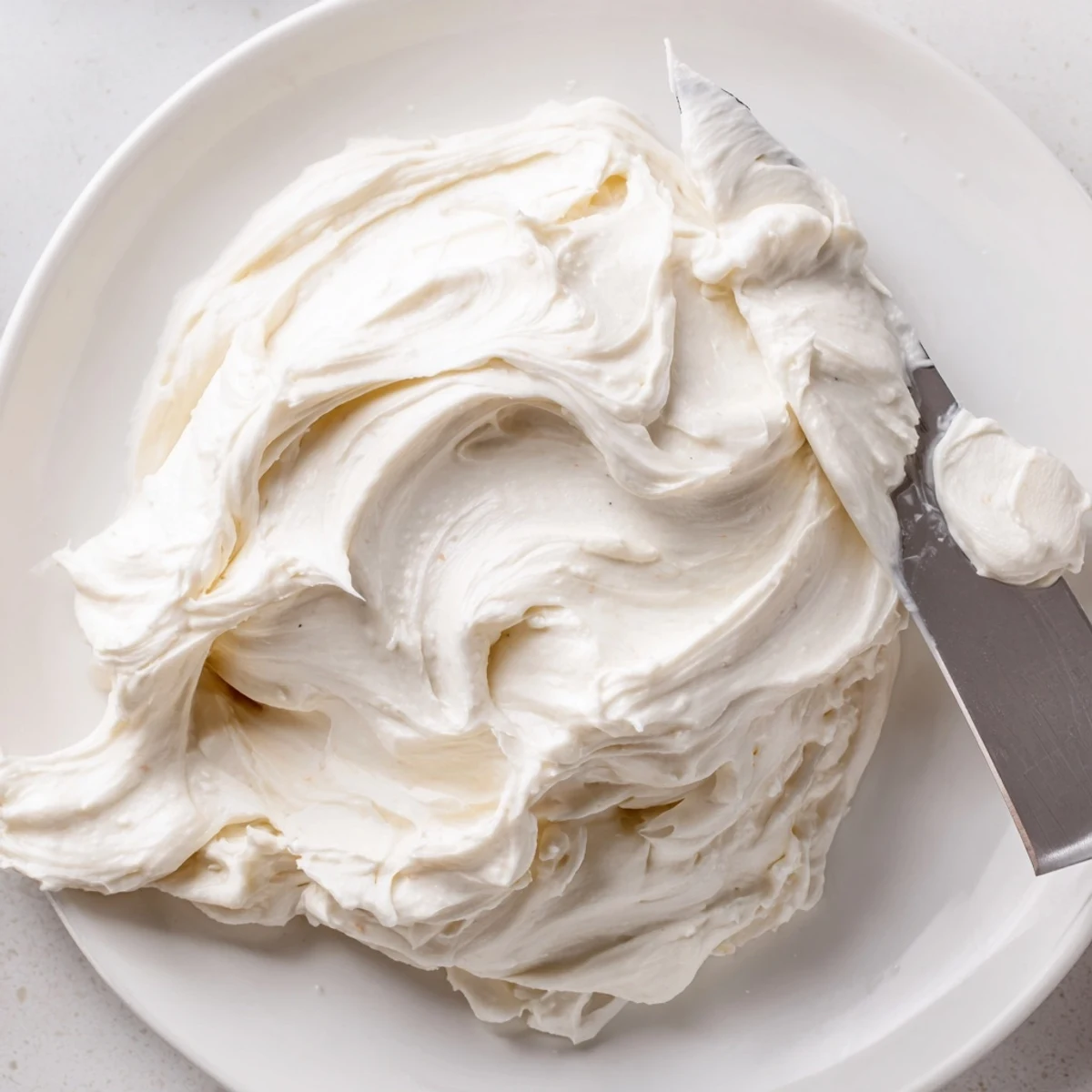
Save The morning of my sisters shower, I spread this buttercream over a humble three layer lemon cake and watched it transform into something elegant, and she teared up when she saw it sitting on her grandmother's cake stand. Food does that sometimes, turning sugar and effort into something that feels like love made tangible.
Troubleshooting Common Problems
Every batch of Italian meringue buttercream teaches you something new, and the most common heartbreak is the dreaded curdle phase that happens when butter meets meringue at the wrong temperature. If your bowl still feels warm when you start adding butter, pop the whole thing in the fridge for five minutes and try again, because cold butter into warm meringue is a recipe for separation. On the flip side, if your butter is too cold, the mixture will develop chunky bits that look like cottage cheese, and the fix is simply to warm the outside of the bowl with a hairdryer while the mixer runs.
Flavor Variations Worth Trying
Once you have the base technique locked in, this buttercream becomes a canvas for almost any flavor you can dream up, and my personal favorite addition is two tablespoons of espresso powder dissolved in the vanilla before mixing it in. Melted and cooled dark chocolate folded in at the end creates a mocha frosting that makes people close their eyes when they taste it. Fruit purees work beautifully too, but add them sparingly since too much liquid can break the emulsion.
Storage and Make Ahead
This buttercream actually improves after a rest in the fridge overnight, and it will keep for up to five days covered tightly or frozen for two months. When you are ready to use it, let it come completely to room temperature, which takes a few hours, then rewhip until it is silky again.
- Never microwave refrigerated buttercream to soften it because uneven hot spots will melt the butter and ruin the texture.
- If freezing, press plastic wrap directly against the surface to prevent ice crystals from forming.
- Always rewhip after chilling because it restores the airy, spreadable consistency you worked so hard to achieve.
 Save
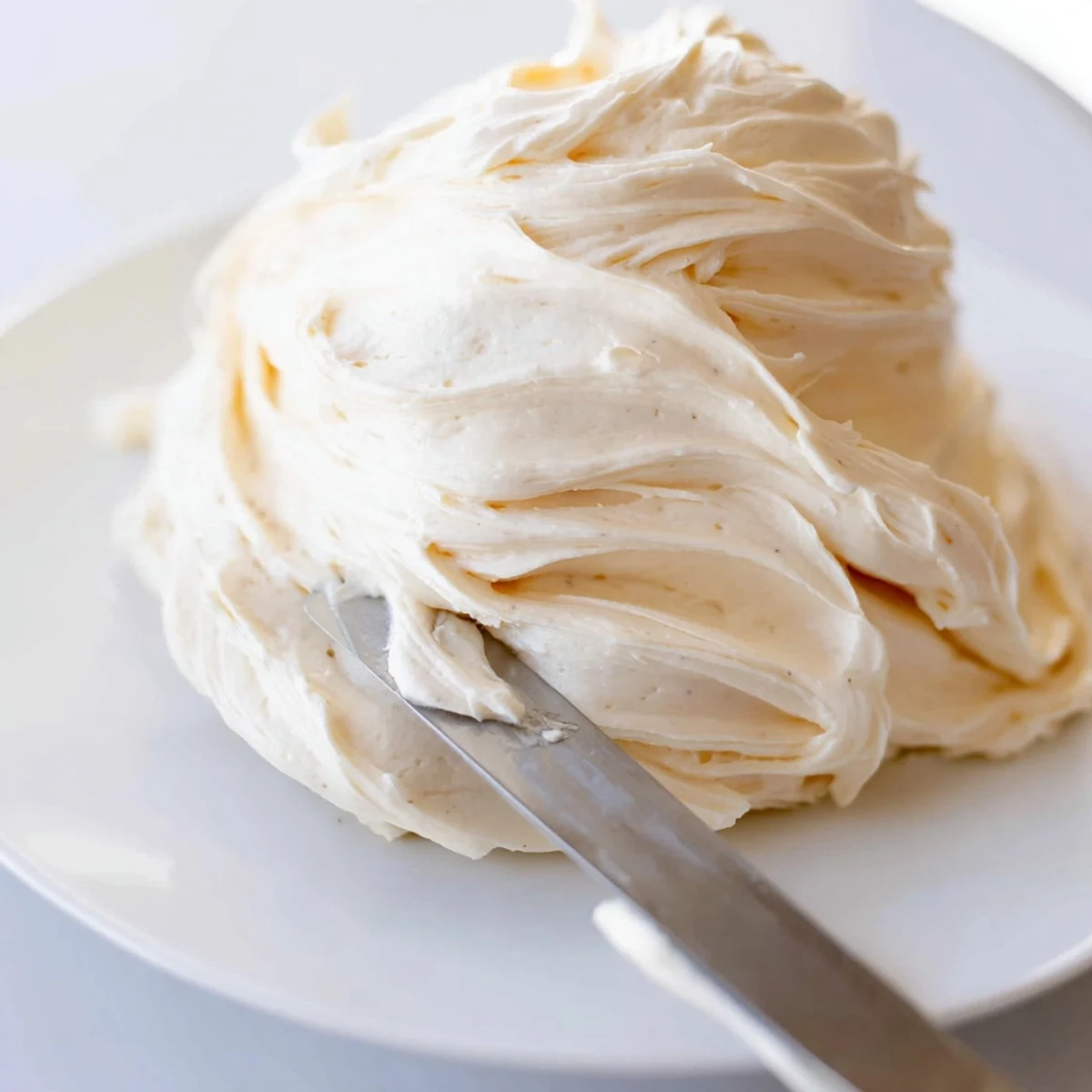
Save Mastering this buttercream changed the way I think about baking, turning something that once terrified me into a skill I now reach for whenever I want to make someone feel celebrated. The first perfectly smooth swipe across a cake layer is pure magic.
Recipe Questions & Answers
- → Why does my Italian meringue buttercream look curdled?
-
Curdling is completely normal during the butter-adding stage. The temperature difference between the meringue and butter causes a temporary split. Simply keep whipping on medium-high speed and the mixture will emulsify into a silky, smooth buttercream within a few minutes.
- → Can I make Italian meringue buttercream ahead of time?
-
Yes, it stores beautifully. Refrigerate in an airtight container for up to 5 days or freeze for up to 2 months. When ready to use, bring it to room temperature and re-whip until smooth and spreadable.
- → What temperature should the butter be?
-
The butter must be at room temperature—soft enough to hold a thumb indent but not melting or greasy. Cold butter will cause the meringue to deflate, while overly warm butter can make the frosting too soupy to hold its shape.
- → Do I really need a candy thermometer?
-
A candy thermometer is strongly recommended for accuracy. The sugar syrup must reach 115°C (240°F) to ensure proper meringue stability. Without it, you risk undercooking the syrup, which leads to a weepy or unstable buttercream.
- → How can I flavor Italian meringue buttercream?
-
Add flavorings once the buttercream is fully emulsified and smooth. Fold in melted and cooled chocolate, espresso powder, fruit purees, citrus zest, or extracts. Add gradually and taste as you go to achieve the desired intensity without compromising the texture.
- → Why did my meringue deflate or turn grainy?
-
This usually happens when the mixing bowl or whisk has trace amounts of grease or egg yolk. Ensure all equipment is spotlessly clean and grease-free. Also make sure no yolk contaminates the egg whites during separation.