 Save
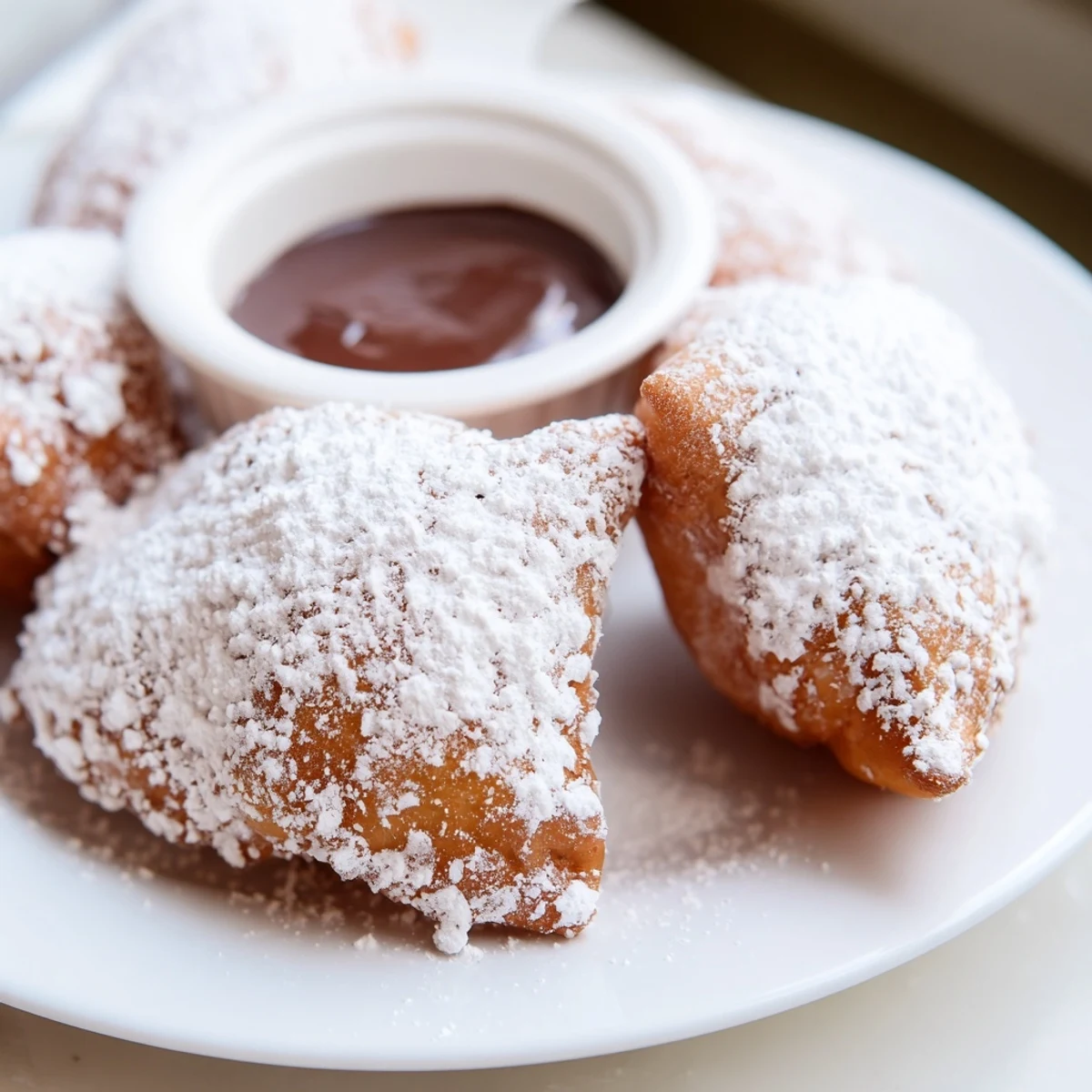
Save Discover the charm of Mardi Gras with these golden, deep-fried beignets, tender and airy inside. Coated generously with powdered sugar, they offer a delicate sweetness balanced by a luscious, smooth chocolate sauce perfect for dipping. The dough, enriched with yeast and butter, is kneaded to soft perfection and fried until puffed and golden. Whether for a festive occasion or a comforting treat, these beignets capture the rich culinary spirit of New Orleans.
The first beignet I ever ate was handed to me through a takeout window at three in the morning, still hot enough to burn my fingertips through the paper bag. I remember standing on a French Quarter sidewalk watching a brass band stumble past, powdered sugar drifting onto my jacket like confectioner's snow, thinking that no dessert should legally taste this good at that hour.
I made these for my neighbor's porch birthday party last February, the oil still bubbling when I carried the platter across the lawn. She had strung purple and gold lights through her hydrangea bushes, and we stood there in forty-degree weather eating beignets with our gloves on, passing the chocolate sauce between us like a secret.
Ingredients
- Active dry yeast: The foamy bloom tells you your yeast is alive and ready to work, like a tiny kitchen science experiment.
- Whole milk: Room temperature keeps the yeast happy, cold milk shocks it into sluggishness.
- Unsalted butter: Melted but not hot, you want richness without cooking the egg prematurely.
- All-purpose flour: The full amount may vary slightly, humidity is a hidden ingredient in every kitchen.
- Vegetable oil: Enough for two inches in your pot, the beignets need room to float and somersault.
- Powdered sugar: Applied while warm so it clings like a sweet dusting of snow.
- Semi-sweet chocolate: Chopped fine so it surrenders quickly to the warm cream.
- Heavy cream: Creates that pourable ganache texture that coats without overwhelming.
Instructions
- Wake up the yeast:
- Pour warm water into your largest bowl and sprinkle the yeast over the surface with that pinch of sugar. Wait for the foam to appear, it smells like bread beginning and takes about five minutes of patience.
- Build the dough:
- Stir in the sugar, milk, egg, and salt until the mixture looks like thin pancake batter. Add two cups of flour and beat until you have a shaggy, sticky mass that clings to the spoon.
- Add the butter and finish:
- Pour in the melted butter and watch it marble through the dough before adding the remaining flour half cup at a time. The dough will transform from paste to something you can actually touch.
- Knead with intention:
- Turn onto a floured counter and push the dough away from you with the heel of your hand, folding it back over itself for five to seven minutes. It should feel like a soft earlobe when done, strange but accurate.
- First rise:
- Grease the bowl, nestle the dough inside, cover with a damp towel, and walk away for an hour. Find something else to do, the dough prefers not to be watched.
- Roll and cut:
- Punch down the risen dough and roll to half-inch thickness, no thinner or you lose the puff. Cut into rough squares with a knife, perfection is not the point here.
- Heat the oil:
- Pour oil into a deep pot and bring to 350°F, use a thermometer or sacrifice a small dough scrap to test, it should bubble immediately and float.
- Fry in batches:
- Slide three or four squares into the oil and watch them balloon and turn golden, about one to two minutes per side. They will flip themselves if the oil is hot enough.
- Drain and dust:
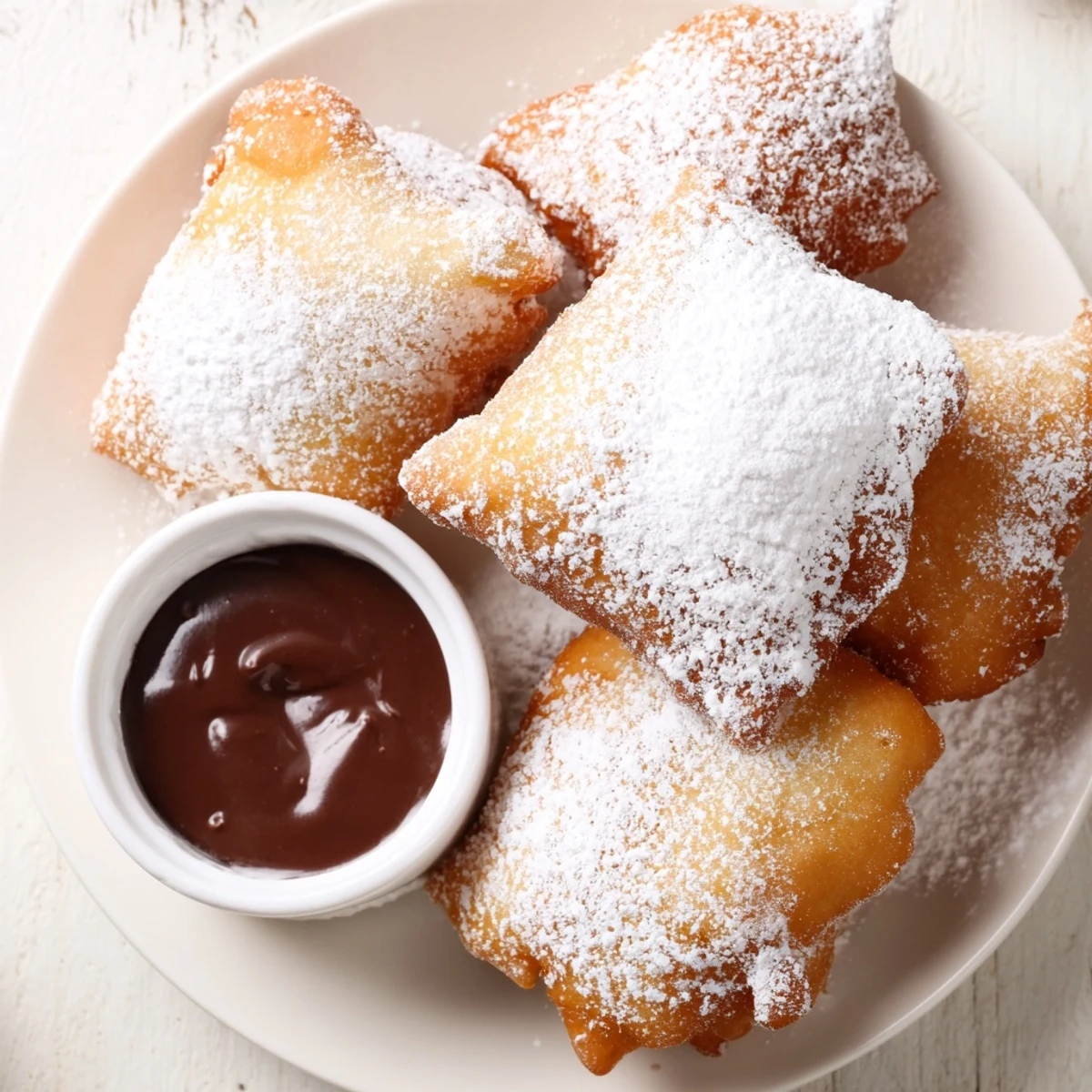
- Lift with a slotted spoon onto paper towels and bury them in powdered sugar while they are still hot enough to melt it slightly.
- Make the sauce:
- Warm cream and butter in a small pan, add chocolate off the heat, and stir until glossy. Vanilla and salt go in last, the salt makes the chocolate taste more like itself.
 Save
Save My daughter once asked me why we only make these during Mardi Gras when they are clearly good enough for random Tuesdays. I did not have a good answer, and now we fry beignets whenever the house feels too quiet.
The Overnight Trick
If morning frying appeals more than evening, make the dough after dinner and let it rise in the refrigerator overnight. The cold slows everything down and develops a deeper flavor, plus you wake up to dough ready for the pot.
Reading Your Oil
A wooden spoon handle dipped in hot oil should bubble steadily around the wood, that is your no-thermometer test. If the bubbles are frantic and loud, the oil is too hot and will burn the outside before the inside cooks through.
Serving and Storing
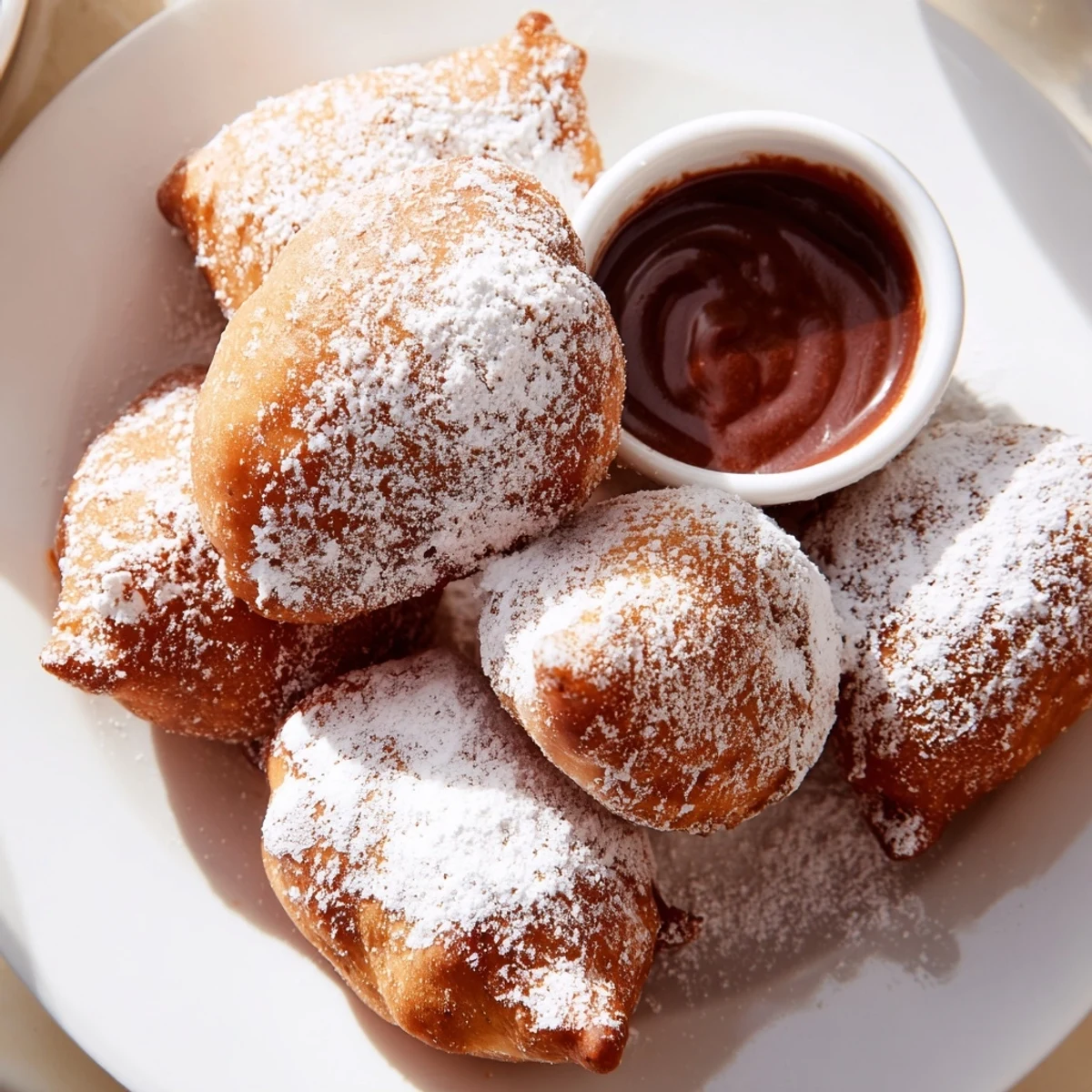
Beignets wait for no one, serve them within minutes of frying while the contrast between crisp shell and tender interior is at its peak.
- Leftover chocolate sauce reheats beautifully in the microwave in fifteen-second bursts.
- Unfried dough squares freeze well between layers of parchment for emergency beignet situations.
- Cinnamon in the powdered sugar is not traditional but is absolutely worth trying.
 Save
Save There is something about frying dough that makes a kitchen feel like the right place to be, no matter what season it is outside. Make these once and you will find reasons to make them again.
Recipe Questions & Answers
- → What makes beignets light and fluffy?
-
The yeast fermentation helps the dough rise, creating an airy, soft texture once fried.
- → How can I keep the beignets from getting greasy?
-
Maintain the oil temperature at 350°F and fry in small batches to avoid oil absorption.
- → Can I prepare the dough in advance?
-
Yes, the dough can be made the night before and kept in the fridge to rise slowly.
- → What is the best way to serve the chocolate sauce?
-
Serve the warm, velvety sauce in a small bowl for dipping alongside the freshly fried beignets.
- → Are there alternative dustings for beignets?
-
You can add cinnamon to powdered sugar for extra flavor or try a light dusting of cocoa powder.