
 Save
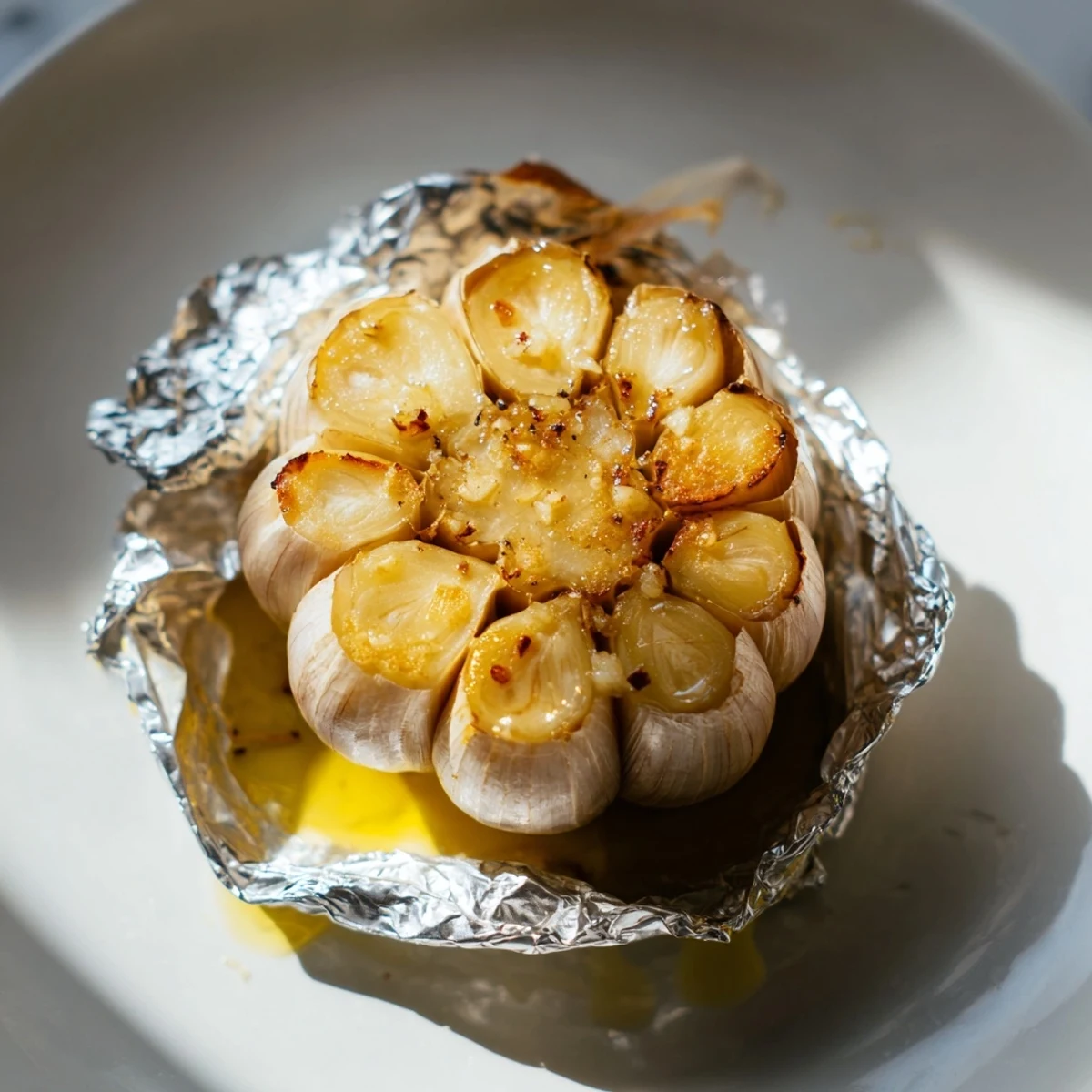
Save Roasting garlic softens its sharpness, unveiling a mellow, sweet flavor ideal for enhancing various dishes. Simply slice the top of a garlic head, drizzle olive oil, wrap in foil, and bake at 400°F for 35-40 minutes until golden and tender. The roasted cloves can be squeezed out and used as a spread or incorporated into sauces and sides, adding a rich, aromatic note. Variations include adding herbs like thyme or rosemary before roasting for extra depth.
There's something almost magical about what happens to garlic when you roast it. I discovered this by accident years ago when I was prepping for a dinner party and realized I'd bought way too many garlic bulbs. Instead of letting them go to waste, I threw a whole head in the oven and forgot about it while I was chopping vegetables. The aroma that filled my kitchen was nothing like the sharp, aggressive garlic I'd braced myself for—it was sweet, mellow, almost nutty. My guests ended up asking for the recipe that night, and I've been roasting garlic ever since.
I remember making a big batch of roasted garlic one Sunday afternoon and spreading it on warm crusty bread right out of the oven. My roommate walked in, took one bite, and we ended up sitting at the kitchen table for twenty minutes just eating bread and roasted garlic like it was the most luxurious thing we'd ever tasted. That's when I realized this wasn't just a cooking technique—it was a way to turn one humble ingredient into something people actually want to eat straight off a spoon.
Ingredients
- 1 whole head of garlic: Pick one that feels firm and heavy for its size, not dried out or sprouting. The whole bulb becomes your canvas here, and each clove will transform into something silky and sweet.
- 1–2 teaspoons olive oil: Use something you actually like the taste of—this is one of the few recipes where the oil's flavor matters. A fruity extra virgin works beautifully.
- Pinch of sea salt (optional): This isn't about making it salty; it's about drawing out the garlic's natural sugars and deepening the caramelization.
Instructions
- Prepare your garlic head:
- Gently peel away any papery outer layers, but leave the skin that actually holds the cloves together intact. You want the head to stay whole and compact as it roasts.
- Expose the cloves:
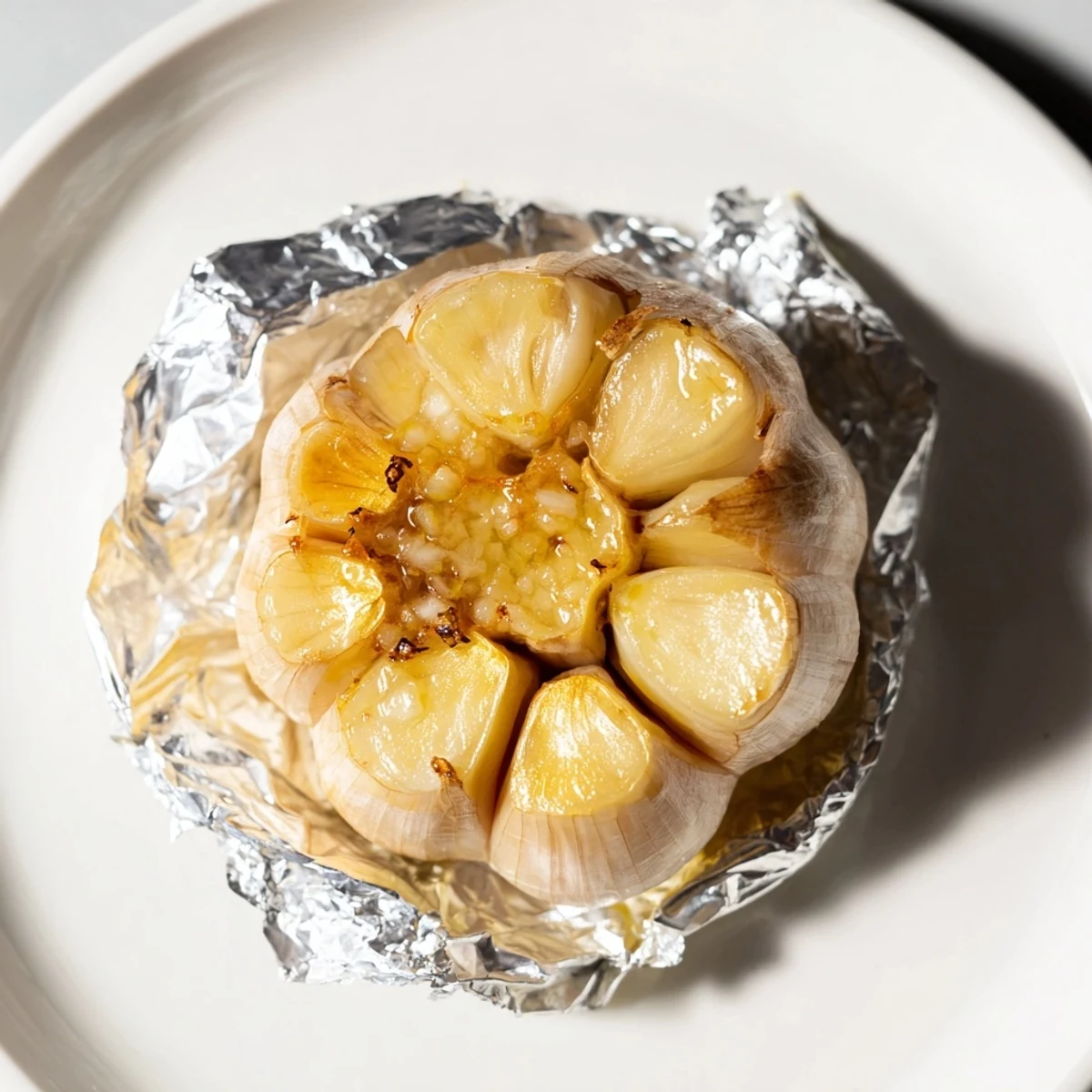
- Using a sharp knife, slice about 1/4 inch off the very top of the garlic head to reveal the little circles of the cloves inside. The cut should be clean and flat so the oil can pool and drip down.
- Set up for roasting:
- Tear off a piece of aluminum foil, place the garlic cut side up in the center, and give it a light drizzle of oil—maybe more than you think you need, because it's going to baste the cloves as they roast. Sprinkle with salt if you want.
- Wrap and roast:
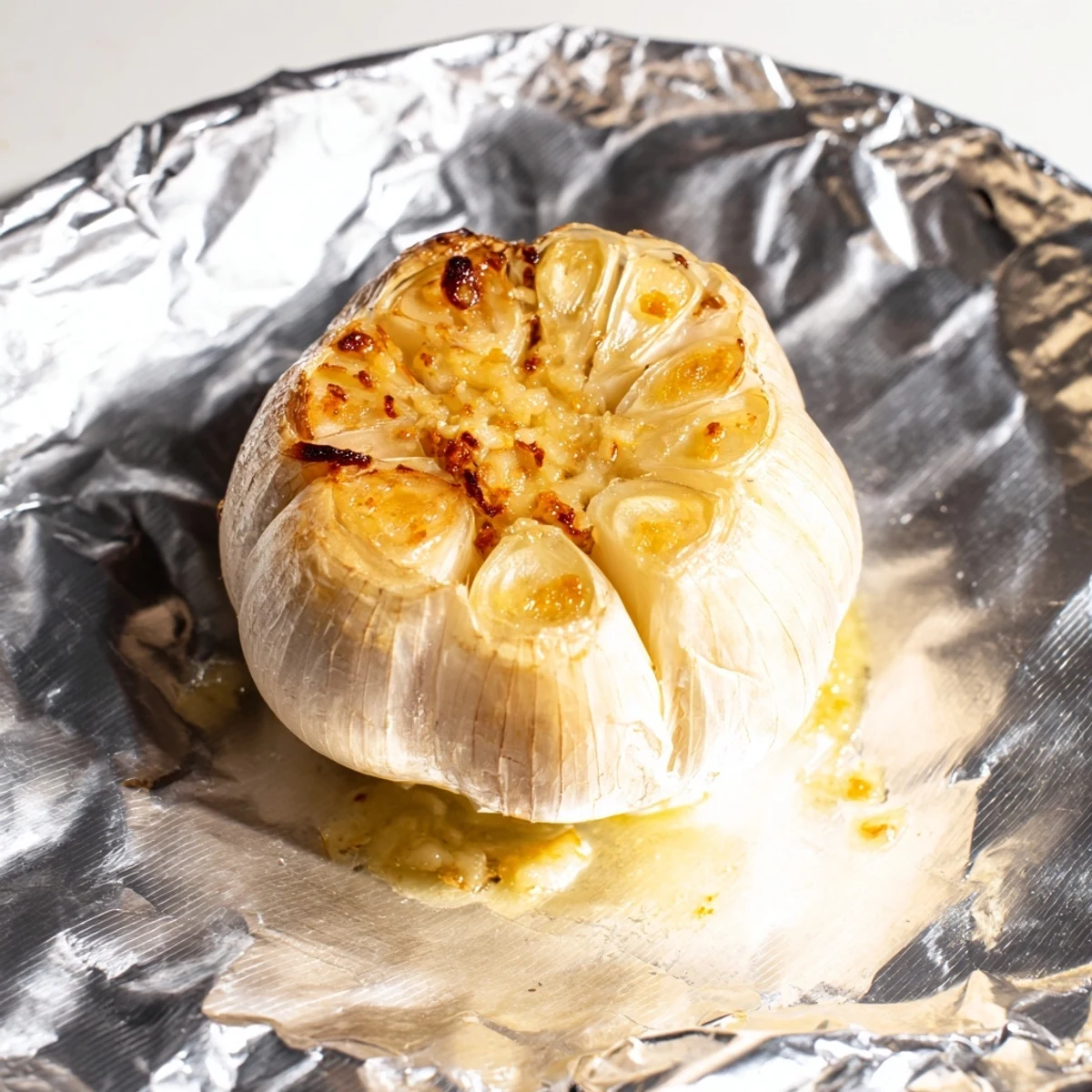
- Fold the foil around the garlic head so it's snugly wrapped but the cut side is still facing up. Pop it on a baking sheet (just to catch any drips) and into a 400°F oven for 35–40 minutes until the cloves feel completely soft when you poke them with a fork and the tops are golden and slightly caramelized.
- Cool and squeeze:
- Let it rest for a few minutes so you don't burn your fingers, then squeeze each clove from the bottom and watch the roasted garlic slide out like butter. Use it immediately as a spread, or store it for later.
 Save
Save I brought a small container of roasted garlic to a potluck once and watched someone eat nearly the whole thing straight from the jar while standing in my friend's kitchen. They didn't apologize, and neither did I—that's when you know you've made something worth making.
How to Use Roasted Garlic
The beauty of roasted garlic is that it slots into almost anything you're already making. Smash it into mashed potatoes for a silky, sophisticated version. Stir it into cream cheese or ricotta for an instant dip. Swirl it into soups just before serving, fold it into pasta sauces, or blend it into salad dressings where it becomes this rich, rounded backdrop for vinegar and oil.
Storage and Make-Ahead
Roasted garlic keeps beautifully in the refrigerator for up to a week in an airtight container, which means you can make it on a Sunday and pull it out throughout the week whenever inspiration strikes. Some people freeze it too, though I've never had leftovers last long enough to find out if that works.
Variations to Try
Once you've mastered the basic technique, it's fun to play with additions. A sprig of thyme or rosemary adds an herbaceous complexity that pairs beautifully with the sweetness. Some people add a splash of balsamic vinegar or a pinch of smoked paprika to the oil before roasting. You could even experiment with different oils—walnut or sesame oil would bring a completely different character to the party.
- Fresh herbs like thyme or rosemary nestled on top create aromatic depth.
- A tiny splash of balsamic or smoked paprika shifts the flavor profile entirely.
- Try roasting multiple heads at once so you always have some on hand.
 Save
Save This simple technique reminds me why cooking doesn't need to be complicated to feel special. Roasted garlic is proof that sometimes the best flavors come from patience and heat, not fancy ingredients or technical skill.
Recipe Questions & Answers
- → How do you prepare garlic for roasting?
-
Trim about 1/4 inch from the garlic head to expose cloves, drizzle with olive oil, and wrap tightly in foil before roasting.
- → What temperature and time are best for roasting garlic?
-
Roast at 400°F (200°C) for 35-40 minutes until the cloves become soft and golden brown.
- → Can herbs be added during roasting?
-
Yes, adding a sprig of thyme or rosemary before roasting enhances the flavor profile.
- → How should roasted garlic be stored?
-
Store in an airtight container in the refrigerator for up to one week to maintain freshness.
- → What are common uses for roasted garlic?
-
It can be spread on bread, mixed into mashed potatoes, or stirred into pasta sauces for added richness.
- → Is olive oil necessary for roasting garlic?
-
Olive oil helps the garlic roast evenly and adds a subtle, fruity flavor.