
 Save
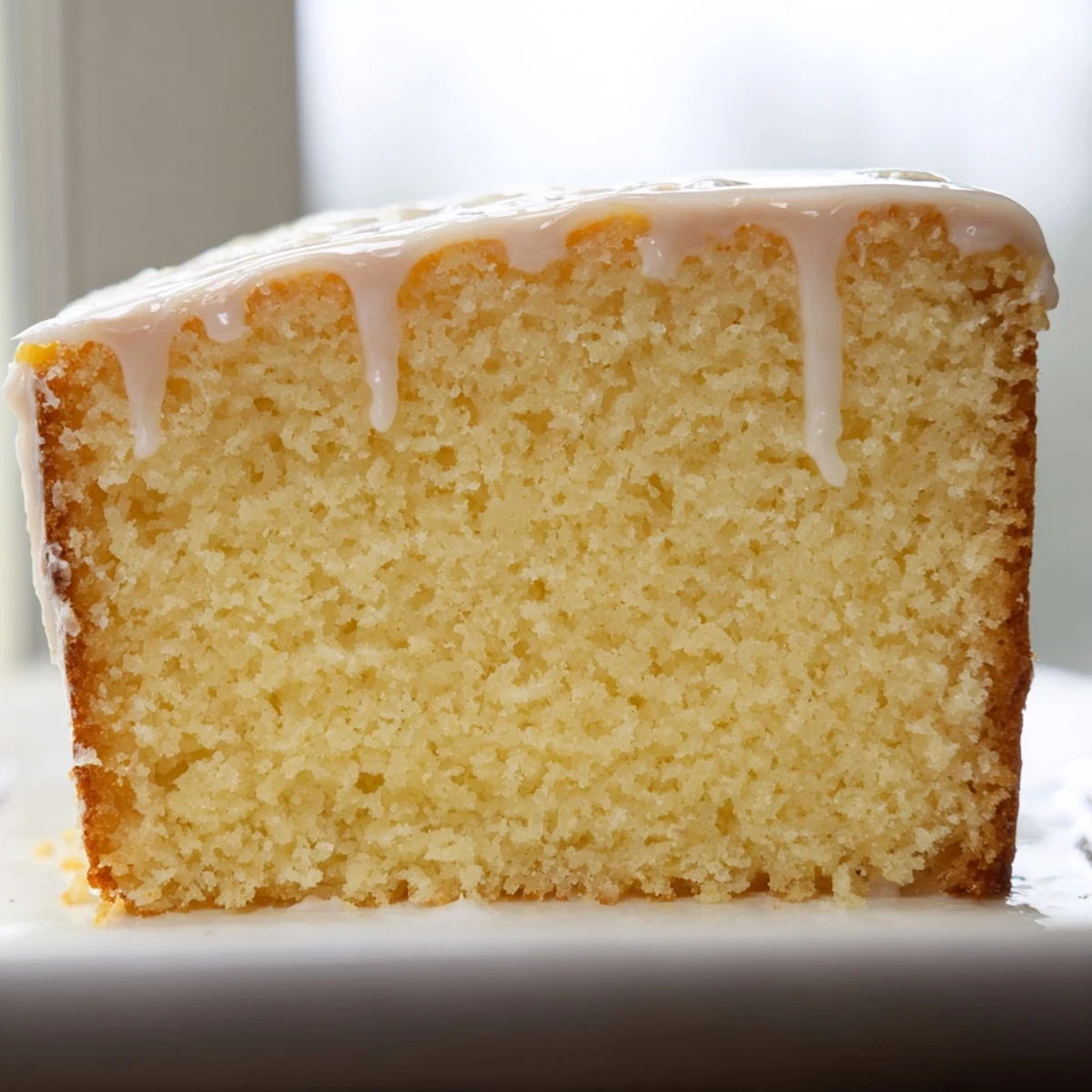
Save This classic vanilla sponge cake delivers exceptional moistness and tenderness, making it the perfect choice for church potlucks, community gatherings, and large family celebrations. The batter comes together quickly with pantry staples, while the buttermilk ensures a soft, tender crumb that stays fresh for days.
What sets this apart is the foolproof technique and generous 9x13 pan size, yielding 12 substantial servings. The simple vanilla glaze adds just the right amount of sweetness without overpowering the delicate vanilla flavor.
Whether you're feeding a congregation or bringing dessert to a neighborhood event, this crowd-pleasing cake transports beautifully and serves effortlessly. The straightforward method means even novice bakers achieve consistent, impressive results every time.
Every Sunday after service, Mrs. Henderson would bring this same cake to the parish hall, and somehow her 9x13 pan always emptied before the coffee even stopped steaming. I finally asked for her recipe three months ago, laughing when she pulled a stained index card from her purse. Now I understand why this vanilla sponge shows up at every church potluck, baby shower, and bereavement dinner in our congregation.
Last month I made three of these cakes back to back for our annual spring festival, learning exactly how forgiving this batter truly is. One pan went in late, another sat cooling too long, yet every single slice disappeared within twenty minutes of hitting the dessert table. My teenage son actually asked if I could make this instead of birthday cake this year.
Ingredients
- 2 1/2 cups all purpose flour: Provides the structure for that classic sponge texture without becoming dense
- 2 tsp baking powder: Ensures reliable rise every single time you bake
- 1/2 tsp baking soda: Works with the buttermilk for extra tenderness
- 1/2 tsp salt: Balances sweetness and enhances vanilla flavor
- 1 cup unsalted butter: Room temperature butter creates the foundation for fluffy texture
- 1 3/4 cups granulated sugar: Sweetens while contributing to moist crumb structure
- 3 large eggs: Binds everything together and adds richness
- 1 tbsp vanilla extract: The star flavor that makes this cake sing
- 1 cup buttermilk: The secret ingredient for tender, moist cake
- 1 1/2 cups powdered sugar: Creates the perfect pourable glaze consistency
- 2 to 3 tbsp milk: Adjusts glaze thickness to your liking
- 1/2 tsp vanilla extract: Reinforces the vanilla flavor in the finishing touch
Instructions
- Preheat your oven:
- Set to 350°F and generously grease a 9x13 inch pan with butter, then dust lightly with flour
- Whisk the dry ingredients:
- Combine flour, baking powder, baking soda, and salt in a medium bowl
- Cream butter and sugar:
- Beat together for about 3 minutes until the mixture turns pale and fluffy
- Add eggs and vanilla:
- Incorporate eggs one at a time, then mix in the vanilla until fully combined
- Combine wet and dry:
- Alternate adding flour mixture and buttermilk, starting and ending with flour, mixing gently until just combined
- Bake the cake:
- Spread batter evenly and bake for 30 to 35 minutes until a toothpick comes out clean
- Cool completely:
- Let the cake rest in the pan for 15 minutes before moving to a wire rack
- Make the glaze:
- Whisk powdered sugar, milk, and vanilla until smooth, then drizzle over the cooled cake
 Save
Save My neighbor Sarah made this for our block party last summer, and honestly I was skeptical something so simple could impress. But seeing people go back for seconds and thirds made me realize why certain recipes endure through generations of church cookbooks.
Making Ahead For Gatherings
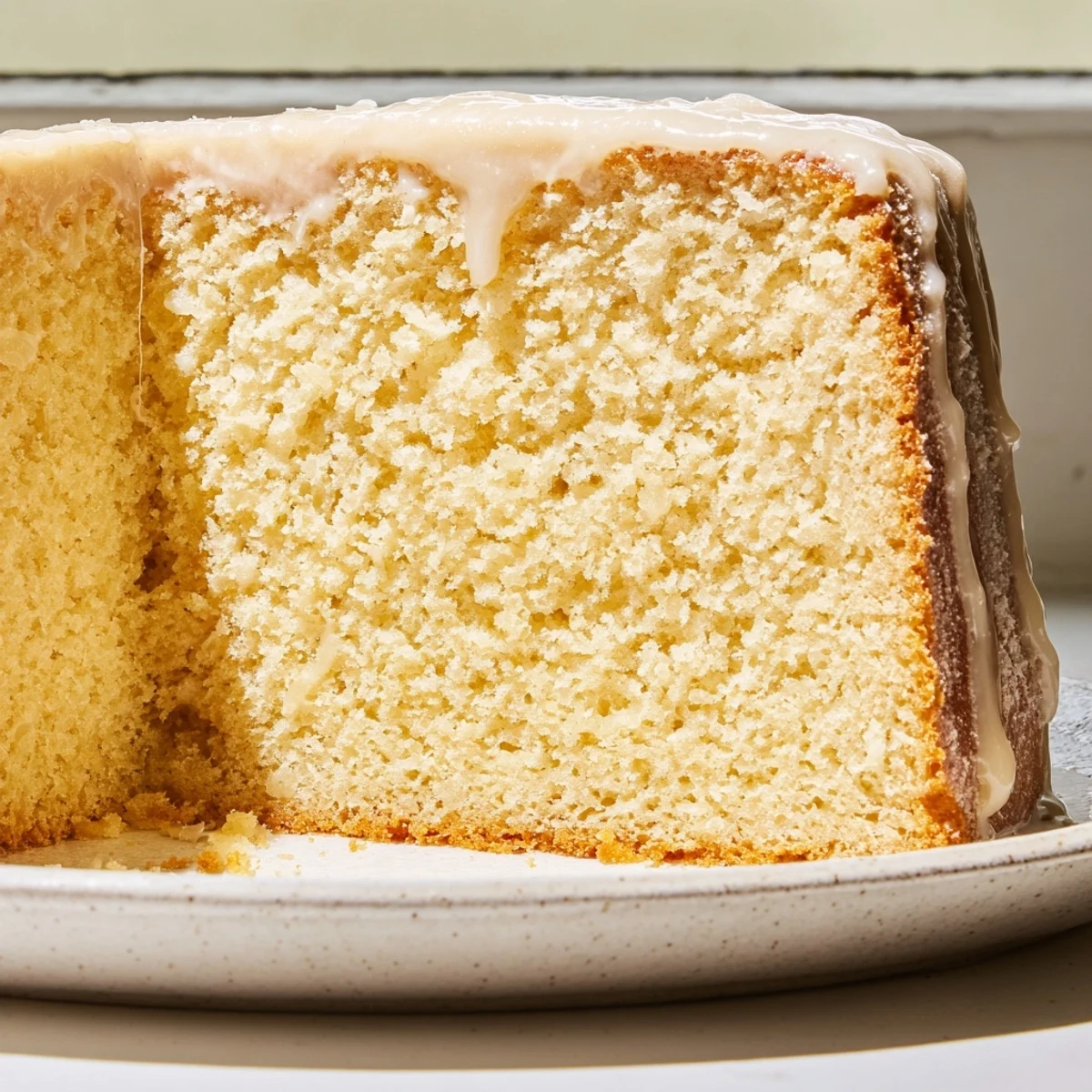
This cake actually tastes better the next day, which makes it ideal for church functions and potluck dinners. Wrap the cooled glazed cake tightly with plastic wrap and store at room temperature for up to two days. The flavors deepen and the crumb becomes even more tender.
Serving Suggestions
While this cake needs nothing more than a cup of coffee or tea, I have found that fresh berries alongside create the perfect balance. The tartness of strawberries or blueberries cuts through the sweet glaze beautifully. For church brunches, arrange the slices on a platter with small forks for easy serving.
Simple Variations To Try
Sometimes I add lemon zest to the batter or fold in chopped pecans for extra texture. The base recipe is incredibly forgiving and welcomes these personal touches.
- Add one tablespoon of lemon or orange zest to the flour mixture
- Fold one half cup of chopped nuts into the batter before baking
- Replace one teaspoon of vanilla with almond extract for different flavor
 Save
Save There is something profoundly comforting about a recipe that shows up reliably when people need feeding most. This cake has become my go to for every occasion that matters.
Recipe Questions & Answers
- → What makes church cake different from regular vanilla cake?
-
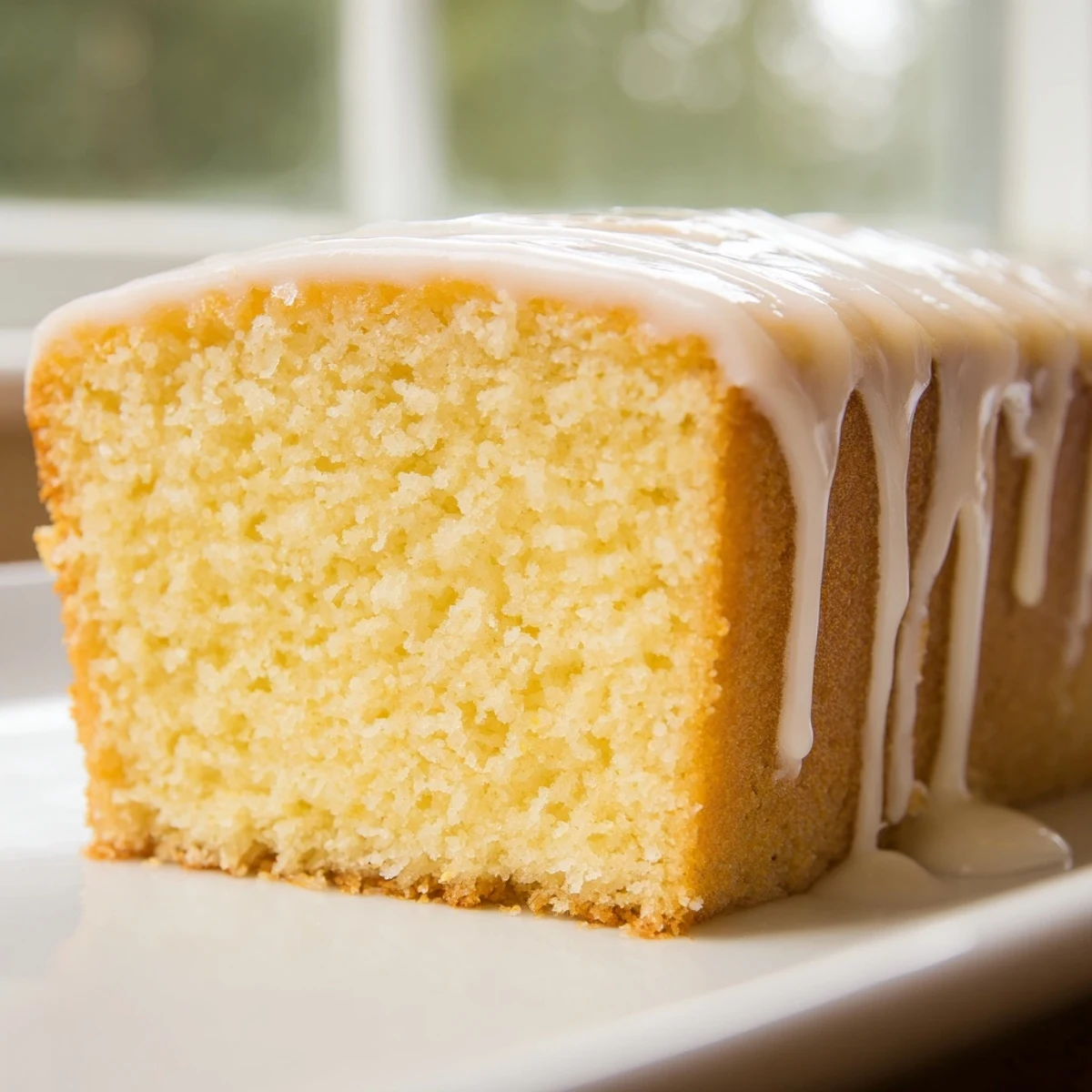
Church cake features a larger 9x13 format designed for feeding crowds, uses buttermilk for exceptional tenderness, and has a simpler glaze rather than heavy frosting. The texture stays moist longer, making it ideal for potlucks and gatherings where it might sit out.
- → Can I make this cake ahead of time?
-
Absolutely. This cake actually improves when made a day ahead, allowing flavors to develop and moisture to distribute evenly. Store covered at room temperature for up to 3 days. Add the glaze the same day you plan to serve for the freshest appearance.
- → What if I don't have buttermilk?
-
Simply measure 1 cup of regular milk and add 1 tablespoon of lemon juice or white vinegar. Let it sit for 5 minutes until slightly thickened. This homemade substitute provides the same acidity needed to tenderize the crumb and activate the baking soda.
- → How do I know when the cake is done baking?
-
Insert a wooden toothpick into the center of the cake. If it comes out clean or with just a few moist crumbs, the cake is finished. The edges should pull slightly away from the pan sides, and the top should spring back when gently pressed. Start checking at 30 minutes.
- → Can I freeze this cake?
-
Yes, freeze exceptionally well. Wrap the cooled, unglazed cake tightly in plastic wrap and foil for up to 3 months. Thaw overnight at room temperature, then add the glaze before serving. You can also freeze individual portions for quick treats.
- → Why is my cake dense or dry?
-
Overmixing the batter once flour is added creates gluten, making it tough. Mix only until combined. Using cold ingredients can also affect texture. Ensure butter and eggs are at room temperature, and don't overbake—remove from oven as soon as the toothpick test shows it's done.