
 Save
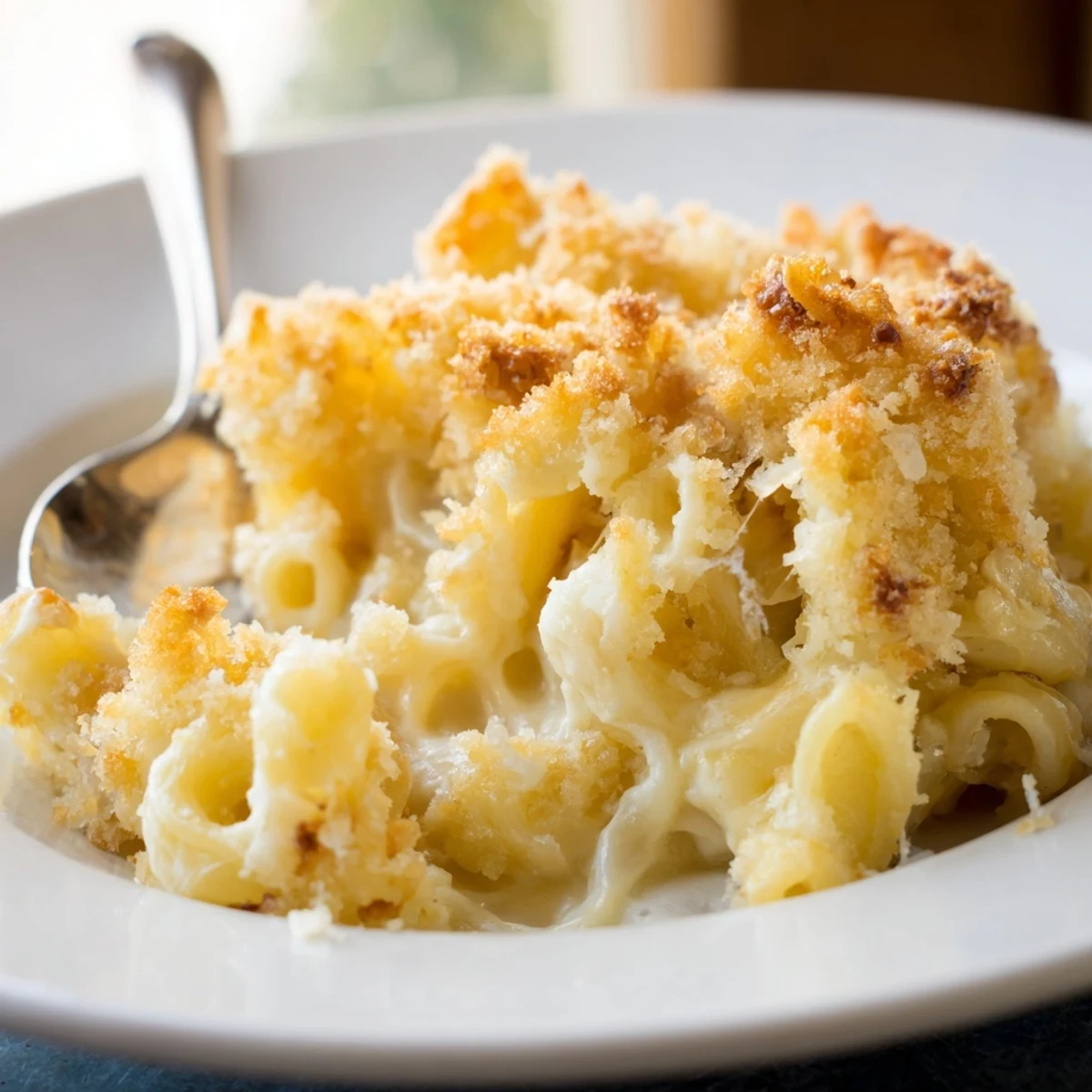
Save This classic macaroni cheese combines tender pasta with a velvety roux-based sauce featuring mature cheddar and Gruyère. The sauce is built from scratch by whisking butter, flour, and whole milk until thick, then melting in the cheeses with a hint of Dijon mustard for depth.
Once assembled, the dish is crowned with a crunchy breadcrumb and cheese topping before being baked until golden and bubbling. Ready in under an hour, it serves four and pairs beautifully with a simple green salad or roasted vegetables.
The rain was hammering against the kitchen window the afternoon my sister walked in, dumped a bag of groceries on the counter, and announced she had never made macaroni cheese from scratch. We ruined the first batch by walking away from the roux, but the second batch was pure gold. That afternoon taught me something simple: some dishes are worth the extra patience. Macaroni cheese is absolutely one of them.
My sister now makes this every single time she visits, and she refuses to share leftovers with anyone. The last time she cooked it, my neighbor knocked on the door asking what smelled so incredible. We ended up eating straight from the baking dish with oversized spoons, standing around the kitchen island, laughing about nothing in particular.
Ingredients
- Macaroni pasta (300 g): Use real macaroni if you can, the shape holds sauce in those beautiful little curves.
- Unsalted butter (2 tablespoons): You control the salt this way, and the sauce comes together more cleanly.
- All purpose flour (2 tablespoons): Equal parts fat and flour is the golden rule for a smooth roux.
- Whole milk (500 ml): Full fat milk makes the creamiest sauce, do not be tempted to use skim.
- Mature cheddar cheese (150 g, grated): Grate it yourself for the best melt, pre shredded coatings resist melting.
- Gruyere cheese (50 g, grated): This adds a subtle nutty depth that people notice but cannot quite identify.
- Dijon mustard (1/2 teaspoon): A tiny amount lifts all the cheese flavor without tasting like mustard at all.
- Salt and black pepper: Season gradually and taste as you go.
- Breadcrumbs (30 g): Fresh breadcrumbs give a lighter crunch than the dried variety.
- Grated cheddar for topping (30 g): A little extra cheese on top never hurt anyone.
- Melted butter for topping (1 tablespoon, optional): Helps the breadcrumbs turn that gorgeous golden color.
Instructions
- Prepare your baking dish:
- Preheat the oven to 200 degrees C (400 degrees F) and butter a medium baking dish so nothing sticks later.
- Cook the macaroni:
- Boil a large pot of well salted water and cook the macaroni just until al dente, it will finish cooking in the oven.
- Build the roux:
- Melt butter in a saucepan over medium heat, add the flour, and whisk without stopping for about a minute until it smells lightly toasted.
- Add the milk slowly:
- Pour the milk in gradually while whisking so no lumps form, then keep stirring until the sauce thickens enough to coat the back of a spoon.
- Melt in the cheese:
- Take the pan off the heat and stir in both cheeses and the Dijon mustard until everything is smooth and glossy, then season carefully.
- Combine pasta and sauce:
- Fold the drained macaroni into the cheese sauce until every piece is coated, then pour it all into your prepared baking dish.
- Make the topping:
- Toss breadcrumbs with the extra grated cheddar and melted butter if using, then scatter it evenly over the surface.
- Bake until golden:
- Bake for 15 to 20 minutes until the top is deeply golden and the edges are bubbling up through the crumbs.
- Rest before serving:
- Let it stand for about 5 minutes so the sauce settles slightly and you do not burn your tongue on the first bite.
 Save
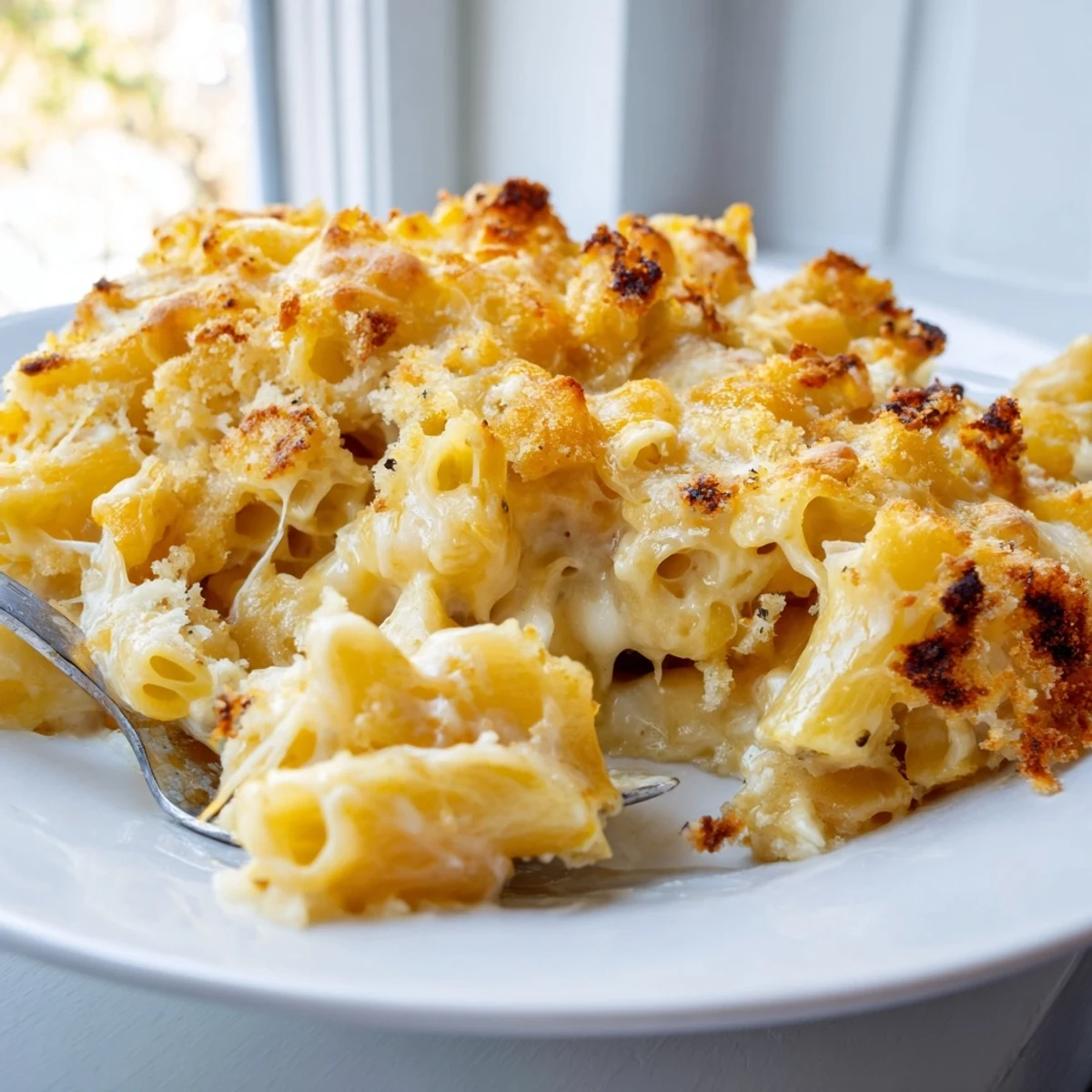
Save There is something quietly magical about pulling a baking dish of macaroni cheese from the oven and watching people instinctively gather closer. It has become my unofficial gauge for whether a gathering is going well.
Serving Ideas That Work Beautifully
A crisp green salad with a sharp vinaigrette cuts through the richness perfectly. Roasted vegetables on the side add color and make the meal feel complete without much extra effort. A chilled glass of Chardonnay beside it turns a weeknight dinner into something that feels oddly special.
Ways to Make It Your Own
A pinch of nutmeg stirred into the sauce adds a warm background note that most people will not be able to name but will absolutely notice. You could swap half the cheddar for Monterey Jack or mozzarella if you want a softer, stretchier texture. Cooked bacon bits folded in at the end are never a bad decision if you are not keeping it vegetarian.
Tools and Allergen Notes Worth Mentioning
You really only need a large pot, a saucepan, a whisk, a baking dish, a colander, and a couple of mixing bowls to pull this off. Keep in mind this recipe contains milk, wheat, and gluten, so adjust accordingly for anyone with sensitivities.
- Always check labels on processed ingredients like breadcrumbs for hidden allergens.
- Gluten free flour blends work in the roux if you need to adapt for wheat free diets.
- Dairy free butter and milk alternatives can work, though the sauce will taste noticeably different.
 Save
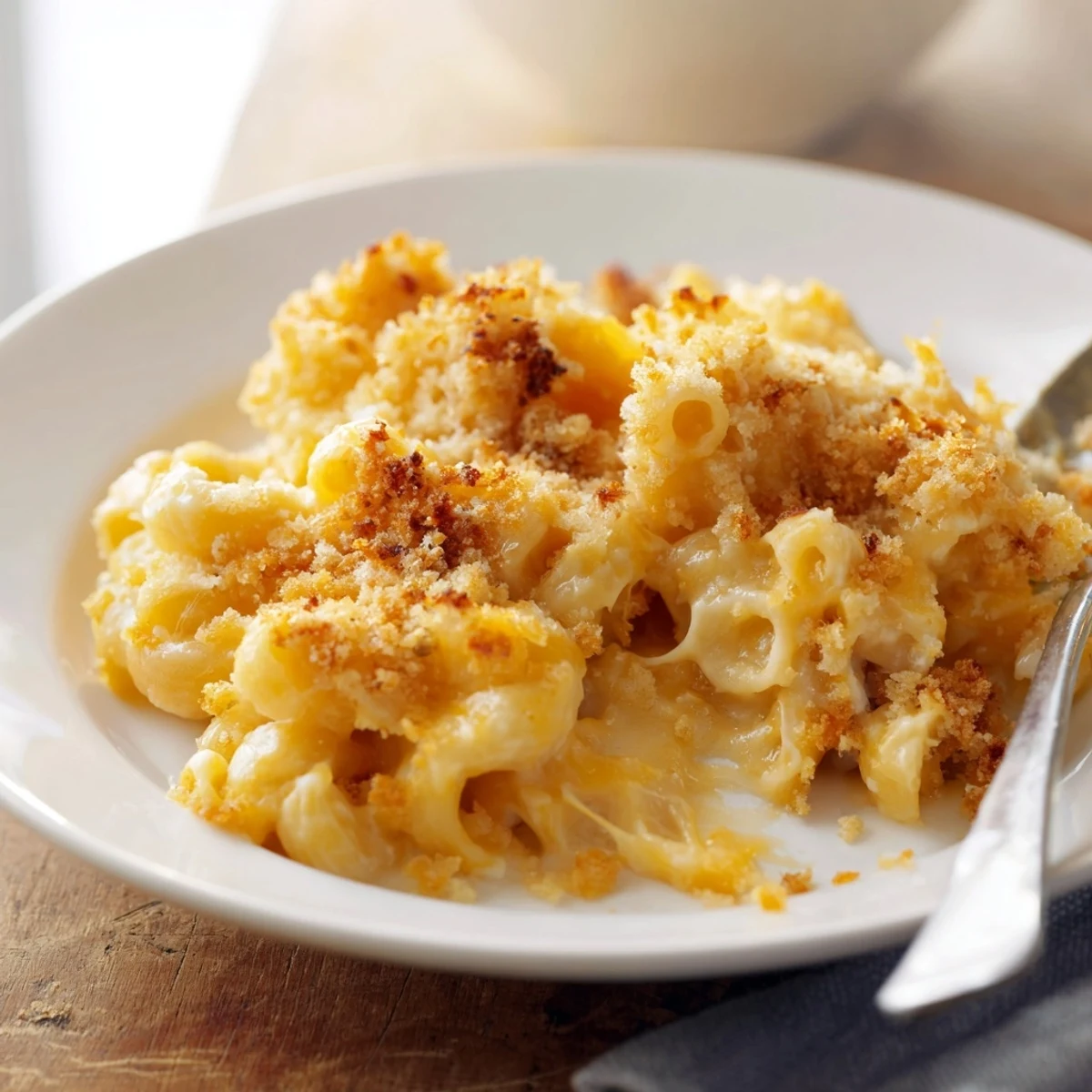
Save Make this once and it will become one of those recipes you reach for without thinking. That first spoonful of creamy, cheesy pasta under a crunchy golden lid is honestly all the convincing you will ever need.
Recipe Questions & Answers
- → Can I use a different type of pasta?
-
Absolutely. While macaroni is traditional, any short pasta shape like penne, fusilli, or shells works well. The key is choosing shapes with nooks and crannies that hold onto the cheese sauce effectively.
- → Why use Gruyère alongside cheddar?
-
Gruyère adds a nutty, complex flavour and melts exceptionally smoothly. Combined with sharp cheddar, it creates a more layered and sophisticated cheese sauce than using cheddar alone.
- → How do I prevent the cheese sauce from going grainy?
-
Always remove the saucepan from the heat before adding the cheese. Stir gently until melted rather than boiling, as high heat causes the proteins in cheese to separate and become grainy.
- → Can I prepare this ahead of time?
-
Yes, you can assemble the dish completely, cover it tightly, and refrigerate for up to 24 hours before baking. Add an extra 5 to 10 minutes to the baking time if cooking straight from the fridge.
- → What is the purpose of Dijon mustard in the sauce?
-
Dijon mustard acts as a flavour enhancer rather than adding heat. It brings out the savoury notes in the cheese and adds subtle depth without making the dish taste like mustard at all.
- → How should I store and reheat leftovers?
-
Store leftovers in an airtight container in the refrigerator for up to three days. Reheat in the oven at 180°C (350°F) until warmed through, or microwave individual portions with a splash of milk to restore creaminess.