
 Save
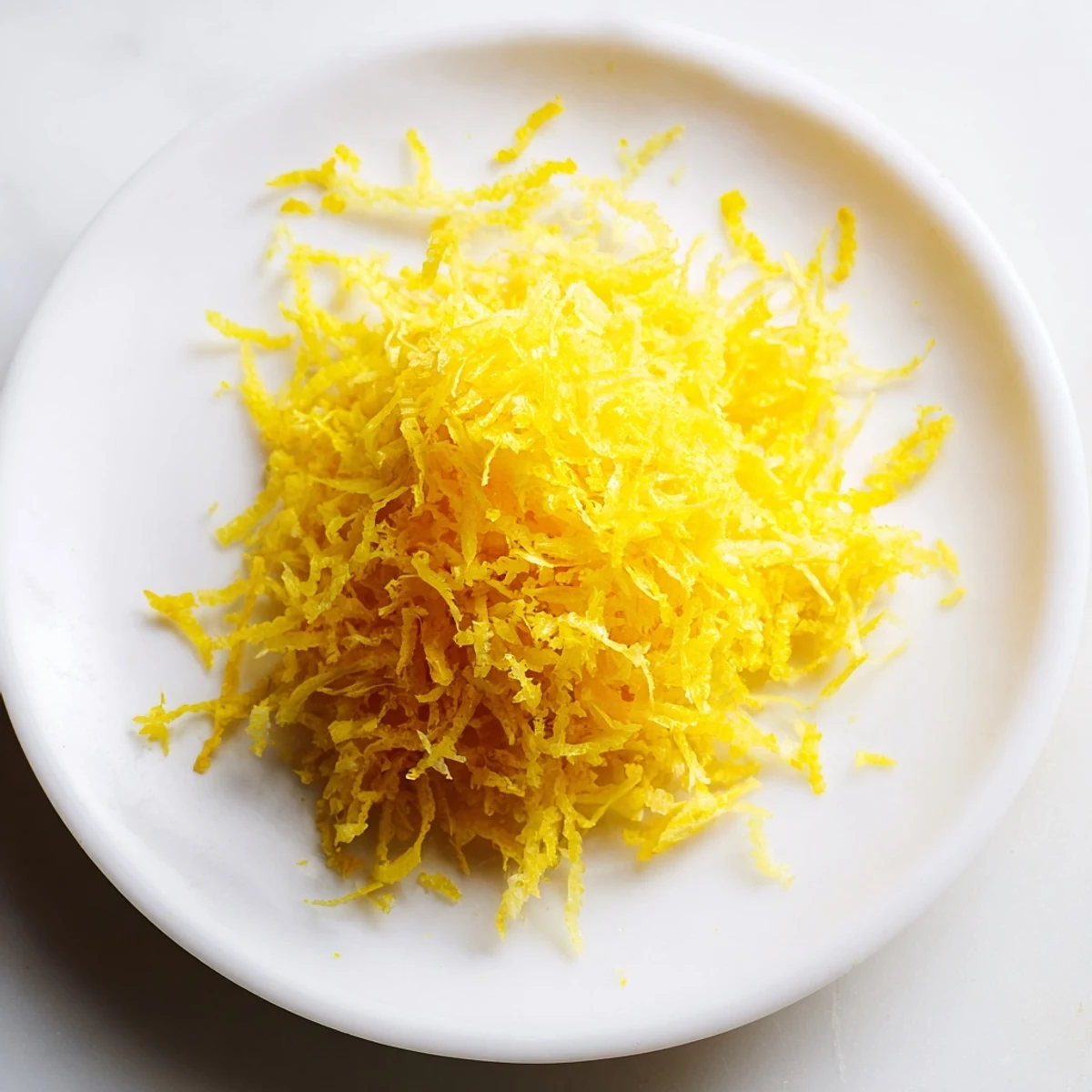
Save Grated lemon zest offers a fragrant burst of citrus that lifts both sweet and savory creations. Using a fine grater, gently remove only the yellow outer layer, avoiding the bitter white pith. It can be used fresh for maximum aroma or stored briefly in the refrigerator or freezer. Ideal for brightening salads, marinades, baked goods, and cocktails, lemon zest adds subtle complexity without overpowering other flavors. Substitute lime or orange zest for varied citrus accents.
I still remember the first time I truly understood the magic of lemon zest. I was standing in my kitchen on a rainy afternoon, trying to elevate a simple vanilla cake that felt flat and uninspired. A friend casually suggested I grab a microplane and zest a lemon right over the batter. That one bright, fragrant shower of yellow completely transformed everything—suddenly the cake smelled like sunshine, tasted alive, and made everyone at the table pause mid-bite to ask what made it so special. Since that moment, lemon zest has become my secret weapon in the kitchen, the ingredient I reach for whenever something needs a spark of brightness.
I'll never forget making lemon bars for my grandmother's birthday party and watching her take that first bite, her eyes lighting up as she asked what made them taste so extraordinary. It was the generous layer of zest folded into the filling—something I'd learned to do by accident when a microplane slip sent a cloud of zest into the bowl. That happy accident became the signature of every batch I've made since, and now everyone requests my version specifically.
Ingredients
- 1 medium organic lemon, washed and dried: Choose organic when possible because you'll be using the skin directly, and conventional lemons often have wax or chemical coatings. Look for lemons that feel heavy for their size—they'll have more juice and more aromatic oils in the zest. The microplane needs something firm to grip, so room-temperature lemons work best, never cold ones straight from the fridge.
Instructions
- Prepare your lemon:
- Wash your lemon thoroughly under cool running water and dry it completely with a clean cloth. This is non-negotiable—you're going to use the skin, so remove any dirt, residue, or wax coating. Feel the lemon in your hands; you want it to be completely dry because moisture makes zesting messy.
- Position your microplane:
- Hold your microplane at a slight angle over a small bowl or plate, gripping it firmly but comfortably. The angle matters more than you'd think—about 45 degrees gives you the best control and prevents the zest from flying everywhere. A friend once held it straight up and the zest scattered across her entire stovetop; learn from her mistake.
- Zest with intention:
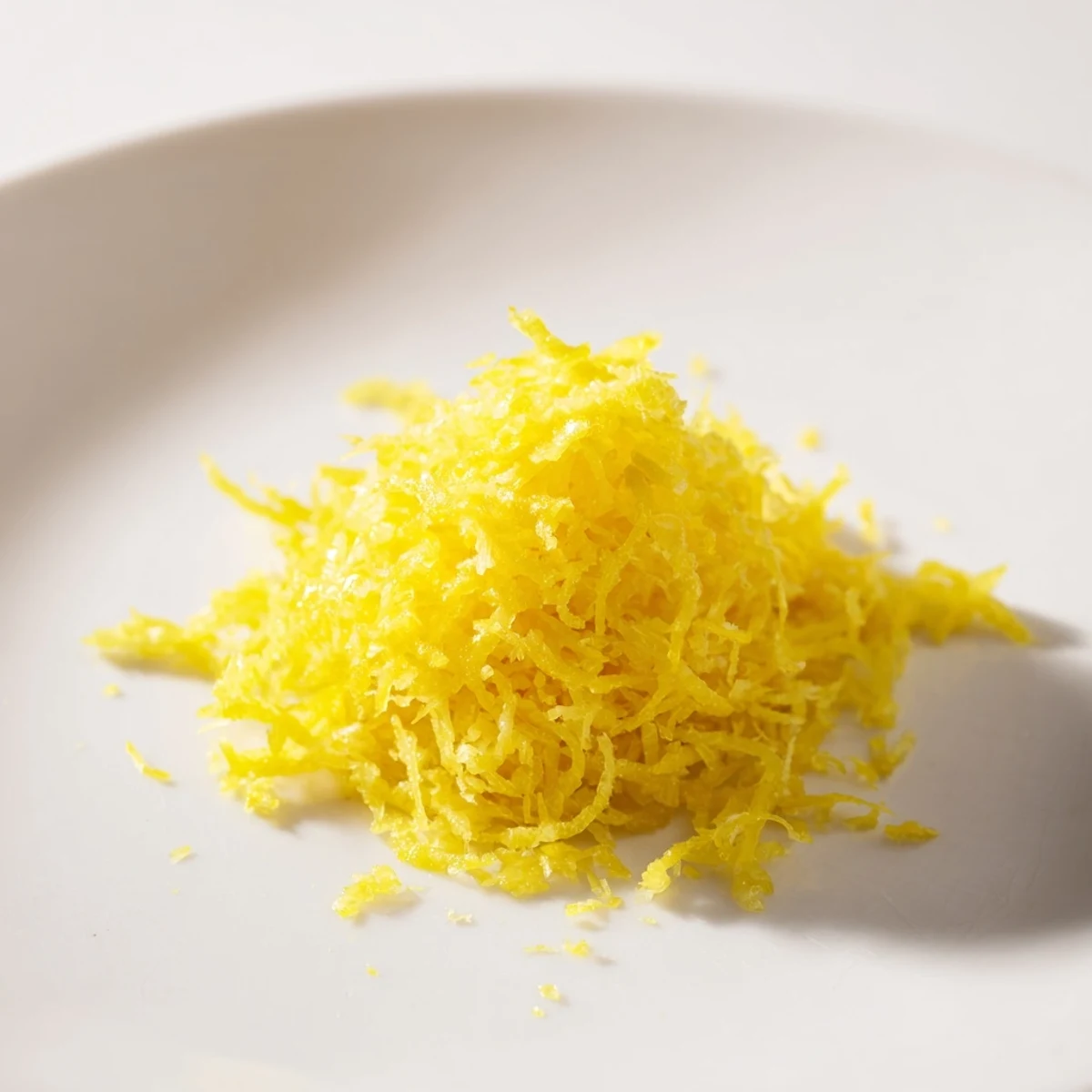
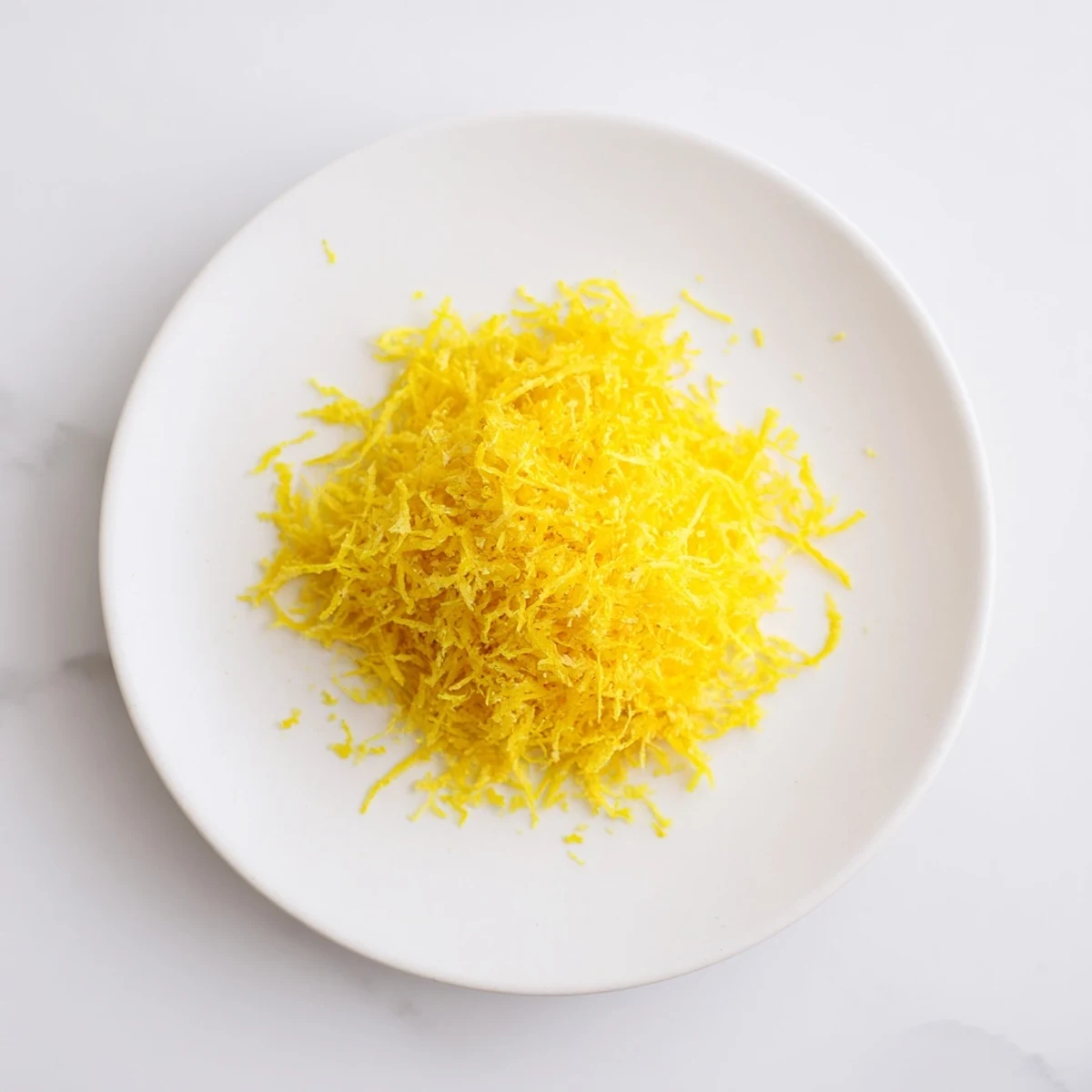
- Using light, downward strokes, gently grate only the bright yellow outer layer of the lemon skin. You're looking for paper-thin curls of zest, not shavings. The moment you feel resistance or start seeing white, you've reached the bitter pith—stop immediately. This is where patience matters. Slow, gentle strokes beat aggressive ones every single time.
- Rotate and repeat:
- Rotate the lemon slightly after each stroke, working your way around until you've covered the entire surface. You'll be amazed how much fragrant zest comes from just one medium lemon. The smell building up in that bowl is incredible—that's the sign you're doing it right.
- Use or store:
- If you're using it immediately, sprinkle it directly into your dish in the final minutes of cooking or right before serving—this preserves the maximum brightness and aroma. For storage, transfer to an airtight container and refrigerate for up to three days, or freeze in a sealed bag for up to three months. Frozen zest works beautifully in baked goods and cooked dishes.
 Save
Save There was this moment during a dinner party when I zested a lemon directly over a delicate whitefish, and my grandmother—who never gets excited about cooking—leaned over and said, 'That smell right there, that's what people taste before they taste anything else.' She was right. Lemon zest became more than just an ingredient that night; it became the invisible thread connecting the food to the memory of that gathering.
Why Lemon Zest Changes Everything
Lemon zest is pure essential oil from the lemon skin—it carries all the brightness and fragrance that the juice alone cannot deliver. While juice adds acidity, zest adds aroma and that intangible quality that makes people stop and ask what you've done differently. This is why professional bakers and chefs reach for it instinctively. It's the secret ingredient hiding in plain sight in the best recipes you've ever tasted. The aromatic compounds in zest are volatile, meaning they fade quickly once exposed to air and heat, so the closer you use it to when you zest it, the more magical the impact.
The Tools That Matter
A microplane is a kitchen investment worth making. It's a specialized grater designed for exactly this task, and once you've used one, you'll wonder how you ever lived without it. The fine, sharp teeth create delicate curls of zest instead of pulverizing it, which means you get maximum flavor and beautiful presentation. If you don't have a microplane, a fine box grater works in a pinch, but you'll notice the difference immediately—the zest will be slightly less delicate and the experience less joyful. Small tools in the kitchen matter more than people realize.
Using Lemon Zest Across Your Kitchen
Lemon zest belongs in more places than you might expect. Dust it over avocado toast just before eating for a brightness that makes the whole thing sing. Stir it into softened butter to create a compound butter for fish or vegetables. Fold it into cookie doughs and cake batters where it distributes evenly and delivers flavor throughout. Rim a cocktail glass with zest for visual appeal and aromatic introduction. Sprinkle it over roasted vegetables in the final moments to add a burst of freshness that makes people taste the vegetables differently. Add it to marinades for chicken or seafood where it'll infuse the protein with subtle citrus notes. The possibilities expand once you truly understand what zest can do.
- Always zest before you juice the lemon—once you've juiced it, zesting becomes nearly impossible
- Store your microplane in an accessible place so you remember to use it; out of sight becomes out of mind with kitchen tools
- Experiment with lime and orange zest too, but understand that lemon is the gateway zest that opens your eyes to all the others
 Save
Save Lemon zest taught me that the smallest kitchen techniques can deliver the biggest flavor rewards. Every time you reach for that microplane, you're choosing to make something better with almost no effort.
Recipe Questions & Answers
- → How do you extract lemon zest properly?
-
Use a fine grater or microplane to gently remove the yellow outer layer of the lemon skin, avoiding the bitter white pith underneath for best flavor.
- → Can lemon zest be stored, and if so, how?
-
Yes, freshly grated zest can be stored in an airtight container in the refrigerator for up to 3 days or frozen for longer preservation.
- → What dishes benefit from lemon zest?
-
Lemon zest enhances cakes, cookies, salads, marinades, and cocktails by adding fresh citrus aroma and flavor.
- → Is it better to zest before serving or during cooking?
-
Zesting directly over dishes just before serving maximizes aroma, but it can also be incorporated during preparation for subtle flavor infusion.
- → Are there alternatives to lemon zest for a similar effect?
-
Lime or orange zest can be used as substitutes to offer different citrus profiles and aromatic nuances.
- → Are there any allergen concerns with lemon zest?
-
Lemon is generally not an allergen, but washing the fruit thoroughly is recommended to remove any residues or waxes.