
 Save
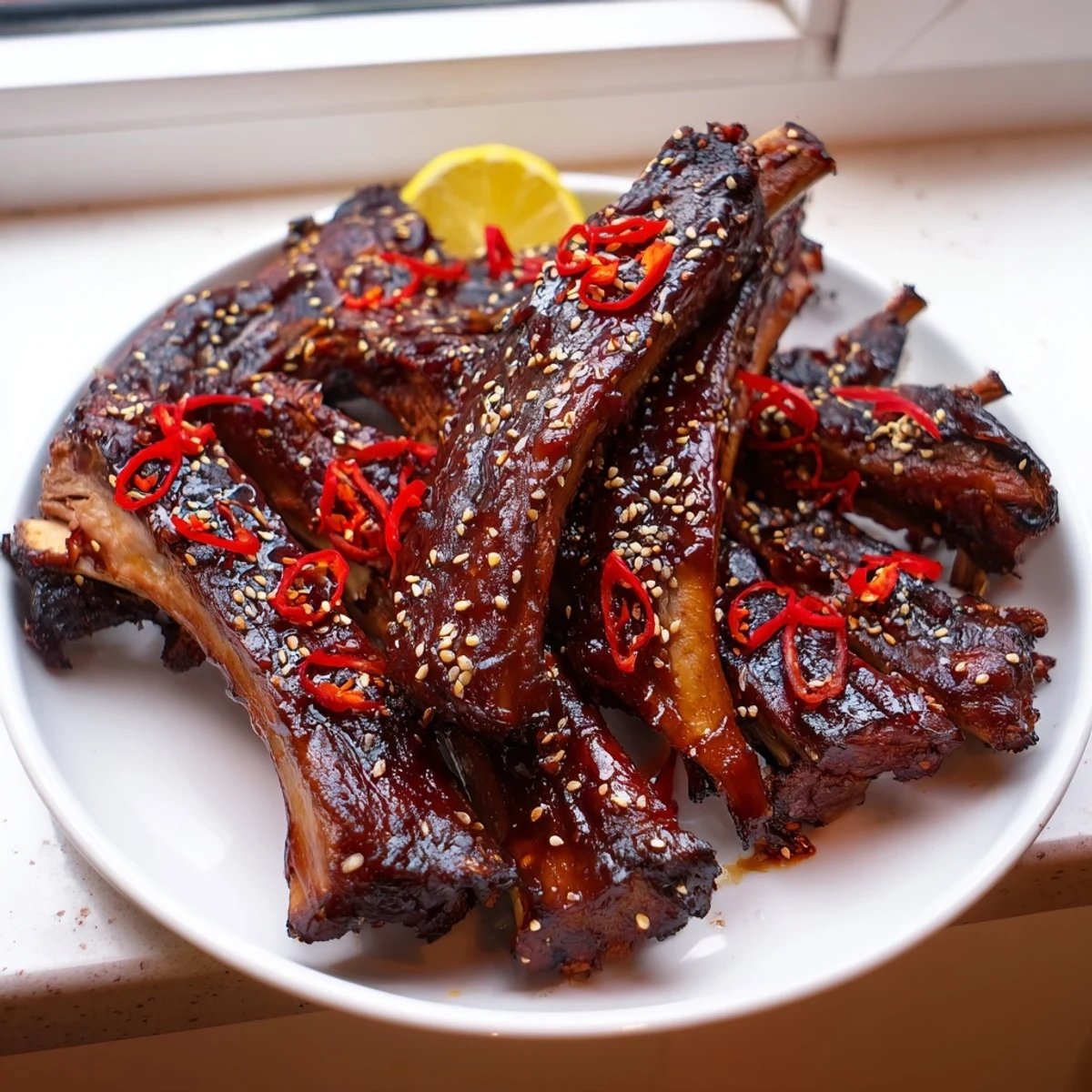
Save These Korean BBQ lamb ribs are marinated in a bold blend of gochujang, soy sauce, sesame oil, honey, garlic, and ginger until deeply flavorful. Slow-roasted then finished on a hot grill for that irresistible caramelized char.
The yuzu squeeze at the end cuts through the richness with its unique floral citrus brightness, balancing every bite. Serve with steamed rice and kimchi for a complete Korean fusion spread that feeds four.
The sizzle of lamb ribs hitting a scorching grill is a sound that instantly pulls me back to a rainy Tuesday evening when I decided Koreancuisine deserved a place at my barbecue table. The smell of gochujang caramelizing against rendered fat filled my tiny kitchen and drifted out the window, prompting a neighbor to knock and ask what on earth I was cooking. That night changed my entire approach to grilling, and the bright pop of yuzu at the end felt like a secret I had stumbled into by accident. I have been making these ribs ever since, tweaking the marinade each time until it became something I can practically prepare with my eyes closed.
My brother in law, a man who proudly claims he does not eat lamb, polished off an entire rack at a family cookout last summer and then asked for the recipe before he even wiped his fingers clean. I watched him go back for seconds without a trace of hesitation, sesame seeds stuck to his chin, and I knew this dish had earned a permanent spot in my rotation. Moments like that are the reason I keep a jar of gochujang in my fridge at all times.
Ingredients
- Lamb ribs (1.5 kg): Ask your butcher for ribs with good fat coverage because that marbling is what keeps them juicy through the long roast.
- Soy sauce (4 tablespoons): Use a gluten free tamari if needed, and choose a naturally brewed brand for deeper umami.
- Gochujang (2 tablespoons): This fermented Korean chili paste is the backbone of the marinade and worth seeking out at any Asian grocery.
- Sesame oil (2 tablespoons): Toasted sesame oil delivers a nutty warmth that raw sesame oil cannot replicate here.
- Honey (2 tablespoons): The honey helps the marinade caramelize under high heat, creating that gorgeous sticky glaze.
- Garlic (4 cloves, minced): Fresh garlic matters because the pre minced jars lose the sharp bite that balances the sweetness.
- Fresh ginger (2 tablespoons, grated): Grate it finely so it melts into the marinade rather than leaving stringy bits on the meat.
- Rice vinegar (1 tablespoon): A mild acidity that tenderizes without overpowering the other flavors.
- Brown sugar (1 tablespoon): Works alongside the honey to build a deep, molasses tinged sweetness in the crust.
- Black pepper (1 teaspoon, freshly ground): Freshly cracked pepper adds a gentle heat that complements the gochujang beautifully.
- Spring onions (2, finely chopped): These go directly into the marinade and soften during cooking to release a mild onion sweetness.
- Fresh yuzu or yuzu juice (1 fruit or 3 tablespoons): If yuzu is unavailable, half lemon juice and half lime juice is the closest substitute I have found.
- Toasted sesame seeds (1 tablespoon): Toast them yourself in a dry pan for maximum fragrance and crunch.
- Spring onions for garnish (2, thinly sliced): Keep these raw for a fresh, crisp finish against the hot ribs.
- Red chili (1, finely sliced, optional): For those who want an extra fiery kick on top of the gochujang heat.
Instructions
- Build the marinade:
- In a large bowl, whisk together the soy sauce, gochujang, sesame oil, honey, garlic, ginger, rice vinegar, brown sugar, pepper, and chopped spring onions until the mixture is smooth and fragrant. Taste it on your fingertip and adjust the balance of sweet and heat to your liking.
- Coat the ribs:
- Place the lamb ribs in a large resealable bag or a shallow dish and pour the marinade over them, massaging it into every crevice and curve. Let them rest in the refrigerator for at least one hour, though overnight transforms the flavor into something genuinely extraordinary.
- Set up the slow roast:
- Preheat your oven to 160 degrees Celsius (320 degrees Fahrenheit) and line a baking sheet with foil, then set a wire rack on top to allow the heat to circulate underneath the ribs. Arrange the marinated ribs on the rack and save every last drop of leftover marinade for basting.
- Roast low and slow:
- Slide the ribs into the oven and roast for one full hour, pulling them out halfway through to baste generously with the reserved marinade so the flavor builds layer by layer. The kitchen will start to smell incredible around the thirty minute mark.
- Char and caramelize:
- Fire up your grill or broiler to high heat and transfer the ribs over direct flame for three to five minutes per side, watching closely until the edges bubble and darken into a sticky, slightly charred crust. This step happens fast, so stay right there with tongs in hand.
- Finish with brightness:
- Remove the ribs from the heat and immediately squeeze fresh yuzu juice over the glistening surface, then scatter toasted sesame seeds, thinly sliced spring onions, and chili if you are using it. Serve hot with extra yuzu wedges alongside.
 Save
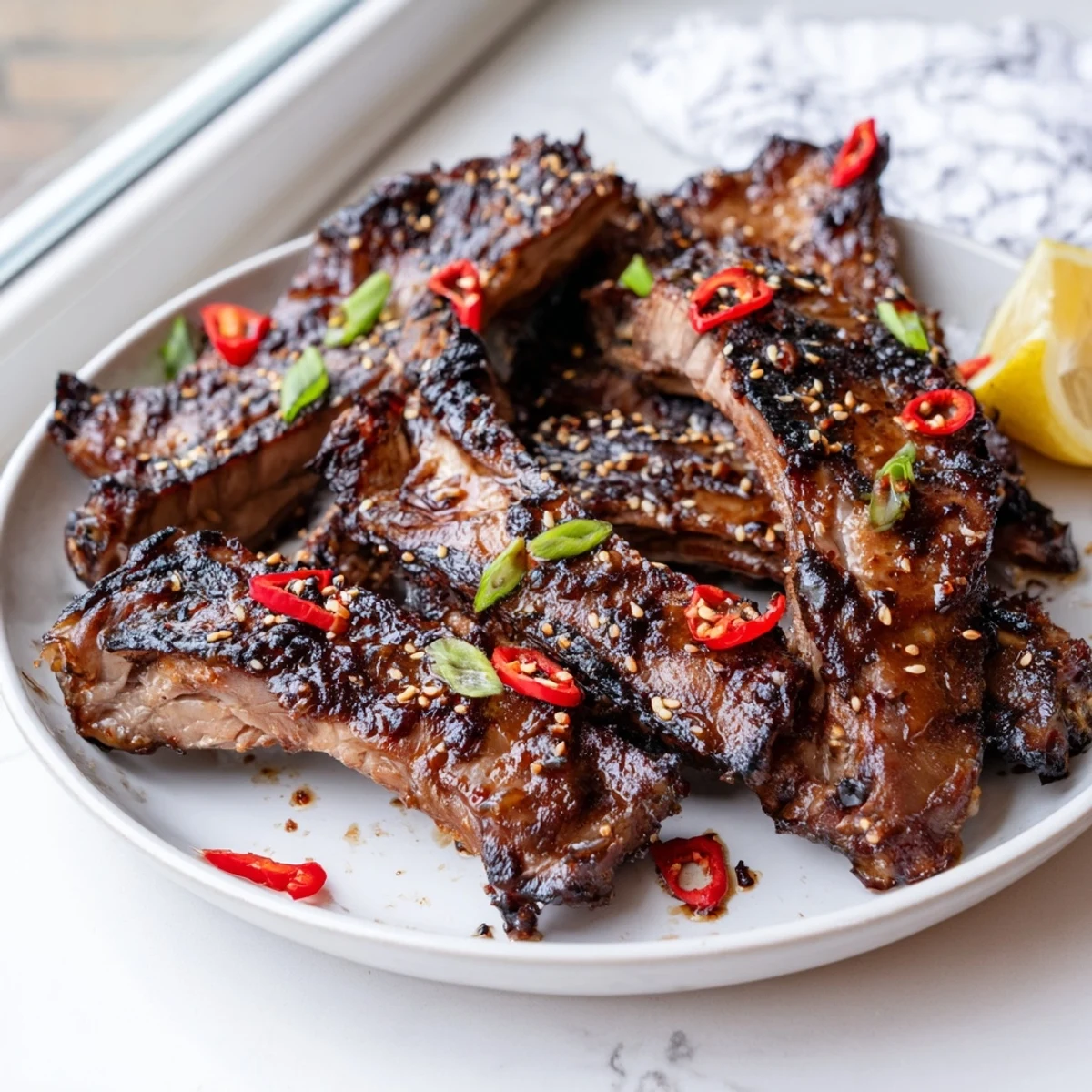
Save Serving these ribs on a battered old cutting board in the backyard while the sun went down remains one of my favorite cooking memories, surrounded by friends reaching in with their hands and tearing meat off the bone without ceremony. The yuzu squeeze at the end always gets a reaction, a little jolt of surprise followed by contented silence. Food like this does not need plating or pretense to feel special.
What to Serve Alongside
Steamed white rice is the obvious companion here because it soaks up the sticky marinade runoff and cools the palate between bites. A simple plate of kimchi adds fermented crunch that plays beautifully against the richness of the lamb, and grilled vegetables with a light sesame dressing round out the meal without competing for attention.
Handling the Heat
Gochujang varies wildly in intensity depending on the brand, so if you are serving this to heat sensitive guests, start with one tablespoon in the marinade and offer extra on the side. The brown sugar and honey provide enough sweetness to temper moderate heat, but nothing rescues a dish that has gone past the comfort zone of your guests.
Leftovers and Reheating
These ribs reheat surprisingly well in a low oven wrapped loosely in foil, which keeps them from drying out while bringing the fat back to a palatable temperature. Cold leftovers pulled straight from the refrigerator make a phenomenal midnight snack, eaten with your fingers over the sink, which I say from extensive personal experience.
- Store leftover ribs in an airtight container in the refrigerator for up to three days.
- Never microwave them unless you enjoy chewy, rubbery lamb.
- Always reheat gently and add a fresh squeeze of yuzu to wake the flavors back up.
 Save
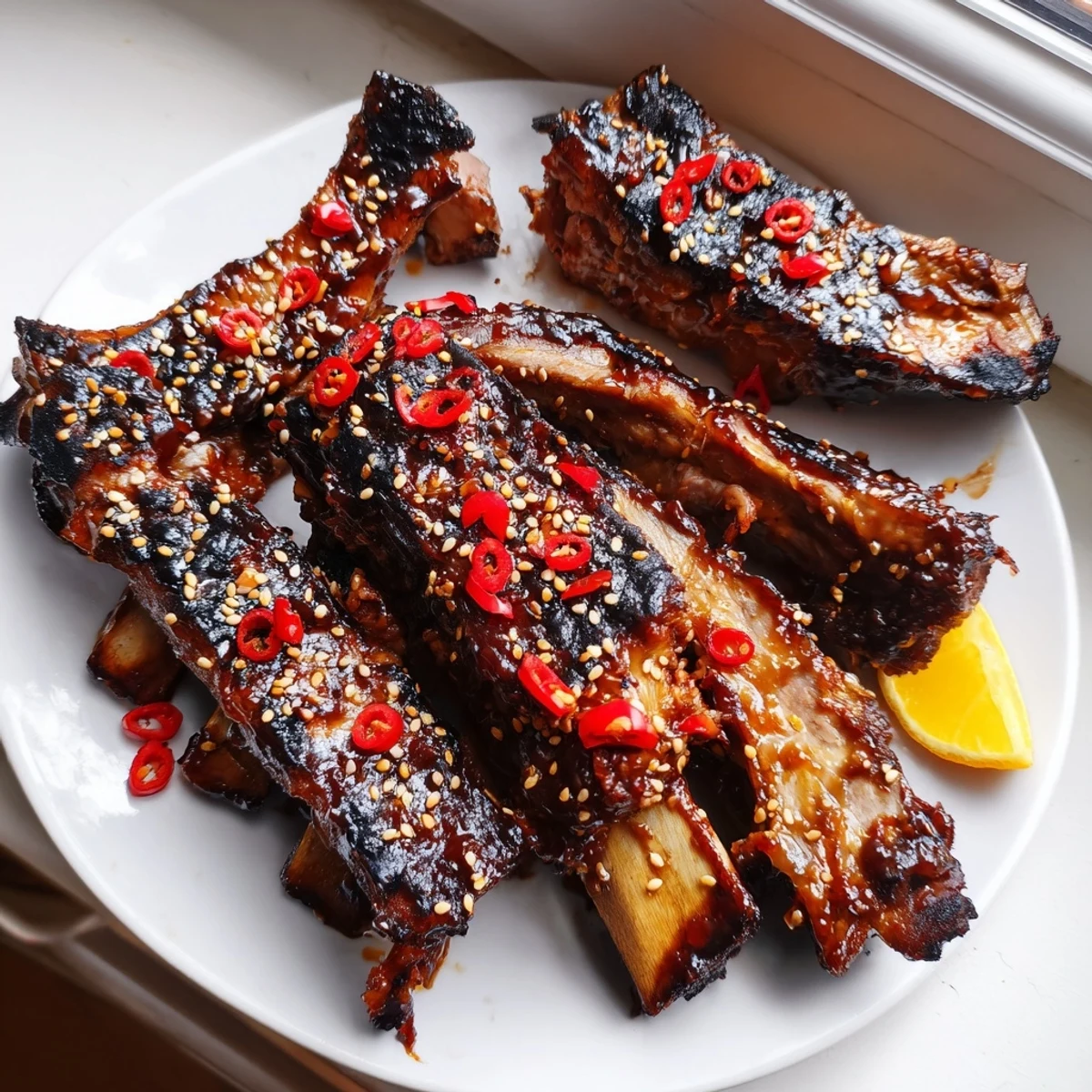
Save Cooking these Korean BBQ lamb ribs is less about perfection and more about the joyful mess of sticky fingers, bold flavors, and the people gathered around your table waiting for that final yuzu squeeze. Trust the process and enjoy every caramelized bite.
Recipe Questions & Answers
- → Can I marinate the lamb ribs for less than an hour?
-
While one hour is the minimum, overnight marinating in the refrigerator delivers far deeper flavor penetration. The gochujang and soy sauce need time to work into the meat fibers for the best results.
- → What can I substitute for yuzu?
-
A 50/50 blend of fresh lemon and lime juice closely mimics yuzu's floral, tangy character. Meyer lemon alone is another solid alternative if you want a slightly sweeter citrus note.
- → Can I cook these ribs entirely on the grill?
-
Yes, use indirect heat at medium-low for about 1 hour, then finish over direct high heat for 3-5 minutes per side. The two-stage method ensures tender meat with a caramelized exterior without burning the sugary marinade.
- → How do I make this dish gluten-free?
-
Use a certified gluten-free soy sauce or tamari. Double-check your gochujang label, as some brands contain wheat. All other marinade ingredients are naturally gluten-free.
- → What side dishes pair well with these lamb ribs?
-
Steamed jasmine or short-grain rice, spicy kimchi, pickled radish, and grilled scallions are classic companions. A simple cucumber salad with sesame dressing also refreshes the palate between bites.
- → Can I use baby back ribs instead of lamb ribs?
-
Pork baby back ribs work with the same marinade and cooking method. Adjust roasting time slightly, as pork ribs may need 1.5 hours at 160°C to reach ideal tenderness.