
 Save
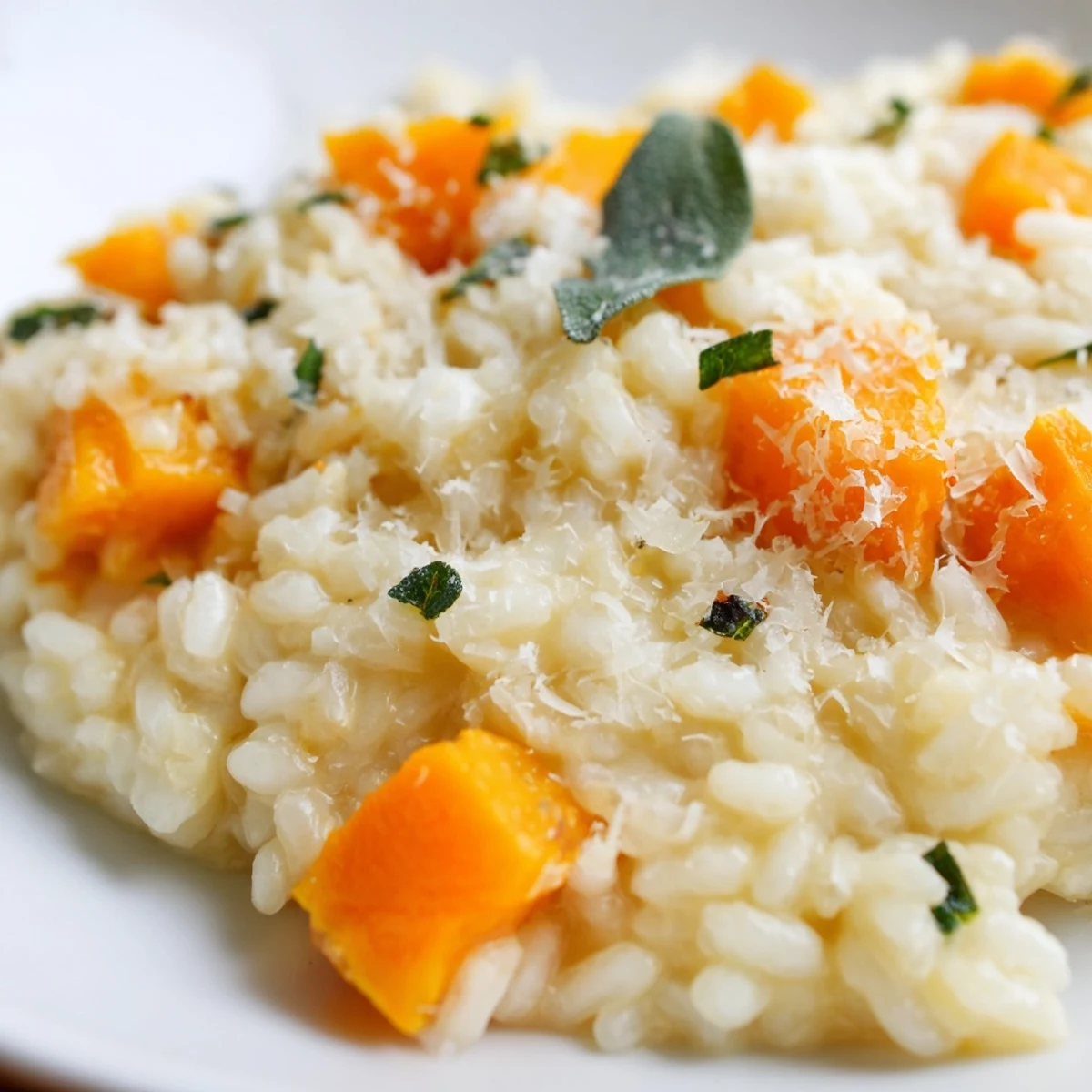
Save This comforting dish combines tender winter squash with fresh sage and nutty Parmesan cheese, simmered to creamy perfection. Arborio rice absorbs warm vegetable broth, enhanced by a touch of white wine and butter, creating a rich texture. The balance of earthy squash, fragrant herbs, and savory cheese makes it ideal for cozy dining. Simple preparation and medium cooking time yield a satisfying, flavorful main course suitable for gatherings or quiet nights.
There's something about the first truly cold evening of the year that makes me crave risotto. I was standing in the farmer's market in late October, holding a butternut squash that felt warm from the sun, when a vendor started talking about how sage and squash were made for each other. That conversation stuck with me, and I went home determined to create something that would fill my kitchen with steam and comfort. This risotto became the dish I make when I want to feel like I'm taking care of myself and everyone around my table.
I made this for my partner during the first week of November, right after they'd had a rough day at work. I remember standing at the stove, adding broth ladle by ladle, and how they came into the kitchen drawn by the smell of butter and sage. By the time we sat down to eat, the whole mood had shifted. That's when I knew this recipe was keeper—not just because it tastes good, but because it does something.
Ingredients
- Winter squash (butternut or acorn): The star that turns creamy and sweet as it breaks down—peel it while it's still firm and dice it smaller than you think you need to.
- Arborio rice: The short, starchy grains release into the broth and create that signature creaminess; don't be tempted by regular rice.
- Vegetable broth: Keeping it warm in a separate pot is the one non-negotiable step that saves you from cold spots in your risotto.
- Fresh sage: A handful of leaves torn by hand tastes more alive than chopped—use what you can find at your market.
- Parmesan: Always freshly grated, never the pre-shredded stuff that tastes like cardboard.
- White wine: Adds brightness and depth; a simple dry wine you'd actually drink is perfect.
- Butter: Two applications—one at the start for cooking, one at the end for silkiness—make this dish what it is.
Instructions
- Warm your broth and get organized:
- Pour the vegetable broth into a medium saucepan and keep it at a gentle simmer on the back of your stove. This warmth makes a real difference in how smoothly the risotto comes together.
- Start with the aromatics:
- Melt 2 tablespoons butter in your skillet over medium heat and add the finely chopped onion. Let it soften for about 3 minutes until it's golden and translucent—you're building flavor, not rushing.
- Add the garlic and squash:
- Stir in the minced garlic and cook for just a minute, then add the diced squash. Let it cook for about 5 minutes, stirring every so often, until it starts to soften at the edges and smell sweet.
- Toast the rice with sage:
- Add the Arborio rice and most of the sage to the pan and stir constantly for 2 minutes. You'll see the rice start to look slightly glossy and translucent at the edges—this toasting step is what makes risotto taste like risotto.
- Deglaze with wine:
- Pour in the white wine and stir until the liquid is mostly absorbed and the pan smells like dinner. This takes about 2 minutes and adds a quiet sophistication to every spoonful.
- Add broth, one ladle at a time:
- This is where patience becomes your ingredient. Add warm broth a ladle at a time, stirring frequently, and wait until each addition is mostly absorbed before adding the next. Keep going for about 20 to 25 minutes until the rice is creamy but still has a slight firmness when you bite it, and the squash is completely tender.
- Finish with butter, cheese, and cream:
- Remove from heat and stir in the remaining tablespoon of butter, the Parmesan, and the heavy cream if using. Season with salt and pepper to taste, then serve immediately with extra cheese and a whisper of fresh sage.
 Save
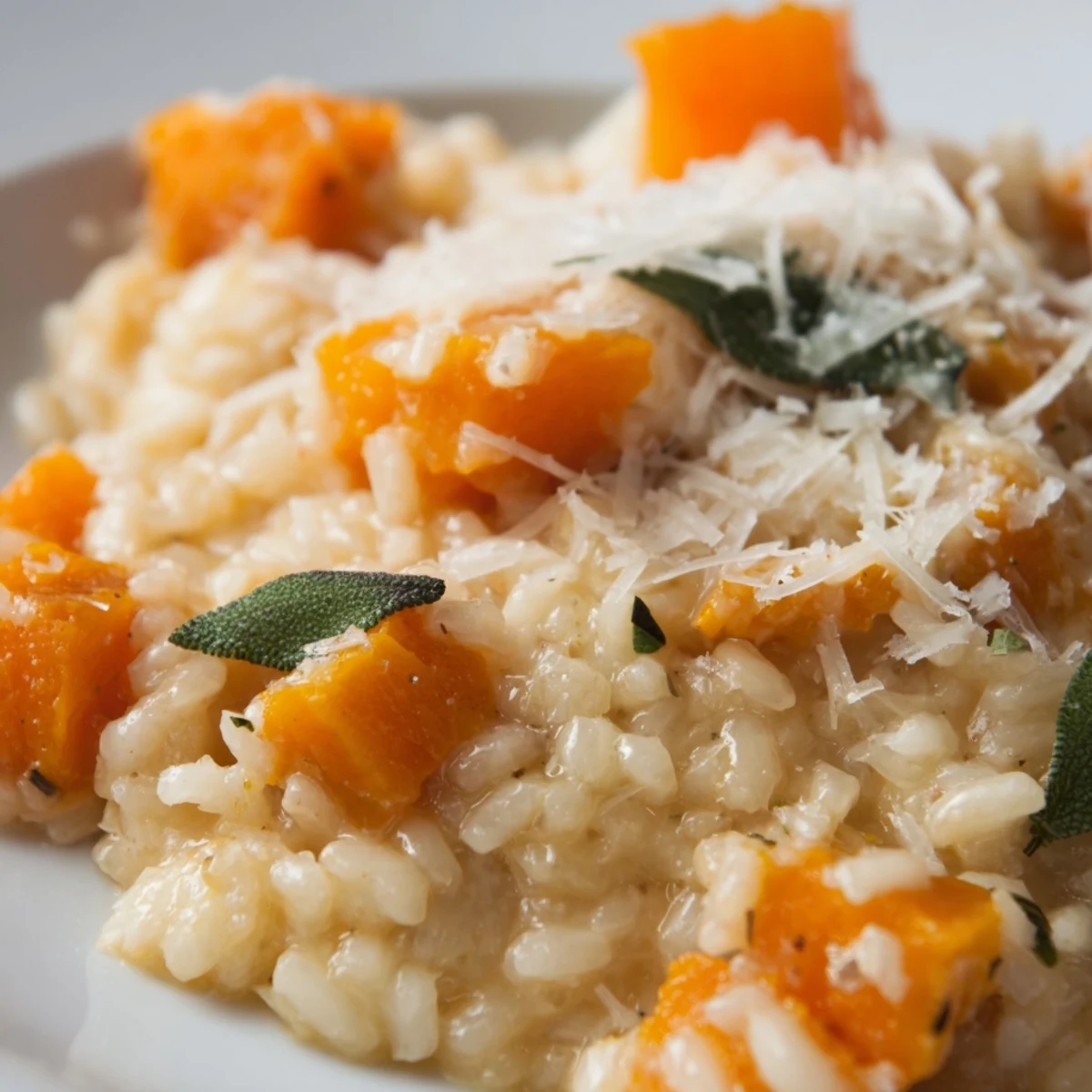
Save There was a moment last winter when a friend who usually eats everything plain surprised me by asking for seconds of this risotto, no modifications. I realized then that sometimes the simplest combinations—squash, sage, Parmesan—are simple because they work, and that making food people didn't expect to love is its own kind of magic.
Why This Risotto Feels Different
Risotto has a reputation for being fussy, but it's really just rice that gets to spend time in warm broth instead of being rushed. The squash melts into the dish so gradually that by the end, it's less an ingredient and more the entire foundation. The sage doesn't compete—it whispers through every bite, reminding you that you're eating something intentional.
Seasonality and Squash Selection
Winter squash season runs from September through March, and this is when risotto tastes most like home. Butternut squash has a sweeter, more familiar taste, while acorn squash brings earthiness. Kabocha is denser and less watery, so if you use it, cut the pieces slightly larger. The moment you smell that squash starting to caramelize at the edges is when you know the pan is working its magic.
Pairing, Storage, and Last Thoughts
Serve this with a glass of the same white wine you cooked with and a simple green salad dressed with sharp vinegar. Risotto is best eaten fresh, but any leftovers become a different creature—warm gently with a splash of broth, and you'll get something closer to creamy rice soup, which is lovely in its own way. On those nights when you need comfort that's also a little elegant, this is the dish that delivers.
- Stir constantly during the broth additions to help the rice release its starch and create the creamy texture.
- If the risotto seems too thick at the end, add a splash of warm broth or pasta water to loosen it.
- Always taste before serving and adjust salt and pepper—Parmesan adds salt, so taste first.
 Save
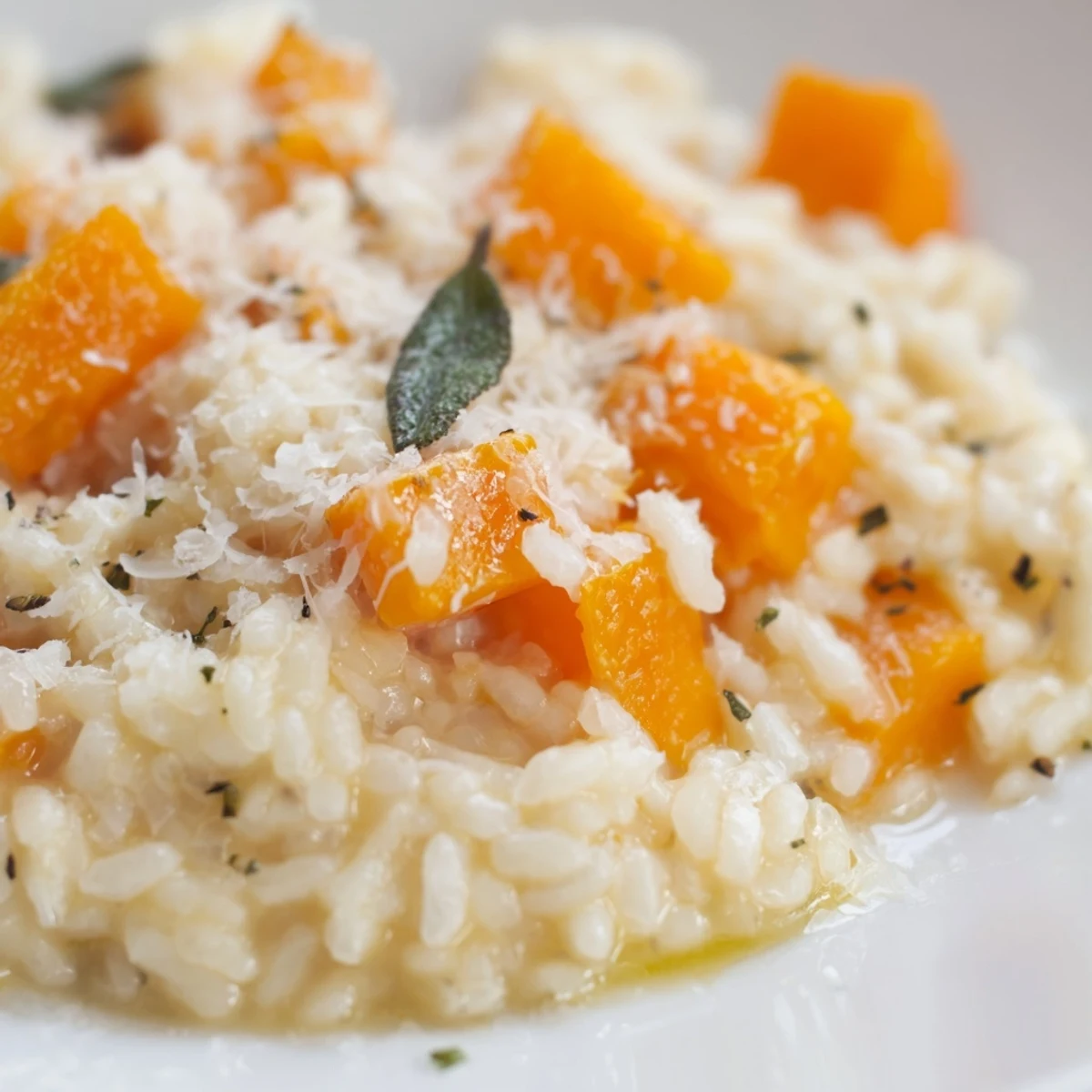
Save Risotto asks you to slow down and pay attention, and in return it gives you something warm and nourishing that tastes like you spent hours on it. Make this when you have time to stir, and you'll understand why it's become the first thing I reach for when the weather turns cold.
Recipe Questions & Answers
- → What type of squash works best?
-
Butternut or acorn squash provide tender texture and sweet flavor; kabocha and delicata are good alternatives.
- → Can I make this dish vegan?
-
Yes, substitute vegan butter and vegan cheese, and omit the cream for a plant-based version.
- → Why is white wine added?
-
White wine enhances depth and aroma, balancing creamy and earthy elements in the dish.
- → How do I achieve the perfect texture?
-
Stir frequently while gradually adding warm broth to ensure creamy, al dente grains and tender squash.
- → What herbs complement this dish?
-
Fresh sage is key, offering an aromatic, slightly peppery note that pairs well with Parmesan and squash.