
 Save
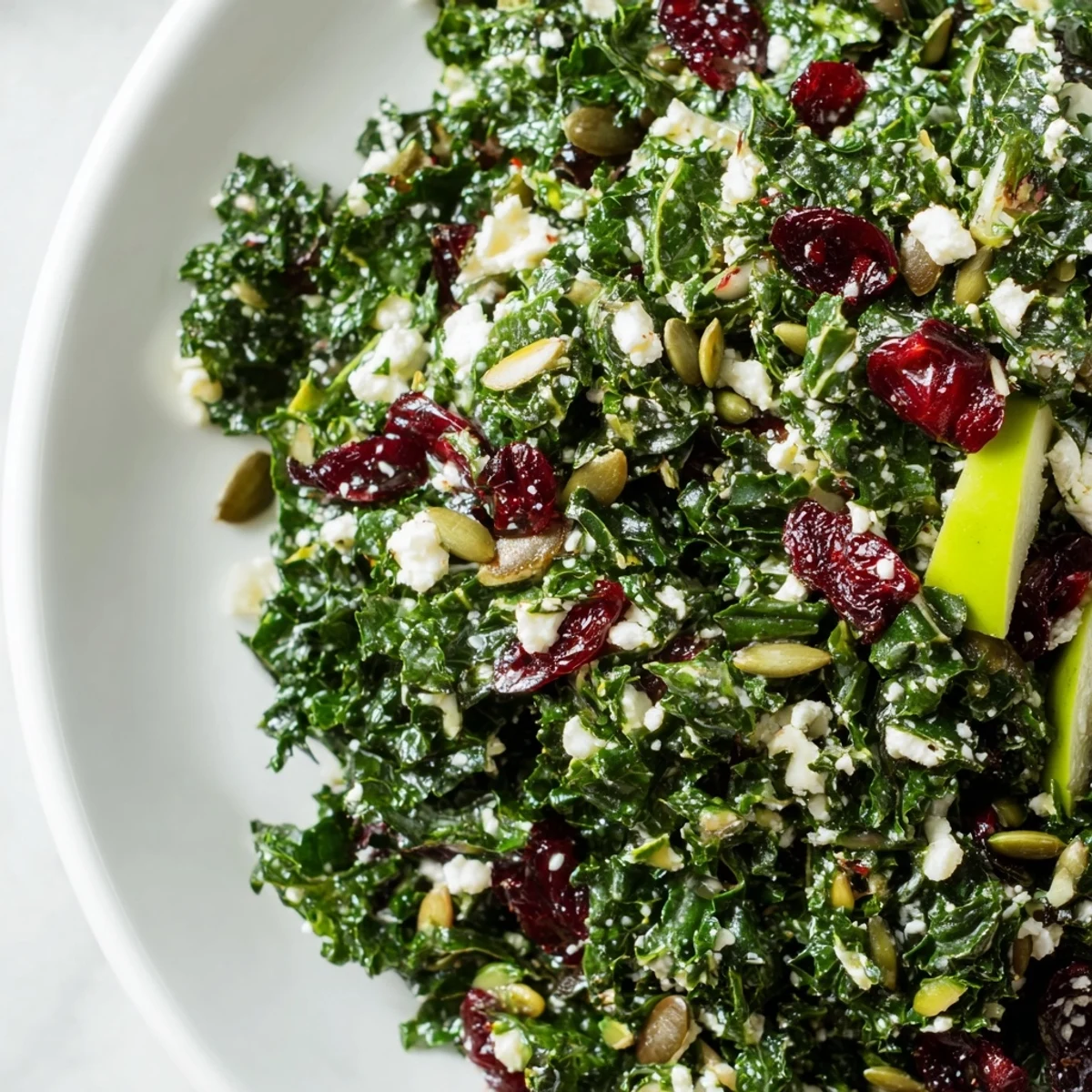
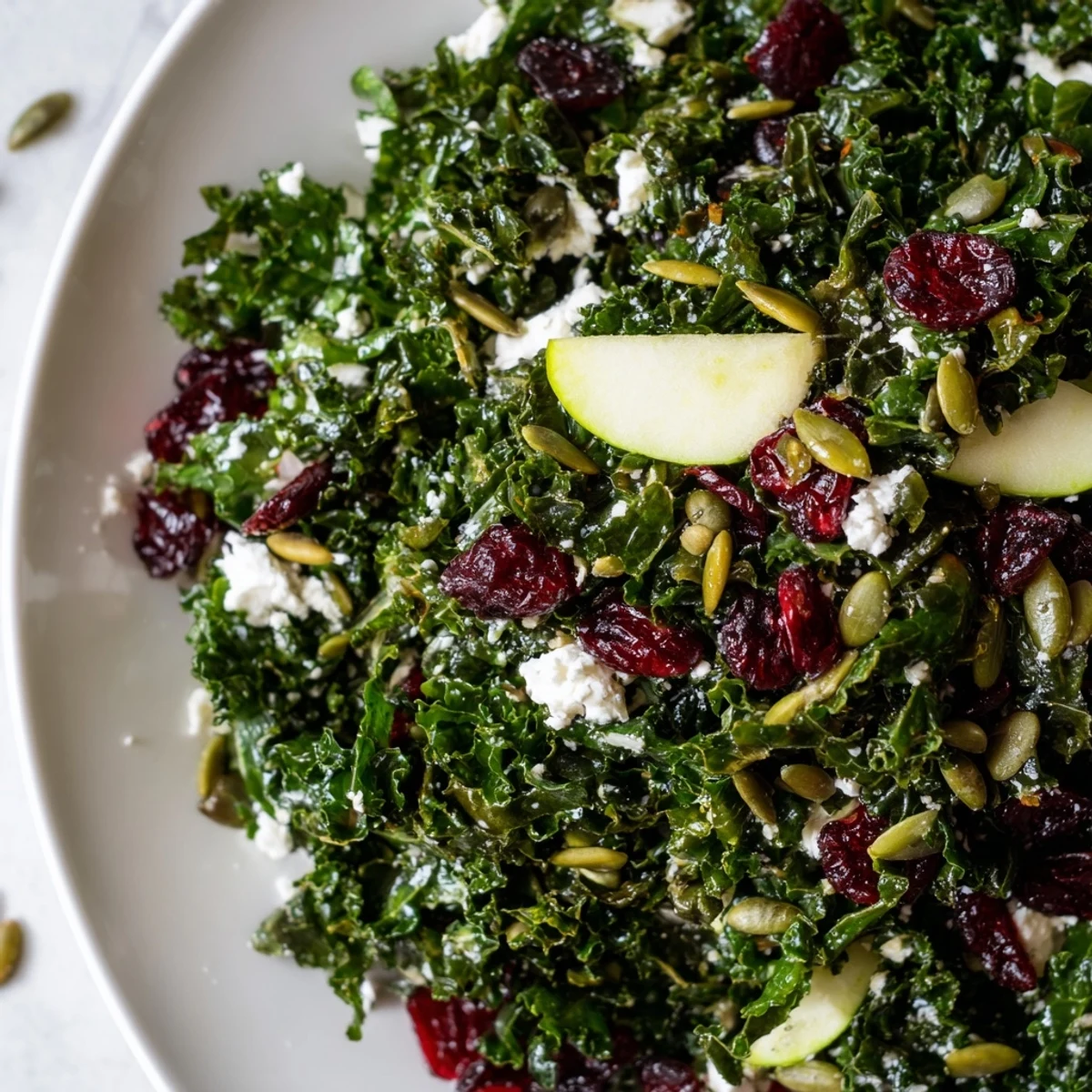
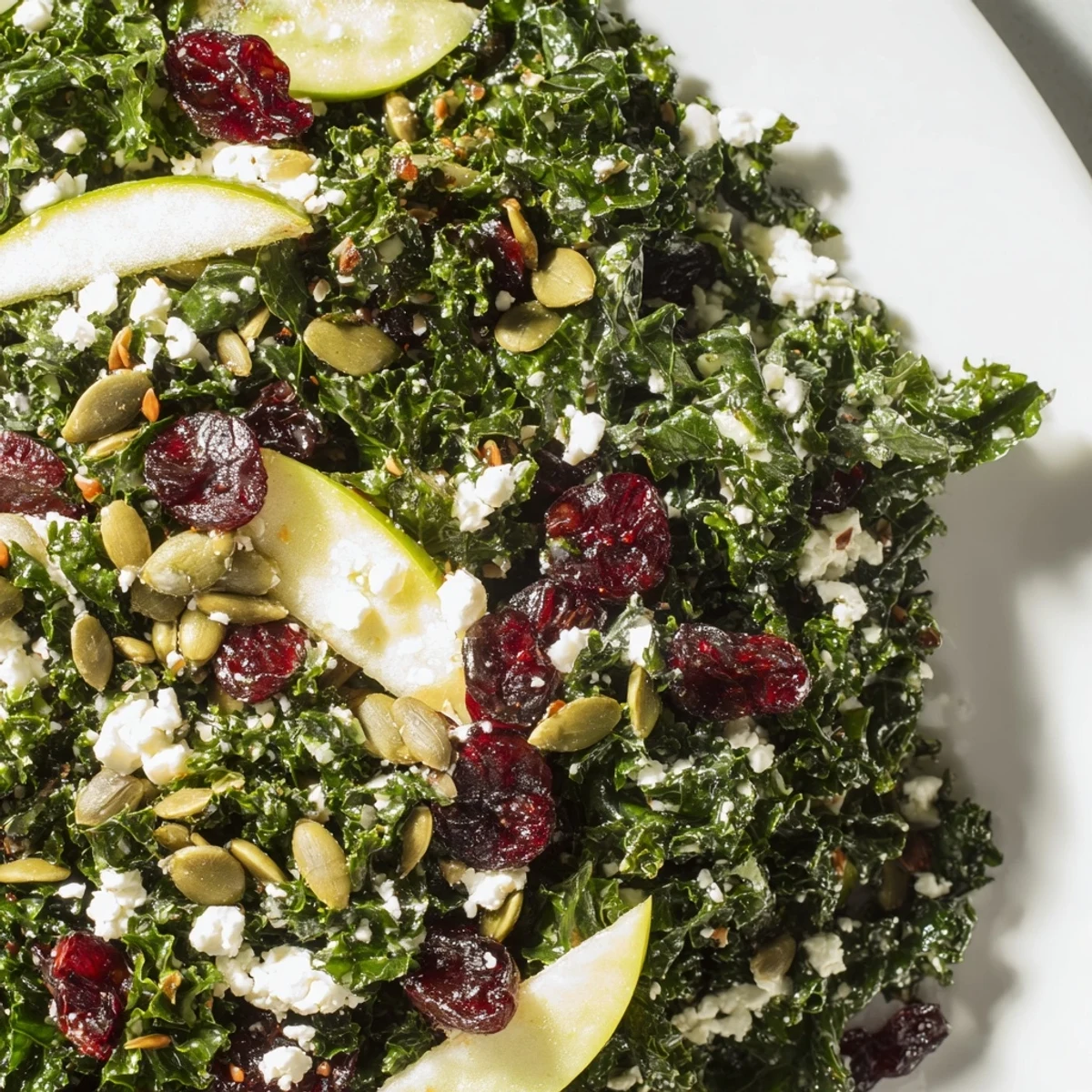
Save This winter kale preparation showcases tender, massaged kale paired with sweet dried cranberries and a mix of crunchy pumpkin and sunflower seeds. A bright citrus dressing made with lemon, orange juice, Dijon mustard, and maple syrup harmonizes the flavors. Quick to assemble in 15 minutes, it’s a nutrient-rich dish that balances freshness, texture, and zest, ideal for easy winter lunches or side dishes.
There's something about the smell of fresh kale hitting your cutting board that announces winter has actually arrived. I was standing in my kitchen one January afternoon, not quite ready to abandon salads the way most people do when temperatures drop, when I decided to transform kale into something that felt warm and indulgent despite its raw nature. The trick, I discovered, was pairing it with sweet and crunchy elements—the kind of salad that doesn't apologize for being vegetables. This has since become my go-to when I need something bright but substantial, something that feels like taking care of myself.
I made this for my sister one Sunday brunch when she was visiting and complaining that every salad she'd had that winter tasted like regret. Watching her take the first bite and then immediately go back for another forkful—that moment when she stopped talking and just ate—that's when I knew this salad had staying power. Now it's the dish she requests before she even arrives.
Ingredients
- Kale: One large bunch, stems removed and leaves finely chopped; the massage step is non-negotiable because it breaks down the cellular structure and makes the kale tender enough to enjoy raw.
- Apple: One small apple, cored and thinly sliced; the slight tartness and crisp texture provide contrast and the natural sweetness balances the earthiness of the greens.
- Red onion: Half a small one, thinly sliced; it adds a sharp bite that wakes up your palate, though you can reduce it if you prefer milder onion flavor.
- Dried cranberries: Half a cup; they're chewy and sweet, the primary vehicle for making this salad feel less austere than kale alone.
- Pumpkin seeds: One-third cup; toasted or raw, they add a nutty depth and satisfying crunch that makes the salad feel complete.
- Sunflower seeds: One-quarter cup; these contribute their own flavor note and extra texture dimension.
- Feta cheese: One-quarter cup crumbled, optional but recommended; it adds a salty, creamy element that makes everything taste more intentional.
- Extra-virgin olive oil: Three tablespoons; quality matters here because it's tasted directly in the dressing, not cooked away.
- Lemon juice: One tablespoon, freshly squeezed; bottled lemon juice will change the brightness noticeably, so this step is worth the effort.
- Orange juice: One tablespoon; adds subtle sweetness and aromatic complexity that pure lemon alone wouldn't provide.
- Dijon mustard: One teaspoon; it emulsifies the dressing and adds a gentle sharpness that ties the sweet and savory elements together.
- Maple syrup or honey: One teaspoon; this rounds out the acidity and helps the dressing feel balanced rather than aggressive.
- Salt and pepper: To taste; added at the end so you can adjust to your preference because different olives, apples, and oils will shift the seasoning needs slightly.
Instructions
- Soften the kale:
- Place your chopped kale in a large bowl, then drizzle with a splash of olive oil and a small pinch of salt. Using your hands, massage the kale for about a minute to a minute and a half, pressing and rubbing the leaves against themselves until they darken and become noticeably softer and more pliable. You'll feel the texture change under your fingers—that's exactly what you're looking for.
- Gather the components:
- Add the apple slices, red onion, dried cranberries, pumpkin seeds, sunflower seeds, and feta cheese if you're using it to the bowl with your now-softened kale. The salad components don't need to be perfectly mixed yet; just get them all into the same bowl so everything is ready for the dressing.
- Build the dressing:
- In a small bowl or jar, combine the olive oil, freshly squeezed lemon juice, orange juice, Dijon mustard, maple syrup, salt, and pepper. Whisk vigorously for about 30 seconds until the dressing emulsifies and becomes slightly thicker and creamier in appearance. You'll see the color shift and the texture become more cohesive—this means the mustard has done its job.
- Combine and finish:
- Pour the dressing over the salad and toss everything together thoroughly until every piece of kale is coated and all the elements are distributed evenly. Taste a bite and adjust the seasoning if needed—sometimes the apple is sweeter than expected or the kale is more assertive, and a pinch more salt or a squeeze of extra lemon can bring everything into balance.
- Rest or serve:
- You can eat the salad immediately while everything is at maximum crispness, or let it sit for about 10 minutes to allow the flavors to get acquainted and the kale to soften slightly further. Both approaches are valid; it depends on whether you're in the mood for crunch or a more melded texture.
 Save
Save I love that this salad exists in this space between indulgent and responsible—it feels like treating yourself while also genuinely nourishing your body. My roommate once called it the "salad for people who don't like salads," and honestly, that might be the highest compliment I've ever received.
Why This Salad Works in Winter
Winter is when our bodies crave richness and sweetness, and this salad delivers both without requiring you to eat something heavy. The dried cranberries are doing the emotional work here—they hit that sweet note that makes you feel like you're eating something indulgent, while the seeds add the satisfying crunch and richness that makes the salad feel substantial. The citrus dressing, meanwhile, cuts through everything with just enough brightness to feel seasonal without being aggressively summery.
The Massage Technique That Changes Everything
The moment you start massaging the kale, you'll feel the leaves go from stiff and resistant to soft and yielding—this is actually the plant cell walls breaking down, making the leaves more tender and easier to digest. I learned this the hard way by eating un-massaged raw kale salad at a restaurant and spending the next hour trying to properly chew through what felt like small pieces of leather. The massage takes maybe 90 seconds and transforms the entire eating experience, so it's genuinely worth the tiny bit of effort.
Ways to Make It Your Own
This salad is forgiving and adaptable, which is why it's stayed in rotation for me through different seasons and dietary phases. If you want it heartier, roasted sweet potato cubes or cooked quinoa make excellent additions that won't overpower the original flavors. For protein without animal products, chickpeas work beautifully, and if you want to make it completely plant-based, nutritional yeast adds a savory depth that replaces what the feta was contributing.
- Swap the seeds for toasted walnuts or pecans if you want a different texture or have seed sensitivities.
- Try adding pomegranate seeds instead of or alongside the cranberries for a different flavor and texture combination.
- Make it vegan by omitting the feta, or use a high-quality plant-based feta alternative if you want the salty-tangy element.
 Save
Save This salad has become my winter anchor—the dish I return to when I need something that feels both nourishing and genuinely delicious. I hope it becomes that for you too.
Recipe Questions & Answers
- → How do I soften the kale for this dish?
-
Massage the finely chopped kale with a splash of olive oil and a pinch of salt for 1–2 minutes until it darkens and softens.
- → Can I substitute the seeds used here?
-
Yes, pumpkin and sunflower seeds can be swapped with toasted walnuts or pecans for a different crunch and flavor.
- → What is the best way to balance the dressing flavors?
-
Whisk together olive oil, lemon and orange juice, Dijon mustard, and maple syrup or honey to create a bright and tangy dressing that complements the greens and fruits.
- → Is this dish suitable for vegans?
-
To make it vegan, simply omit the feta cheese or replace it with a plant-based alternative.
- → How can I make this dish more filling?
-
Add cooked quinoa or roasted sweet potatoes to add heartiness and extra nutrients to the salad.