
 Save
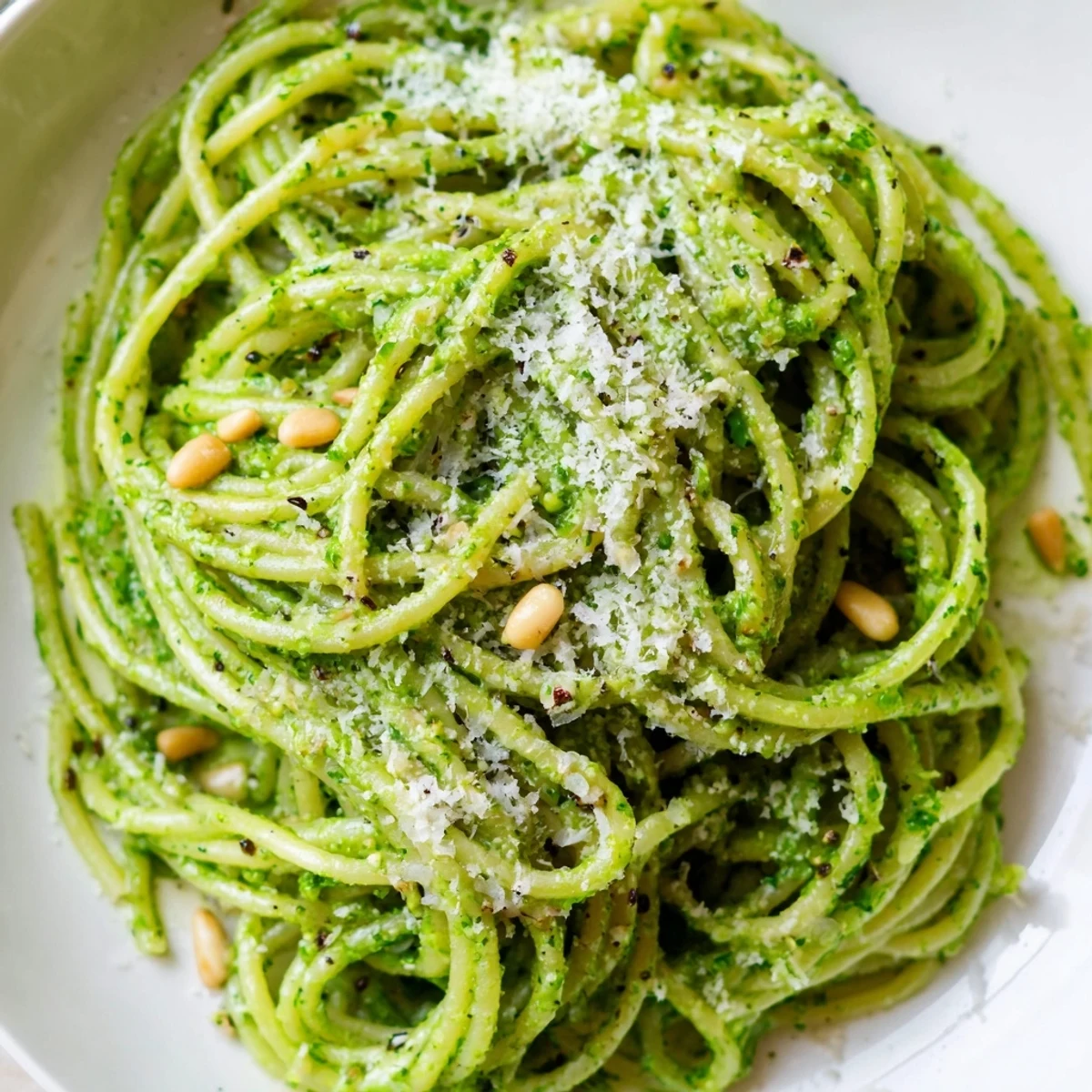
Save This wild garlic pesto pasta is a celebration of spring on a plate. Fragrant wild garlic leaves are blitzed with toasted pine nuts, Parmesan, and extra virgin olive oil into a vivid green sauce that coats every strand of pasta.
Ready in just 25 minutes, it's an effortless yet impressive dish perfect for busy weeknights or casual gatherings. The lemon juice adds brightness while the reserved pasta water ensures a silky, restaurant-quality finish.
Naturally vegetarian and easily adapted for vegan diets, this dish pairs beautifully with a crisp glass of Sauvignon Blanc.
The smell hit me before I even saw the patch: a sharp, green, almost garlicky perfume rising from the damp woodland floor behind my friends cottage in Somerset. I stuffed an entire carrier bag full of wild garlic leaves, drove home with the windows down because the car was suffocatingly fragrant, and made this pesto within the hour. That first bowl tasted like spring had landed directly on my plate, and I have never let a season pass without making it since.
My neighbour knocked on the door while I was blitzing the second batch and asked what on earth I was cooking because the scent had drifted through our shared wall. She stayed for dinner, brought a bottle of Pinot Grigio, and now every April she texts me asking whether the garlic is up yet.
Ingredients
- 75 g wild garlic leaves: Rinse them thoroughly and pat completely dry because excess water makes the pesto bland and slippery instead of rich.
- 50 g toasted pine nuts or walnuts: Toast them in a dry pan until just golden, watching like a hawk because they burn in seconds.
- 50 g freshly grated Parmesan cheese: Grate it yourself from a block because pre grated varieties contain anti caking agents that make the sauce grainy.
- 1 garlic clove: Just one is enough since the wild garlic already delivers a powerful punch of flavour.
- 100 ml extra virgin olive oil: Use a decent one here because it is the body of the entire sauce.
- Half a lemon, juiced: This brightens everything and stops the leaves from tasting muddy.
- Salt and black pepper: Season generously at the end because underseasoned pesto tastes flat.
- 400 g dried pasta: Spaghetti or linguine work beautifully but penne catches the sauce in its tubes if you prefer short shapes.
Instructions
- Boil the pasta:
- Bring a very large pot of well salted water to a rolling boil and cook the pasta until just al dente, then scoop out half a cup of the starchy water before draining.
- Start the pesto:
- Drop the wild garlic leaves, toasted nuts, Parmesan, and garlic clove into a food processor and pulse until everything is roughly chopped but not yet a paste.
- Stream in the oil:
- With the motor running, pour the olive oil in a slow steady stream until the mixture turns into a vivid green sauce that looks almost too beautiful to eat.
- Season and balance:
- Add the lemon juice, taste, then adjust with salt and pepper until the flavour pops and the sharpness feels balanced rather than aggressive.
- Toss and serve:
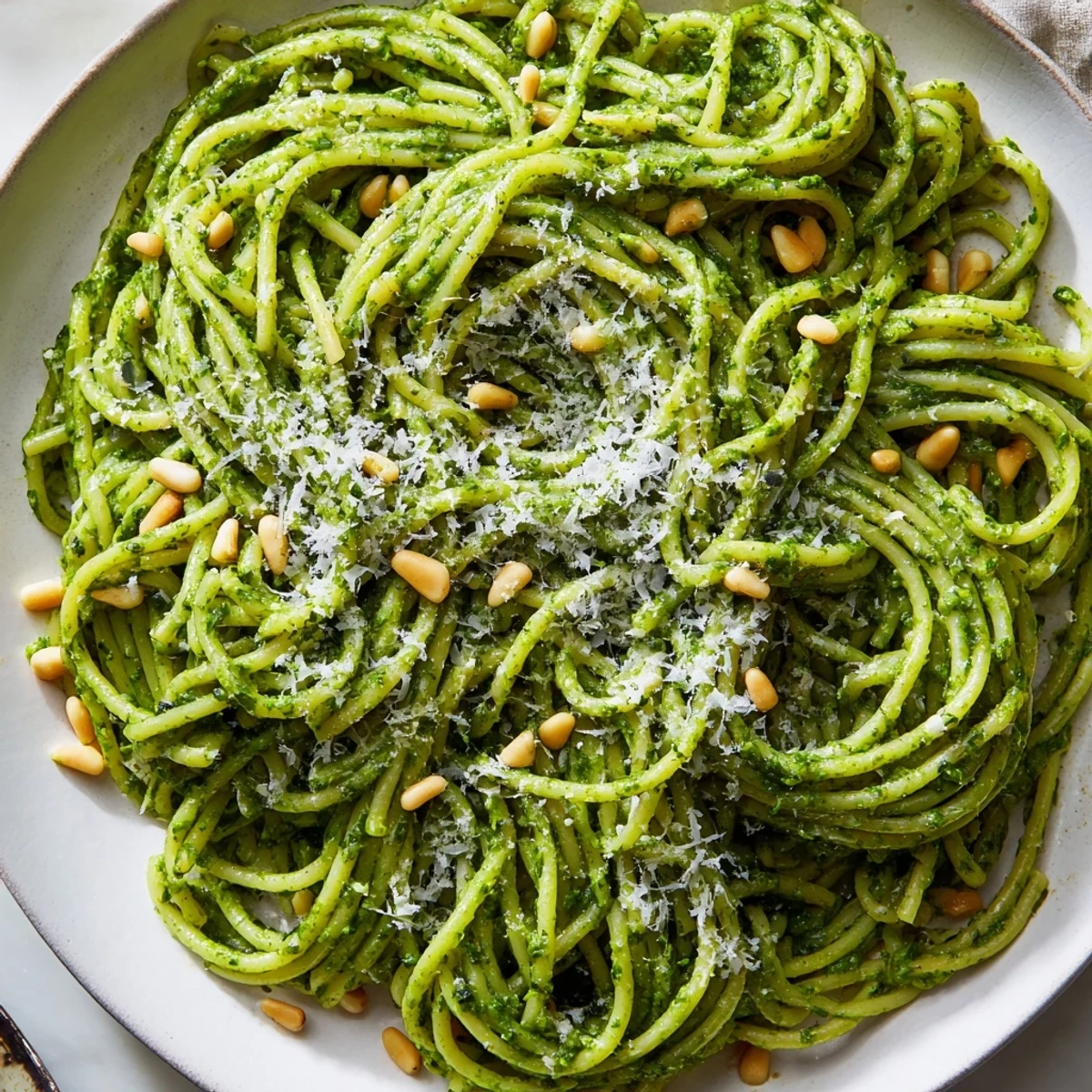
- Tip the hot drained pasta back into its pot, spoon the pesto over it, and toss vigorously while splashing in small amounts of reserved pasta water until every strand glistens.
 Save
Save That evening with my neighbour stretched well past dessert, and we sat in the kitchen talking about foraging spots and childhood dinners while the leftover pesto sat on the counter turning an even deeper shade of green.
Choosing and Handling Wild Garlic
Wild garlic season runs roughly from late March through May and the leaves are best picked young and tender before the flowers open. Always forage away from busy roads and farmland that might be sprayed, and if you cannot find fresh wild garlic, a handful of basil blended with a crushed garlic clove is a respectable substitute.
Making It Vegan
Swapping the Parmesan for three tablespoons of nutritional yeast gives you a surprisingly cheesy, savoury depth without any dairy. I tested this for a vegan friend expecting disappointment, but she took one bite and immediately asked for the recipe.
Storage and Leftovers
Leftover pesto keeps beautifully in a sealed jar in the fridge for up to three days and also freezes well in ice cube trays for a taste of spring in darker months.
- Stir any leftover pesto through roasted potatoes or spread it thickly on sourdough toast.
- If the pesto thickens in the fridge, loosen it with a splash of warm water or extra oil before tossing.
- Never reheat pesto on a high flame because the delicate garlic flavour turns bitter almost instantly.
 Save
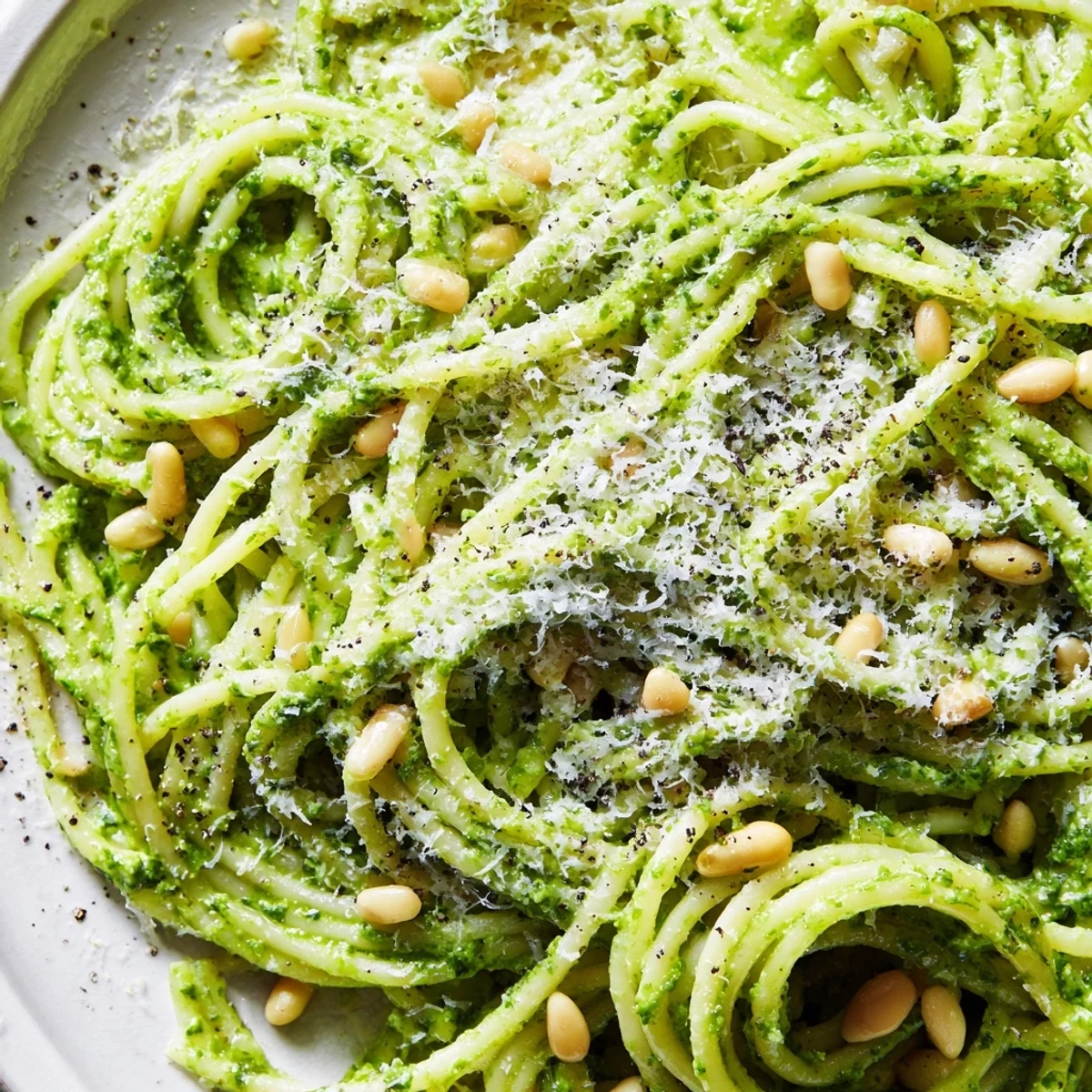
Save Every spring I make this dish at least a dozen times, and each batch carries the scent of that first muddy walk and the sound of my neighbour laughing through the wall.
Recipe Questions & Answers
- → What does wild garlic taste like?
-
Wild garlic has a milder, more delicate flavor than regular garlic, with fresh grassy and slightly peppery notes. The leaves bring a subtle allium sweetness that pairs beautifully with nuts and cheese in a pesto.
- → Can I use regular basil instead of wild garlic?
-
Yes, you can substitute wild garlic leaves with fresh basil for a classic basil pesto. The flavor profile will be different but equally delicious. You could also use a mix of basil and spinach as a milder alternative.
- → Where can I find wild garlic?
-
Wild garlic is seasonal and typically available in spring (March to May). Look for it at farmers' markets, specialty grocers, or forage it in woodland areas where it grows abundantly near streams and damp ground.
- → How do I store leftover wild garlic pesto?
-
Transfer leftover pesto to an airtight container, press a piece of plastic wrap directly onto the surface, and refrigerate for up to 3 days. You can also freeze it in ice cube trays for up to 3 months.
- → What pasta shapes work best with this pesto?
-
Long strands like spaghetti or linguine work wonderfully for even coating. Short shapes like penne or fusilli also work well, as their ridges and curves hold the pesto. Choose whatever your family prefers.
- → Can I make this dish vegan?
-
Absolutely. Replace the Parmesan with nutritional yeast or a plant-based hard cheese alternative. The pesto will still deliver a rich, savory, and nutty flavor that coats the pasta beautifully.