
 Save
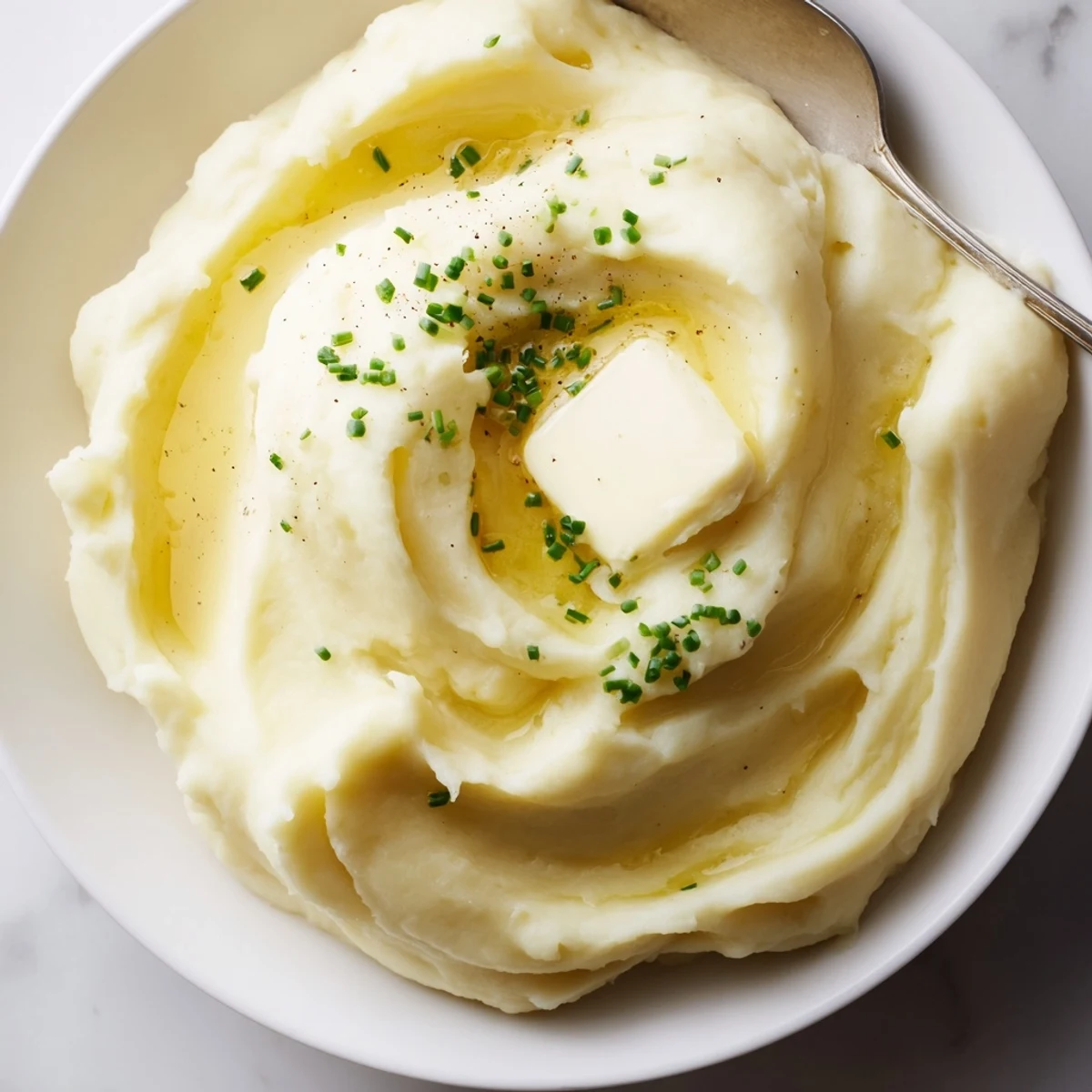
Save These velvety mashed potatoes deliver a luxuriously smooth, creamy texture by combining Yukon Gold potatoes with melted butter, warmed whole milk, and heavy cream. The key to achieving that perfect silky consistency lies in thoroughly draining the potatoes and using a potato ricer to eliminate every last lump.
Ready in just 40 minutes from start to finish, this comforting side pairs beautifully with roasted meats, grilled vegetables, or a simple weeknight dinner. Seasoned gently with salt and pepper, the rich dairy flavors truly shine through in every bite.
The steam fogged up my kitchen window on a Tuesday evening while the radio played something forgettable, and I stood there mashing potatoes with more focus than the task probably deserved. Something about the rhythm of it, the way the butter disappeared into golden folds, made everything outside those four walls feel distant. Mashed potatoes are not flashy or impressive, but they might be the most honest thing you can make in a kitchen. This version, rich with cream and properly seasoned, is the one I keep coming back to.
I made these for my neighbor once when she was going through a rough patch and could not be bothered to cook. She showed up at my door twenty minutes later holding the empty bowl and asking if there was any more.
Ingredients
- 1.5 lbs Yukon Gold or Russet potatoes: Yukon Golds give you a naturally creamy result, while Russets go fluffier. Pick based on the mood you are in.
- 4 tbsp unsalted butter: Unsalted lets you control the seasoning. Cut it into pieces so it melts evenly without cooling everything down.
- 1/2 cup whole milk, warmed: Cold milk seizes the potatoes and makes them gluey. Warm it gently in a saucepan or even the microwave.
- 1/4 cup heavy cream, warmed: This is what takes it from good to memorable. The fat coats every starch particle and creates that velvety finish.
- 1 tsp salt plus more for boiling: The boiling water should taste like the sea. That is how the potatoes get seasoned from the inside out.
- 1/4 tsp freshly ground black pepper: Freshly ground makes a noticeable difference here. Pre ground tastes flat against the richness of the dairy.
Instructions
- Cover and salt the water:
- Place the peeled, chunked potatoes in a large pot and cover with cold water by at least two inches, then add a generous handful of salt. Starting cold ensures even cooking so the outside does not turn to mush before the center is done.
- Boil then simmer gently:
- Bring to a rolling boil, then drop the heat to a calm simmer and let them go uncovered for fifteen to twenty minutes. You will know they are ready when a fork slides through the largest piece with zero resistance.
- Drain and dry:
- Pour them into a colander and let every last drop of water run out, then return them to the still warm pot. Letting them sit for a minute in the dry heat evaporates surface moisture that would otherwise water down your mash.
- Add the butter first:
- Toss in the butter pieces and let the whole thing sit for a minute or two so the butter melts into the hot potatoes on its own. This coats the starch in fat before any liquid touches it, which is the trick to a silky rather than sticky texture.
- Mash until smooth:
- Use a potato masher for a rustic feel or a ricer if you want them completely lump free. Work quickly but do not overdo it because too much mashing releases excess starch and turns everything gummy.
- Fold in the warm liquids:
- Pour in the warmed milk and cream a little at a time, folding gently with a wooden spoon or spatula after each addition. The gradual approach lets the potatoes absorb the liquid evenly and puff up light and luscious.
- Season and serve:
- Taste for salt and pepper, adjusting until it makes you close your eyes on the first bite, then serve right away. A pat of butter on top or some snipped chives never hurt anybody.
 Save
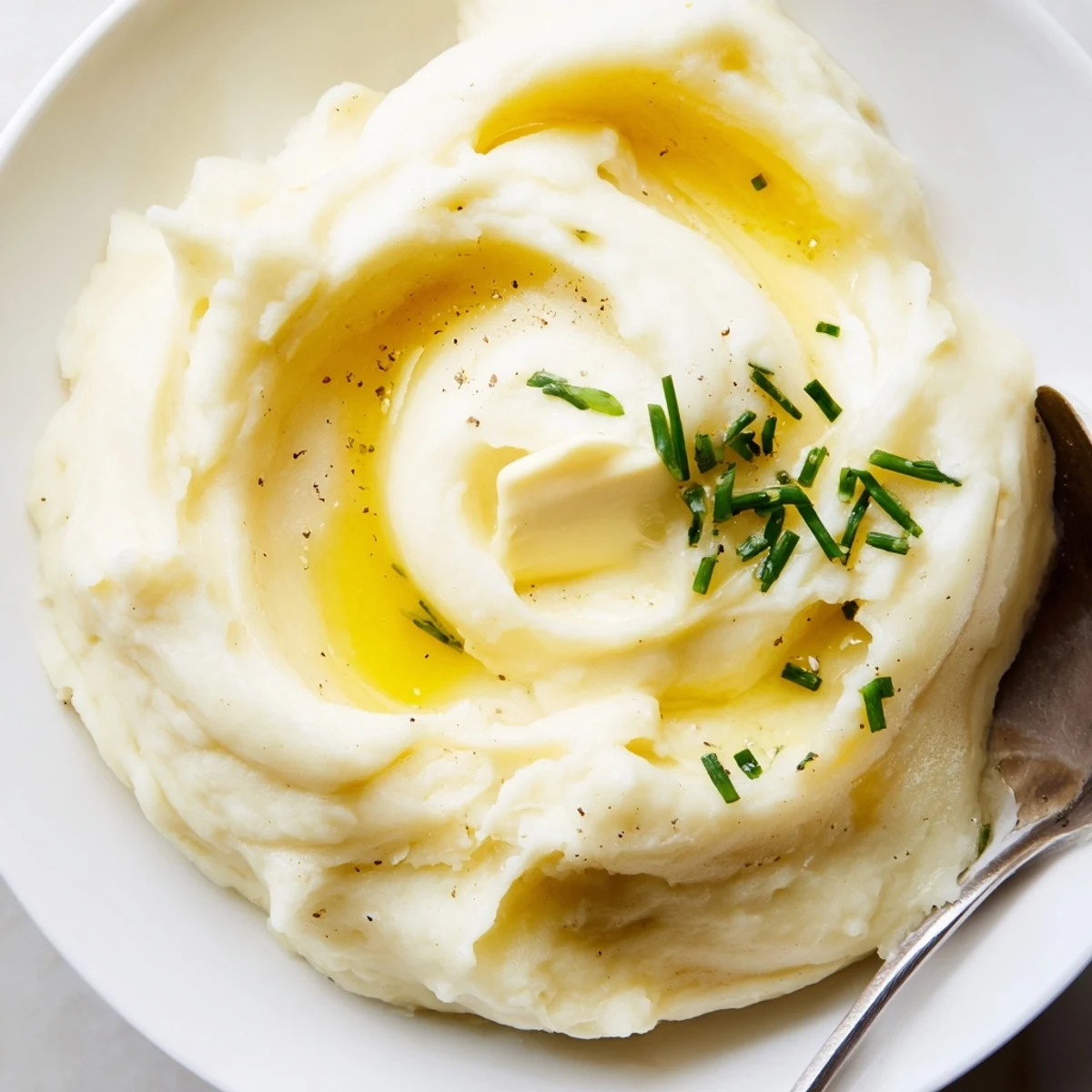
Save There is a particular kind of quiet that settles over a table when everyone takes that first bite and stops talking for a moment.
What to Serve Alongside
These potatoes love roasted chicken, seared pork chops, or even a simple plate of sauteed greens with lemon. I have also been known to eat a bowl of them standing over the kitchen sink at midnight with nothing else at all.
Making Them Ahead
You can make these up to two hours ahead and keep them warm in a covered bowl set over a pot of simmering water. Stir in a splash of warm milk right before serving to wake them back up.
Troubleshooting Common Problems
Gluey potatoes happened because you used a blender or food processor instead of a masher. Next time stick to manual tools and a gentle hand.
- If they taste flat you probably under salted the cooking water.
- Lumpy patches mean your potato chunks were not uniform in size before boiling.
- A dash of roasted garlic mashed in at the end fixes almost anything that feels boring.
 Save
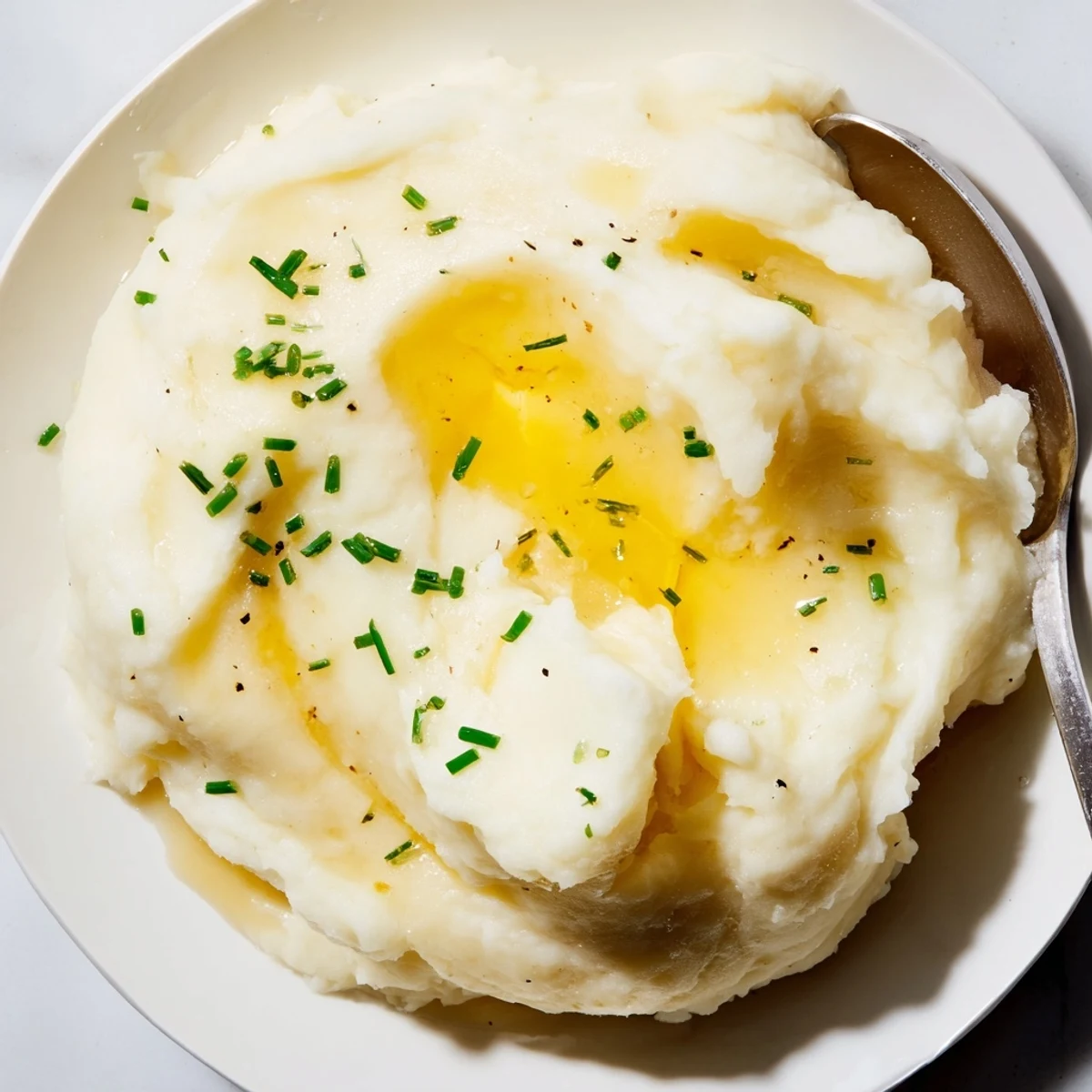
Save Some meals are about showing off but this one is about comfort, and there is nothing wrong with that being enough.
Recipe Questions & Answers
- → What type of potatoes work best for mashed potatoes?
-
Yukon Gold potatoes are ideal because of their naturally buttery flavor and creamy texture. Russet potatoes also work well since they break down easily and absorb butter and cream beautifully. Avoid waxy varieties like red potatoes, which can become gummy when mashed.
- → How do I prevent mashed potatoes from becoming gummy?
-
Gummy mashed potatoes usually result from over-mixing or using a blender or food processor. Stick to a potato masher or ricer, and fold in the liquids gently. Also, drain the potatoes thoroughly and return them to the warm pot to remove excess moisture before adding butter.
- → Should I use cold or warm milk and cream?
-
Always use warmed milk and cream. Cold dairy cools down the potatoes and causes the butter to seize, resulting in a less smooth texture. Gently heat the milk and cream on the stove or in the microwave before folding them into the potatoes.
- → Can I make mashed potatoes ahead of time?
-
Yes, you can prepare them up to two days in advance. Store in an airtight container in the refrigerator, then reheat in the oven at 350°F covered with foil, or gently warm on the stovetop over low heat. Stir in a splash of warm milk to restore creaminess before serving.
- → What can I add to mashed potatoes for extra flavor?
-
Roasted garlic cloves are a classic addition that adds depth without overpowering the dish. Fresh chopped chives, grated Parmesan cheese, sour cream, or even a pinch of nutmeg can elevate the flavor. For a twist, try folding in caramelized onions or crispy bacon bits just before serving.