
 Save
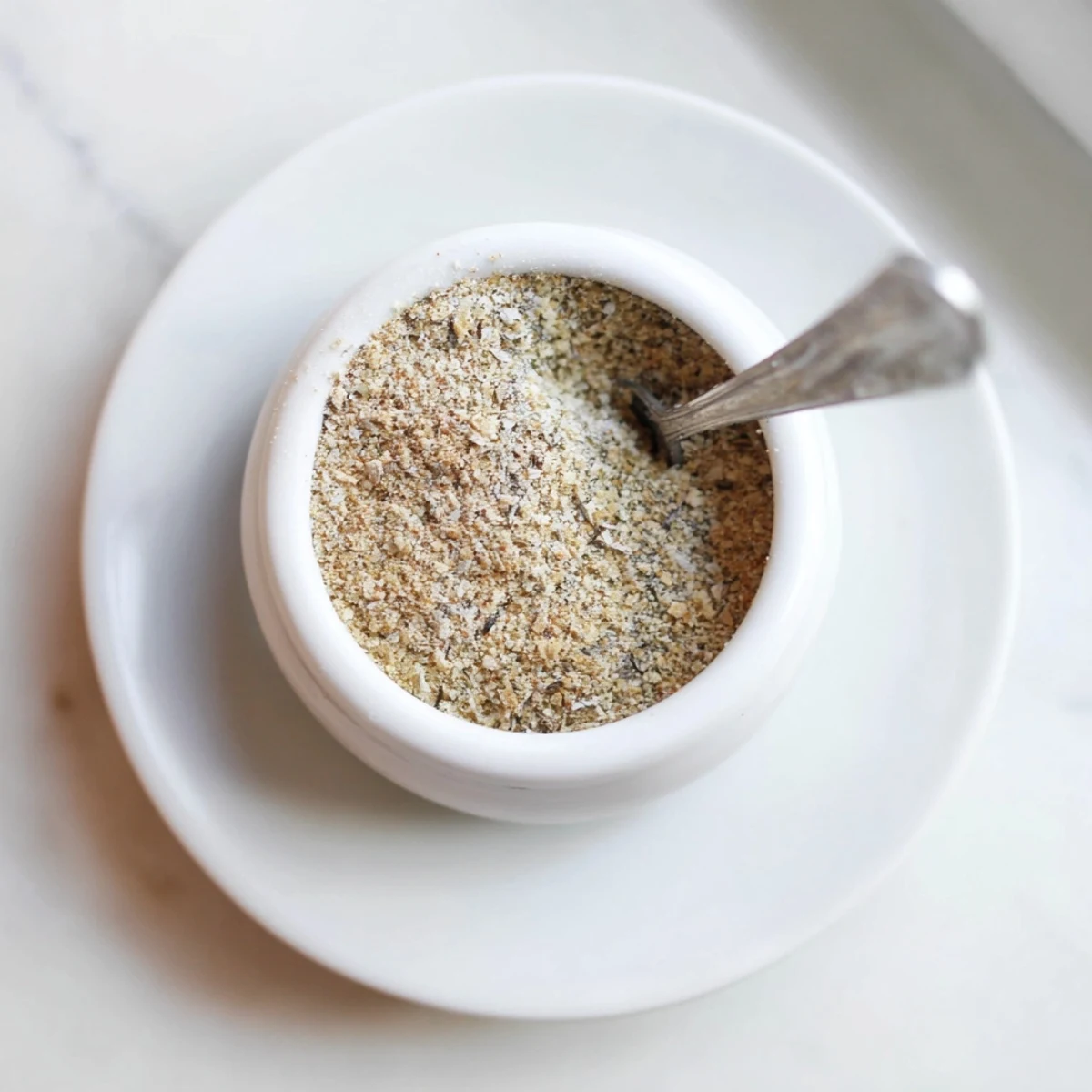
Save This savory, aromatic vegan chicken-style seasoning blends nutritional yeast, garlic and onion powders, thyme, sage, smoked paprika, turmeric and celery salt for a bright, umami-rich profile. Stir or whisk to combine; use as a dry rub, mix with oil and lemon for marinades, or dissolve in hot water for quick broth. Store airtight up to 6 months; add cayenne for heat or omit celery salt for low-sodium.
The jar lid popped open and suddenly my entire pantry smelled like Sunday dinner at my grandmothers house, even though there was no chicken in sight. I had been trying to make a convincing plant based broth for weeks, tossing random spices into hot water and hoping for the best. This blend was the one that finally made me close my eyes and forget I was drinking something vegan. Five minutes of measuring and mixing later, I had a staple I now reach for almost daily.
My friend Dave, who openly mocks vegan cooking, stood in my kitchen dipping roasted cauliflower into a broth made with this blend and said nothing for a solid minute. Then he asked for the recipe. I handed him the jar and told him to figure it out himself, which of course he could not.
Ingredients
- 2 tbsp nutritional yeast flakes: This is the backbone of the savory depth, providing that rich umami quality that makes everything taste more substantial than it is.
- 1 tbsp garlic powder: Essential for building the foundational flavor base, and powder integrates more evenly than fresh in a dry blend.
- 1 tbsp onion powder: Works hand in hand with the garlic to create a rounded aromatic profile that feels familiar and comforting.
- 1 1/2 tsp dried thyme: One of the herbs that most convincingly mimics poultry seasoning, so do not skip it.
- 1 1/2 tsp dried sage: This is what gives the blend that unmistakable roast dinner aroma, earthy and slightly piney.
- 1 tsp smoked paprika: Adds a gentle smokiness that suggests the food was cooked over an open flame even if it was not.
- 1 tsp ground turmeric: Largely here for the golden color it imparts to broths and marinades, though its warm bitterness helps too.
- 1 tsp dried parsley: A quiet background herb that brightens the overall blend without demanding attention.
- 1 tsp celery salt: Delivers the salty, vegetal note that makes chicken broth taste like chicken broth.
- 1/2 tsp ground black pepper: Standard but necessary heat that keeps the blend from tasting flat.
- 1/2 tsp dried rosemary (crushed): Crush it between your fingers before adding to release the oils and intensify the aroma.
- 1/2 tsp ground white pepper: More floral and sharper than black pepper, it adds complexity you cannot quite identify but would miss.
- 1/4 tsp ground coriander: A subtle citrusy warmth that rounds out the heavier herbs beautifully.
- 1/4 tsp ground marjoram: Often overlooked but it bridges the gap between the herbal and the savory notes.
- 1/4 tsp ground mustard: Just enough to give the blend a slight sharpness that activates on the tongue.
Instructions
- Gather and measure:
- Pull out all your spice jars at once and measure each one into a small mixing bowl, taking your time to level off the spoons for accuracy.
- Mix thoroughly:
- Use a whisk or the back of a spoon to blend everything together until you see no clumps and the color is uniform throughout.
- Transfer to storage:
- Pour the finished seasoning into an airtight glass jar and tuck it into a cool dark cabinet where it will stay potent for up to six months.
- Use as a rub:
- Sprinkle generously over pressed tofu, tempeh, or thick vegetable steaks and massage it in with your hands before roasting or grilling.
- Use as a marinade:
- Stir one to two tablespoons into olive oil and lemon juice, then coat your protein and let it sit for at least thirty minutes to absorb the flavors.
- Use for broth:
- Dissolve one tablespoon per two cups of hot water and taste before adjusting upward, because a little goes further than you expect.
 Save
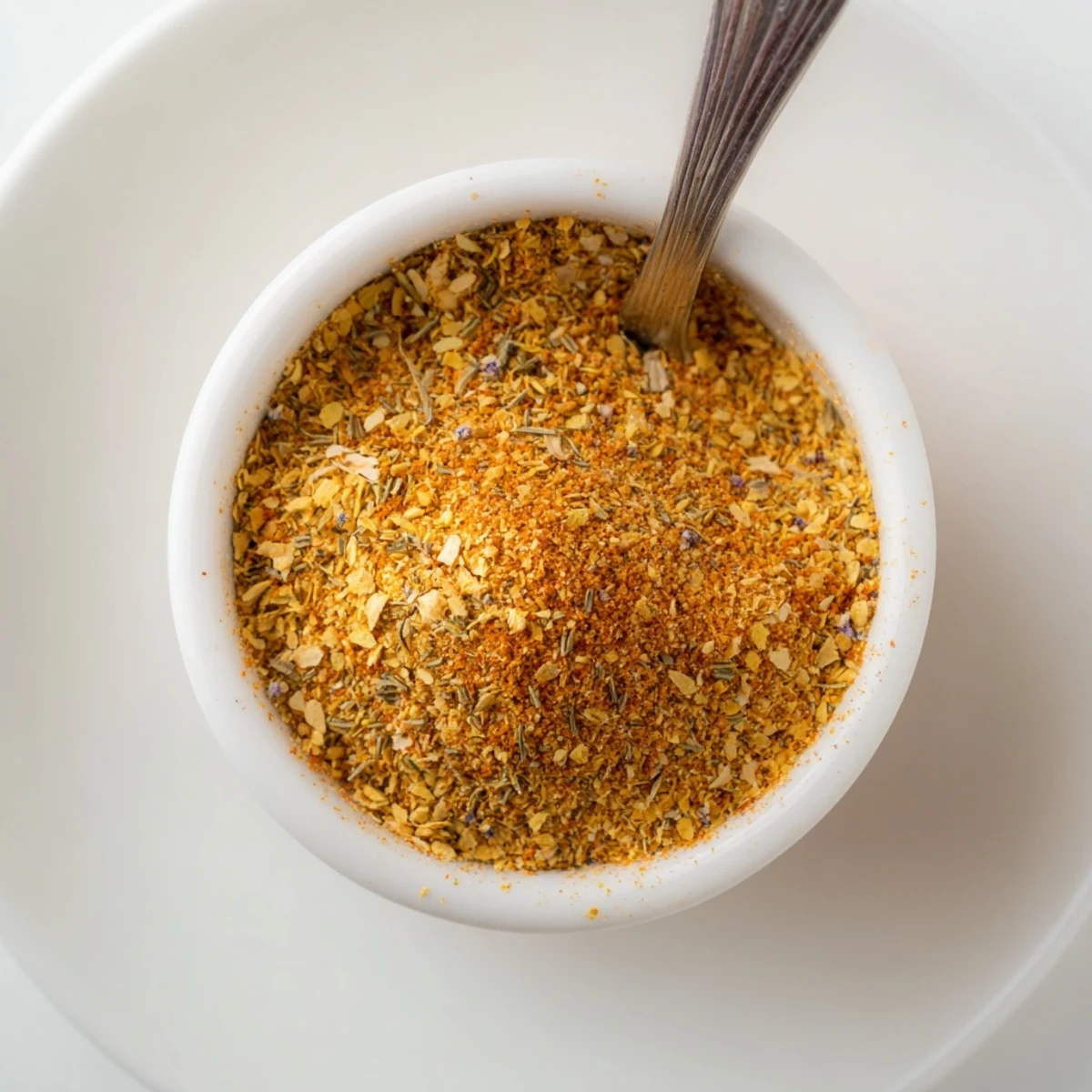
Save I keep a jar of this next to my stove and another in the pantry, and both are usually half empty within a few weeks because I start adding it to things that technically do not need it. Rice, roasted potatoes, even a quick pot of lentils all benefit from a generous shake. It became the kind of staple that makes other people open my cabinet and ask what that yellow blend is.
Getting The Most Out Of Each Batch
Double the recipe if you have the spices, because a larger batch actually blends more evenly and tastes more consistent from scoop to scoop. I learned this after making tiny batches three weeks in a row and noticing slight variations each time. Store it in glass rather than plastic, since plastic can absorb and mute the volatile oils over months. Label the jar with the date you mixed it so you know when the flavor starts to fade.
Allergen And Dietary Peace Of Mind
This blend contains zero common allergens, which makes it a rare kitchen ally when cooking for a crowd with mixed dietary needs. The only real caution is to check your nutritional yeast label, since some brands process on shared equipment. I have used this seasoning at potlucks where guests had gluten, soy, and nut allergies and nobody had to worry about a single thing.
Ways I Use It Beyond The Obvious
Sprinkle it over thick cut potatoes before air frying for what my partner calls suspiciously chickeny fries. Stir it into cashew cream sauce for a mock chicken gravy that rivals anything made from a packet. Toss warm popcorn with a light coating of olive oil and a generous dusting of this blend for a savory snack that disappears fast.
- Shake it over roasted chickpeas right out of the oven for an addictive crunchy snack.
- Mix a pinch into hummus for a flavor twist that catches people off guard in the best way.
- Keep a small travel jar in your bag for seasoning bland restaurant meals on the go.
 Save
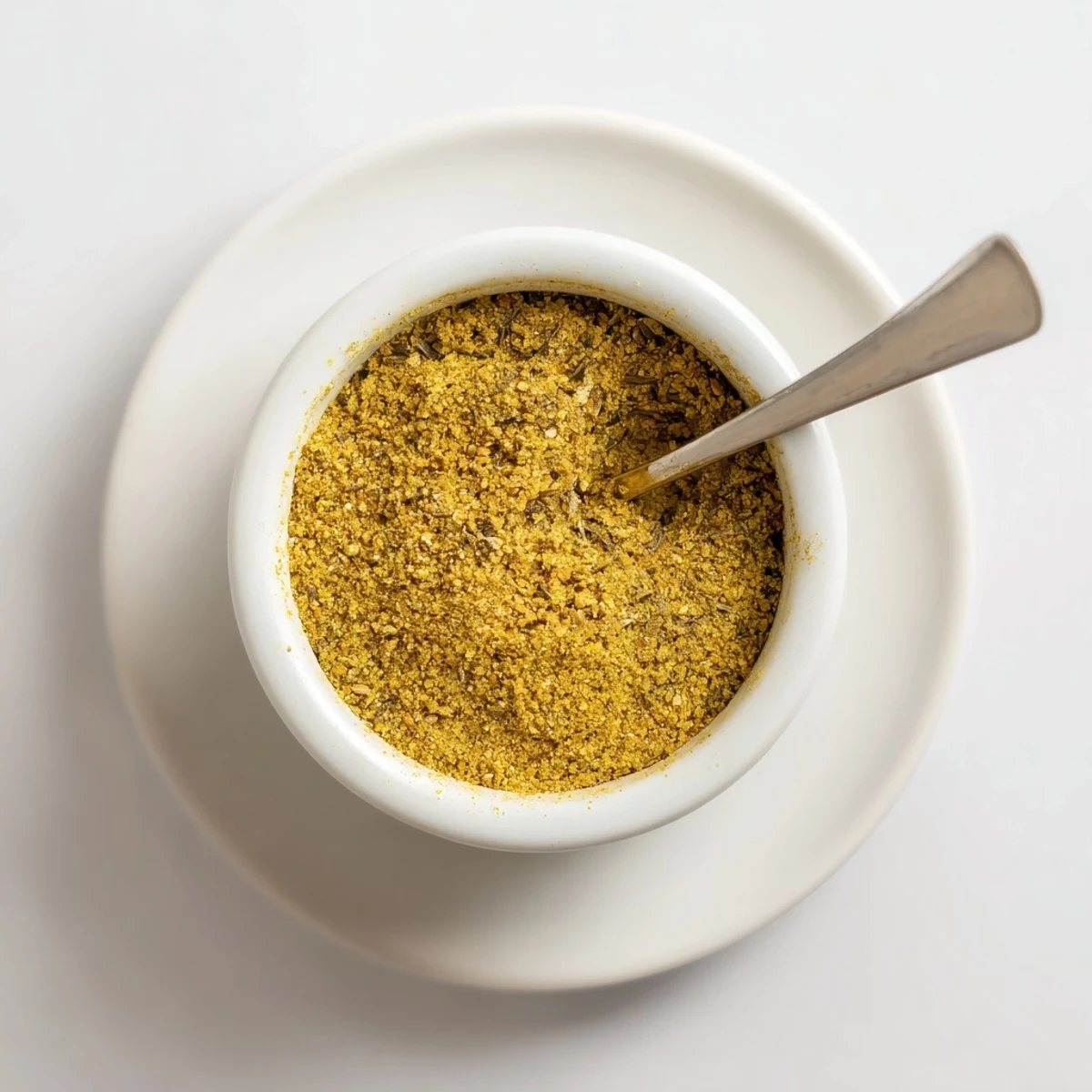
Save This small jar of dried herbs and spices has done more for my plant based cooking than any expensive ingredient ever could. Keep it within arm's reach and you will find yourself reaching for it too.
Recipe Questions & Answers
- → How do I use this blend as a dry rub?
-
Pat plant-based proteins or vegetables dry, sprinkle 1–2 teaspoons per serving, and massage evenly. Let rest 15–30 minutes before grilling or roasting to let the flavors penetrate.
- → What's the best marinade ratio with this seasoning?
-
Mix 1–2 tablespoons of the seasoning with 1/4 cup olive oil and 2 tablespoons lemon juice. Marinate for at least 30 minutes; up to a few hours for denser proteins like seitan or tempeh.
- → How much should I use to make a quick broth?
-
Add about 1 tablespoon of the blend per 2 cups of hot water. Adjust to taste and add salt if needed; simmer briefly for a more developed savory base.
- → How should I store the seasoning and how long does it last?
-
Keep in an airtight jar away from light and heat. Stored properly it retains flavor for up to 6 months; fresher spices will yield brighter results.
- → Can I adjust the salt level or heat?
-
Yes. For a salt-free version omit the celery salt and substitute 1/2 teaspoon celery seed if you want aroma without added sodium. Add a pinch of cayenne for heat.
- → What ingredients work best with this blend?
-
Excellent on tofu, tempeh, seitan, roasted vegetables, and grains. It also brightens soups and sauces when dissolved into hot liquid.