
 Save
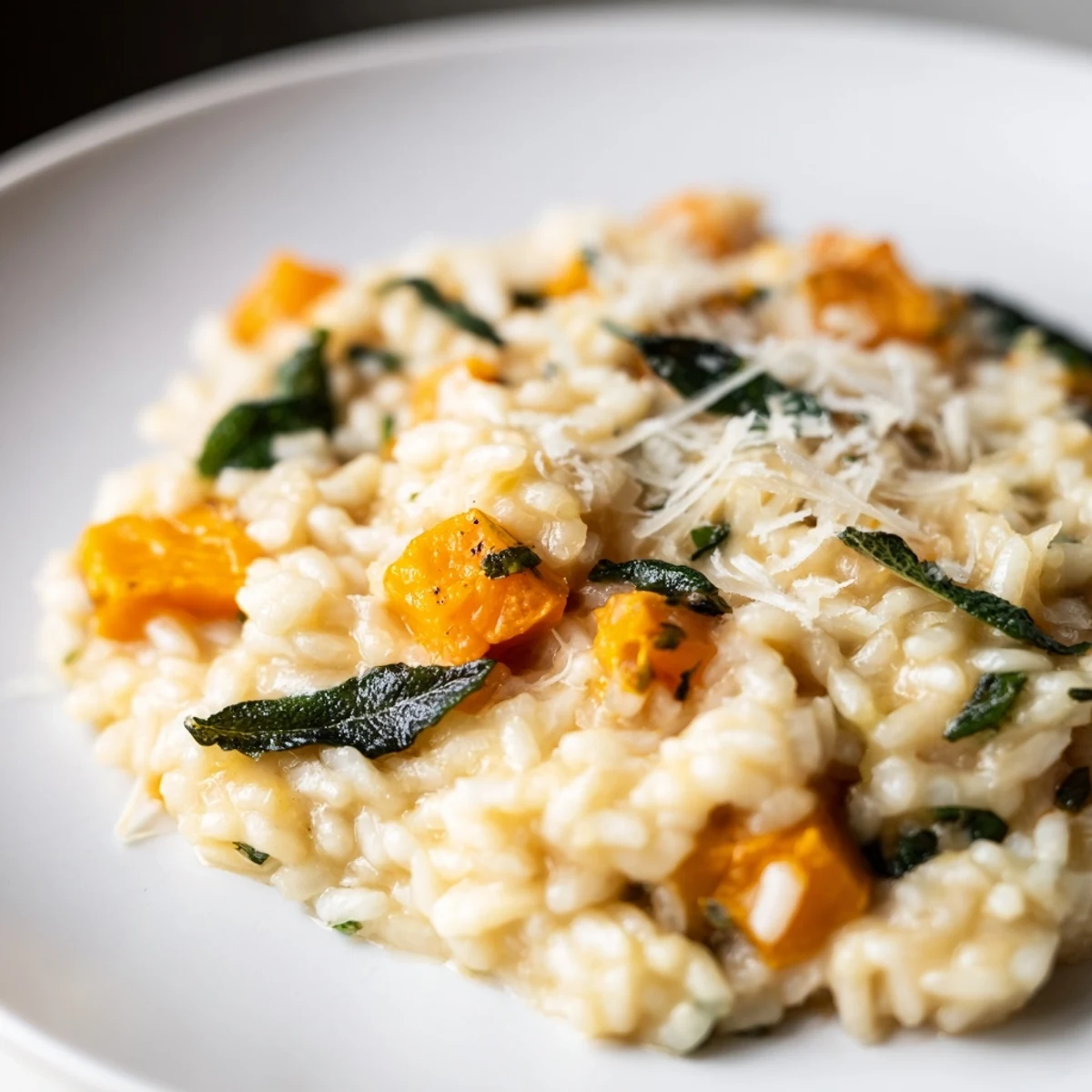
Save This classic Italian risotto combines creamy Arborio rice with roasted winter squash and aromatic fresh sage for a sophisticated yet comforting main dish. The method involves toasting the rice, then gradually adding warm vegetable broth while stirring frequently to create the signature creamy texture. Fresh sage adds earthy complexity to balance the natural sweetness of the butternut squash.
Ready in just 50 minutes with a medium skill level, this vegetarian dish serves four generously and pairs beautifully with crisp white wine. Perfect for seasonal entertaining or a special weeknight dinner.
The first time I made winter squash risotto, the aroma of sage hitting warm butter completely transformed my kitchen on a dreary November evening. I had picked up a butternut squash at the farmers market without a clear plan, but when the temperature dropped suddenly that afternoon, I craved something that would warm me from the inside out. Standing at the stove, stirring continuously as the rice slowly released its starch, I realized this dish would become my cold-weather salvation.
Last winter, I made this risotto for a small dinner party during the first snowfall of the season. My apartment windows fogged up from the steam as we gathered around the table with glasses of crisp white wine. One friend who claimed to despise all winter squash took a reluctant bite and immediately asked for the recipe, proof that sometimes ingredients need the right preparation to reveal their true potential.
Ingredients
- Winter squash: I prefer butternut for its reliable sweetness and smooth texture, though kabocha offers an even deeper flavor if youre feeling adventurous.
- Arborio rice: The high starch content creates that signature creamy texture without adding cream, so dont substitute with regular rice or youll miss the magic.
- Fresh sage: Its earthy, slightly peppery flavor perfectly complements the sweetness of the squash, and I've found the fresh version infinitely superior to dried in this particular dish.
- Dry white wine: It adds a subtle acidity that cuts through the richness, but I once substituted with a splash of lemon juice when I'd run out, and it worked surprisingly well in a pinch.
- Parmesan cheese: Splurge on a block and grate it yourself, the pre-grated stuff contains anti-caking agents that prevent it from melting properly into that silky finish we're after.
Instructions
- Sauté the aromatics:
- Heat the olive oil and a tablespoon of butter until the butter stops foaming, then add your finely chopped onion. Youll know its ready when the kitchen fills with that sweet onion aroma and the pieces turn translucent.
- Prepare the squash:
- Add garlic and diced squash to the pot, stirring occasionally so nothing sticks. The squash will begin to soften around the edges, but dont worry if its not fully cooked yet.
- Toast the rice:
- This step might seem small but its crucial for depth of flavor. Add your Arborio rice and stir until each grain is glistening with oil and slightly translucent around the edges.
- Begin the wine bath:
- Pour in that white wine and inhale deeply as the alcohol hits the hot pan. Keep stirring until the liquid is mostly absorbed and the sharpness of the alcohol smell dissipates.
- Start the broth ritual:
- Now comes the meditative part, adding warm broth one cup at a time. Each addition should be mostly absorbed before adding the next, which takes about 3-4 minutes per cup.
- Test for doneness:
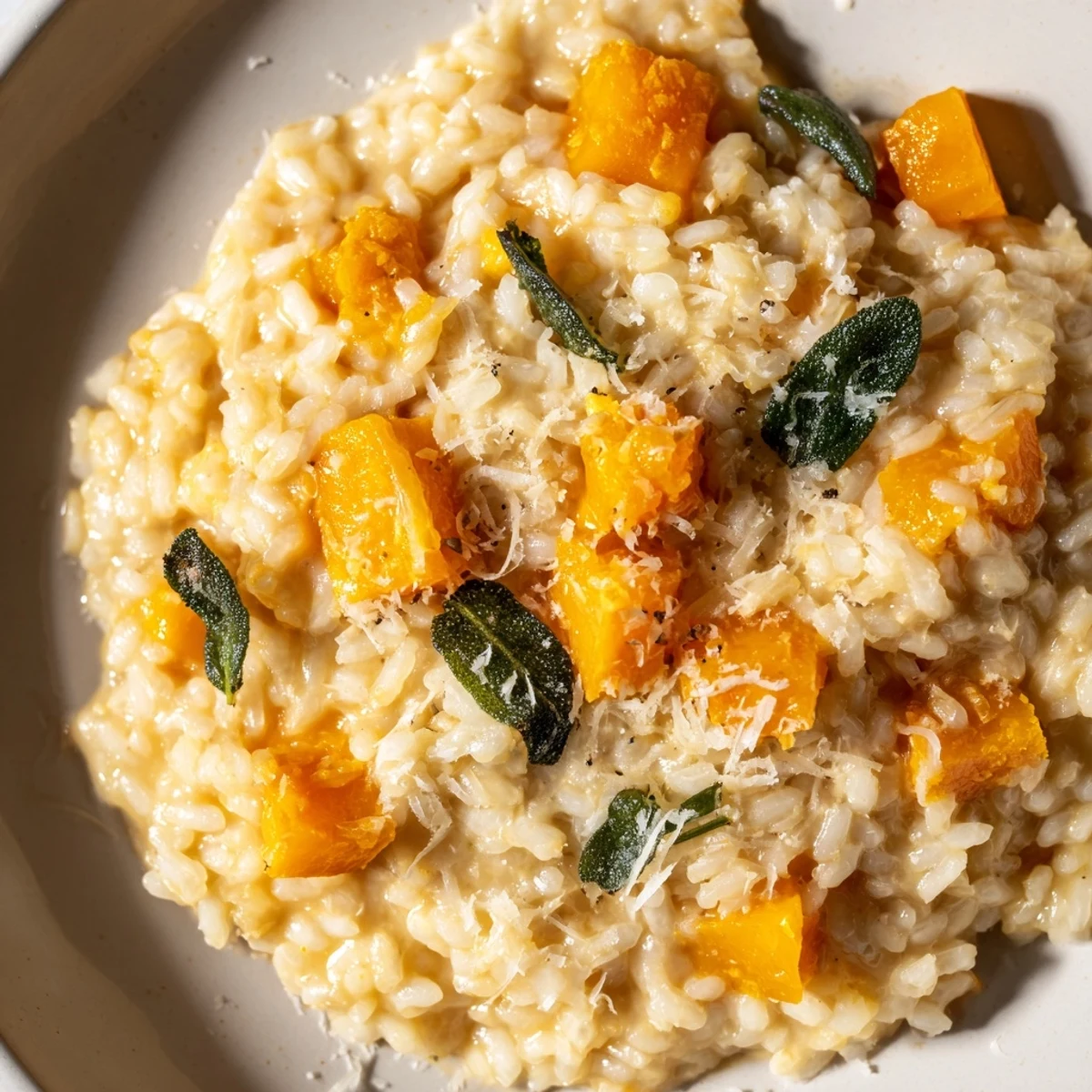
- After about 20 minutes, start tasting the rice. Youre looking for al dente, where theres still a slight firmness in the center of each grain, while the squash should be tender enough to partially melt into the creamy mixture.
- Finish with richness:
- Remove from heat and stir in the remaining butter, Parmesan, and chopped sage. This final enrichment transforms a good risotto into something truly luxurious.
- Rest briefly:
- Let the risotto sit covered for just two minutes. This short rest allows the flavors to meld and the texture to reach perfection.
 Save
Save One particularly difficult day last winter, I found myself mindlessly stirring this risotto, the repetitive motion becoming almost therapeutic. As the familiar aromas filled my kitchen, I felt my shoulders relax for the first time in weeks. By the time I sat down with a steaming bowl, the problems that had seemed insurmountable hours before had somehow unraveled into manageable threads, proof that sometimes cooking is as nourishing for the soul as it is for the body.
Make-Ahead Options
While traditionalists insist risotto must be served immediately, Ive discovered it can be partially prepared in advance when entertaining. I often cook the risotto until its about halfway done, then spread it on a baking sheet to cool quickly, refrigerating it until about 20 minutes before dinner. Resuming cooking with hot broth brings it back to life beautifully, though youll need to add an extra splash of liquid to reach that perfect consistency.
Seasonal Variations
The first time I experimented with this recipe outside of winter, I discovered its surprising versatility across seasons. In spring, I swap the butternut for tender young zucchini and replace sage with fresh mint. Summer calls for sweet corn kernels and basil, while autumn welcomes roasted mushrooms alongside the squash, each variation carrying the same comforting essence while honoring whats freshly available.
Serving Suggestions
Through countless dinner parties, Ive learned this risotto holds a unique position as both main dish and sophisticated side. The rich, creamy texture complements a simple protein like roast chicken or grilled fish without competing for attention.
- For a complete vegetarian meal, serve with a sharply dressed arugula salad to cut through the risottos richness.
- A sprinkle of toasted pine nuts or pepitas adds welcome textural contrast to each creamy bite.
- If serving as a side, reduce portions and pair with something simple like roasted pork tenderloin or seared scallops.
 Save
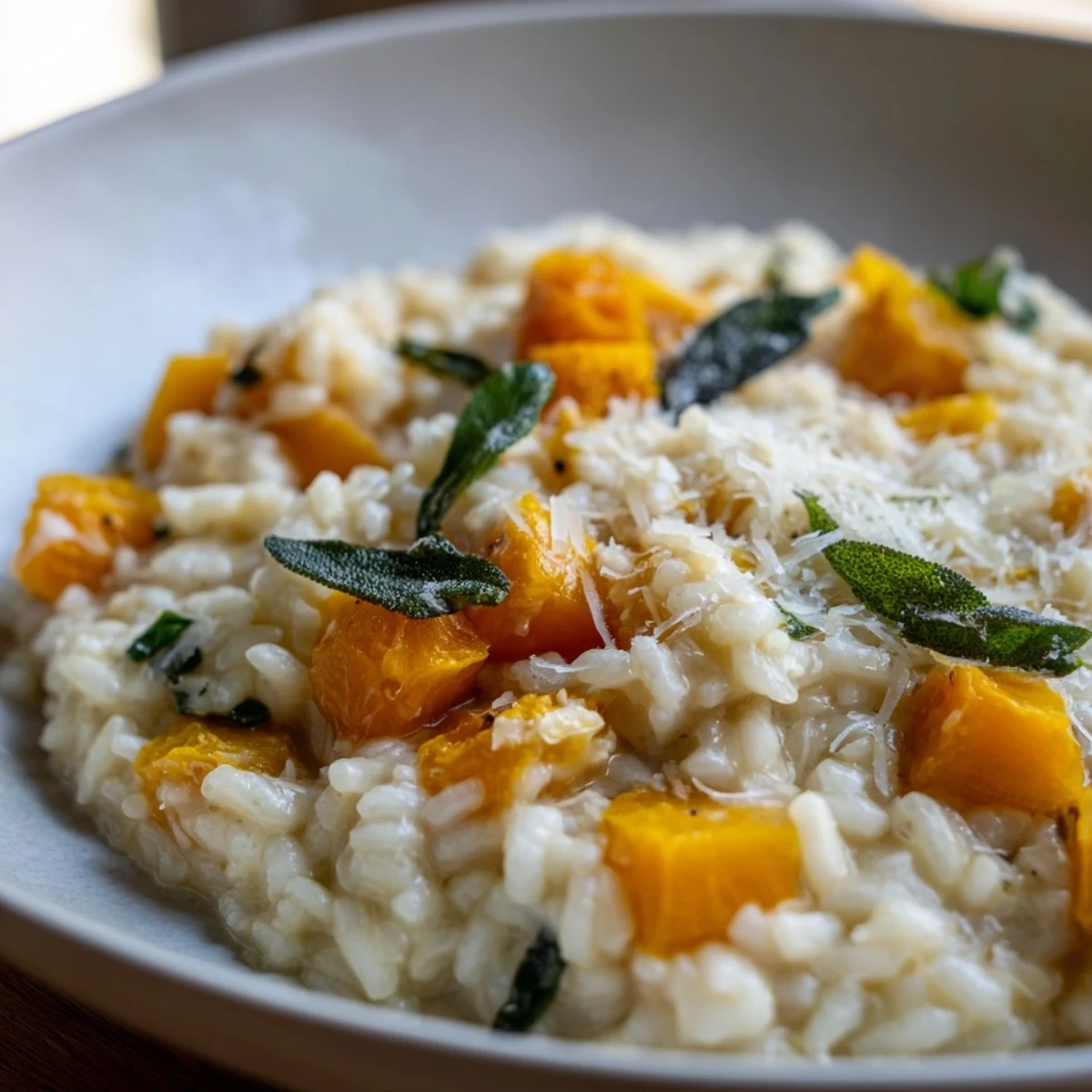
Save Every time I make this winter squash risotto, Im reminded that good cooking isnt always about complexity but about attention. The simple act of standing at the stove, wooden spoon in hand, watching ingredients transform through patient care, delivers something far greater than the sum of its parts.
Recipe Questions & Answers
- → What type of squash works best for this risotto?
-
Butternut and kabocha squash are ideal choices due to their creamy texture and natural sweetness. Both dice evenly and soften beautifully during cooking. Avoid stringy varieties like spaghetti squash.
- → Can I prepare the squash in advance?
-
Yes, you can peel, seed, and dice the squash up to 2 days ahead. Store in an airtight container in the refrigerator. For deeper flavor, roast the diced squash at 425°F for 20 minutes before adding to the risotto.
- → Why is constant stirring important?
-
Frequent stirring releases the starch from the rice grains, creating the characteristic creamy consistency. Without adequate stirring, you'll end up with separated broth and rice rather than a cohesive, velvety dish.
- → What can I substitute for fresh sage?
-
Fresh thyme or a combination of thyme and rosemary work well. Use about two-thirds the amount of dried herbs compared to fresh. Brown sage butter added at the end provides an elegant alternative presentation.
- → How do I make this dish vegan?
-
Replace butter with vegan butter and omit Parmesan cheese, or use a vegan hard cheese alternative. Use vegetable broth as specified and all other ingredients remain the same. The result maintains authentic risotto texture and flavor.
- → Can risotto be made ahead or reheated?
-
Risotto is best served immediately after cooking. However, you can reheat leftovers gently over low heat with additional warm broth to restore creaminess. Add liquid gradually until the desired consistency is reached.