
 Save
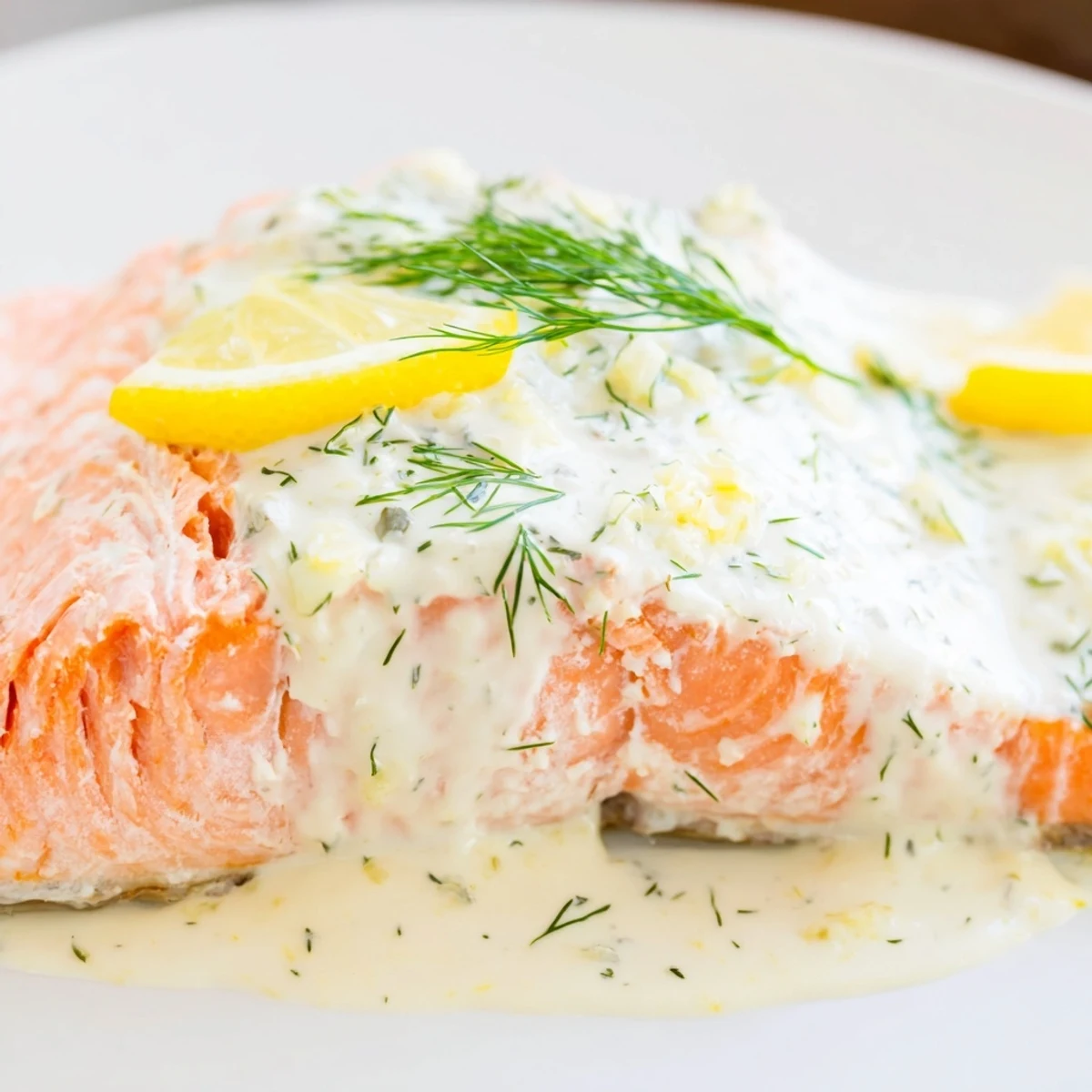
Save This dish features tender salmon fillets baked to flaky perfection and topped with a vibrant sauce made from fresh dill, lemon zest, juice, and cream. The sauce combines buttery richness with bright citrus notes and a hint of mustard for depth. Ideal for quick weeknight meals or special occasions, this preparation offers a delicate balance of flavors while remaining simple to prepare. Serve hot, garnished with lemon slices and extra dill for a fresh finish.
There's something about the smell of salmon hitting a hot pan that makes me slow down. I wasn't always confident cooking fish—it seemed like the kind of thing that could go wrong in seconds—but then someone passed me this recipe at a dinner party, scribbled on the back of an envelope, and something clicked. The sauce came together so quickly, bright with lemon and dill, and suddenly I understood why this dish shows up on tables when people want to impress without stress.
I made this for my partner's boss once, which sounds more stressful than it actually was. I'd practiced it three times that week, watching how the salmon flakes when it's ready and how the sauce needs just enough heat to thicken without breaking. When it came to the table, steam rising off the lemon garnish, I felt this small quiet pride—not because it was complicated, but because it was exactly right.
Ingredients
- Salmon fillets (4 pieces, about 6 oz each): Look for fillets that feel firm and smell fresh, with skin that's still shiny. Skin-on fillets stay moister during baking, but remove it if you prefer—either way works beautifully.
- Olive oil: Just enough to coat and protect the fish from sticking, nothing more needed.
- Salt and black pepper: Season generously; the fish needs this to taste like itself.
- Unsalted butter: This is where the sauce gets its richness and that slightly sweet, toasted edge.
- Garlic (2 cloves, minced): One minute of cooking is all it takes before the cream goes in—any longer and it turns bitter.
- Heavy cream: The backbone of the sauce; it takes on the lemon and dill and becomes something special.
- Lemon (zest and juice): Don't skip the zest; those tiny bright hits make the whole dish sing.
- Fresh dill: If you can find it, use it—dried dill works but fresh has a lighter, almost anise-like brightness that dried can't quite match.
- Dijon mustard (1 teaspoon): A small amount that you won't taste directly, but it rounds out the sauce and keeps it from feeling one-note.
Instructions
- Heat your oven and prep your stage:
- Set the oven to 400°F and line a baking tray with parchment or a light brush of oil. Having everything ready before you start makes the next 30 minutes flow without rushing.
- Season and oil the salmon:
- Pat your fillets dry—this small step helps them cook evenly and develop a slight golden edge. Brush with olive oil and season generously with salt and pepper on both sides, letting the seasoning sit for a minute so it clings.
- Bake until just cooked through:
- Slide the tray into the oven for 12 to 15 minutes. You're looking for the moment when the flesh flakes easily with a fork but still looks slightly moist inside; it will keep cooking for a few seconds after you pull it out.
- Make the sauce while the fish cooks:
- Melt butter in a small saucepan over medium heat, add your minced garlic, and listen for it to become fragrant—about one minute. This is the point where the kitchen starts to smell like something worth cooking for.
- Build the sauce gently:
- Pour in the cream, lemon zest, and juice, then add the mustard. Stir slowly and let it simmer for two to three minutes, just until it begins to thicken slightly and the lemon has worked its way through.
- Finish with dill:
- Stir in the fresh dill, taste, and adjust salt and pepper. Cook for another minute or two; you want the sauce warm and cohesive but still pourable.
- Bring it all together:
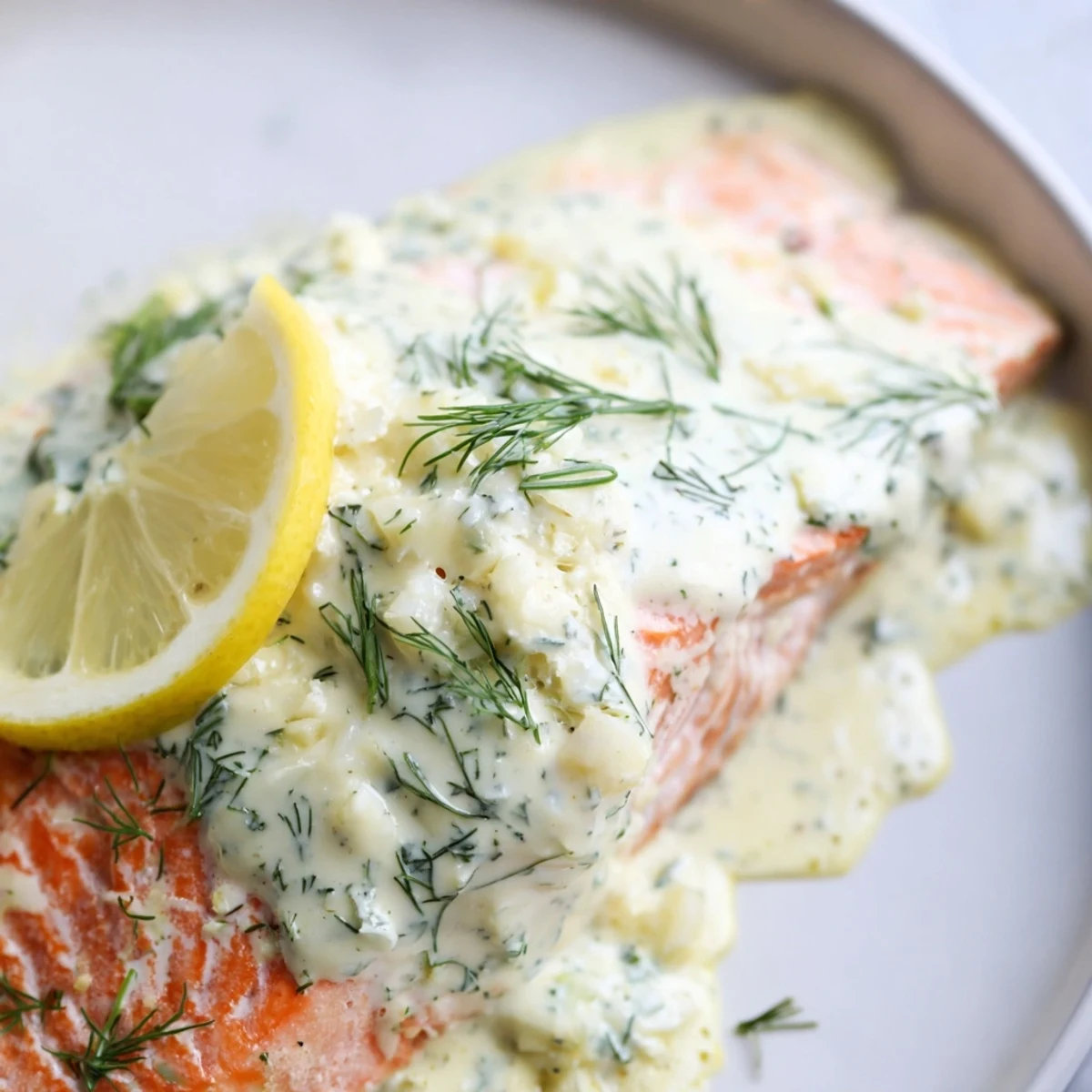
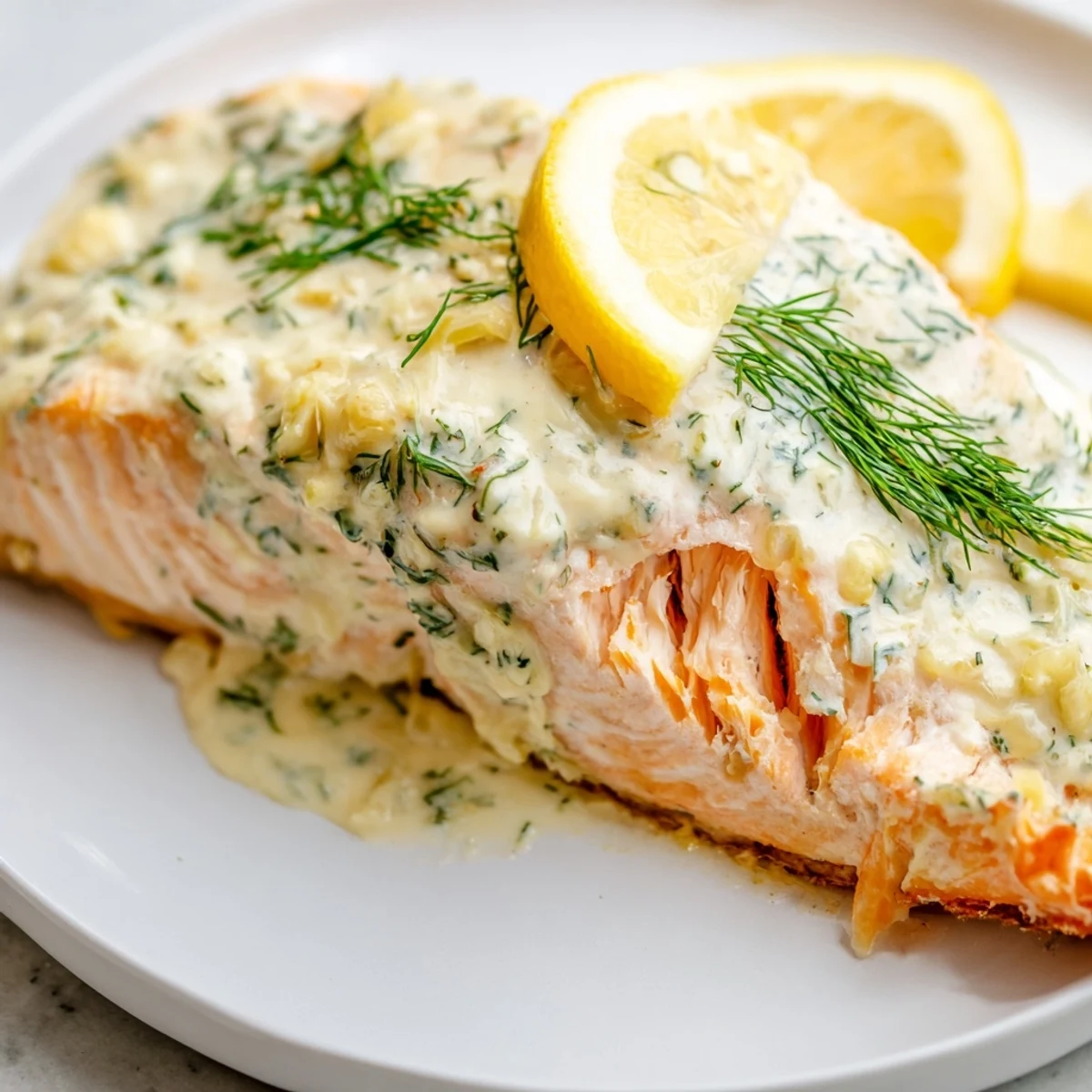
- Transfer your salmon to plates or a platter, spoon the warm sauce over the top, and scatter lemon slices and fresh dill as a final flourish if you'd like.
 Save
Save There was an evening when I made this for friends who were going through a tough time, and no one wanted to talk much at first. Then someone took a bite, and the whole table just... quieted into the kind of eating where people forget they're supposed to make conversation. That's when I realized this dish does something beyond nutrition; it creates a moment where everything else falls away for a few minutes.
Timing It Right
The beauty of this recipe is that the salmon and sauce finish at almost exactly the same moment if you start the sauce when the fish goes into the oven. Both need about 15 minutes of attention without hovering. If you're serving with sides—roasted potatoes or asparagus—get those going first so the oven space stays organized and nothing overlaps awkwardly.
Making It Your Own
For a lighter sauce, swap half the cream for Greek yogurt or use half-and-half instead; it loses some richness but gains a subtle tang that's equally lovely. If dill isn't your thing, tarragon works beautifully, or even a small amount of fresh thyme. The framework stays the same—butter, cream, lemon, and whatever fresh herb speaks to you.
Serving and Pairing
This dish wants something gentle alongside it—roasted potatoes with their edges just golden, or steamed asparagus that's bright green and still has a slight snap. A crisp salad works too if you want something lighter. A Sauvignon Blanc or Chardonnay at the table makes the whole meal feel intentional, but honestly, this salmon is good enough that it doesn't need anything to justify it.
- The lemon and dill flavor best when eaten warm, so time your plating so everything arrives hot on the plate.
- If you're cooking for a crowd, you can hold the sauce on low heat for a few minutes while the salmon comes out of the oven.
- Leftovers (if there are any) are wonderful cold the next day, though the sauce will thicken—just let it come to room temperature or warm it gently before serving.
 Save
Save This is the kind of recipe that builds confidence in the kitchen. Once you make it once, you know you can handle it, and then you start making it for people who matter, and suddenly you're the person who cooks elegant fish dinners on a Tuesday. That's a good place to be.
Recipe Questions & Answers
- → How do I know when the salmon is perfectly baked?
-
The salmon is done when it flakes easily with a fork and appears opaque throughout. Baking for 12-15 minutes at 200°C (400°F) usually ensures tender, flaky fillets.
- → Can I use dried dill instead of fresh?
-
Yes, dried dill can be substituted at about one-third the amount of fresh dill. It still provides the herbaceous flavor needed for the sauce.
- → What can I serve with the salmon and dill lemon sauce?
-
Roasted potatoes, steamed asparagus, or a crisp green salad complement the bright, creamy flavors of the dish perfectly.
- → How can I lighten the sauce without losing flavor?
-
Replacing half of the cream with Greek yogurt or using half-and-half reduces richness while maintaining creamy texture and tang.
- → What wines pair well with this salmon preparation?
-
Sauvignon Blanc or Chardonnay offer bright acidity and complementary citrus notes that enhance the lemon and dill flavors.