
 Save
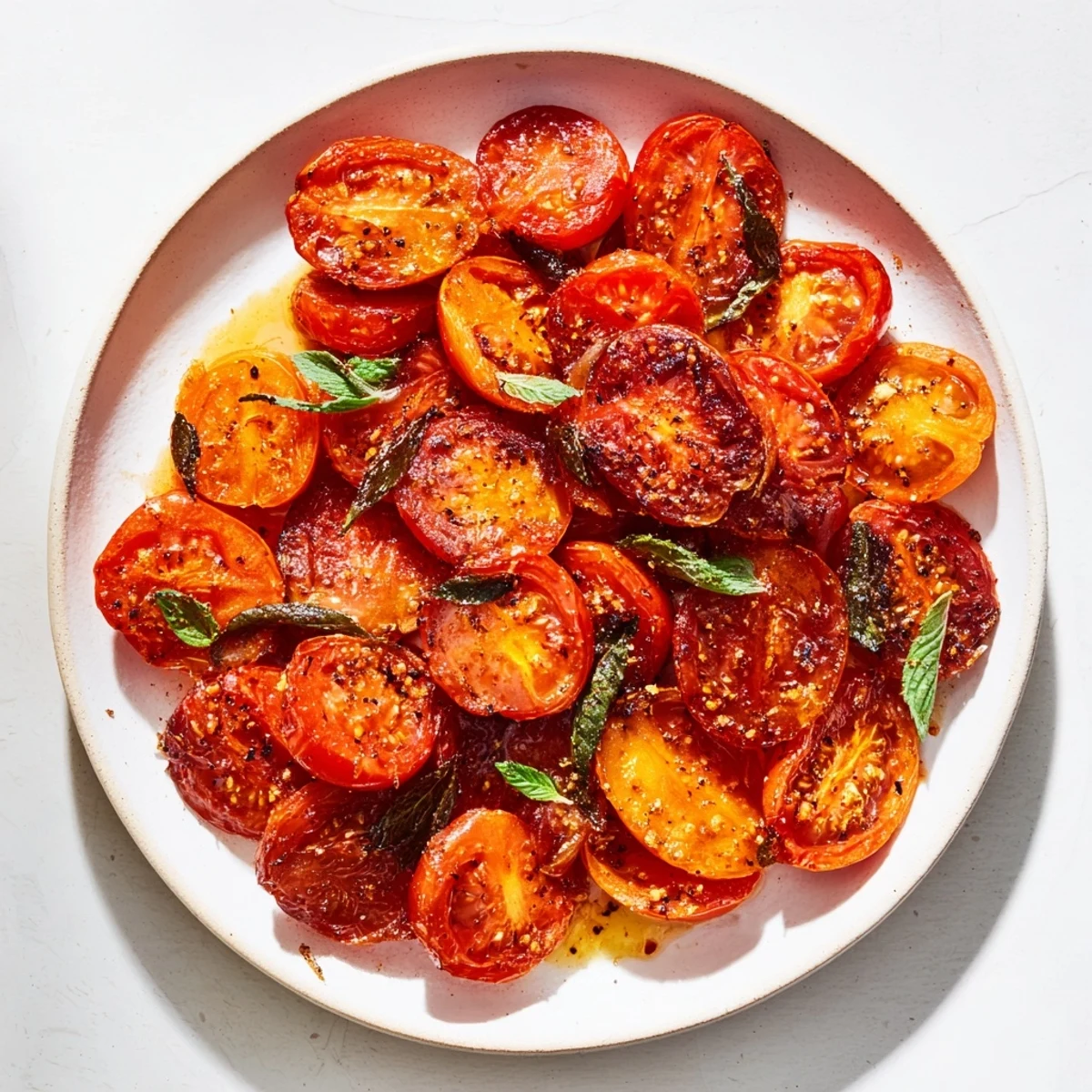
Save Roasting tomatoes enhances their natural sweetness and offers a rich, caramelized flavor. Halved tomatoes are drizzled with olive oil, seasoned with garlic, salt, pepper, and herbs, then baked until tender and slightly shriveled. This method creates a versatile ingredient perfect as a side or topping for salads, pastas, and bruschetta. Adding fresh basil and balsamic vinegar brings freshness and depth, making it a simple yet flavorful Mediterranean touch.
There's something almost magical about watching plain tomatoes transform in the oven—I discovered this by accident one summer when I had too many sitting on the counter and wanted to use them before they got soft. The heat concentrates everything that makes them special, turning the natural sugars into a caramelized glaze that tastes nothing like raw tomatoes and everything like summer itself.
I made these for a dinner party once where I was trying to impress someone who claimed to be a picky eater, and they ended up eating half the batch straight off the baking sheet while standing at my kitchen counter, not even bothering with a plate. That moment made me realize this wasn't just a side dish—it was something that could make people pause and actually taste their food.
Ingredients
- Ripe tomatoes, halved (1.5 lbs): The variety matters more than the amount; Roma tomatoes get deeper and more concentrated, while cherry tomatoes stay plump and intense—pick whichever calls to you at the market.
- Extra-virgin olive oil (3 tbsp): This is where quality shows, so use something you'd actually taste in a salad, not the cheap stuff hiding in the back of your pantry.
- Garlic, thinly sliced (3 cloves): The thin slices cook evenly and get crispy at the edges, which is exactly what you want.
- Sea salt (1 tsp): Larger crystals dissolve more slowly and season more thoughtfully than table salt.
- Freshly ground black pepper (½ tsp): Ground fresh makes a real difference in brightness; pre-ground pepper tastes tired by comparison.
- Dried oregano or thyme (1 tsp): Oregano leans Mediterranean and warm, while thyme is more subtle and herbal—either way works beautifully.
- Fresh basil, torn (2 tbsp, optional): Add this only at the end so it stays green and fragrant instead of turning dark and tired.
- Balsamic vinegar (1 tbsp, optional): A small drizzle at the end adds a sweet-tart note that makes people ask what you did differently.
Instructions
- Set your oven stage:
- Preheat to 400°F and line your baking sheet with parchment paper so the tomatoes don't stick and everything cleans up easily afterward.
- Arrange and layer:
- Place tomato halves cut-side up and scatter the thin garlic slices right over them—this way the garlic gets all the tomato juice and becomes almost confited.
- Dress them generously:
- Drizzle the olive oil, then season with salt, pepper, and dried herbs, making sure some seasoning gets into the little wells of each tomato half.
- Let the heat do the work:
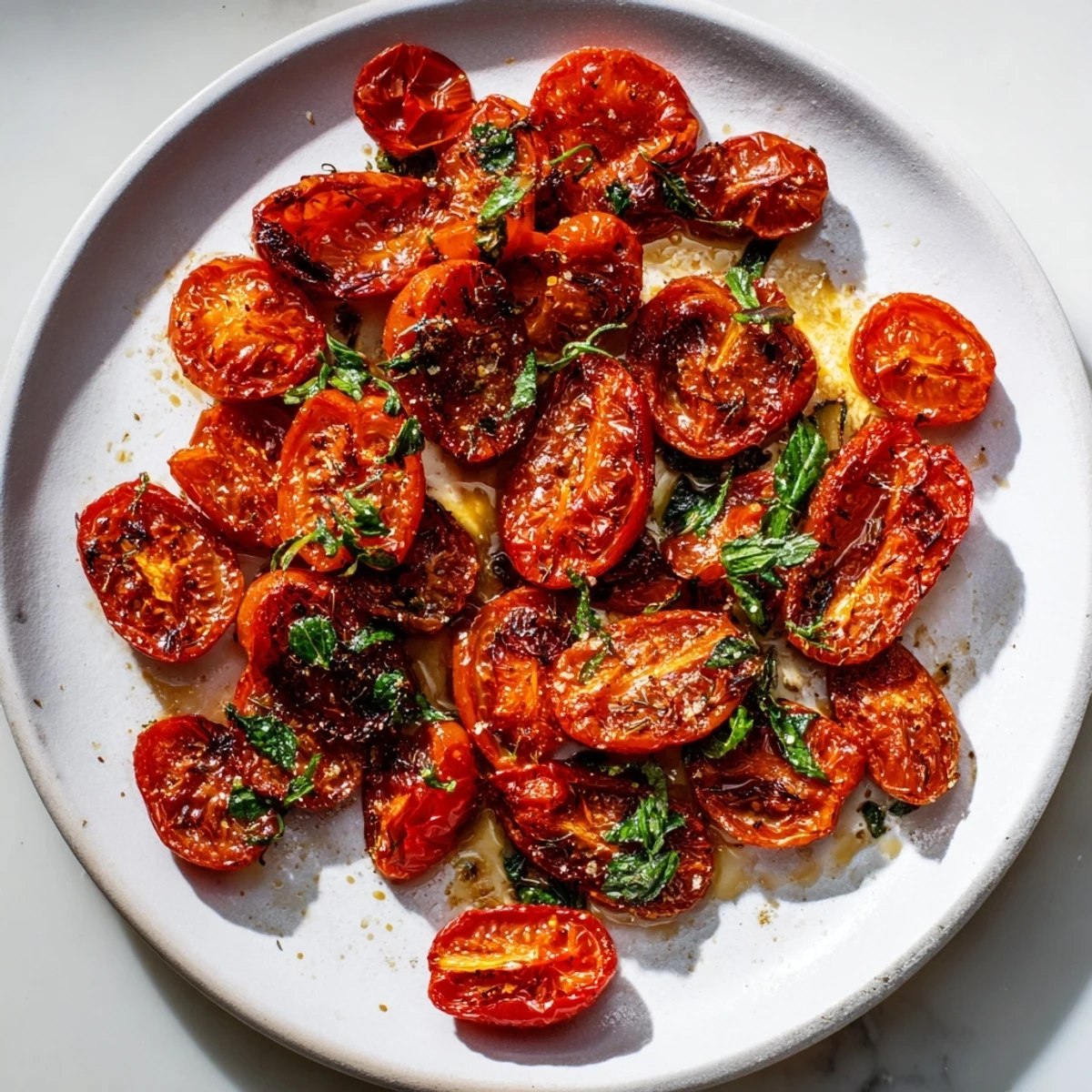
- Roast for 25 to 30 minutes until the edges curl slightly and the tomatoes look caramelized and concentrated—your kitchen will smell incredible.
- Finish with intention:
- Once they come out of the oven, add the balsamic vinegar and fresh basil if you're using them, while everything is still warm.
 Save
Save My neighbor once said these tasted like she was eating concentrated tomato memory, and that stuck with me—she was right. These aren't side dishes so much as proof that simple ingredients and patient heat can create something that tastes like more than the sum of its parts.
The Beauty of Caramelization
Caramelization is chemistry being generous—the natural sugars in tomatoes break down and recombine into new flavors that taste richer, deeper, and more complex than raw. The browning you see at the edges isn't burning; it's transformation, and it happens because you're giving the tomatoes room to breathe on high heat for just the right amount of time.
How to Use Them
I've tossed these warm into pasta with a little of the pan liquid and called it dinner, scattered them on toasted bread with soft cheese, layered them into salads for unexpected bursts of flavor, and served them alongside grilled fish where they add both richness and acidity. Cold or warm, they work—though warm straight from the oven is when they're most forgiving and most spectacular.
Storage and Variations
These keep beautifully in the fridge for almost a week, which means you can make a big batch and have them ready for whatever you feel like cooking. You can add a pinch of chili flakes before roasting for heat, substitute fresh rosemary for the oregano if you want something more woodsy, or even drizzle them with a tiny bit of honey if your tomatoes lean more sour than sweet.
- Keep a container in the fridge and add them to anything that needs a flavor boost.
- Warm them gently if you want them soft again, or eat them straight from the container if you're standing in front of the fridge looking for a snack.
- They're vegan and gluten-free, so they work for almost everyone at the table.
 Save
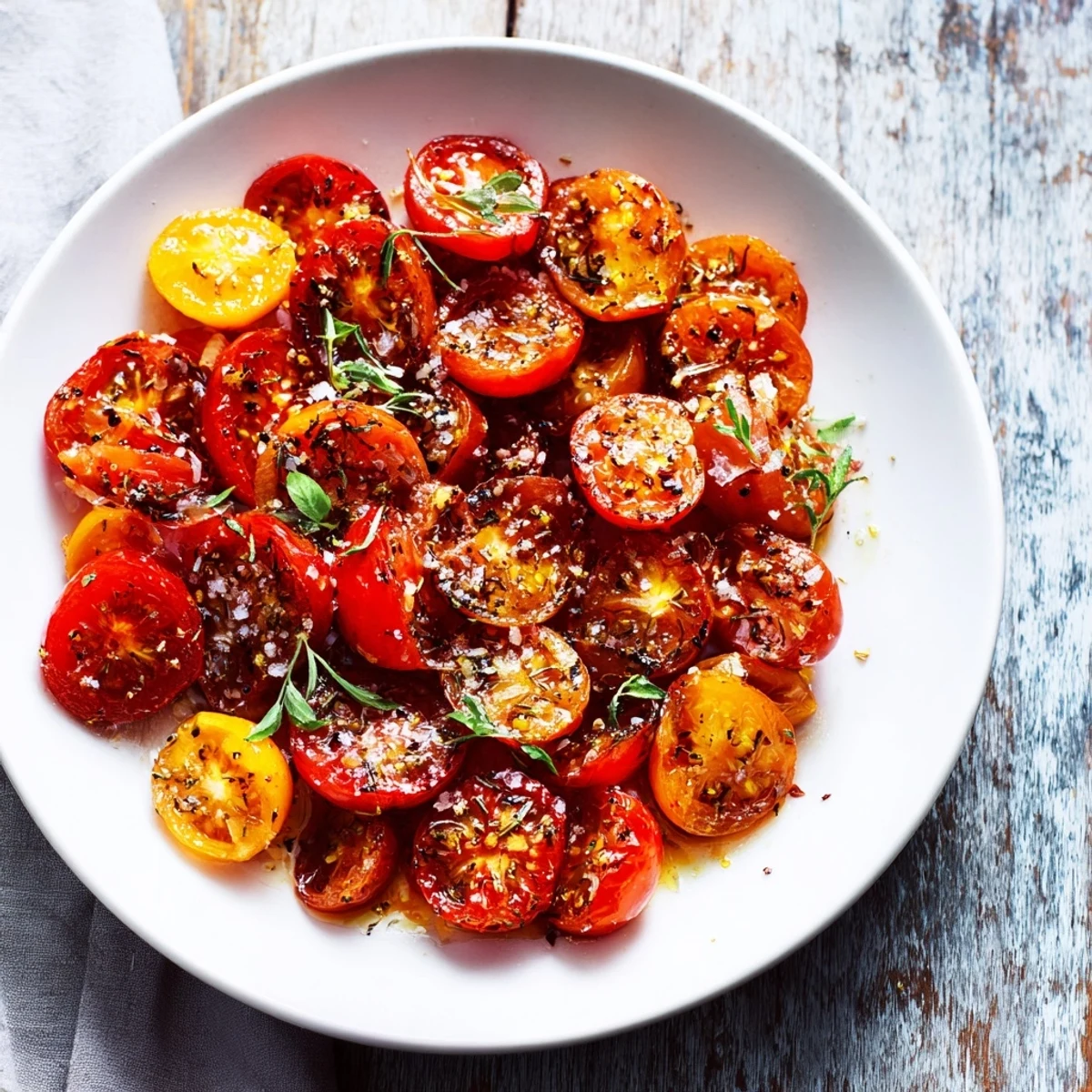
Save This recipe is a reminder that the best cooking doesn't require fancy techniques or long ingredient lists—just good raw materials and a little heat and time. Once you make these, you'll find reasons to make them again and again.
Recipe Questions & Answers
- → What type of tomatoes work best for roasting?
-
Roma and cherry tomatoes are ideal due to their firm texture and natural sweetness that intensifies when roasted.
- → How long should tomatoes be roasted for optimal flavor?
-
Roast at 400°F (200°C) for 25–30 minutes until caramelized and slightly shriveled at the edges.
- → Can I substitute fresh herbs for dried ones?
-
Yes, fresh thyme or rosemary can replace oregano to impart different herbal notes during roasting.
- → What are some suggested uses for roasted tomatoes?
-
Use them as a savory side dish, a topping for bruschetta, or mixed into pastas for added depth.
- → Is it necessary to use olive oil when roasting tomatoes?
-
Olive oil helps caramelize the tomatoes and enhances their flavor, though small variations are possible.