
 Save
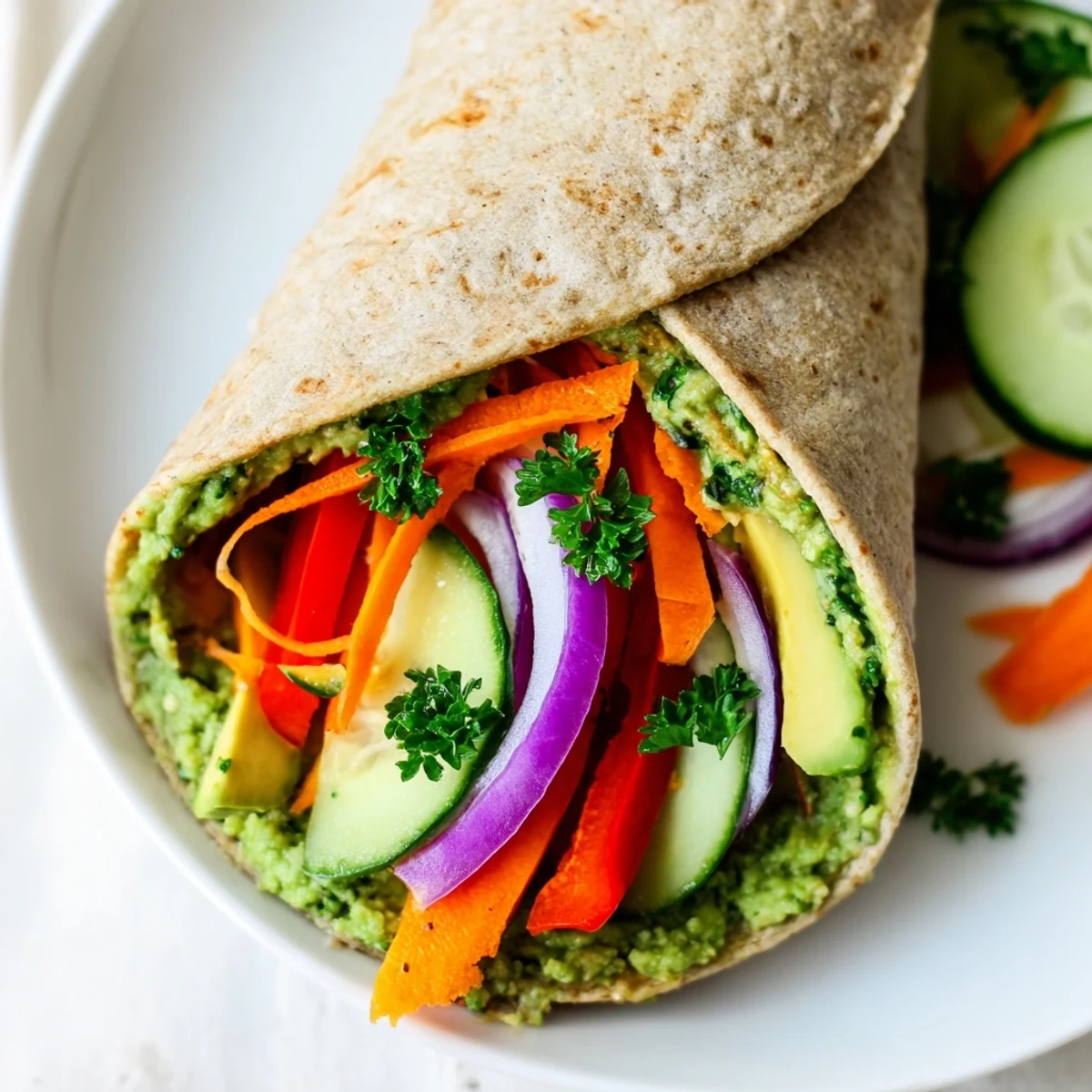
Save These vibrant wraps feature a velvety spinach-infused hummus spread that adds both color and nutrients to your midday meal. The combination of protein-rich chickpeas, fresh greens, and crunchy vegetables creates a perfectly balanced handheld lunch.
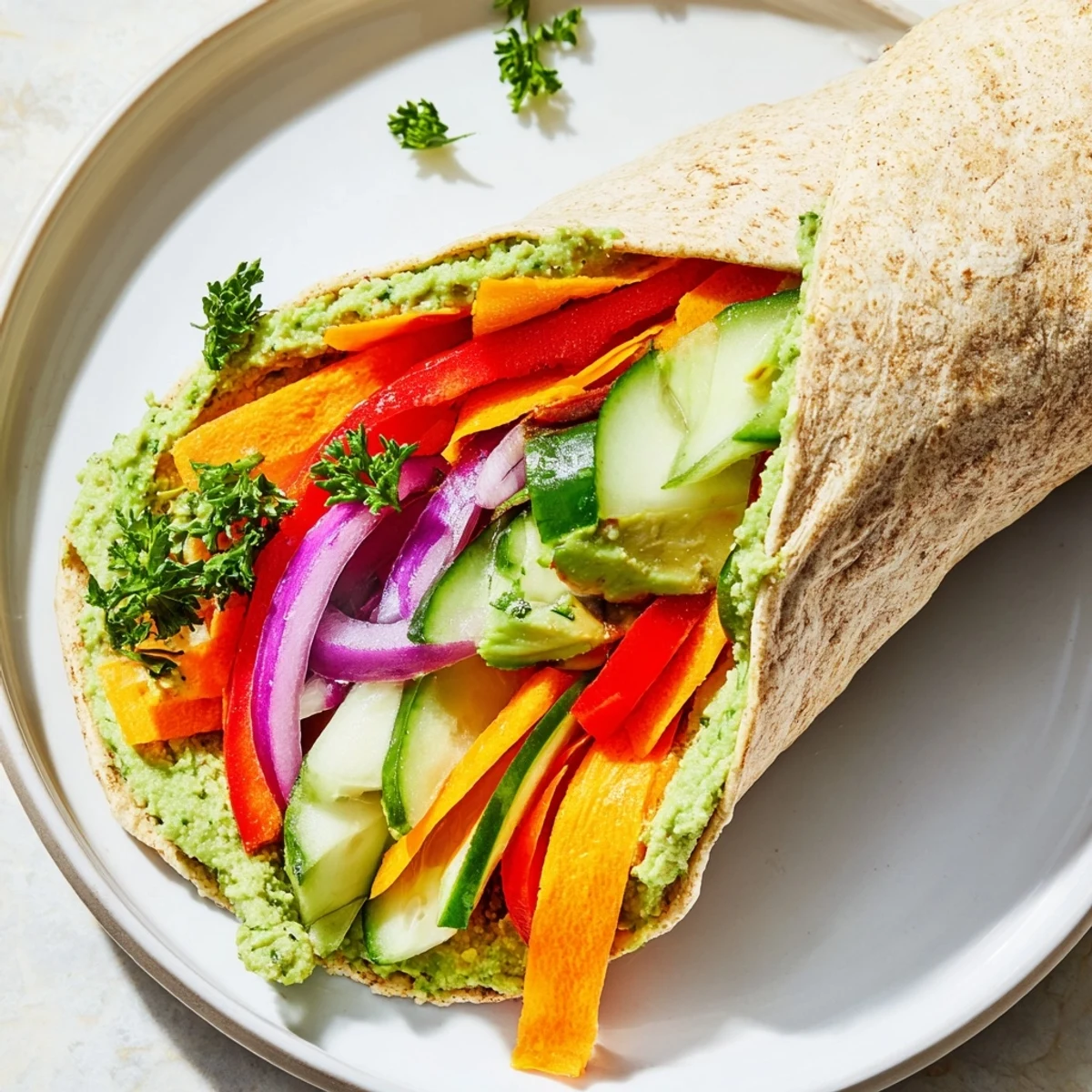
Simply blend chickpeas with baby spinach, garlic, tahini, and aromatic spices to create the signature green spread. Layer onto whole wheat tortillas with shredded carrots, crisp bell peppers, cool cucumber slices, and creamy avocado for texture contrast.
Ready in just 15 minutes with no cooking required, these wraps make excellent meal prep options. The flavors meld beautifully when wrapped tightly and stored for later, though they're best enjoyed fresh when vegetables retain their satisfying crunch.
My blender was on its last legs the afternoon I threw a handful of spinach into my usual hummus routine, hoping to sneak something green past my skeptical nephew who refused anything resembling a salad. The motor groaned, the chickpeas resisted, and for a chaotic minute I was sure the whole thing would end up painted on my kitchen ceiling. Somehow the velvety emerald paste that emerged was so good I ate half of it standing at the counter with a spoon before any wrap ever got rolled.
I packed these wraps for a park picnic last June and three strangers stopped to ask what smelled so fresh, which made me realize that lemon and cumin together have an unfair advantage over the entire outdoors.
Ingredients
- Canned chickpeas (1 cup, drained and rinsed): The rinsing step matters more than you think because that starchy liquid will dull the bright flavor you are after.
- Fresh baby spinach (2 cups): Pack it loosely into the measuring cup because you want volume, not compression.
- Garlic (1 large clove): One is enough here since raw garlic can hijack the whole wrap if you get greedy.
- Tahini (3 tbsp): Stir it well before measuring because separation makes the texture unpredictable.
- Lemon juice (2 tbsp): Fresh squeezed only because the bottled stuff tastes flat and dusty against the spinach.
- Olive oil (2 tbsp): A mild oil lets the other ingredients shine rather than competing with peppery notes.
- Ground cumin (1/2 tsp): This tiny amount bridges the gap between the hummus and the raw vegetables.
- Salt (1/2 tsp): Start here and adjust after blending because oversalted hummus is hard to fix.
- Cold water (2 to 3 tbsp as needed): Add it slowly because the hummus loosens fast once it starts.
- Whole wheat tortillas (4 large): Warm them for ten seconds so they bend without cracking.
- Shredded carrots (1 cup): Matchstick cuts hold up better inside a wrap than rough shreds.
- Red bell pepper (1 cup, thinly sliced): The sweetness balances the earthy hummus perfectly.
- Sliced cucumber (1/2 cup): English cucumbers avoid the watery mess that standard ones create.
- Red onion (1/4 cup, thinly sliced): Soak the slices in cold water for five minutes if you want to tame the bite.
- Avocado (1/2, sliced): Squeeze a little lemon juice on the slices to keep them from browning if you prep ahead.
- Plain Greek yogurt or non dairy alternative (1/4 cup, optional): A thin drizzle adds creaminess and a pleasant tang that ties everything together.
- Fresh parsley or cilantro (2 tbsp, chopped): Choose based on your mood because both work beautifully here.
Instructions
- Blend the green hummus:
- Toss the chickpeas, spinach, garlic, tahini, lemon juice, olive oil, cumin, and salt into your food processor and let it run until you see a smooth uniform green paste. Scrape the sides down once or twice because chickpeas love to hide in corners and stay chunky.
- Spread the base:
- Lay each tortilla flat and spread two to three tablespoons of hummus evenly across the surface, stopping just short of the edges so nothing squishes out later.
- Stack the fillings:
- Arrange the carrots, bell pepper, cucumber, red onion, and avocado in a line across the center, then drizzle with yogurt and scatter the herbs over everything.
- Roll and finish:
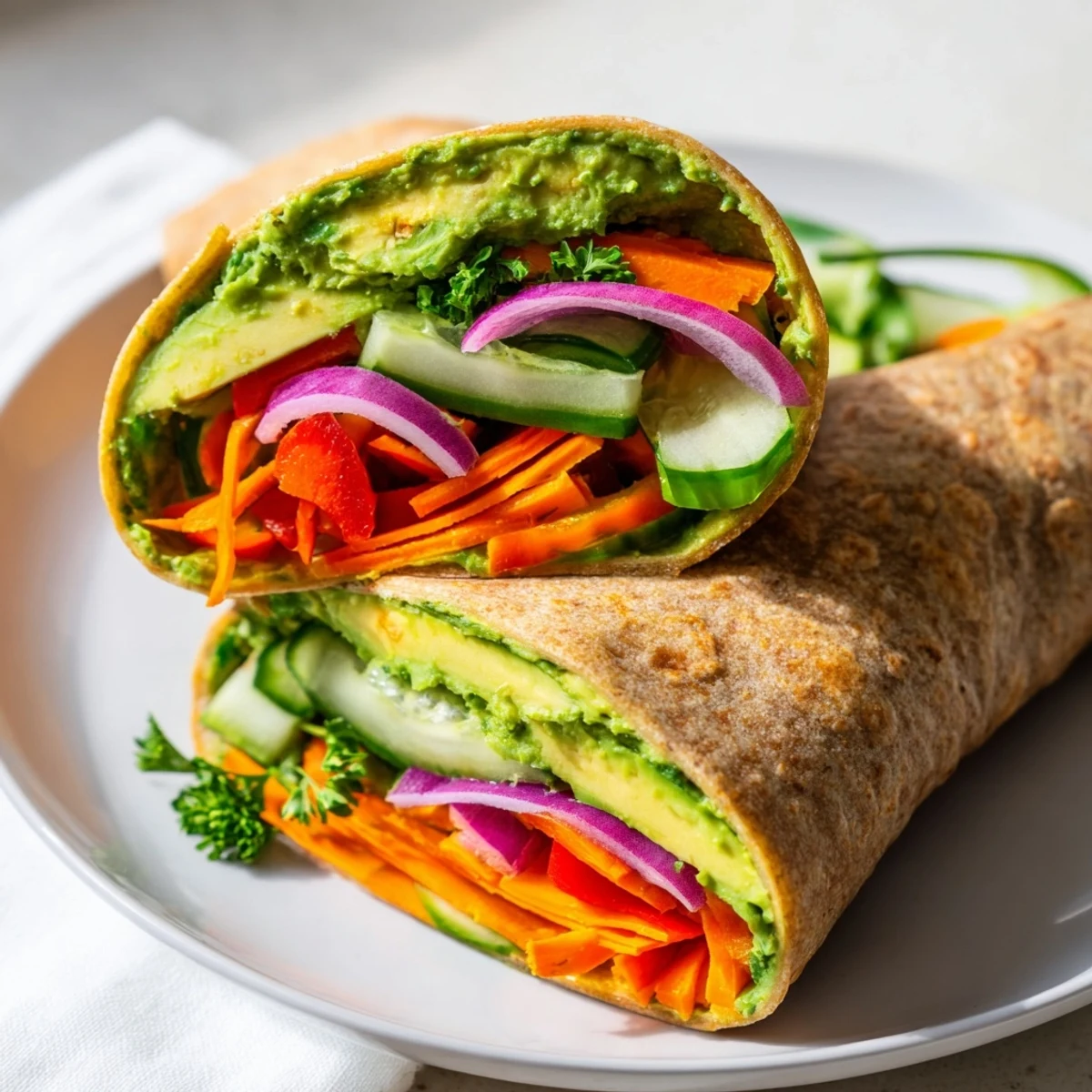
- Fold the left and right sides inward about an inch, then roll from the bottom up like a snug sleeping bag. Slice on a diagonal for the best presentation and serve right away or wrap each one in parchment paper for later.
 Save
Save A friend once told me these wraps got her through a brutal exam week because she could make a batch on Sunday and grab one every morning without thinking.
Making It Your Own
The beauty of a wrap is that it forgives substitutions beautifully, so treat the filling list as a suggestion rather than a rule. Grilled chicken strips, crumbled feta, or roasted chickpeas all earn a place here depending on what your fridge is holding. I have even used leftover roasted sweet potato slices with great success on a cold November afternoon when salad felt impossible.
Keeping Things Portable
Parchment paper is the secret weapon here because it grips the tortilla and keeps everything tightly bundled until you are ready to eat. Foil works in a pinch but tends to compress the filling into a sad flat cylinder. If you are packing these for lunch, assemble them the morning of rather than the night before so the tortilla does not get soggy from the vegetables.
What to Serve Alongside
A wrap on its own is a solid lunch but pairing it with something simple turns it into a proper meal. A handful of olives, some cut fruit, or a small cup of leftover soup all do the trick without extra effort.
- Try a side of cherry tomatoes tossed with olive oil and flaky salt for a two minute accompaniment.
- A few wedges of orange cleanse the palate between bites of the rich hummus.
- Remember that the wrap itself is already well balanced so keep sides light and effortless.
 Save
Save Some recipes become staples because they ask so little and give so much, and these wraps earned a permanent spot in my rotation the week I realized I looked forward to lunch again. Share them freely and do not be surprised when someone asks for the recipe.
Recipe Questions & Answers
- → Can I make the spinach hummus ahead of time?
-
Absolutely. The spinach hummus stores beautifully in an airtight container in the refrigerator for up to 5 days. The flavors actually develop and intensify after a day or two. Just give it a good stir before spreading, as the oil may separate slightly during storage.
- → What other vegetables work well in these wraps?
-
Feel free to customize based on what's in season or your personal preferences. Shredded red cabbage, thinly sliced radishes, julienned jicama, or roasted red peppers all add excellent crunch and flavor. Fresh microgreens or sprouts make lovely additions too.
- → How do I prevent the wraps from getting soggy?
-
Pat your sliced vegetables dry with paper towels before assembling, and avoid over-dressing with yogurt if storing for later. Consider placing a layer of sturdy greens like romaine or kale between the hummus and moister vegetables. Wrapping them tightly in parchment paper helps maintain structure.
- → Can I freeze these wraps for meal prep?
-
Freezing isn't recommended as the high water content in fresh vegetables creates texture issues upon thawing. However, you can prepare all components separately—the hummus, sliced vegetables, and tortillas—and assemble quickly when ready to eat. The hummus freezes beautifully on its own for up to 3 months.
- → What's the best way to roll wraps so they don't fall apart?
-
Start with room-temperature tortillas for better pliability. Spread your hummus evenly, leaving about an inch border around the edges. Layer fillings in a compact line rather than spreading them across the entire surface. Fold in the two sides first, then roll from the bottom up, tucking tightly as you go. Let them rest seam-side down for a few minutes before cutting.
- → Is there a substitute for tahini if I have a sesame allergy?
-
You can use sunflower seed butter or almond butter as alternatives, though the flavor profile will change slightly. Unsweetened Greek yogurt works too, creating a lighter, creamier base. For a nut-free option, try using extra olive oil and a touch of toasted sesame oil for that nutty essence without actual sesame.