
 Save
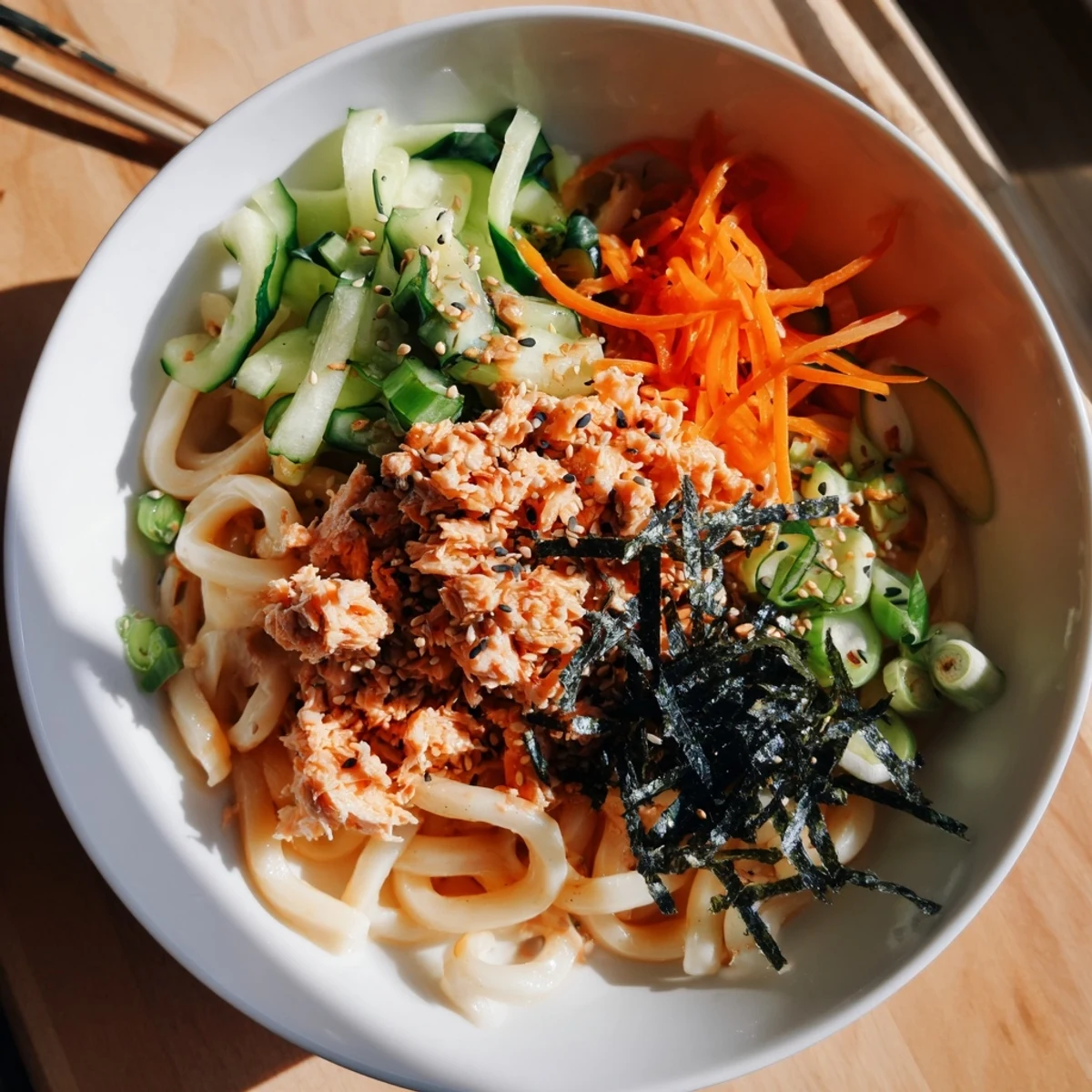
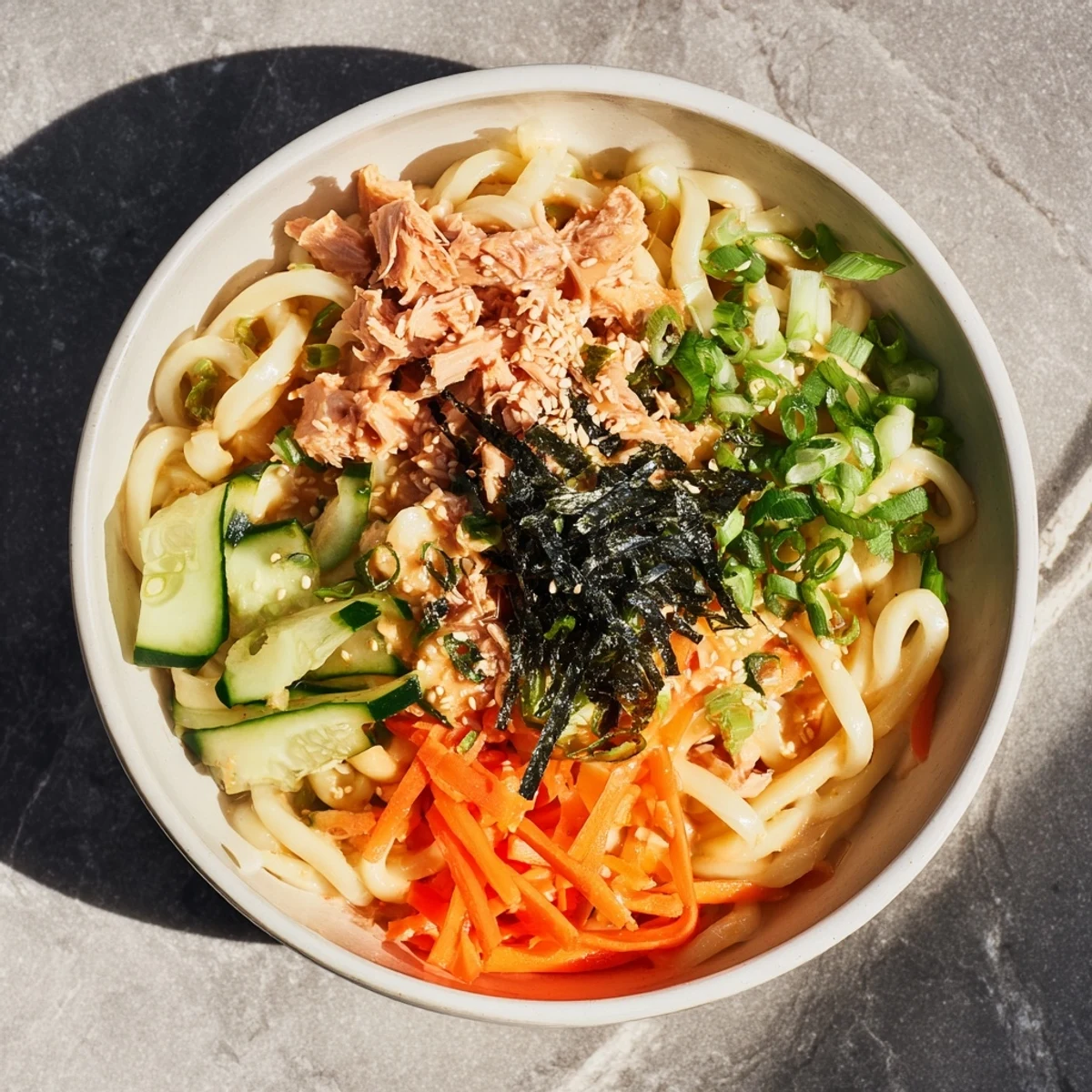
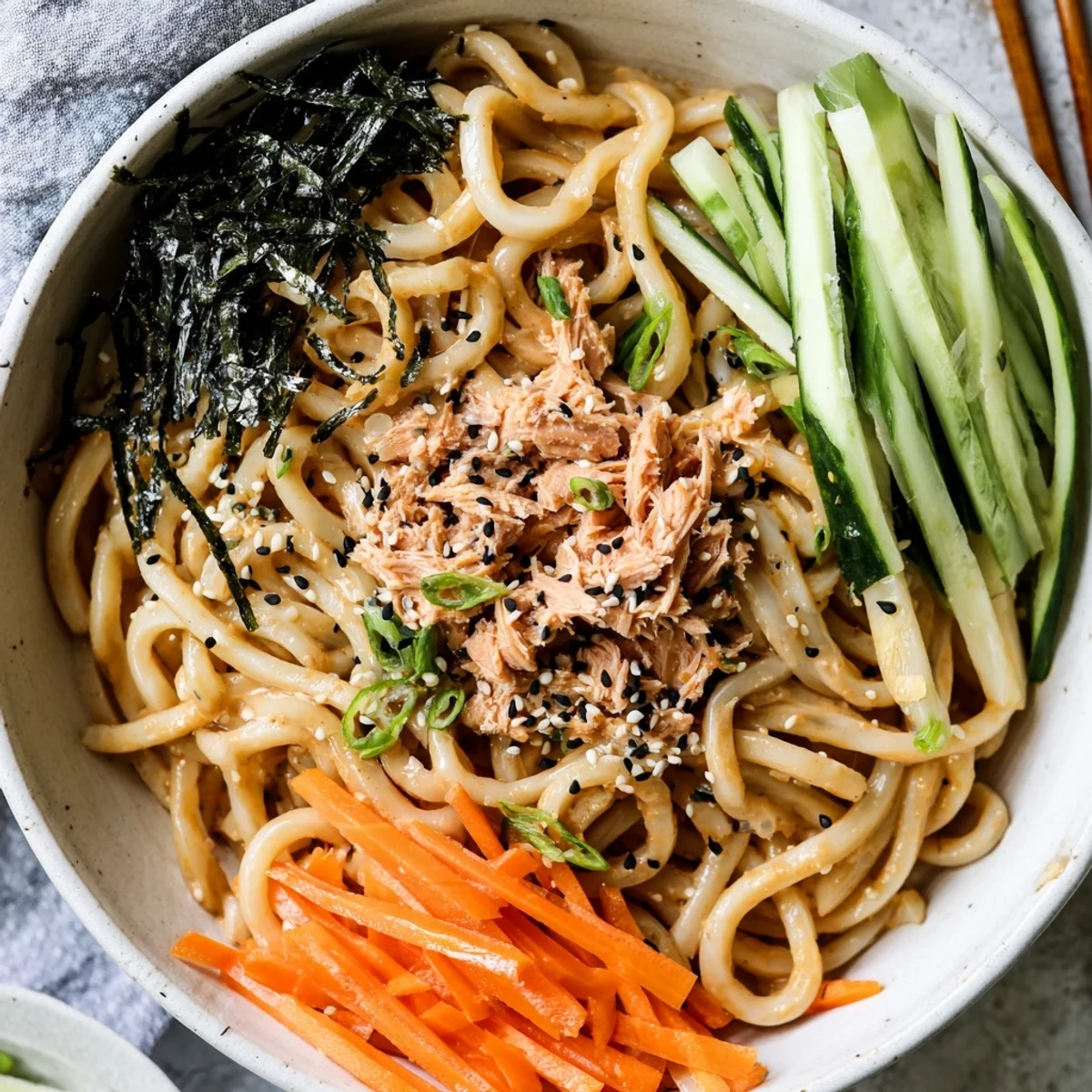
Save This vibrant noodle dish brings together thick, chewy udon with a spicy tuna sauce featuring mayonnaise, Sriracha, and soy. Fresh julienned carrots, crisp cucumber, and spring onions add crunch and brightness, while toasted sesame seeds and nori provide authentic Japanese flavors. Ready in just 25 minutes, this dish serves two perfectly and can be enjoyed chilled or at room temperature.
The exhaust fan in my tiny apartment kitchen was useless against the smell of sesame oil that evening, but honestly I did not mind one bit. I had stumbled home late, starving, with nothing but a can of tuna and some udon noodles from the back of the cupboard. What started as a desperate throw together meal turned into the kind of dish that makes you close your eyes at the first bite. That spicy, creamy tuna clinging to chewy noodles was a revelation I never saw coming.
I made this for my friend Kenji once after a long hike, and he stood over the kitchen counter eating straight from the mixing bowl before I could even plate it. There is something about the combination of heat, tang, and that rich mayonnaise coating every strand of noodle that makes people lose their manners in the best possible way.
Ingredients
- 200 g fresh or frozen udon noodles: Fresh udon gives you that bouncy, chewy texture that dried noodles simply cannot replicate, so grab them if you can find them.
- 120 g canned tuna in water, drained: Canned tuna keeps this quick and accessible, but leftover cooked tuna works beautifully if you happen to have some.
- 1/2 cup julienned carrot: Thin strips add a satisfying crunch and a flash of color that makes the bowl look as good as it tastes.
- 1/2 cup thinly sliced cucumber: Coolness from the cucumber balances the heat in the sauce perfectly.
- 2 spring onions, sliced: Their sharp bite cuts through the richness of the mayonnaise.
- 1 tablespoon pickled ginger, finely chopped (optional): A little pop of sweetness and tang that lifts the whole dish.
- 2 tablespoons mayonnaise (preferably Japanese Kewpie): Kewpie is richer and more tangy than regular mayo, and it makes the sauce impossibly silky.
- 1 tablespoon Sriracha: Gives a steady, building warmth without overwhelming the other flavors.
- 1 tablespoon soy sauce: Adds depth and saltiness that ties everything together.
- 1 teaspoon sesame oil: Just a small amount fills the kitchen with that unmistakable nutty aroma.
- 1 teaspoon rice vinegar: Brightens the sauce with a gentle acidity.
- 1/2 teaspoon sugar: Rounds off the sharp edges and helps the flavors meld.
- 1 tablespoon toasted sesame seeds: A finishing sprinkle that adds both texture and a mild, toasty flavor.
- 1 sheet nori, torn into small pieces: Brings a whisper of ocean and a satisfying chew.
- Fresh chili slices (optional): For those who want an extra punch of fire on top.
Instructions
- Cook and cool the noodles:
- Boil the udon according to the package directions, then drain and rinse them under cold running water until they are completely cool to the touch. This stops the cooking immediately and keeps them bouncy.
- Build the spicy tuna sauce:
- In a mixing bowl, combine the drained tuna, mayonnaise, Sriracha, soy sauce, sesame oil, rice vinegar, and sugar. Stir everything thoroughly until you have a thick, fragrant, pink hued sauce that smells incredible.
- Fold in the vegetables:
- Add the julienned carrot, sliced cucumber, spring onions, and pickled ginger to the bowl. Toss gently so the vegetables get lightly coated without turning mushy.
- Bring it all together:
- Add the cooled udon noodles to the bowl and toss with your tongs or hands until every strand is slicked with that spicy tuna sauce. Take a moment to make sure nothing is hiding at the bottom.
- Plate and garnish:
- Divide the noodles between two bowls and shower them with toasted sesame seeds, torn nori pieces, and fresh chili slices if you are feeling brave. Serve right away while the textures are at their peak.
 Save
Save There was a rainy Tuesday when I ate this curled up on the couch with chopsticks and a terrible movie, and somehow that bowl of noodles made the whole evening feel intentional and warm instead of sad and soggy.
Making It Your Own
I have swapped the cucumber for shredded cabbage when that was all I had, and once I tossed in some leftover edamame for extra heft. The beauty of this recipe is its forgiving nature, so treat it as a template rather than a rulebook.
What to Drink With It
A cold, dry sake cuts through the richness of the sauce like nothing else, though a crisp glass of Sauvignon Blanc does the job nicely too. On weeknights when I am not drinking, a glass of iced barley tea feels surprisingly right alongside the spicy tuna.
Leftovers and Storage
This dish is best eaten the day you make it because the noodles soak up the sauce overnight and lose some of their chew. If you do have leftovers, store them in an airtight container in the fridge and give them a quick toss with a splash of soy sauce and a squeeze of lime before eating.
- A soft boiled egg with a jammy yolk on top turns this into something worthy of a proper dinner party.
- Greek yogurt works as a lighter stand in for mayonnaise if you want something less rich.
- Always check your soy sauce and mayonnaise labels for hidden allergens if you are cooking for someone with dietary restrictions.
 Save
Save Some meals are about planning and precision, but this one is about appetite meeting opportunity and walking away happy every single time. Keep a can of tuna and some udon in your pantry, and you will never be far from a genuinely great meal.
Recipe Questions & Answers
- → Can I use fresh tuna instead of canned?
-
Yes, you can substitute 120g of cooked fresh tuna, flaked into pieces. Grill or pan-sear the tuna first, let it cool, then flake before tossing with the spicy sauce.
- → How spicy is this dish?
-
The spice level is moderate with 1 tablespoon of Sriracha. You can easily adjust by reducing to half for mild heat or increasing to 2 tablespoons for extra kick.
- → Can I make this ahead of time?
-
This dish is perfect for meal prep. The flavors actually improve after sitting for a few hours. Store in an airtight container in the refrigerator for up to 2 days.
- → What can I substitute for udon noodles?
-
Soba noodles, thick rice noodles, or even linguine work well. Just adjust cooking time according to package instructions for your chosen noodle type.
- → Is this served hot or cold?
-
This versatile dish works both ways. Serve immediately at room temperature, or chill in the refrigerator for 30 minutes for a refreshing cold noodle salad.
- → Can I make it lighter?
-
Substitute Greek yogurt for mayonnaise to reduce calories while maintaining creaminess. You can also increase the vegetable ratio for more volume.