
 Save
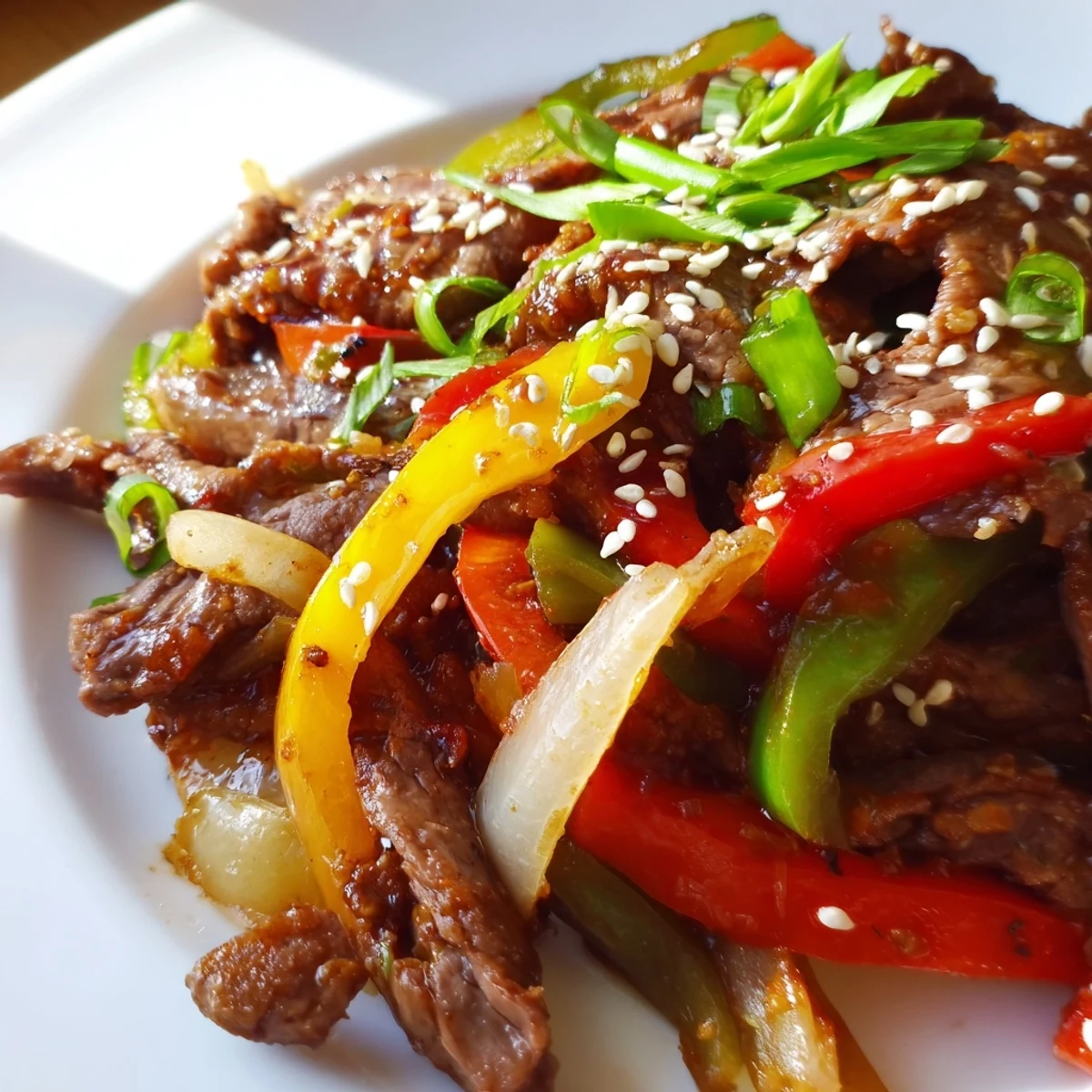
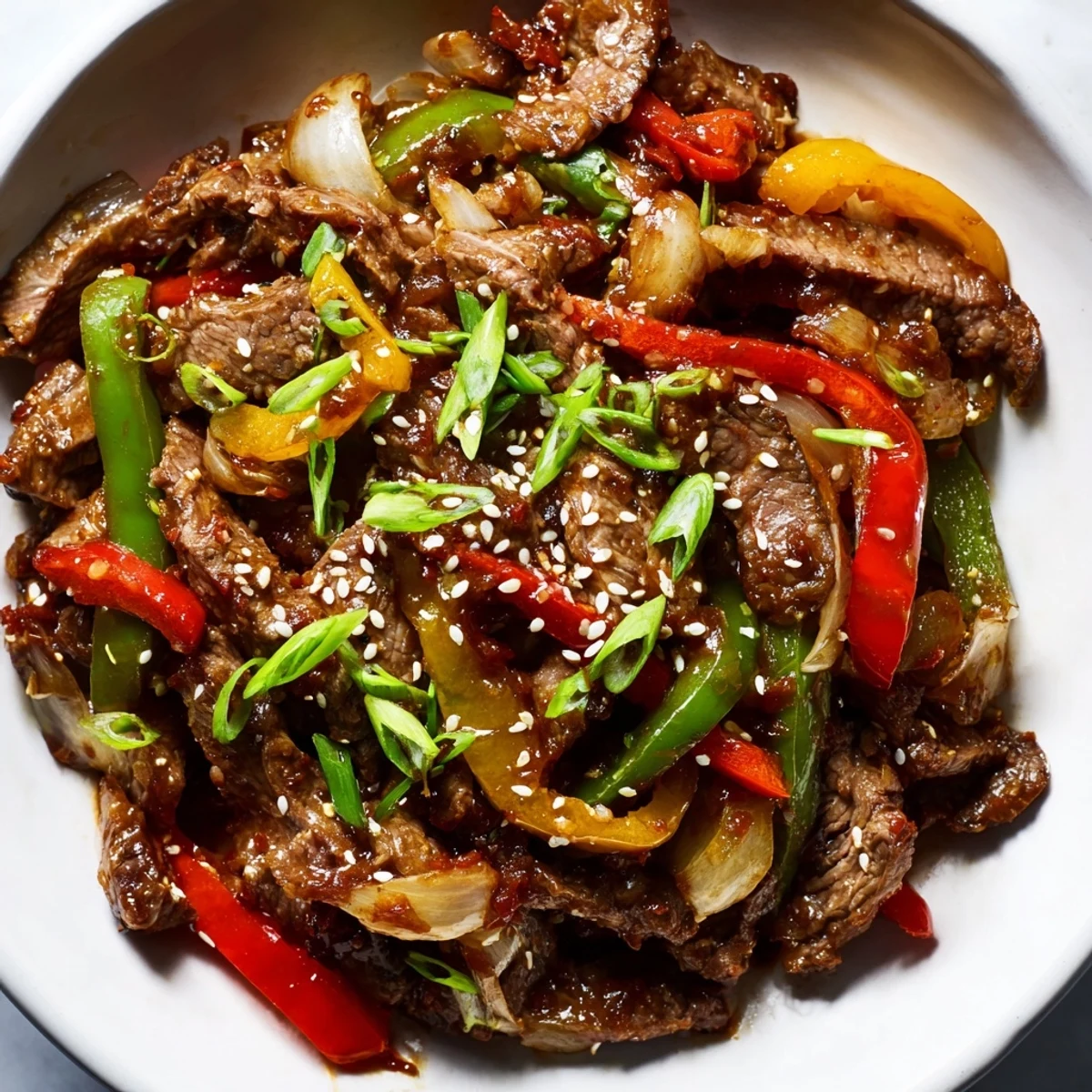
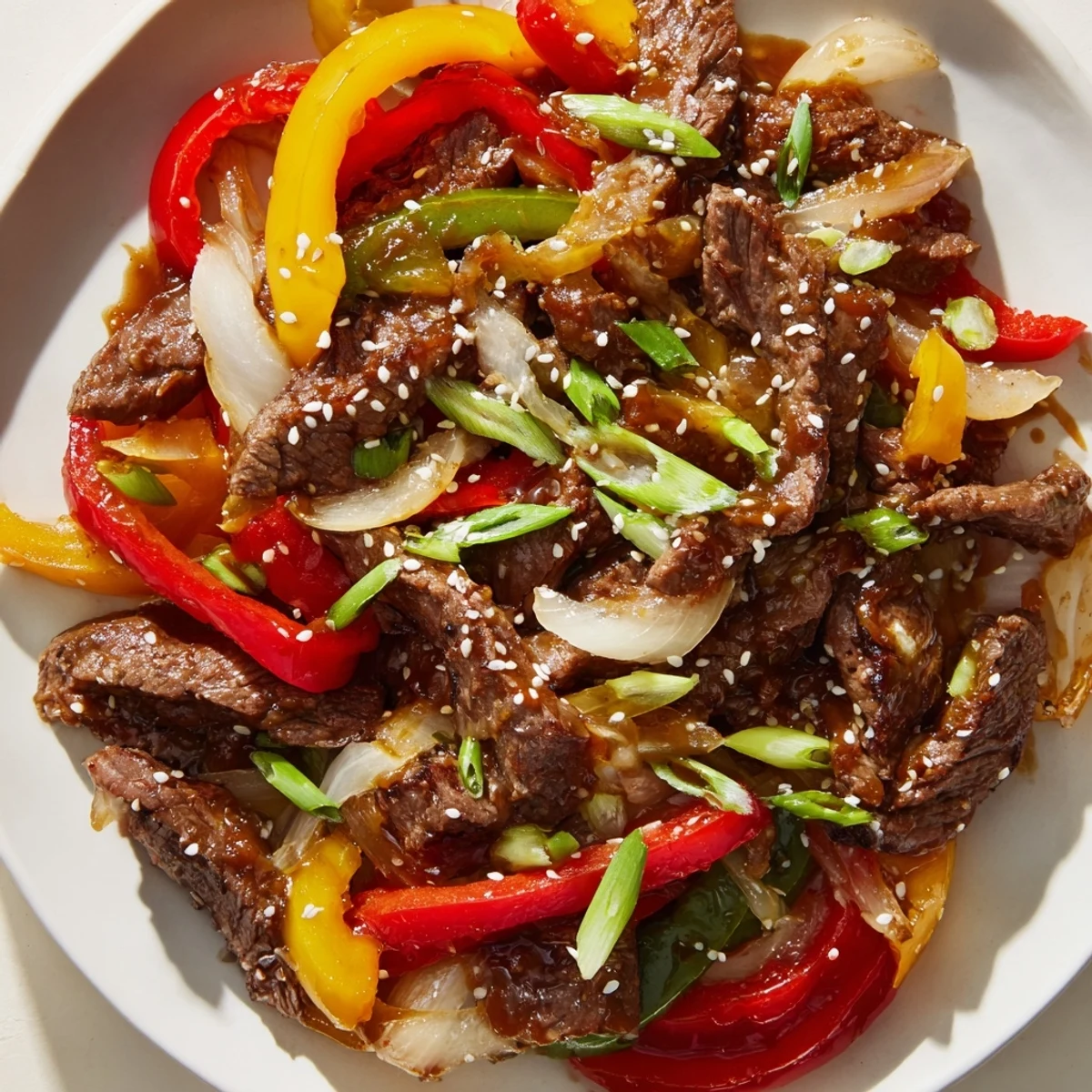
Save This dish features thinly sliced beef marinated and quickly stir-fried with three types of bell peppers, garlic, ginger, and onions. The bold, spicy sauce brings a vibrant flavor, enhanced by soy and oyster sauces balanced with brown sugar and rice vinegar. Garnished with scallions and toasted sesame seeds, it offers a fast, colorful, and satisfying dinner option perfect for busy evenings.
There's something about the sizzle of beef hitting a screaming hot wok that makes me feel like I actually know what I'm doing in the kitchen. My partner came home one Tuesday evening craving something spicy and fast, and I threw this together without thinking too hard—just instinct and whatever peppers were in the crisper drawer. The whole thing came together in the time it took to boil water for rice, and somehow it tasted like I'd spent hours on it.
I learned this lesson the hard way when I tried to cook everything at once and ended up with soggy peppers and rubbery beef. Now I follow the sequence religiously—sear the meat first, get it out of the way, then build everything else around it. That's when it all clicks into place, and you realize why restaurants make this look so easy.
Ingredients
- Flank steak or sirloin, thinly sliced against the grain (500 g): Slicing against the grain breaks down the muscle fibers and makes every bite tender. I learned this the hard way after chewy stir-fries, and it genuinely changed everything.
- Soy sauce (1 tbsp for marinade, 2 tbsp for sauce): This is your savory backbone, but don't oversalt by accident—the oyster sauce adds saltiness too.
- Cornstarch (1 tbsp): This coats the beef and helps it stay tender while creating that silky texture that catches the sauce.
- Sesame oil (1 tsp): Just a touch of this perfumes the entire dish without overpowering it—resist the urge to add more.
- Bell peppers in three colors (1 each, thinly sliced): The mix looks beautiful and each color brings slightly different sweetness. Don't skip the prep work here; uniform slices cook evenly.
- Onion and garlic (1 medium onion, 2 cloves garlic, minced): These are your flavor base and should be minced small enough to distribute throughout every bite.
- Fresh ginger (1 tbsp minced): Buy it fresh if you can; dried ginger tastes completely different and won't give you that bright, warming punch.
- Oyster sauce (1 tbsp): This adds umami depth that soy sauce alone can't do. It's not fishy if you use a good brand.
- Chili garlic sauce (1 tbsp, adjust to taste): This is where the spice lives. Sriracha works in a pinch, but chili garlic sauce is thicker and coats better.
- Brown sugar (2 tsp): Just enough to balance the heat and salt without making it sweet—don't skip this.
- Rice vinegar (1 tbsp): This adds brightness and keeps the sauce from tasting flat. White vinegar is harsher; rice vinegar is gentler.
- Vegetable oil (2 tbsp): Use something with a high smoke point; peanut oil is ideal if you have it.
- Scallions and sesame seeds (optional garnish): These are the final touch that make it feel finished, not rushed.
Instructions
- Coat and rest the beef:
- Toss your sliced beef with soy sauce, cornstarch, and sesame oil in a bowl, coating each piece evenly. Let it sit for 10 minutes while you prep everything else—this gives the cornstarch time to absorb into the meat and creates a protective layer when it hits the heat.
- Mix the sauce ahead:
- Whisk together soy sauce, oyster sauce, chili garlic sauce, brown sugar, rice vinegar, and water in a small bowl. Having this ready means you won't scramble when everything is cooking fast.
- Sear the beef hard and fast:
- Heat 1 tbsp oil in your wok over high heat until it's shimmering and almost smoking. Add the beef in a single layer—don't crowd the pan—and let it sit for 1–2 minutes without moving it. You want a caramelized crust, not a steamed pile of meat.
- Build the aromatics:
- Add the remaining oil, then immediately add onion, garlic, and ginger. Stir constantly for about 1 minute until the kitchen smells incredible and the garlic is just barely golden.
- Cook the peppers to crispness:
- Toss in all three colors of sliced bell peppers and stir-fry for 2–3 minutes. You want them soft enough to eat but still with a little snap when you bite—overcooked peppers taste like sad sadness.
- Bring it all together:
- Return the beef to the wok, pour in your sauce, and toss everything for 2 minutes until the beef is warmed through and the sauce clings to every piece. The whole thing should look glossy and unified.
- Finish and serve:
- Remove from heat, scatter scallions and sesame seeds on top if you're using them, and serve immediately over rice or noodles. This dish waits for no one.
 Save
Save I once made this for a dinner party and got so caught up talking that I added the sauce too early, and the whole thing turned into a soggy mess by the time we sat down. Now I time it so the final stir happens right before I plate it, and I remind myself that perfection is about restraint, not rushing.
The Secret of High Heat
This recipe lives or dies by temperature. You need your wok or skillet hot enough that a drop of water sizzles and disappears in a second. If you're timid with the heat, the beef will release its moisture and braise instead of sear, and everything becomes soft and mushy instead of dynamic. I learned this by watching a friend who can cook cook, and it was like someone flipped a switch in my brain.
Why Thin Slicing Matters
Thin slices of beef and vegetables cook in minutes, which is the whole point of stir-frying. Thick pieces need longer heat exposure, which means everything else gets overcooked waiting around. A sharp knife and a steady hand matter more than you'd think—and if you're nervous, partially freezing the beef for 15 minutes makes it easier to slice cleanly. The vegetables should be uniform too, so everything finishes cooking at the same moment and you don't end up with crunchy peppers and mushy onions.
Customizing Heat and Flavor
This dish is endlessly flexible once you understand the foundation. Some nights I crank the chili garlic sauce to almost uncomfortable levels; other nights I pull it back and add a splash more rice vinegar for brightness instead. You can swap the beef for chicken thighs—which are more forgiving and stay juicier—or tofu if you're feeding vegetarians. The peppers can become snap peas, broccoli, or mushrooms depending on what's in season or what you actually like eating.
- Tone down the chili garlic sauce for people who don't love heat, and let everyone adjust it at the table with hot sauce on the side.
- If you use tofu, press it well and use extra-firm; it'll hold up better to the high heat and aggressive stirring.
- Leftover stir-fry is best eaten immediately, but it reheats okay in a hot wok or skillet if you add a splash of water to restore moisture.
 Save
Save This stir-fry is the kind of dish that reminds you why cooking feels good—it's fast, it's alive, and it tastes like you tried. Serve it with whatever rice or noodles you have, and enjoy it while it's hot.
Recipe Questions & Answers
- → What cut of beef is best for this dish?
-
Flank steak or sirloin sliced thinly against the grain works best to keep the beef tender and cooks quickly.
- → Can I adjust the spice level?
-
Yes, modify the amount of chili garlic sauce to match your preferred heat intensity.
- → What vegetables complement the dish?
-
Red, yellow, and green bell peppers add color and crunch, balanced by onion, garlic, and fresh ginger for aroma.
- → Is it possible to substitute beef with other proteins?
-
Chicken or tofu make excellent alternatives, adapting cooking times accordingly for tenderness.
- → What side dishes pair well with this meal?
-
Steamed jasmine rice or stir-fried noodles balance the savory flavors and absorb the sauce well.