
 Save
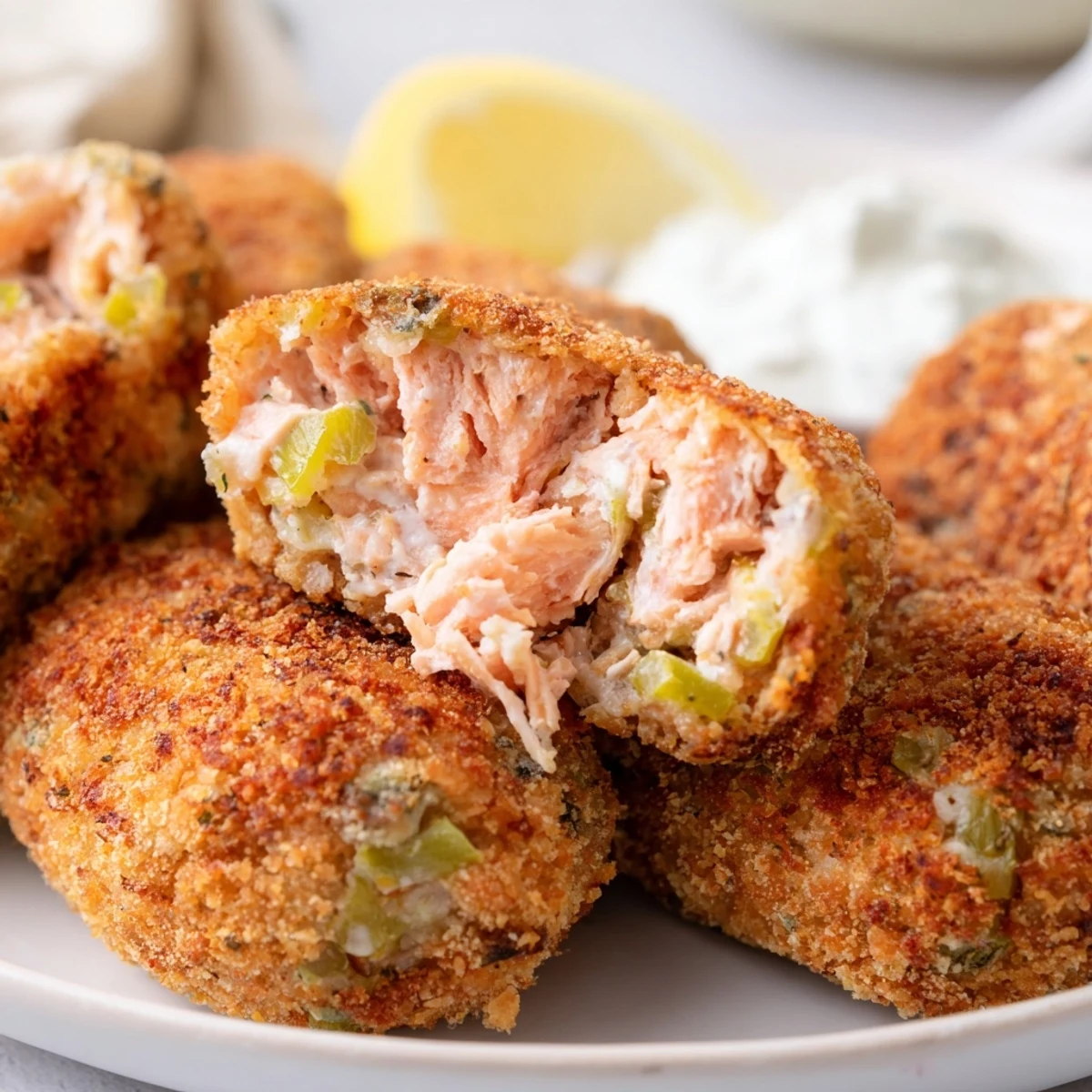
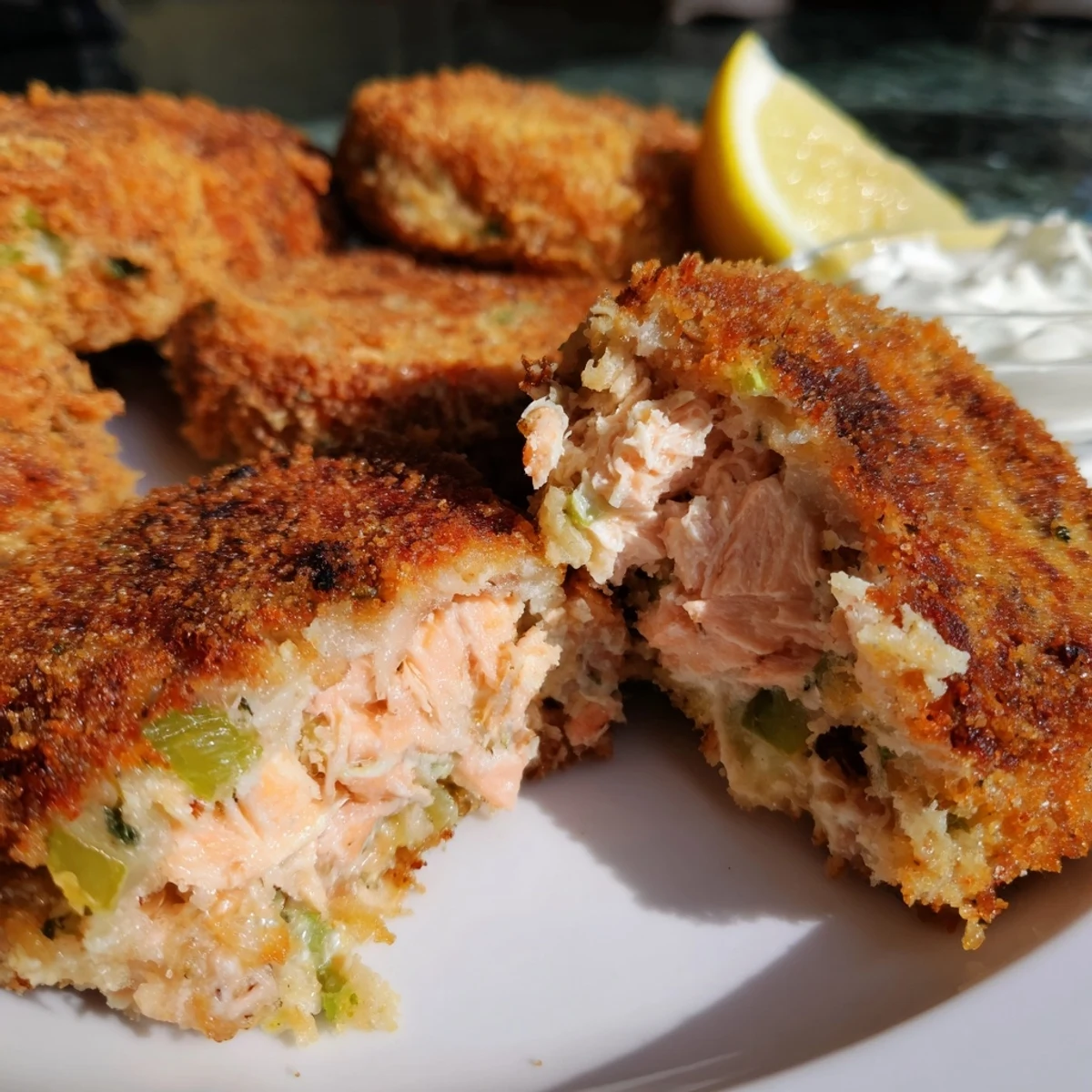
Save These Southern-style salmon croquettes deliver perfect contrast—crispy golden exterior giving way to moist, seasoned salmon inside. Each patty balances flaky fish with diced onion, bell pepper, and celery, plus a blend of Dijon mustard, Worcestershire, smoked paprika, and garlic powder. The traditional preparation uses canned salmon for convenience and authentic flavor, though fresh cooked salmon works beautifully too. Pan-frying creates that characteristic crunch while keeping the interior moist and flavorful. Serve them hot with lemon wedges, tartar sauce, or hot sauce alongside creamy grits, coleslaw, or a fresh green salad for a complete Southern meal.
The smell of these frying always pulls my husband into the kitchen, asking what's making the house smell like a Sunday supper at his grandmother's. I stumbled onto salmon croquettes during a tight budget month in college, when fresh fish felt like a luxury I couldn't afford. Now they're a regular rotation, not just for the price tag but because that crispy golden exterior gives way to the most tender, savory inside that somehow feels indulgent despite being so humble.
My sister claimed she hated canned fish until she showed up unexpectedly one evening and I threw these together. She took one suspicious bite, eyes went wide, and proceeded to eat three croquettes standing right at the counter. Now she texts me whenever she spots salmon on sale, just to confirm she remembers the ratios correctly.
Ingredients
- Pink salmon: The drained cans work perfectly here, and I've learned to pick through carefully for any hidden bones that escaped the first pass
- Eggs: These bind everything together, so room temperature eggs incorporate much more evenly into the mixture
- Onion, bell pepper, and celery: Finely diced is the key—big chunks will make your patties fall apart in the oil
- Breadcrumbs: Keep extra on hand because the mixture thickness varies depending on how well you drained the salmon
- Mayonnaise and Dijon mustard: This combo adds moisture and a subtle tang that cuts through the richness
- Worcestershire sauce: Don't skip this—it adds that deep umami note that makes people wonder what your secret ingredient is
- Garlic powder and smoked paprika: The smoked version specifically gives that authentic Southern flavor profile
- Flour for coating: A light dusting creates the perfect base for that golden crust to form
- Vegetable oil: You want enough oil to come about halfway up the sides of each croquette for even frying
Instructions
- Mix everything gently:
- Combine the salmon, eggs, vegetables, breadcrumbs, mayonnaise, mustard, Worcestershire, and spices in a large bowl, folding just until everything holds together—overworking makes dense croquettes.
- Shape your patties:
- Form the mixture into eight even patties about a half inch thick, pressing firmly but gently so they hold their shape without compacting the texture.
- Dust with flour:
- Lightly roll each patty in flour and shake off any excess, then optionally press them into extra breadcrumbs if you want extra crunch.
- Get the oil hot:
- Heat your oil in a large skillet over medium heat until it shimmers slightly—too cold and they'll soak up grease, too hot and they'll burn before cooking through.
- Fry until golden:
- Cook the croquettes in batches without crowding the pan for three to four minutes per side until deeply golden and crisp, then drain on paper towels.
 Save
Save These became my go-to when my dad was recovering from surgery and couldn't handle heavy meals. He'd request them weekly, saying they felt like real food without weighing him down, and eventually I was making double batches just to keep some in his freezer.
Making Them Ahead
I've shaped uncooked patties and frozen them between layers of parchment paper for up to a month. They go straight from freezer to hot oil—just add another minute or two to the cooking time.
The Baking Shortcut
When I'm avoiding standing over the stove, I bake these at 400 degrees for about twenty minutes, flipping halfway through. They won't get quite the same crunch, but brushing them with a little oil before baking helps tremendously.
Serving Ideas
A squeeze of fresh lemon right before serving brightens everything up and cuts through the richness. I like to serve these alongside creamy grits or a crisp vinegar-based coleslaw that balances the fried exterior.
- Hot sauce and tartar sauce should both be on the table
- They make excellent sandwich fillings the next day on soft white bread
- A simple green salad with vinaigrette turns this into a complete meal
 Save
Save There's something deeply satisfying about turning humble ingredients into something that makes people close their eyes and savor every bite. These croquettes prove that good food doesn't have to be complicated or expensive.
Recipe Questions & Answers
- → Can I use fresh salmon instead of canned?
-
Absolutely. Cook and flake about 1 pound of fresh salmon, then proceed with the recipe as written. Fresh salmon will have a slightly milder flavor but excellent texture.
- → How do I prevent croquettes from falling apart?
-
Don't overmix the salmon mixture, and chill the shaped patties for 15-20 minutes before frying. The flour coating and proper oil temperature (medium heat) also help maintain structure.
- → Can I bake these instead of frying?
-
Yes. Bake at 400°F for 18–20 minutes, flipping halfway through. They won't achieve the same crispy crust as frying, but brushing with oil helps create crunch.
- → What goes well with salmon croquettes?
-
Classic pairings include creamy grits, coleslaw, mashed potatoes, collard greens, or a fresh green salad. Lemon wedges, tartar sauce, remoulade, or hot sauce make perfect condiments.
- → How long will leftover croquettes keep?
-
Store cooled croquettes in an airtight container in the refrigerator for up to 3 days. Reheat in a 350°F oven for 10-12 minutes to restore crispness, or pan-fry briefly to refresh the crust.
- → Can I freeze uncooked croquettes?
-
Yes. Arrange shaped patties on a baking sheet and freeze until solid, then transfer to a freezer bag for up to 3 months. Thaw overnight in the refrigerator before cooking.