
 Save
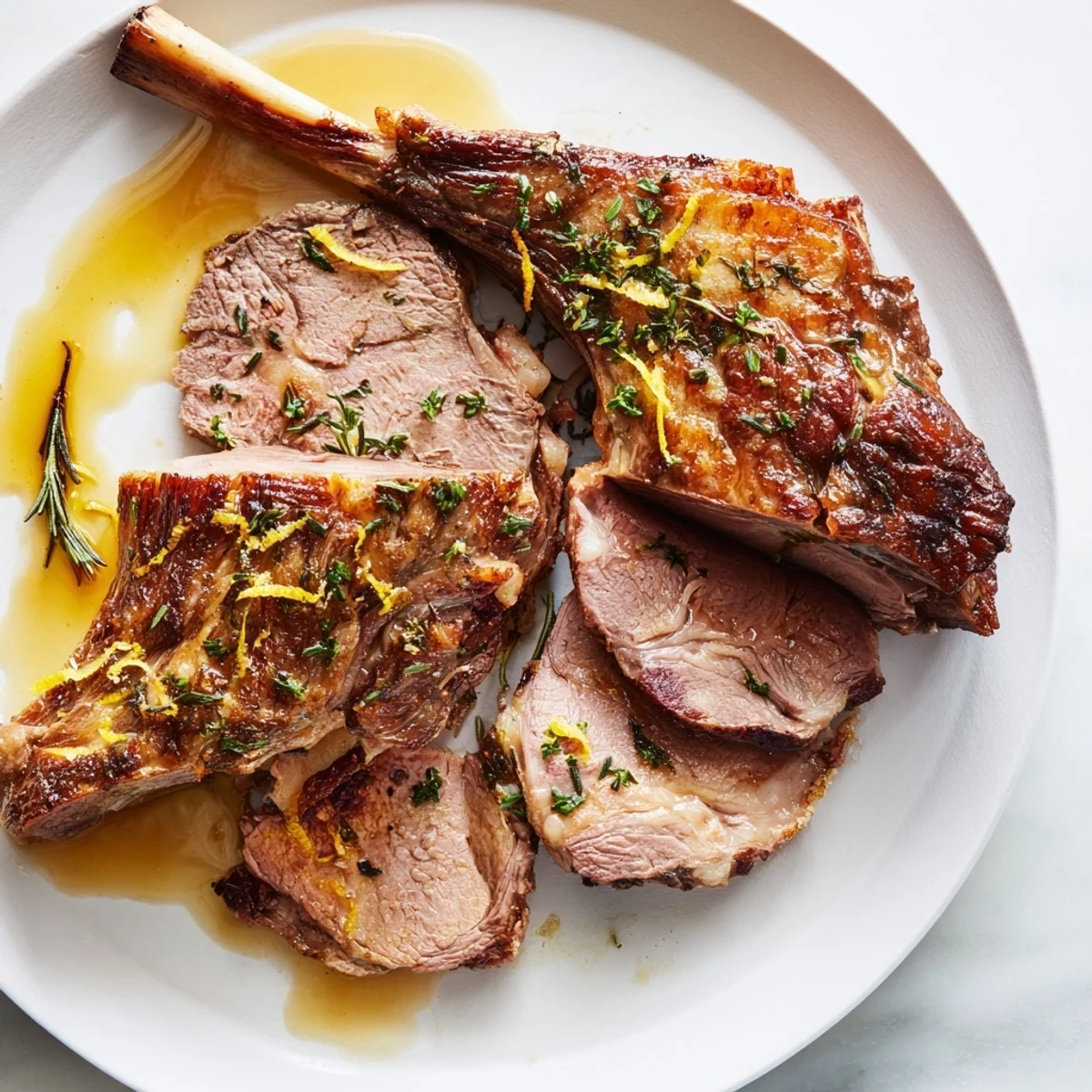
Save This slow-roasted lamb combines gentle heat and aromatic herbs to achieve rich, tender meat with a golden crust. Marinated with garlic, rosemary, thyme, and lemon zest, the lamb is roasted atop a bed of vegetables, infusing every bite with Mediterranean essence. Slow cooking for over four hours ensures a melt-in-your-mouth texture, perfect for gatherings or comforting meals. Resting the meat after roasting seals in juices, which can be strained and served alongside for added depth. Ideal for those seeking a flavorful and hearty main course.
The smell hit me before I even opened the oven door. Four hours of rosemary, garlic, and lamb fat mingling into something that made my neighbor knock and ask if everything was okay. I laughed and promised her a plate. That was the first time I trusted slow heat to do the work I used to rush.
I made this for my parents anniversary once, and my dad, who never comments on food, went quiet for a full minute after his first bite. He looked up and said it reminded him of a trip they took before I was born. Sometimes a recipe does more than feed people.
Ingredients
- Bone-in leg of lamb (2 to 2.5 kg): The bone adds flavor and helps the meat stay juicy during the long roast. Look for a leg with a good layer of fat on top.
- Olive oil (2 tbsp): This helps the herbs stick and creates a base for the crust. Use something fruity if you have it.
- Kosher salt (1.5 tsp) and black pepper (1 tsp): Season generously. Lamb can handle it, and the seasoning needs to penetrate deep.
- Garlic cloves (4, minced): Fresh garlic is non-negotiable here. It mellows and sweetens as it roasts into the meat.
- Fresh rosemary (2 tbsp, chopped): This is the star herb. If you only have dried, use less, but fresh makes all the difference.
- Fresh thyme (1 tbsp): Adds a subtle earthiness that balances the brightness of lemon.
- Lemon zest and juice (1 lemon): Cuts through the richness and wakes up every other flavor on the plate.
- Dry white wine or chicken broth (1 cup): Keeps the lamb moist and becomes the base for a simple, savory jus.
- Onions, carrots, celery: These vegetables form a natural roasting rack and soak up all the drippings. Theyre almost as good as the lamb itself.
Instructions
- Prep the Lamb:
- Pat the lamb completely dry with paper towels, then score the fat in a crosshatch pattern without cutting into the meat. This lets the marinade sink in and helps the fat render beautifully.
- Make the Rub:
- Combine olive oil, garlic, rosemary, thyme, lemon zest, lemon juice, salt, and pepper in a small bowl. Rub it all over the lamb, pressing it into the scores and covering every inch.
- Build the Roasting Bed:
- Scatter the onions, carrots, and celery across the bottom of your roasting pan. Nestle the lamb on top so it sits just above the vegetables.
- Add Liquid and Cover:
- Pour the wine or broth into the pan around the lamb, not over it. Cover tightly with foil or a lid and slide it into a 160°C (325°F) oven.
- Slow Roast:
- Let it cook undisturbed for 4 hours. The low heat breaks down the connective tissue and turns the lamb impossibly tender.
- Finish with Heat:
- Remove the foil, crank the oven to 200°C (400°F), and roast for another 20 to 30 minutes. The surface will caramelize and form a golden, savory crust.
- Rest and Carve:
- Move the lamb to a cutting board, tent it loosely with foil, and let it rest for 20 minutes. This lets the juices redistribute so every slice stays moist.
- Make the Jus:
- Strain the pan drippings through a fine mesh strainer and skim off any excess fat. Serve the jus warm alongside the carved lamb.
 Save
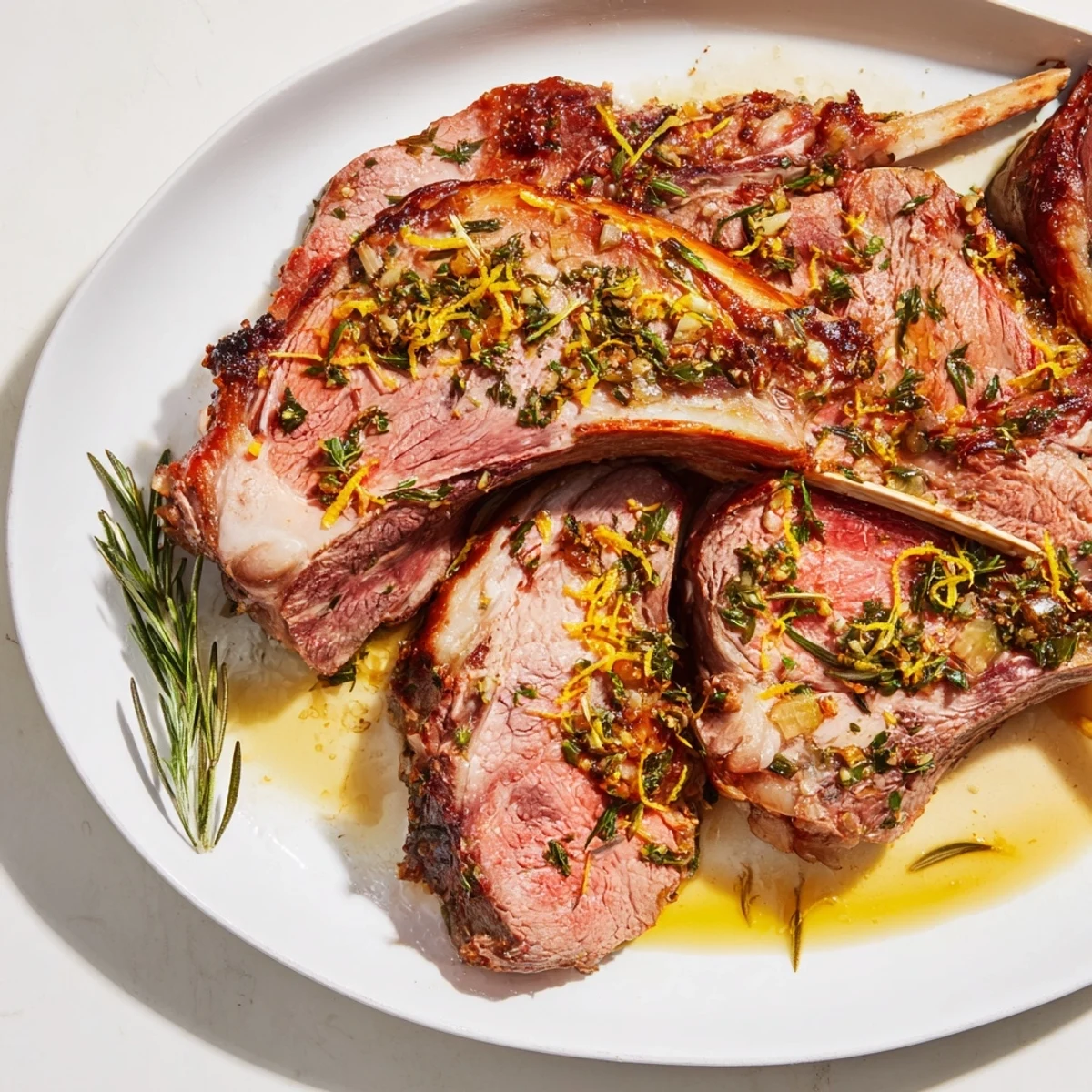
Save The first time I served this, I was nervous about the timing. But when I pulled back the foil and saw the lamb glistening and bronze, I knew it had worked. My friend tasted it and said it was the kind of meal you remember years later. She was right.
What to Serve with Slow Roasted Lamb
I like to keep the sides simple so the lamb stays the focus. Roasted potatoes tossed in the pan drippings are perfect, or a pile of buttery mashed potatoes if you want comfort. A sharp green salad with lemon vinaigrette cuts through the richness, and roasted root vegetables add color and sweetness. Sometimes I just serve it with warm flatbread and let people tear off pieces to soak up the jus.
How to Store and Reheat Leftovers
Let the lamb cool completely, then wrap it tightly in foil or transfer it to an airtight container. It keeps in the fridge for up to four days. To reheat, slice what you need and warm it gently in a covered dish with a splash of broth or the reserved jus. Low and slow works just as well the second time. Cold slices also make incredible sandwiches with a smear of mustard and some pickled onions.
Common Questions and Adjustments
People always ask if they can marinate it overnight, and yes, that actually makes it even better. The flavors go deeper and the meat stays extra moist. If you do not have fresh herbs, dried will work, just use about a third of the amount and rub it in well. Some people worry about the wine, but you can swap it for chicken or vegetable broth with no loss of flavor. If your lamb is smaller, start checking it around the 3 hour mark.
- Use a meat thermometer if you are unsure. Aim for 60 to 63°C (140 to 145°F) for medium, or higher if you prefer it more done.
- If the top starts browning too fast during the final roast, tent it loosely with foil until the timer goes off.
- Save any leftover jus in the fridge. It solidifies into a rich base for soups or sauces later in the week.
 Save
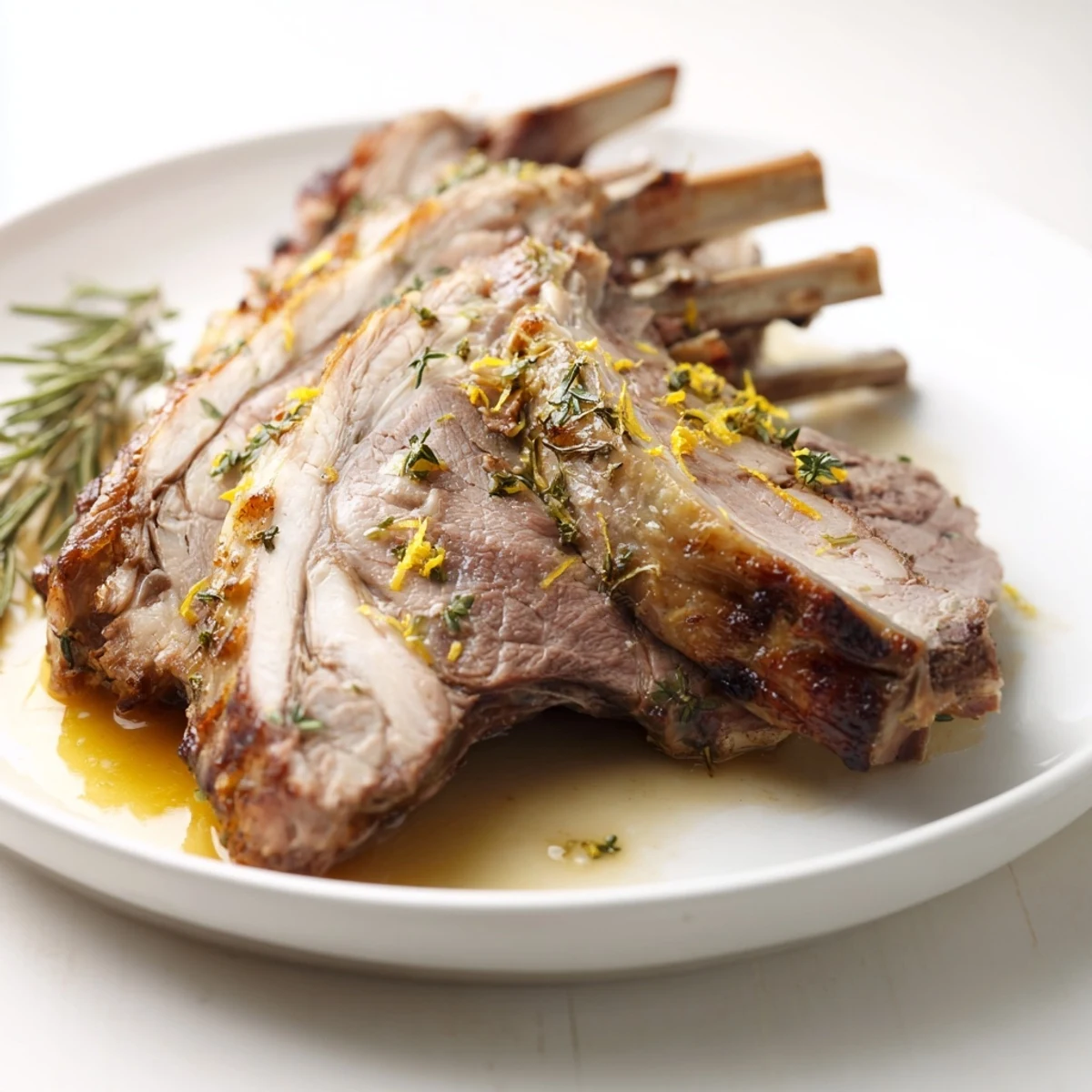
Save This lamb taught me that patience in the kitchen pays off in ways no shortcut ever will. I hope it becomes one of those recipes you pull out when you want to make someone feel loved.
Recipe Questions & Answers
- → What is the best cut of lamb for slow roasting?
-
A bone-in leg of lamb is ideal due to its size and marbling, which tenderizes beautifully over slow cooking.
- → How do herbs enhance the flavor during roasting?
-
Fresh herbs like rosemary and thyme release essential oils during cooking, infusing the meat with aromatic and savory notes.
- → Why is it important to rest the lamb after roasting?
-
Resting allows the juices to redistribute, resulting in a moist, tender texture when carved.
- → Can the pan juices be used in serving?
-
Yes, straining and skimming the pan juices creates a flavorful accompaniment to drizzle over the sliced lamb.
- → What vegetables are recommended to roast alongside the meat?
-
Onions, carrots, and celery create a savory base that adds depth and aroma to the roasting process.