
 Save
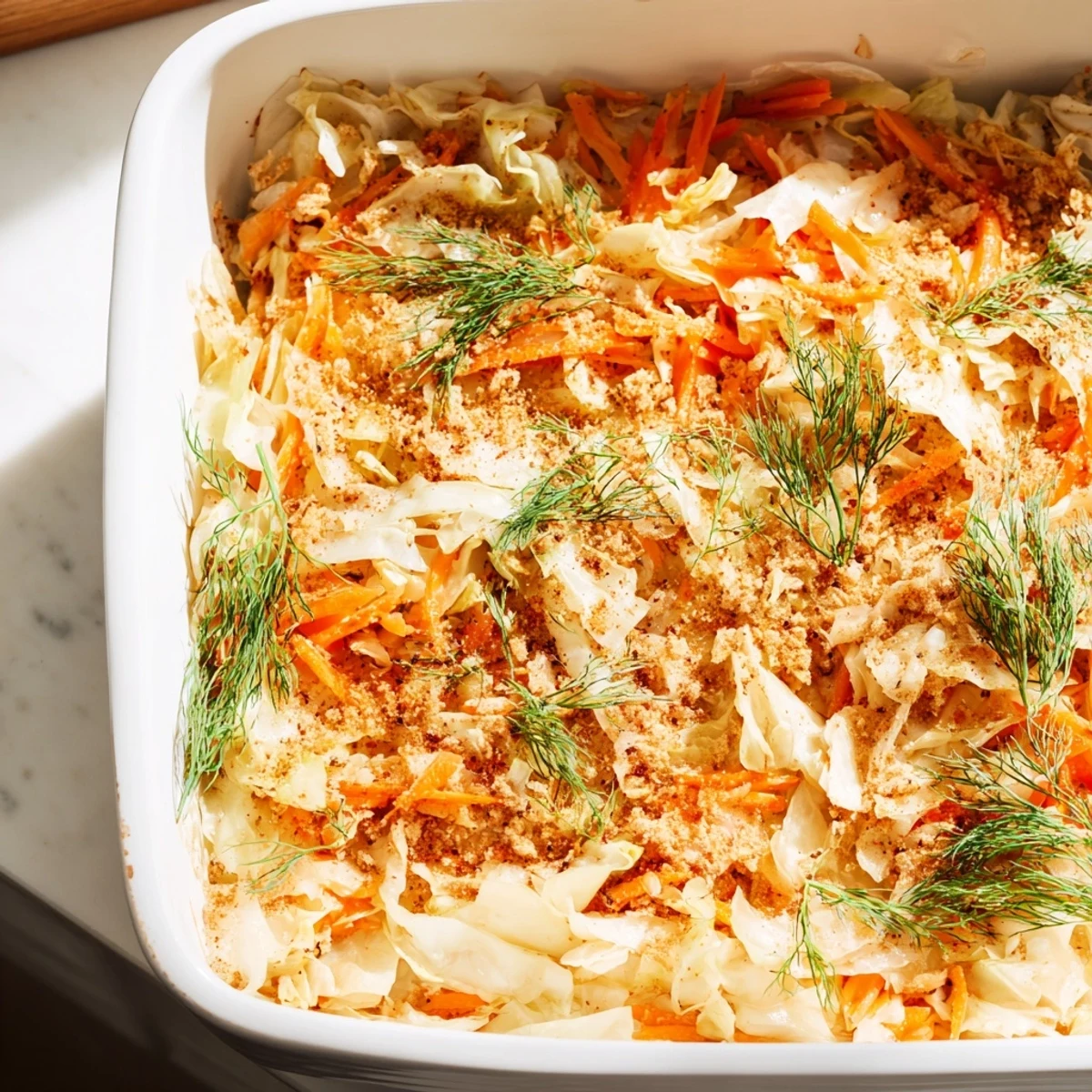
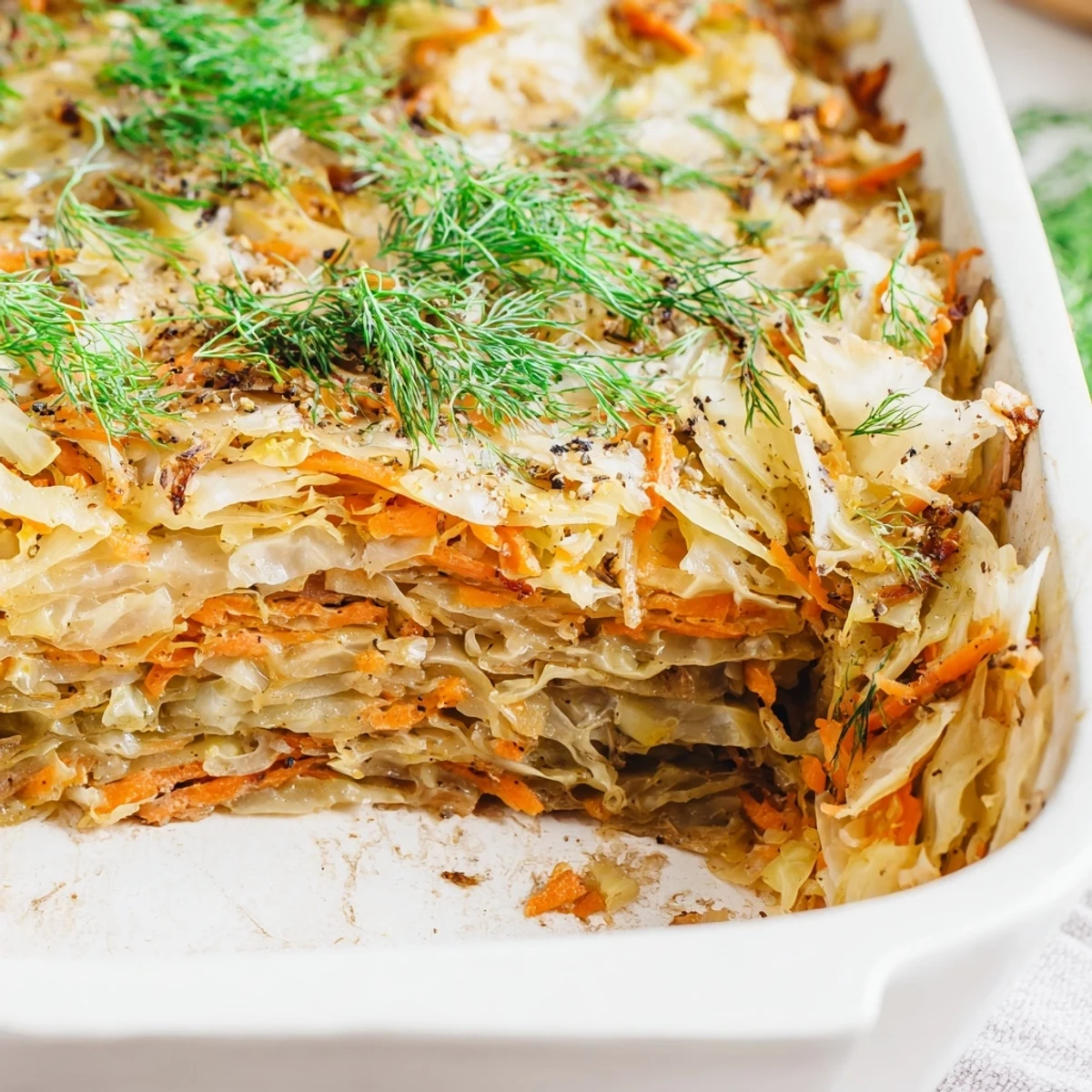
Save This comforting German-inspired dish brings together tender slow-roasted cabbage and tangy sauerkraut in a satisfying casserole. The slow roasting process mellows the cabbage's bitterness while developing deep, savory flavors enhanced by caraway seeds and smoked paprika. Grated apple adds subtle sweetness that balances the sauerkraut's tang, creating a harmonious blend of tastes and textures.
Perfect for meal prep, this dish actually tastes better the next day as flavors continue to meld. Serve alongside crusty bread, boiled potatoes, or enjoy on its own as a filling vegetarian main course. The optional sour cream and cheese topping adds richness, though it's equally delicious kept vegan and dairy-free.
The cabbage section of any grocery store used to be a place I walked past without a second glance until a rainy Tuesday in November changed everything. I had wandered into a tiny Eastern European deli looking for shelter and walked out with a jar of sauerkraut and a vague promise from the owner that it would change my life. He was not wrong, and this casserole is proof.
I served this at a potluck where three different people asked if it was a traditional family recipe, and I had to admit I learned it from a deli counter stranger who wrote instructions on a napkin.
Ingredients
- 1 medium green cabbage (about 2 lb): Core it and slice into thin strips because thinner ribbons roast more evenly and soak up all the surrounding flavors.
- 2 medium onions: Thinly sliced so they melt into sweet softness during the long bake.
- 2 cloves garlic: Minced fine because raw chunks of garlic will overpower the gentle cabbage.
- 2 large carrots: Grated on the large holes of a box grater for bursts of color and natural sweetness.
- 3 cups sauerkraut: Drain and lightly rinse it to tame the sharpness without washing away the tang.
- 1 apple: Peeled and grated, it adds a quiet sweetness that balances the fermented punch.
- 1 cup vegetable broth: The liquid keeps everything tender during the slow roast.
- 1/4 cup dry white wine (optional): Adds depth but the casserole is wonderful without it too.
- 2 tbsp olive oil: For sautéing and greasing the dish.
- 1 tsp caraway seeds: The soul of this dish, do not skip them.
- 1 tsp smoked paprika: Brings a gentle smokiness that makes the whole kitchen smell incredible.
- 1/2 tsp ground black pepper and 1/2 tsp salt: Adjust the salt after tasting because sauerkraut brings its own.
- 2 tbsp fresh dill: Chopped plus extra for garnish because dill and cabbage were made for each other.
- 1/2 cup sour cream (optional): Or use a dairy free alternative for topping.
- 1/4 cup grated cheese (optional): Adds a golden bubbly finish if you eat dairy.
Instructions
- Preheat and prepare:
- Set your oven to 325°F and grease a large casserole dish with a little olive oil so nothing sticks later.
- Build the flavor base:
- Warm olive oil in a large skillet over medium heat and sauté the sliced onions until they turn translucent and fragrant, about 5 minutes. Toss in the minced garlic and stir for one more minute until your kitchen smells irresistible.
- Cook the cabbage:
- Add the shredded cabbage to the skillet and stir occasionally until it wilts down and shrinks by about half, roughly 5 to 7 minutes. Mix in the grated carrots, salt, pepper, caraway seeds, and smoked paprika until everything is evenly coated.
- Prep the sauerkraut layer:
- In a separate bowl, combine the drained sauerkraut with the grated apple and chopped dill, tossing gently so the apple distributes evenly.
- Layer the casserole:
- Spread half the cabbage mixture across the bottom of your prepared dish, then cover it with half the sauerkraut mixture. Repeat with the remaining cabbage and sauerkraut to create two distinct layers.
- Add the liquid:
- Pour the vegetable broth and white wine if using slowly and evenly over the entire casserole so the liquid seeps down through both layers.
- Slow roast covered:
- Cover the dish tightly with foil or a lid and place it in the oven for one full hour to let everything soften and meld together.
- Uncover and brown:
- Remove the foil, turn the oven up to 375°F, and bake uncovered for another 30 to 45 minutes until the top turns golden and most of the liquid has cooked away.
- Add toppings and finish:
- If you are using sour cream and cheese, spread them over the top during the last 10 minutes of baking and wait until they melt and bubble slightly.
- Rest and serve:
- Let the casserole sit for 10 minutes before serving so the layers hold together when you scoop it, then garnish generously with fresh dill.
 Save
Save There is something about pulling this golden bubbling dish from the oven on a cold evening that makes everyone gather in the kitchen without being called.
Serving Suggestions
This casserole loves company, specifically crusty bread for soaking up the juices or a pile of buttery boiled potatoes sitting beside it on the plate.
Making It Your Own
Sautéed mushrooms tucked between the layers add an earthy heartiness that turns this from a side dish into a genuine feast.
Storing and Reheating
Leftovers taste even better the next day after the flavors have had overnight to deepen and settle. Store it covered in the refrigerator for up to four days and reheat portions in a covered skillet with a splash of broth.
- Freeze individual portions in airtight containers for up to three months.
- Thaw overnight in the fridge before reheating for the best texture.
- A fresh scatter of dill on top of reheated portions brings back the just cooked brightness.
 Save
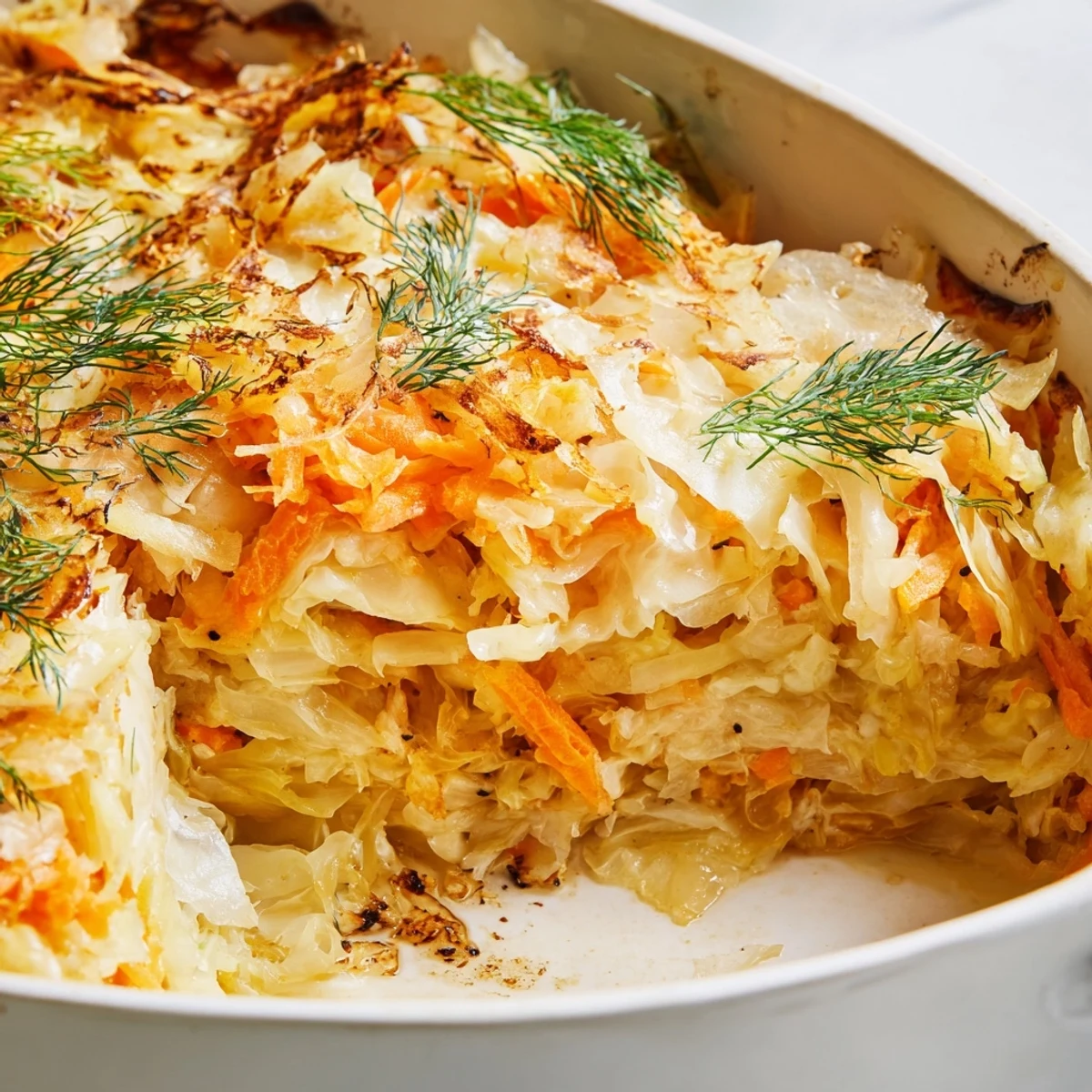
Save Some dishes feed the body and some dishes feed the people sitting around your table, and this humble cabbage casserole quietly manages to do both.
Recipe Questions & Answers
- → Can I make this ahead of time?
-
Yes, this dish actually improves when made ahead. Prepare it up to 2 days in advance and refrigerate before baking. You can also fully bake it and reheat individual portions throughout the week.
- → Why do I need to rinse the sauerkraut?
-
Rinsing removes excess brine and salt, allowing you to control the seasoning better. A light rinse preserves the tangy flavor while preventing the final dish from becoming too salty during the long cooking process.
- → Can I freeze this casserole?
-
Yes, freeze before baking for best results. Assemble in a freezer-safe dish, wrap tightly, and freeze for up to 3 months. Thaw overnight in the refrigerator before baking as directed.
- → What can I serve with this?
-
Crusty bread, boiled potatoes, or German-style dumplings make excellent sides. For protein, add sausages, or serve alongside roasted meats. A simple green salad balances the hearty richness nicely.
- → Can I use red cabbage instead?
-
Red cabbage works beautifully and creates a striking purple-hued dish. Note that red cabbage takes slightly longer to soften and will color the entire casserole, though the flavor remains similar.
- → Is this dish spicy?
-
No, the smoked paprika adds smoky depth rather than heat. The spices create a warm, aromatic flavor profile typical of German and Eastern European cuisine without being spicy hot.