
 Save
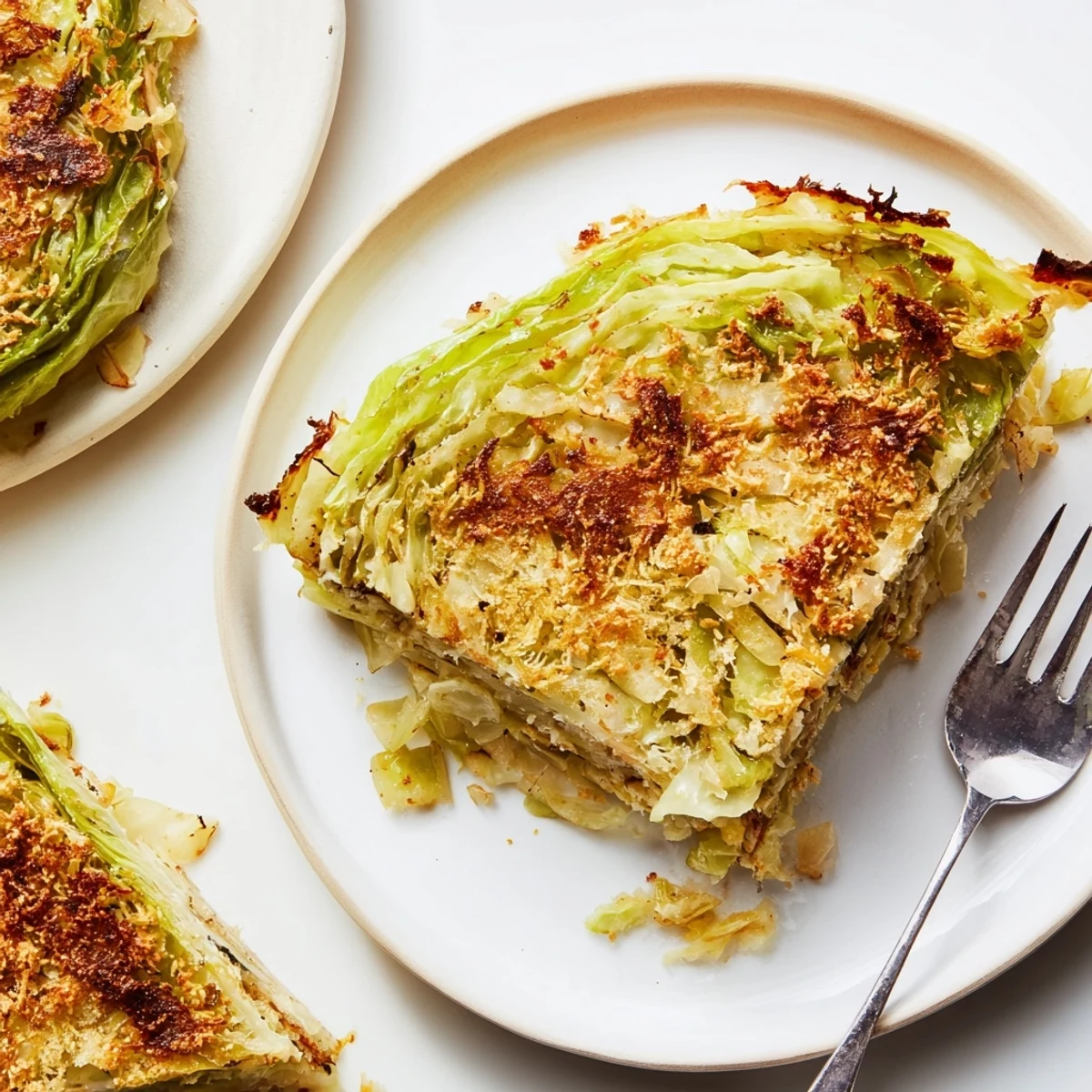
Save Thick slices of cabbage are layered with drained sauerkraut and a sautéed mix of onion, garlic and grated carrot, then bathed in a sour cream, egg and broth custard. Covered and slow-roasted at moderate heat for about 1½ hours, the dish finishes under a buttered breadcrumb crust until golden and bubbling. Let rest 10 minutes and serve warm with rye or mustard for a hearty, tangy comfort dish.
The smell of cabbage roasting low and slow in the oven is one of those underrated kitchen aromas that fills every corner of the house with warmth. My neighbor actually knocked on my door once asking what I was cooking because the scent had drifted through the shared wall. That particular evening I had been trying to recreate a dish from a tiny German restaurant I stumbled into on a rainy trip to Munich years ago. This casserole became my cold weather staple after that night.
I brought this to a potluck last winter and watched three people who swore they hated cabbage go back for seconds. There is something about the slow roasting that transforms every layer into a sweet, tender, deeply savory bite.
Ingredients
- 1 medium green cabbage, cored and thickly sliced: The star of the dish so pick one that feels heavy and dense for its size with crisp outer leaves.
- 2 cups sauerkraut, drained and rinsed: Use the kind from a bag or jar in the refrigerated section because it tastes brighter and less aggressively sour than canned.
- 1 large onion, thinly sliced: Yellow or white onion works but I prefer yellow for its natural sweetness that develops during cooking.
- 3 garlic cloves, minced: Fresh garlic only because the pre minced jars lose that sharp, sweet punch this dish relies on.
- 2 medium carrots, grated: They add subtle sweetness and a nice fleck of color throughout the layers.
- 1 cup sour cream: Full fat sour cream creates the richest custard but reduced fat works in a pinch.
- 2 large eggs: They bind the creamy filling together as it bakes so do not skip them.
- 3 tbsp olive oil: Divided between greasing the dish and sautéing the aromatics.
- 1 cup vegetable broth: Low sodium broth gives you more control over the final seasoning.
- 1 tsp caraway seeds (optional): These little seeds are the secret handshake of German cooking and add an earthy, almost citrusy depth.
- Salt and freshly ground black pepper: Season each layer generously because this is a dish that needs help waking up.
- 1 cup breadcrumbs: Panko gives a crunchier topping but regular breadcrumbs toast up beautifully too.
- 2 tbsp melted butter: Mixed with the breadcrumbs for that irresistible golden crust on top.
Instructions
- Get the oven ready:
- Preheat your oven to 325°F and grease a large casserole dish with one tablespoon of olive oil, making sure to coat the corners where things love to stick.
- Build the flavor base:
- Heat the remaining olive oil in a large skillet over medium heat and cook the sliced onion until it turns soft and translucent, about five minutes. Toss in the garlic and grated carrots for two more minutes until everything smells incredible.
- Layer with intention:
- Place half the cabbage slices in the casserole dish, followed by half the sauerkraut and half the sautéed vegetables. Season well with salt, pepper, and caraway seeds if using, then repeat all the layers once more.
- Pour the creamy blanket:
- Whisk together the sour cream, eggs, and vegetable broth in a bowl until perfectly smooth, then pour it evenly over the entire casserole.
- Slow roast covered:
- Cover the dish tightly with aluminum foil and slide it into the oven for one hour and thirty minutes while your kitchen slowly fills with the most comforting smell.
- Prepare the golden topping:
- Stir the breadcrumbs and melted butter together in a small bowl until the crumbs are evenly coated and look like wet sand.
- Finish uncovered:
- Remove the foil, scatter the buttered breadcrumbs over the top, and return the dish to the oven uncovered for thirty more minutes until the crust is deeply golden and the edges are bubbling.
- Rest and serve:
- Let the casserole stand for ten minutes before cutting into it so the creamy layers have time to settle. Garnish with fresh parsley if you have some handy.
 Save
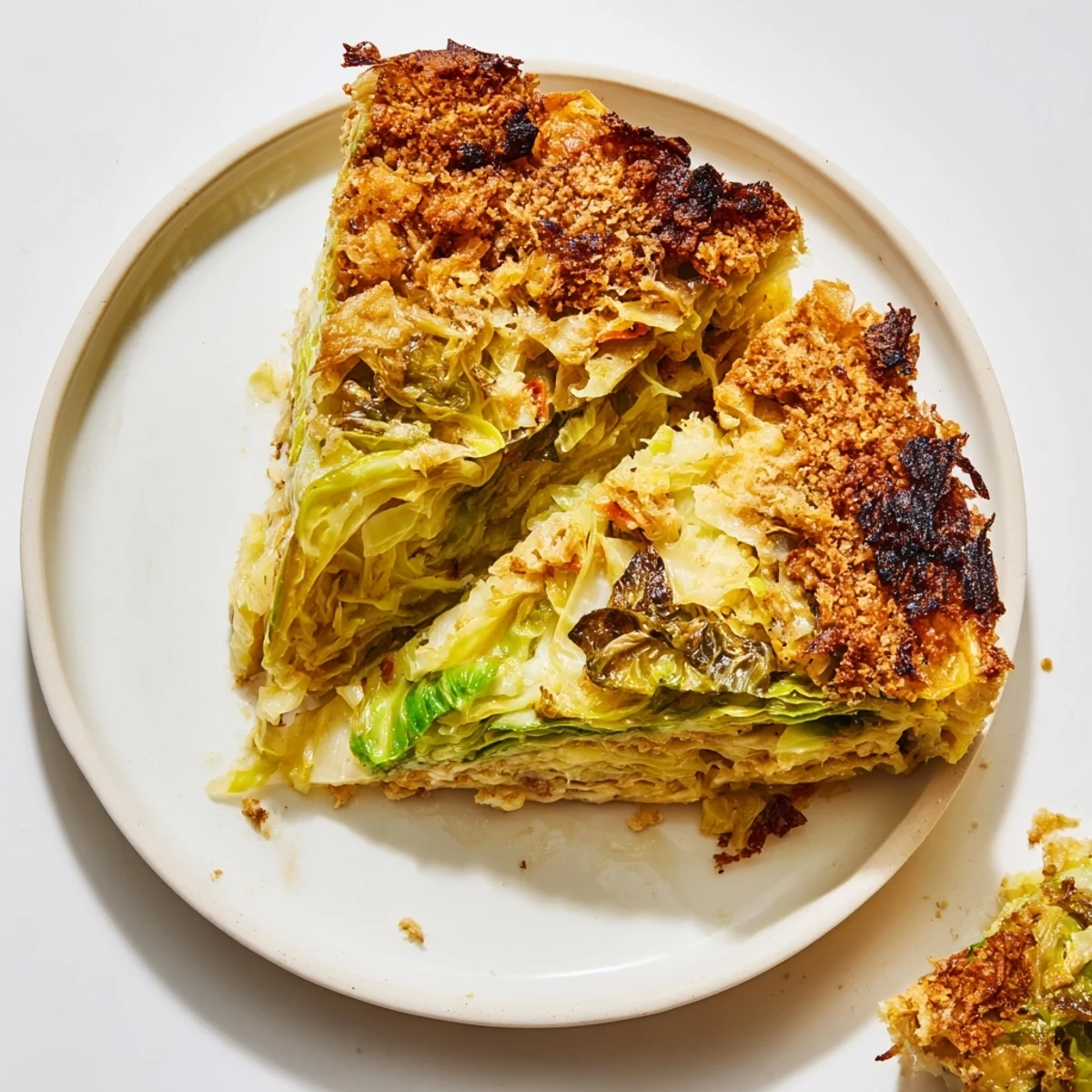
Save There was a Sunday when my oven timer broke and I ended up roasting the casserole an extra twenty minutes by accident. The edges caramelized into something almost burnt and sweet, and now I always sneak in a few extra minutes on purpose.
Making It Your Own
This recipe plays well with substitutions once you understand its rhythm. Diced smoked sausage or crumbled bacon tucked between the layers turns it into a heartier main course that would make any German grandmother proud.
Serving Suggestions
Thick slices of dark rye bread and a smear of sharp German mustard on the side are all you really need. A simple green salad with a vinaigrette cuts through the richness beautifully if you want to round out the plate.
Storage and Reheating
Leftovers keep well in the fridge for up to four days and actually taste better the next day when the flavors have had time to mingle. Reheat individual portions in the oven or toaster oven to bring back the crunch on top.
- Cover the dish with foil while reheating to prevent the topping from burning.
- Freeze individual portions wrapped tightly for up to two months.
- Always let frozen portions thaw overnight in the fridge before reheating.
 Save
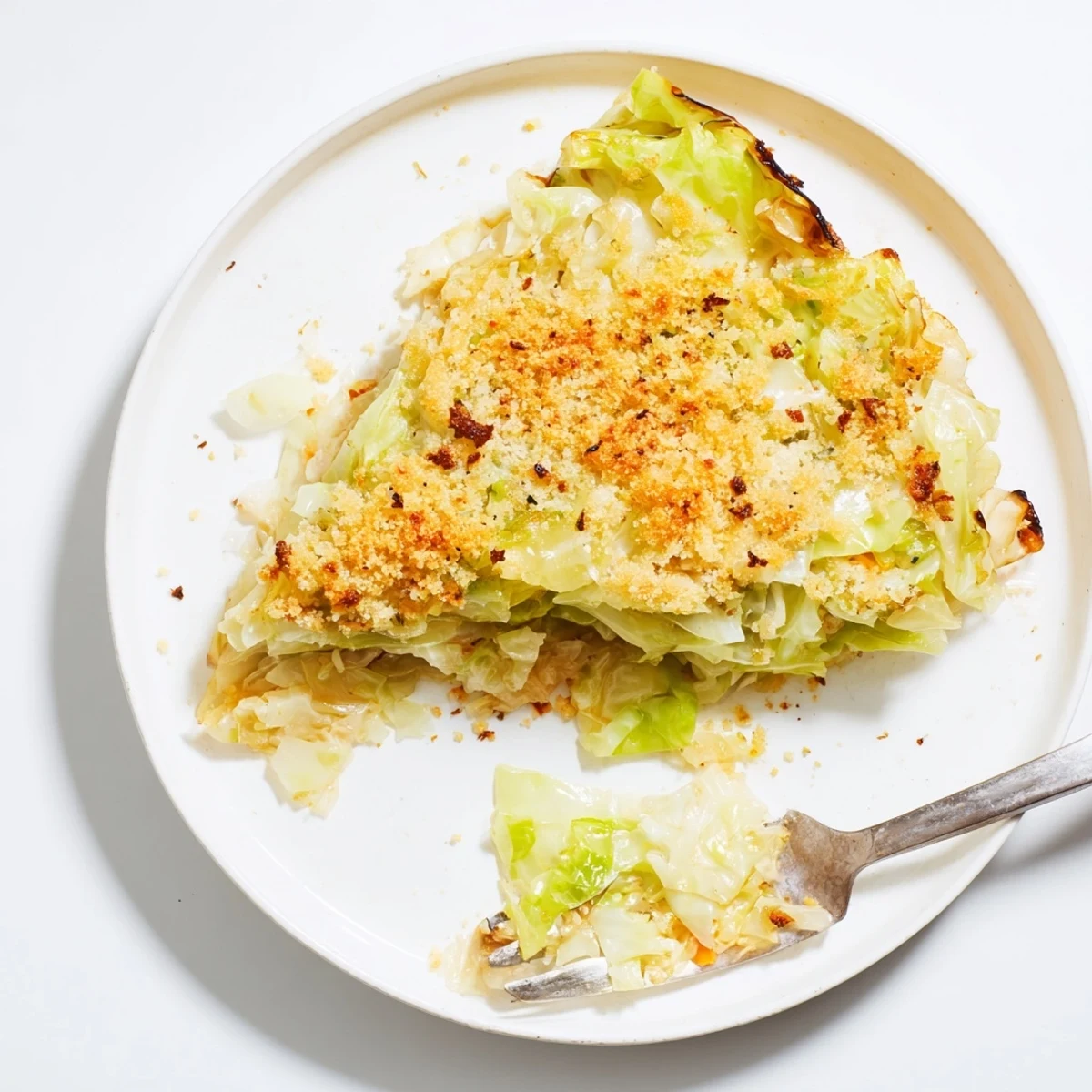
Save This is the kind of humble dish that reminds you comfort food does not need to be complicated or expensive. Just time, patience, and a willingness to let the oven do the work.
Recipe Questions & Answers
- → Can I make this dairy-free or vegan?
-
Yes. Substitute plant-based sour cream and replace eggs with a flaxseed slurry or a commercial egg replacer. Ensure breadcrumbs and other packaged items are vegan.
- → How do I keep the casserole from becoming too watery?
-
Drain and press the sauerkraut well before layering. Use a slightly reduced amount of broth and let the casserole rest uncovered at the end to evaporate excess liquid so the topping crisps up.
- → Are there good protein additions for a non-vegetarian version?
-
Diced smoked sausage, bacon or thinly sliced kielbasa can be sautéed with the onions to add savory depth. Fold them into the sautéed vegetables before layering.
- → How can I make this gluten-free?
-
Use certified gluten-free breadcrumbs or swap for crushed gluten-free crackers or toasted nuts for a crunchy topping. Check labels on sauerkraut and broth for hidden gluten.
- → What indicates the casserole is done?
-
The cabbage should be very tender when pierced with a knife and the custard should be set at the edges and slightly jiggly in the center. The top should be golden and bubbling after the final bake.
- → Can this be prepared ahead of time?
-
Assemble up to the point of baking, cover and refrigerate for several hours or overnight. Remove from fridge while the oven heats, then bake as directed, adding the breadcrumb topping partway through to keep it crisp.