
 Save
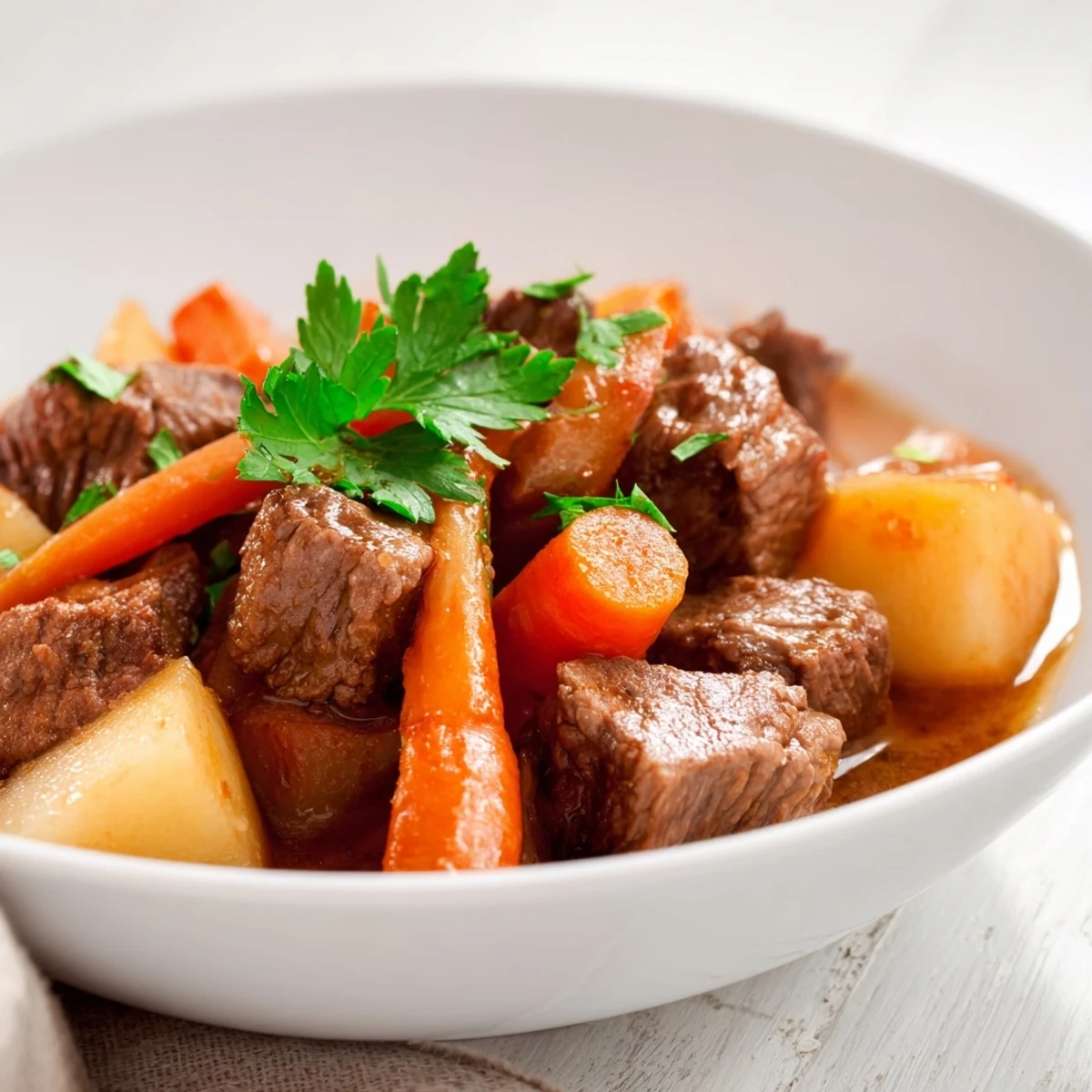
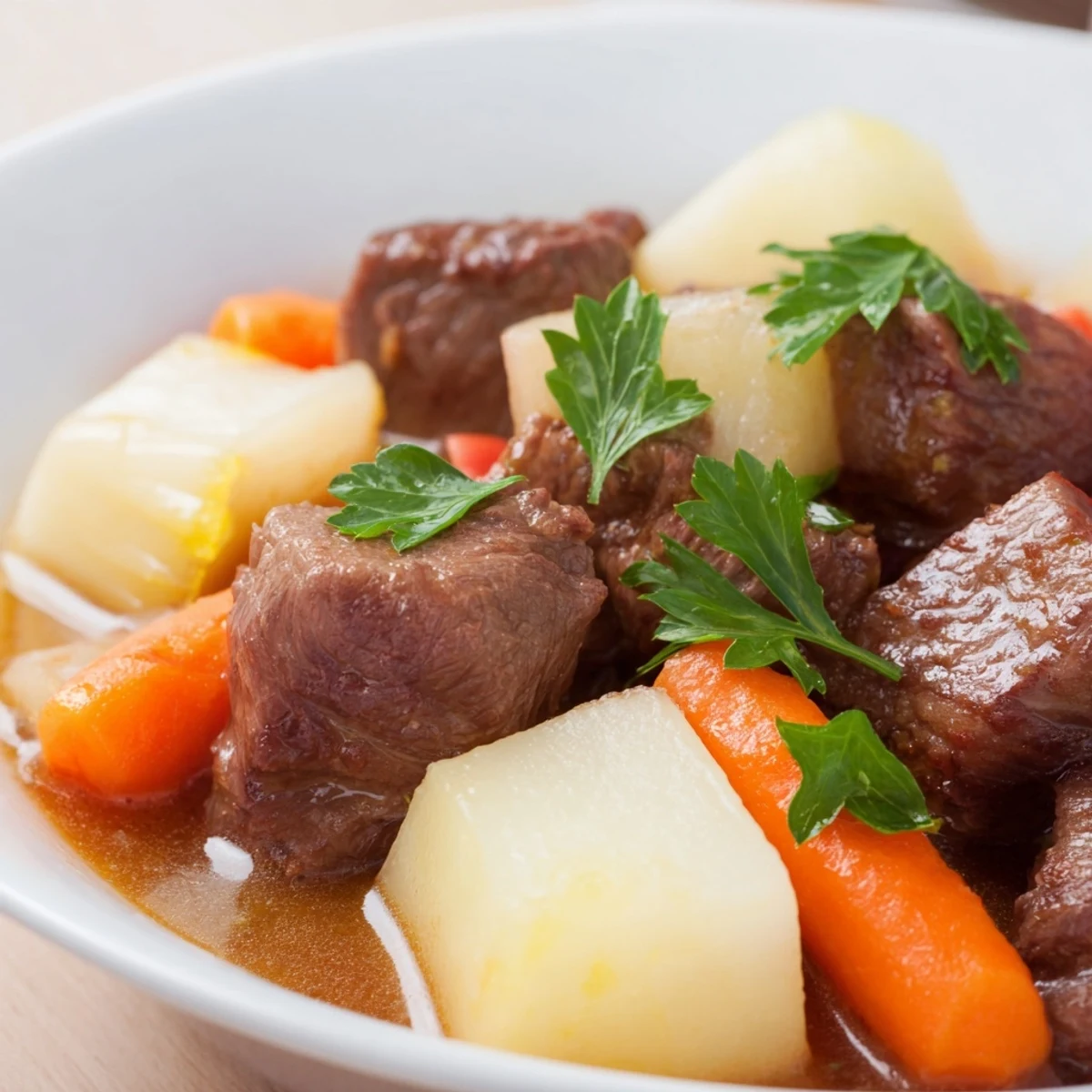
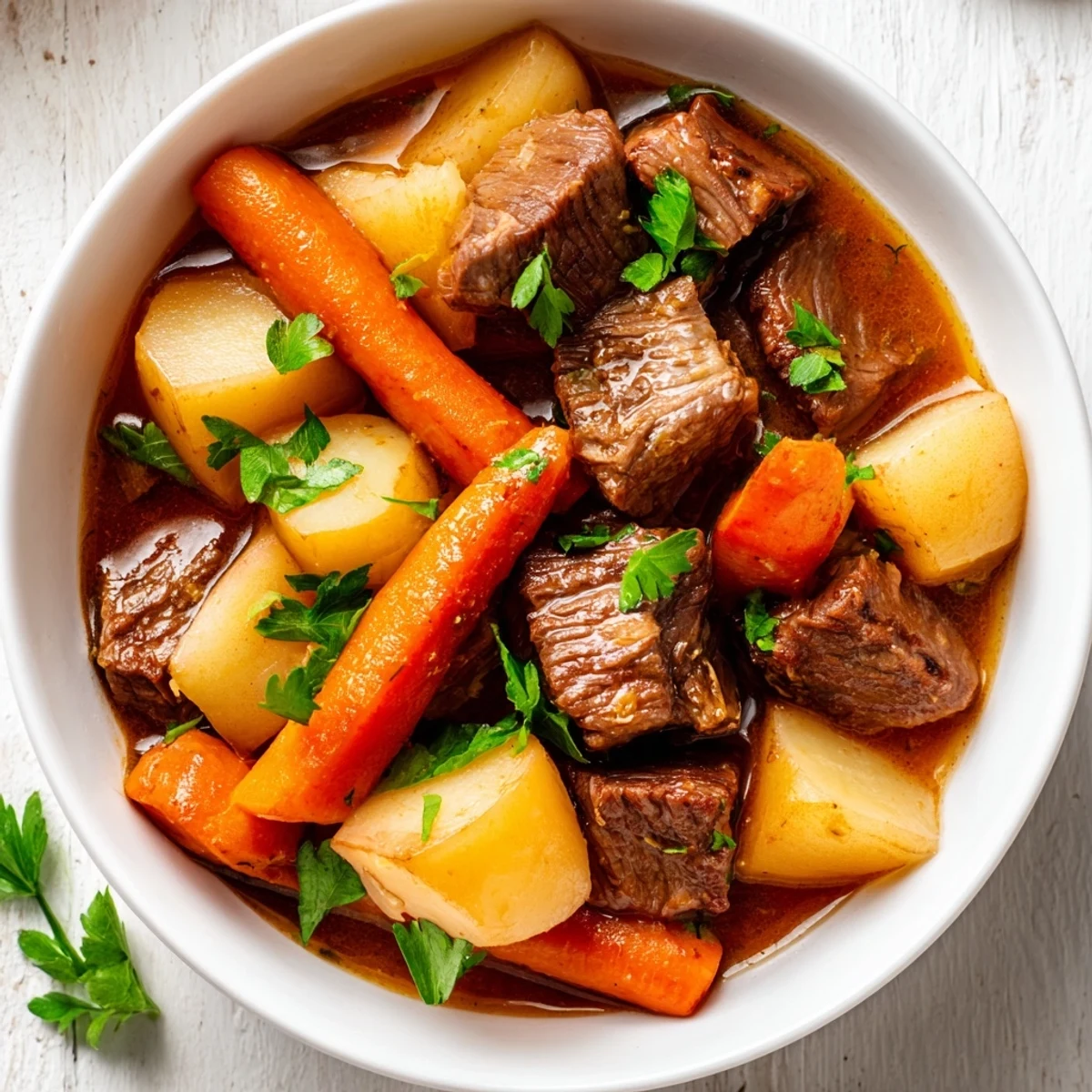
Save This dish features tender beef chunks combined with carrots, parsnips, potatoes, and aromatic herbs simmered slowly in a rich, savory broth. The slow-cooking process infuses the meat and vegetables with deep flavor and creates a comforting, hearty meal that is perfect for any occasion. Thickened near the end for a satisfying texture, it's naturally gluten-free and can be customized with mushrooms or served alongside crusty bread. A simple but flavorful dish ideal for easy, nourishing dinners.
There's something about the smell of beef browning in a hot skillet that stops me mid-morning, no matter what I'm doing. Years ago, a friend brought over her slow cooker one autumn evening and left it running while we caught up over coffee, and by dinner time, the whole house had transformed into this cozy, savory sanctuary. I realized that afternoon that the best meals aren't always the fanciest ones, they're the ones that work quietly in the background while you live your life. This stew became my go-to whenever I needed comfort without fuss.
I made this for my sister's first night in her new apartment, back when she was overwhelmed and exhausted from the move. She opened the door to that unmistakable aroma, and her whole face changed, like she'd suddenly remembered what home felt like. We ate straight from the pot with crusty bread, barely talking, just grateful for something warm and solid. That's when I understood that this stew isn't really about technique, it's about showing up for people.
Ingredients
- Beef chuck (2 lbs, cut into 1.5-inch cubes): Chuck is the workhorse of stew meat, marbled with fat that breaks down into gelatin during those long hours, giving the broth body and richness that lean cuts simply can't match.
- Carrots (3 large, sliced into 1-inch pieces): They stay slightly firm rather than dissolving into mush, and their natural sugars caramelize slowly into the broth, creating depth you don't need to add separately.
- Parsnips (2, peeled and sliced): These are the secret weapon most people skip, offering a subtle sweetness and earthiness that's more sophisticated than potatoes alone.
- Potatoes (2 medium, cut into chunks): Keep them about the same size as the beef so everything cooks at the same pace and looks intentional in the bowl.
- Onion (1 large, chopped): The onion practically melts into the broth, building a foundation of savory flavor that holds everything together.
- Celery (2 stalks, sliced): Celery is the quiet backbone of any proper stew, adding mineral notes that make the broth taste more complex than it has any right to be.
- Garlic (2 cloves, minced): Two cloves is enough to whisper into the background rather than shout, letting the beef be the star.
- Beef broth (4 cups, gluten-free if needed): Quality matters here since it's your base, but don't overthink it, a good store-bought broth does just fine.
- Red wine (1/2 cup, optional): Wine adds brightness and complexity, but skip it without guilt if you'd prefer a cleaner, beef-forward flavor or need to keep things family-friendly.
- Tomato paste (2 tbsp): Just two tablespoons concentrates umami and adds color without making the stew taste tomato-based.
- Worcestershire sauce (2 tbsp, gluten-free if needed): This is the flavor amplifier, the ingredient that makes people ask what you did differently.
- Salt and black pepper (2 tsp salt, 1/2 tsp pepper): You'll adjust this at the end anyway, so don't be timid with the initial seasoning.
- Bay leaves (2): Bay leaves give an almost pine-like note that keeps things from tasting one-dimensional, but remove them before serving or someone will find one.
- Dried thyme and rosemary (1 tsp thyme, 1/2 tsp rosemary): Dried herbs concentrate their flavors during the long cook, so start conservative or the stew will taste medicinal.
- Cornstarch slurry (2 tbsp cornstarch mixed with 2 tbsp cold water): This thickens the broth in the last thirty minutes without flour, which is the gluten-free trick that actually works.
Instructions
- Season and brown the beef:
- Pat the beef cubes dry first, then coat them generously with salt and pepper. In a large skillet over medium-high heat, brown the beef in batches without crowding the pan, letting each piece develop a dark crust. This browning step is optional but worth the ten minutes, as it adds a savory depth that slow cooking alone can't replicate.
- Transfer and build the base:
- Move the browned beef to your slow cooker, then add the carrots, parsnips, potatoes, onion, celery, and garlic directly on top. In a separate bowl, whisk together the beef broth, red wine if using, tomato paste, and Worcestershire sauce until smooth, then pour this mixture over everything in the cooker.
- Season and set it going:
- Scatter the bay leaves over the top, then sprinkle in the thyme and rosemary. Give everything a gentle stir with a wooden spoon, making sure the tomato paste gets distributed, then cover and set the slow cooker to low. This is where patience begins its work.
- Let time do the work:
- Cook on low for 8 hours (or on high for 4 to 5 hours if you're in a hurry) until the beef is so tender it falls apart when you touch it with a spoon and the vegetables are soft. Resist the urge to peek too often, as each time you lift the lid, you lose heat and time.
- Thicken in the final stretch:
- About thirty minutes before you want to eat, mix the cornstarch with cold water to make a smooth slurry with no lumps. Stir this into the simmering stew, then cover and cook on high for the final thirty minutes. The broth will transform from thin to silky, coating each spoonful.
- Taste and finish:
- Remove and discard the bay leaves, then taste the stew and adjust the salt and pepper to your preference. Sometimes it needs just a pinch more, sometimes it doesn't, so go slow here.
 Save
Save My mother used to make a version of this when we had unexpected company, and I remember watching her pull it from the slow cooker with a kind of casual confidence, like the whole thing had been inevitable. She'd learned that feeding people well was just about paying attention to what you were doing and giving it enough time, and somehow that lesson made its way into my own cooking. This stew taught me the same thing.
Why This Stew Works Every Time
The slow cooker is honestly forgiving in ways regular cooking isn't. The low, steady heat breaks down the tough muscle fibers in beef chuck without drying it out, turning an inexpensive cut into something tender that tastes expensive. The vegetables cook in the moisture and fat released by the meat, so they develop a sweetness and depth that would take hours to achieve on the stovetop. By the time eight hours have passed, everything has melded together into something that feels like it was always meant to be this way.
Variations and Additions
Once you understand how this stew works, it becomes a canvas for whatever you have on hand or whatever sounds good that week. Mushrooms are the most natural addition, adding an earthy note that pairs beautifully with the beef, or swap out the parsnips for turnips if that's what your farmer's market has. Some people swear by a splash of balsamic vinegar in the last ten minutes, and honestly, they're onto something, the acidity brightens everything without you being able to pinpoint where it came from.
- Add a cup of chopped mushrooms with the other vegetables for deeper earthiness.
- Stir in a tablespoon of balsamic vinegar during the last ten minutes if you want subtle brightness.
- Swap the red wine for extra broth if you prefer to skip alcohol entirely.
Serving and Storing
Serve this stew in shallow bowls with a hunk of crusty bread on the side, using the bread to soak up every drop of broth. The stew actually tastes better the next day when the flavors have settled and deepened, so if you have time, make it a day ahead and reheat it gently on the stovetop. It keeps in the refrigerator for four days and freezes beautifully for months, so making a double batch is always smart thinking.
 Save
Save This stew is the kind of meal that asks nothing of you except time and presence, and gives back warmth and comfort in return. Make it when you need to feel like you've got things under control, or when you want to quietly show someone that you care.
Recipe Questions & Answers
- → How do I ensure the beef is tender?
-
Using beef chuck and cooking it slowly on low heat for 8 hours allows the meat to become tender and flavorful.
- → Can I add other vegetables to this dish?
-
Yes, adding chopped mushrooms or other root vegetables can enhance the flavor and texture without overpowering the dish.
- → Is browning the beef necessary?
-
Browning adds depth and richness to the flavor, but skipping this step saves time and still yields a delicious result.
- → How do I thicken the broth at the end?
-
Mix cornstarch with cold water to make a slurry, then stir it into the hot stew and cook for 30 more minutes to thicken.
- → What are suitable side options to serve with this meal?
-
Crusty bread, mashed potatoes, or a fresh green salad complement this hearty dish beautifully.