
 Save
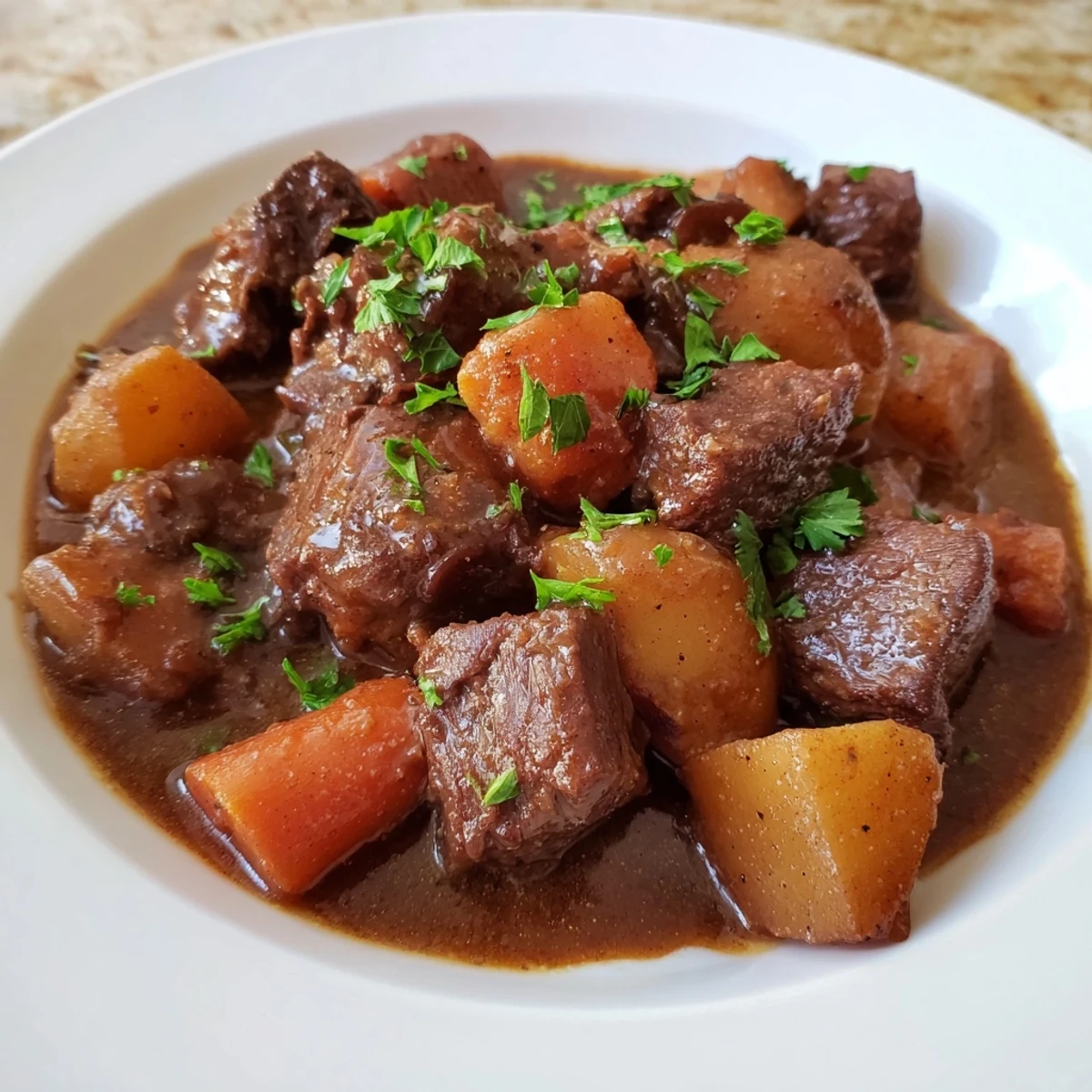
Save This slow-cooked beef dish features tender cubes of beef chuck simmered with potatoes, carrots, onion, garlic, and celery in a savory broth infused with thyme, rosemary, and tomato paste. The rich flavors develop over hours of cooking, resulting in a hearty and comforting meal. A cornstarch slurry thickens the stew near the end for a satisfying texture, and fresh parsley adds a final touch. Ideal for a warming family dinner.
There's something about the smell of beef browning in a skillet that stops me in my tracks every time. Years ago, I burned a pot of this stew by getting distracted, and my partner laughed and suggested we just throw everything in the slow cooker instead. That mistake turned into the easiest, most forgiving version I've ever made, and now it's what I reach for when I want home-cooked comfort without the fuss.
I made this for my dad one winter when he was helping me move, and he sat at my kitchen table in his coat for three hours just waiting for it to be done. We talked about everything and nothing while it bubbled away in the background. When we finally ate, he had thirds and didn't say much, which meant everything.
Ingredients
- Beef chuck (2 lbs, cut into 1.5-inch cubes): This cut has just enough marbling and connective tissue to become fork-tender in the slow cooker, not tough and stringy like leaner cuts.
- Potatoes (4 medium, cut into 1-inch pieces): Waxy potatoes hold their shape better than starchy ones, so they won't dissolve into the broth.
- Carrots (4 large, sliced into 1-inch rounds): The slow heat coaxes out their natural sweetness, balancing the savory broth beautifully.
- Onion and garlic (1 large onion, chopped; 3 cloves garlic, minced): These aromatics form the flavor foundation, so don't skip or drastically reduce them.
- Celery (2 stalks, sliced): It adds depth and earthiness without being noticeable as celery, trust me on this.
- Beef broth (4 cups): Use quality broth if you can; it's the liquid gold that carries all the flavors, so it matters more than you'd think.
- Dry red wine (1/2 cup, optional): Even a basic grocery-store red wine adds complexity and richness that transforms the stew from good to memorable.
- Tomato paste (2 tbsp): This is the secret weapon that deepens the color and adds umami without tasting like tomato.
- Dried thyme and rosemary (1 tsp each): These herbs infuse the entire pot, so don't substitute fresh here or they'll turn to mush.
- Bay leaves (2): They perfume everything gently; remember to fish them out before serving or warn your guests.
- Salt, pepper, Worcestershire sauce (1 tsp salt, 1/2 tsp pepper, 2 tbsp Worcestershire): Taste as you go; slow cooking concentrates flavors, so you might need less salt than you think.
- Cornstarch slurry (2 tbsp cornstarch mixed with 2 tbsp cold water): This thickens the broth without making it gluey, added near the end so it stays glossy.
- Fresh parsley (2 tbsp, chopped, optional): A sprinkle of green at the end wakes up the whole bowl and makes it feel intentional.
Instructions
- Brown the beef (optional but worth it):
- Heat a large skillet over medium-high heat and sear the beef cubes in batches for 2-3 minutes per side until they're deeply browned. This step builds flavor, though you can skip it if you're truly short on time. Transfer the beef to your slow cooker.
- Add your vegetables:
- Pile the potatoes, carrots, onion, garlic, and celery into the slow cooker with the beef. They'll cushion each other and cook evenly together.
- Make the broth mixture:
- In a bowl, whisk together the beef broth, red wine if using, tomato paste, thyme, rosemary, bay leaves, salt, pepper, and Worcestershire sauce until the tomato paste dissolves. This ensures the seasonings distribute evenly instead of clumping at the bottom.
- Combine and cover:
- Pour the broth mixture over everything and stir gently with a wooden spoon. Cover the slow cooker and set it to LOW for 8 hours or HIGH for 4-5 hours. The low and slow approach keeps the meat tender and lets flavors meld.
- Thicken near the end:
- About 30 minutes before you plan to eat, mix the cornstarch and cold water in a small bowl until smooth, then stir it into the stew. This gives the broth a luxurious, velvety texture without any graininess. Also pull out and discard those bay leaves.
- Taste and finish:
- Taste a spoonful and adjust salt or pepper if needed. The slow cooking concentrates flavors, so it might be more seasoned than you expected. Ladle into bowls and scatter fresh parsley on top if you have it.
 Save
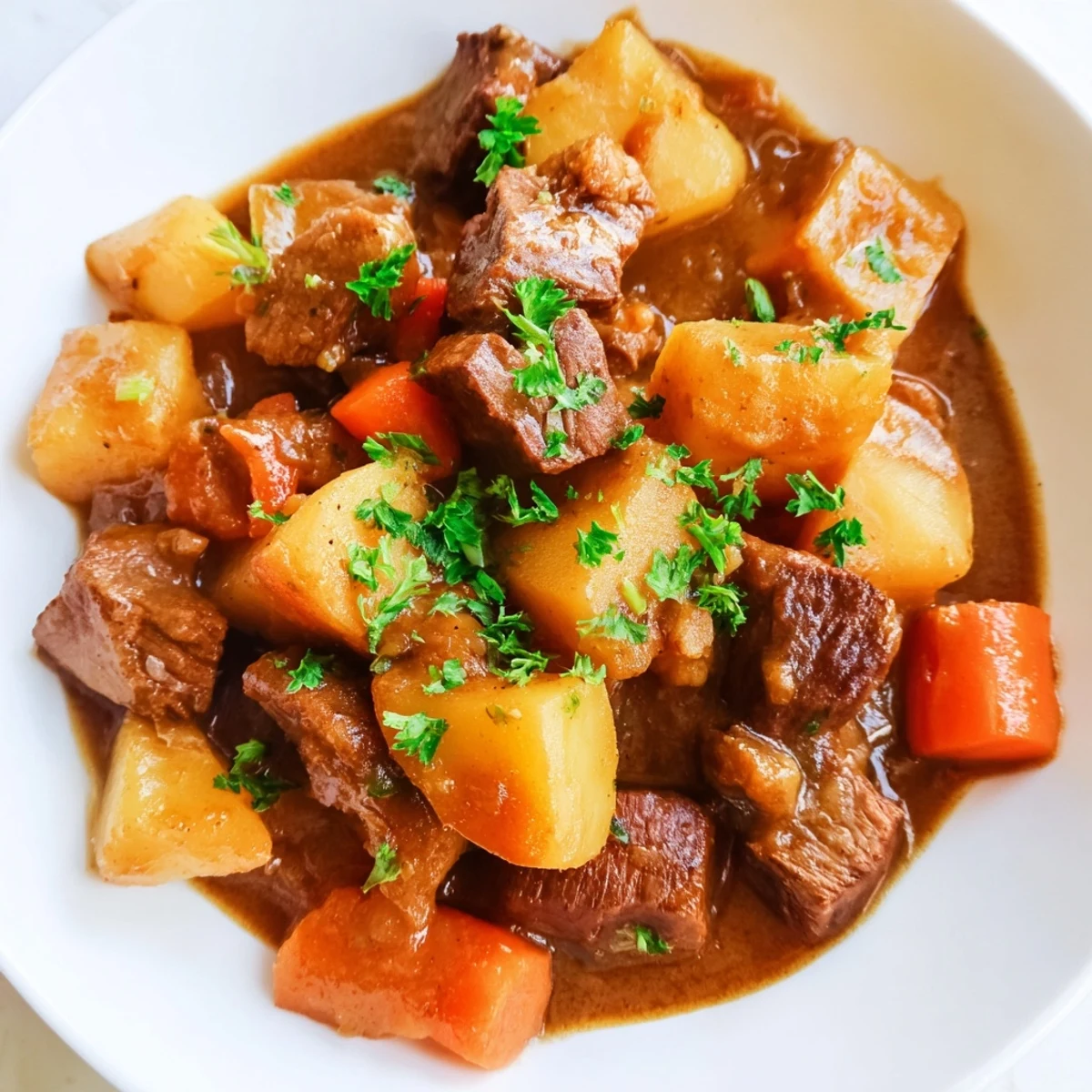
Save This stew once saved a dinner party when a last-minute guest arrived and I had nothing ready. I'd forgotten to take it off LOW that morning, and by evening it had been cooking for nearly nine hours. When I finally ladled it out, it was so tender and rich that no one even asked what was for dessert. That accident taught me that with this recipe, you almost can't go wrong.
Why Slow Cooking Works Magic Here
The slow cooker isn't just convenient; it's actually the best way to cook this stew. The gentle, even heat over hours breaks down the collagen in the beef into gelatin, which makes the broth silky and keeps the meat impossibly tender instead of tough. Unlike stovetop cooking, where everything would boil and splatter, the slow cooker steams everything in its own juices, concentrating flavors naturally. I've made this on the stove before in a pinch, and it's always felt rushed and one-dimensional by comparison.
Making It Your Own
Once you've made this basic version a couple of times, you'll start seeing all the ways to twist it. I've added mushrooms in the last hour for earthiness, thrown in a splash of balsamic vinegar just before serving for subtle tang, and even tried swapping half the potatoes for sweet potatoes when I was craving something slightly sweeter. The base is forgiving enough that gentle variations feel like fresh dishes, not experiments.
Serving and Pairing Ideas
This stew wants something to soak up its broth, so crusty bread is non-negotiable in my kitchen. A buttered egg noodle or mashed potatoes work beautifully too, though the stew is hearty enough to eat on its own if you're being careful about carbs. Pair it with a robust red wine—something you'd actually drink—and suddenly a weeknight dinner feels like you put in real effort.
- Serve with thick slices of sourdough or a crusty baguette to catch every drop of broth.
- A simple green salad on the side cuts through the richness and brightens the whole plate.
- Save any leftovers; they taste even better the next day when the flavors have had time to deepen further.
 Save
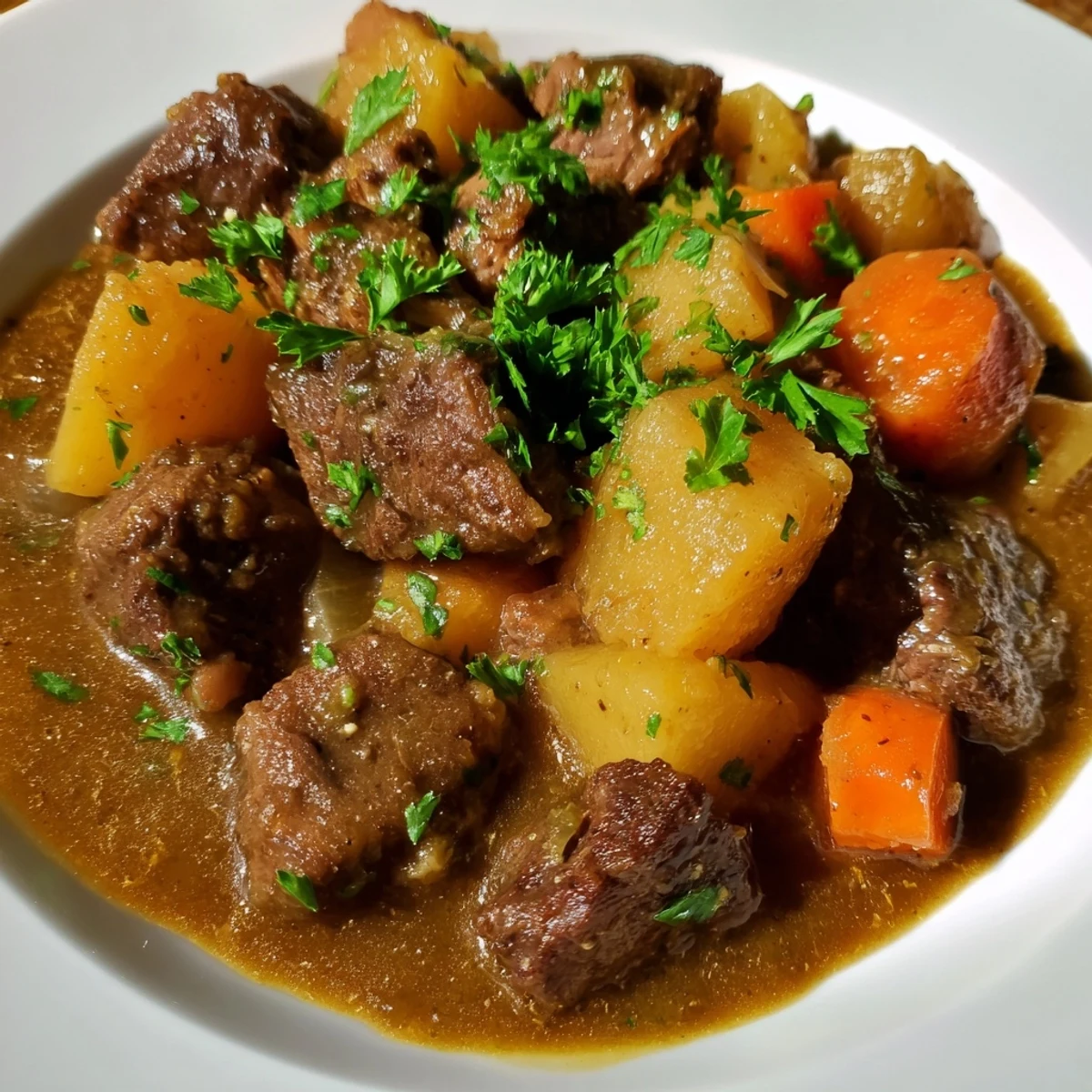
Save This stew is the kind of recipe that gets better every time you make it because you start knowing what you like and stop second-guessing yourself. Make it for someone you love, and watch their face when they taste how effortless and full of care it feels.
Recipe Questions & Answers
- → What cut of beef works best for this dish?
-
Beef chuck is ideal as it becomes tender and flavorful when slow-cooked over several hours.
- → Can I prepare this dish without browning the beef?
-
Yes, browning is optional but recommended to enhance the flavor and depth of the stew.
- → How do I thicken the stew before serving?
-
Mix cornstarch with cold water to create a slurry, then stir it into the stew about 30 minutes before it's done.
- → Are there suitable substitutes for regular potatoes?
-
Sweet potatoes can be used for a slightly sweeter flavor and different texture.
- → Can this dish be adapted for gluten-free diets?
-
Yes, use gluten-free beef broth and Worcestershire sauce to keep it gluten-free.
- → Is it possible to add more vegetables?
-
Adding peas during the last 30 minutes of cooking is a great way to include more veggies.