
 Save
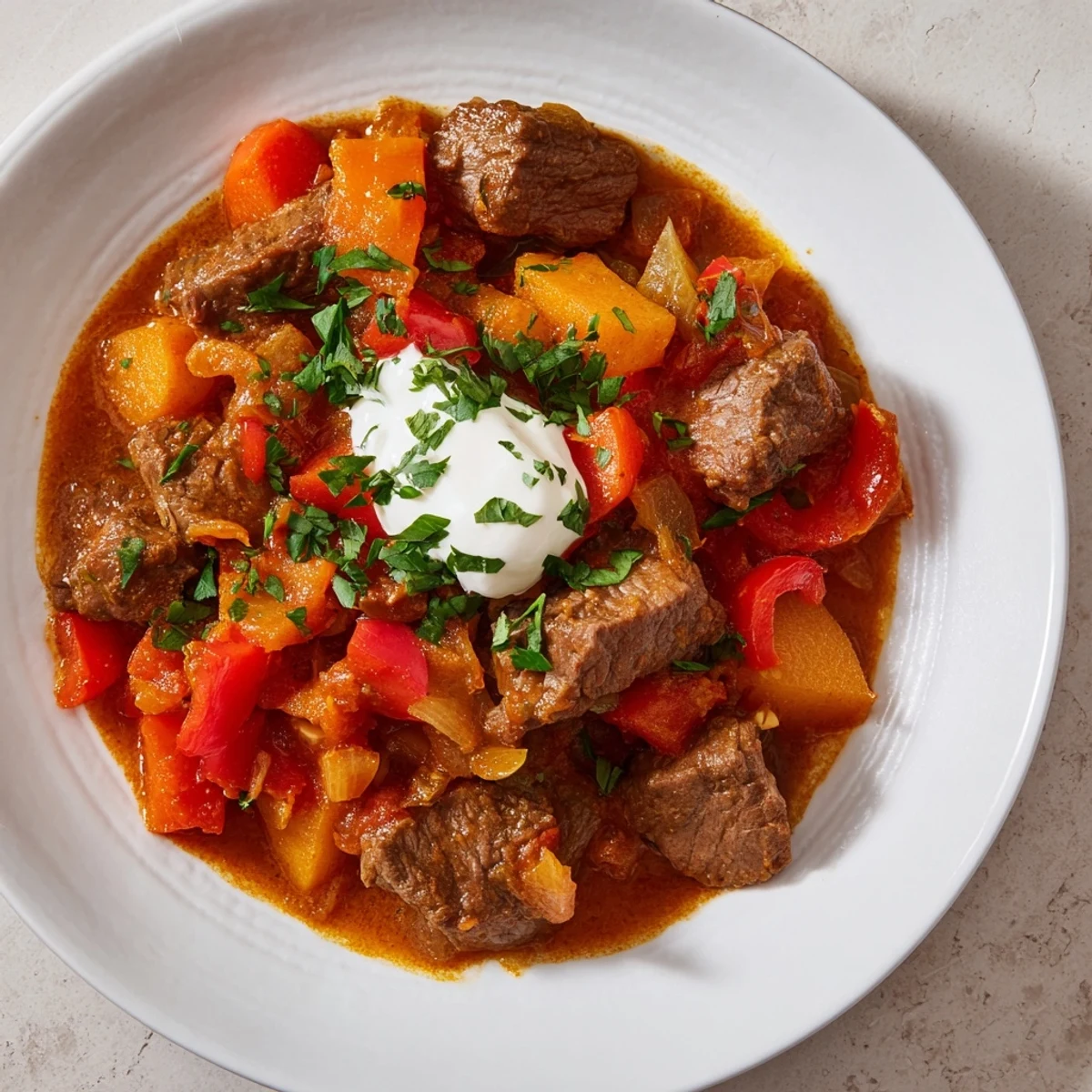
Save This Hungarian-inspired dish features tender beef cubes slow-cooked with onions, red peppers, and a blend of smoky and sweet paprika. The rich stew is gently simmered in beef broth with tomato paste and seasoned with caraway seeds and marjoram to deepen the flavor. Cooked for hours until the beef melts in your mouth, it’s a hearty main perfect for warming meals. Garnish with fresh parsley and optional sour cream to balance the spices and add freshness.
I was standing at my kitchen counter on a drizzly Sunday afternoon when I realized I had nowhere to be and a big piece of chuck roast staring back at me. That's when goulash came to mind—not from a cookbook, but from a memory of steam curling up from a pot at a friend's dinner table years ago. The smell of paprika hitting hot oil is something you don't forget. I pulled out my Dutch oven and decided to see if I could bring that moment back to life.
I first made this for a small gathering during a cold snap in early March. Everyone showed up bundled and a little grumpy from the weather, but by the time bowls were passed around, the conversation had turned light and easy. One friend went back for seconds without asking, which is always the best compliment. That pot stayed warm on the stove all evening, and I remember thinking how rare it is for a single dish to hold a room together like that.
Ingredients
- Beef chuck: This cut has enough marbling to stay juicy through the long simmer, and it shreds beautifully once it's done.
- Onions: They form the sweet, caramelized base that balances the paprika's smokiness—don't rush this step.
- Red bell peppers: They add a subtle sweetness and a pop of color that makes the stew look as good as it tastes.
- Garlic: Just three cloves is enough to weave through the broth without shouting over the other flavors.
- Carrots: They soften into the stew and soak up the spiced broth, adding a gentle earthiness.
- Tomatoes: Fresh or canned both work, they bring acidity that brightens the richness of the beef.
- Sweet Hungarian paprika: This is the soul of the dish, it should be vibrant red and smell faintly sweet when you open the jar.
- Smoked paprika: A little goes a long way, it adds depth without turning the stew into barbecue.
- Caraway seeds: Optional, but they lend a warm, slightly anise-like note that feels very traditional.
- Marjoram: It's gentler than oregano and pairs beautifully with paprika if you have it on hand.
- Beef broth: Use a good quality one, it becomes the backbone of the sauce.
- Tomato paste: Just a tablespoon deepens the color and adds a concentrated umami kick.
- Vegetable oil: Neutral and steady for browning without burning.
- Parsley: Fresh and green, it cuts through the richness right before serving.
- Sour cream: A dollop on top turns each bowl into something luxurious and cooling.
Instructions
- Start with the onions:
- Heat the oil over medium heat until it shimmers, then add the onions and let them soften slowly, stirring now and then until they turn golden and smell sweet. This takes about six to eight minutes, and it's worth the patience.
- Wake up the garlic:
- Toss in the minced garlic and stir for just a minute until the kitchen smells like something good is about to happen.
- Brown the beef:
- Add the beef cubes in batches if your pot is crowded, turning them until each side gets a little color. You're not cooking them through, just building flavor on the surface.
- Bloom the spices:
- Stir in both paprikas, the caraway, and marjoram, letting them coat the beef and onions. The heat will wake up their oils and the color will deepen to a gorgeous red.
- Build the base:
- Mix in the tomato paste, tomatoes, carrots, bell peppers, salt, pepper, and bay leaf, stirring everything together so the spices distribute evenly.
- Add the broth:
- Pour in the beef broth until the meat is just covered, then bring it up to a gentle simmer. You should see small bubbles breaking the surface, not a rolling boil.
- Let it go low and slow:
- Cover the pot, turn the heat to low, and let it cook for two and a half to three hours, stirring every so often. The beef will go from firm to fork-tender, and the sauce will thicken into something silky.
- Finish and taste:
- Pull out the bay leaf, then taste and add more salt or pepper if needed. Serve hot with a sprinkle of parsley and a spoonful of sour cream on top.
 Save
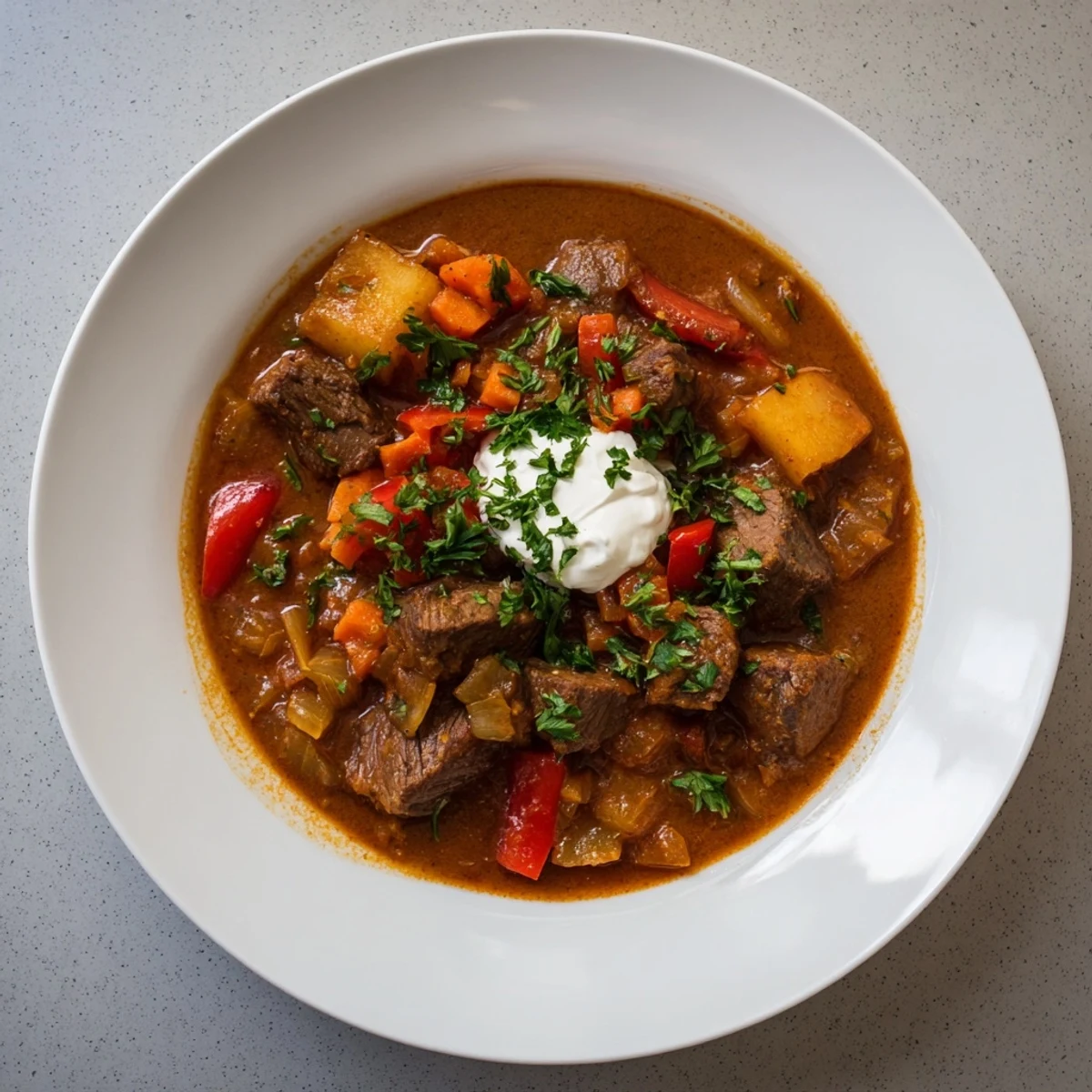
Save There was a night I reheated a bowl of this after a long day and sat at the table with just a candle and some bread. No phone, no TV, just the warmth of the stew and the quiet of the house. It reminded me that some meals don't need an occasion, they create one just by being good enough to slow you down.
What to Serve It With
I usually reach for crusty bread to soak up every bit of sauce, but buttered egg noodles are just as comforting. Steamed potatoes work beautifully too, especially if you want something hearty that doesn't compete with the stew's bold flavors. A simple green salad on the side adds a fresh contrast that keeps the meal from feeling too heavy.
How to Store and Reheat
Let the goulash cool completely before transferring it to an airtight container, it will keep in the fridge for up to four days. When you reheat it on the stove, add a splash of broth or water to loosen the sauce, and warm it gently over low heat. I've found that the flavors marry even more after a day or two, so don't be surprised if it tastes better as leftovers.
Ways to Make It Your Own
If you want a deeper, richer base, add half a cup of red wine along with the broth and let it simmer down. For heat, stir in a pinch of cayenne or swap some of the sweet paprika for hot. I've also added a handful of chopped mushrooms with the vegetables for an earthy twist that worked surprisingly well.
- Try stirring in a teaspoon of honey at the end if the tomatoes taste too sharp.
- Use pork shoulder instead of beef for a slightly sweeter, more delicate flavor.
- Top with fresh dill instead of parsley if you want a brighter, more herbal finish.
 Save
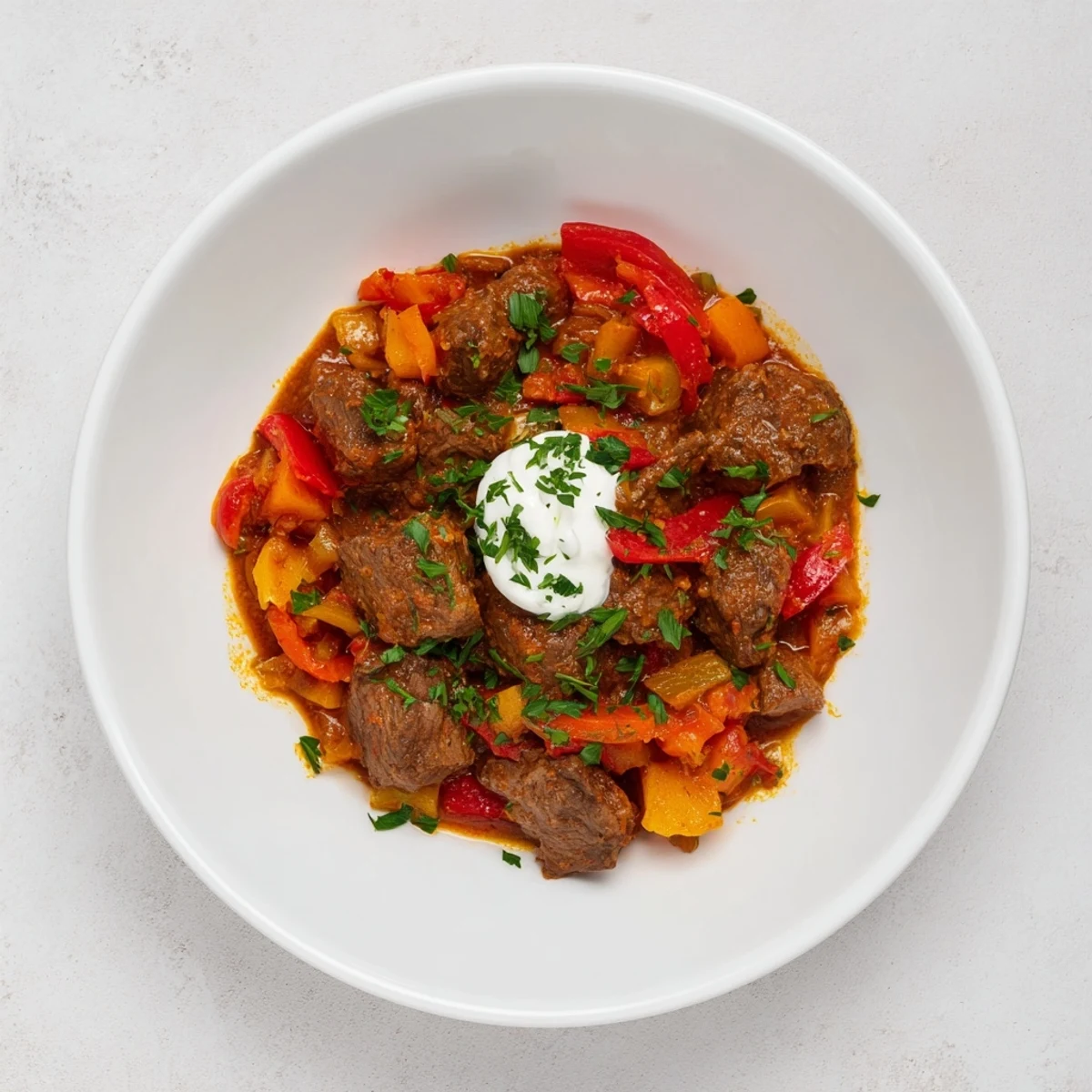
Save This goulash has become my go-to when I want something that feels like a hug from the inside out. I hope it finds a place in your kitchen the way it has in mine.
Recipe Questions & Answers
- → What cut of beef works best for slow cooking?
-
Beef chuck is ideal as its marbling breaks down during slow cooking, resulting in tender, flavorful meat.
- → Can I adjust the spice level in this dish?
-
Yes, adding hot paprika or cayenne pepper will increase heat, while omitting these keeps it mild and savory.
- → Is there a substitute for Hungarian paprika?
-
Sweet smoked paprika provides a similar smoky depth, but authentic Hungarian paprika offers a unique flavor that defines the dish.
- → How long should the stew simmer for best results?
-
Cooking low and slow for around 3 hours ensures beef becomes tender and flavors fully meld together.
- → What sides pair well with this dish?
-
Crusty bread, buttered noodles, or steamed potatoes complement the stew’s rich, hearty character perfectly.