
 Save
Save This silky, creamy pumpkin bisque offers a comforting blend of roasted pumpkin, aromatic spices, and a touch of cream. Roasting the pumpkin enhances its sweetness and depth, while a mix of cinnamon, nutmeg, and ginger adds warmth. The soup is pureed to a smooth texture and garnished with toasted pumpkin seeds and fresh herbs for a flavorful finish. Ideal for chilly days, it’s naturally gluten-free and can be made dairy-free with coconut milk. Easy to prepare and sure to please.
There's something about October that makes me crave pumpkin bisque—not the pumpkin spice everything trend, but the real thing. Years ago, a friend served me a bowl of silky, roasted pumpkin soup at a dinner party, and I watched people actually pause mid-conversation to savor each spoonful. The way the spices whispered through the cream, how it tasted nothing like the canned stuff I'd imagined—that night, I decided to figure out how to make it myself.
I made this soup on the first truly cold evening of the season, when my kitchen smelled like wood smoke and cinnamon all at once. My partner came home, stopped in the doorway, and asked what smelled like autumn—and that's when I knew the spices were hitting just right. Watching someone's face light up over a bowl of soup you made is a small magic I never get tired of.
Ingredients
- Sugar pumpkin (1 medium, about 2 lbs): Roasting concentrates the flavor into something almost caramel-like; regular carving pumpkins are too watery and stringy, so don't skip the right type.
- Yellow onion (1 medium), carrot (1 medium), and celery stalk (1): These three form the aromatic base that makes the bisque taste rounded and real, not one-dimensional.
- Garlic (2 cloves, minced): Add it after the soft vegetables, never before, so it doesn't burn and turn bitter.
- Vegetable broth (4 cups): Use a good one you'd actually drink; the soup is only as good as what you pour into it.
- Heavy cream or coconut milk (1 cup): Cream melts into the hot soup and transforms it into velvet; coconut milk does the same job if you're going dairy-free.
- Cinnamon, nutmeg, ginger (1/2 tsp, 1/4 tsp, 1/4 tsp): These are the soul of the dish—measure them, don't guess, because they stack and can easily overwhelm.
- Cayenne pepper (1/4 tsp, optional): A whisper of heat brightens everything; leave it out if you prefer pure comfort.
- Olive oil, salt, and pepper: 2 tablespoons total for roasting and sautéing; quality olive oil here makes a difference you'll taste.
- Pumpkin seeds and fresh chives or parsley for garnish: Toast the seeds yourself if you have time—they go from soft to nutty and crunchy, and that texture matters.
Instructions
- Roast the pumpkin until it's golden and tender:
- Cut your pumpkin into chunks, toss with oil and seasoning, and spread it on a baking sheet in a single layer. The oven should be at 400°F, and you're waiting for the edges to caramelize slightly—around 25 minutes. This step isn't negotiable; it's what makes the soup taste like pumpkin, not like mush.
- Build your flavor base in the pot:
- Heat oil over medium, add the onion, carrot, and celery, and let them soften for 6 to 8 minutes until they're translucent and the kitchen starts to smell like something good is happening. You want them soft enough to break apart with a spoon, but not browned.
- Bloom the spices:
- Add your minced garlic and all the warm spices at once, stirring constantly for about 1 minute until the aroma hits your face and you know it's working. This step unlocks the flavor in those spices so they taste bright, not raw.
- Combine and simmer gently:
- Add your roasted pumpkin pieces and vegetable broth, bring it to a gentle boil, then turn the heat down to a low simmer for 10 minutes. This gives everything time to get to know each other.
- Puree until it's completely smooth:
- An immersion blender is your friend here—stick it right in the pot and blend until there are no chunks left and the soup looks like silk. If you're using a countertop blender, work in batches and be careful with the hot liquid.
- Finish with cream and season to taste:
- Stir in your cream or coconut milk, taste it, and adjust salt and pepper. If it feels too thick, thin it with a splash of broth until it coats a spoon without being heavy.
- Serve with intention:
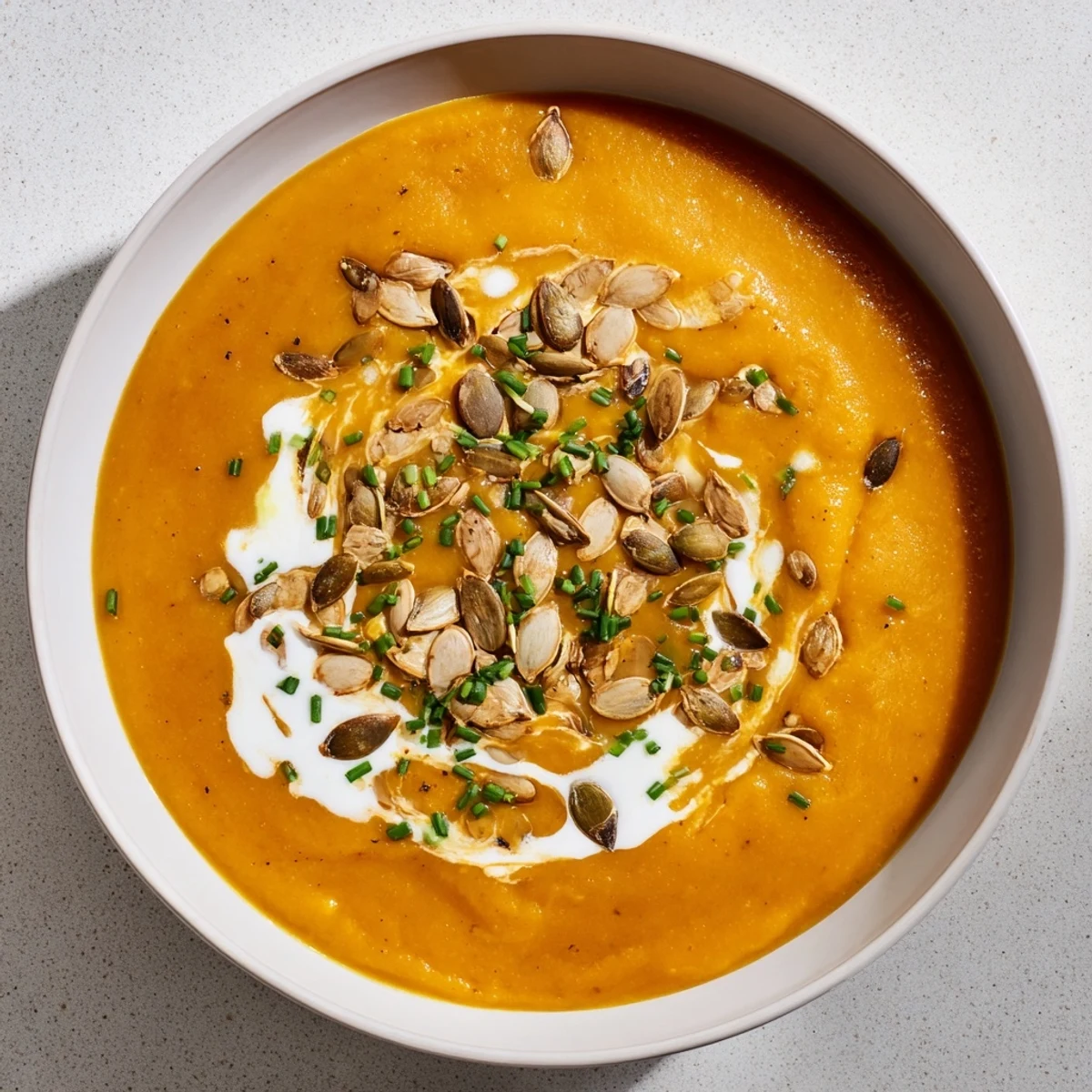
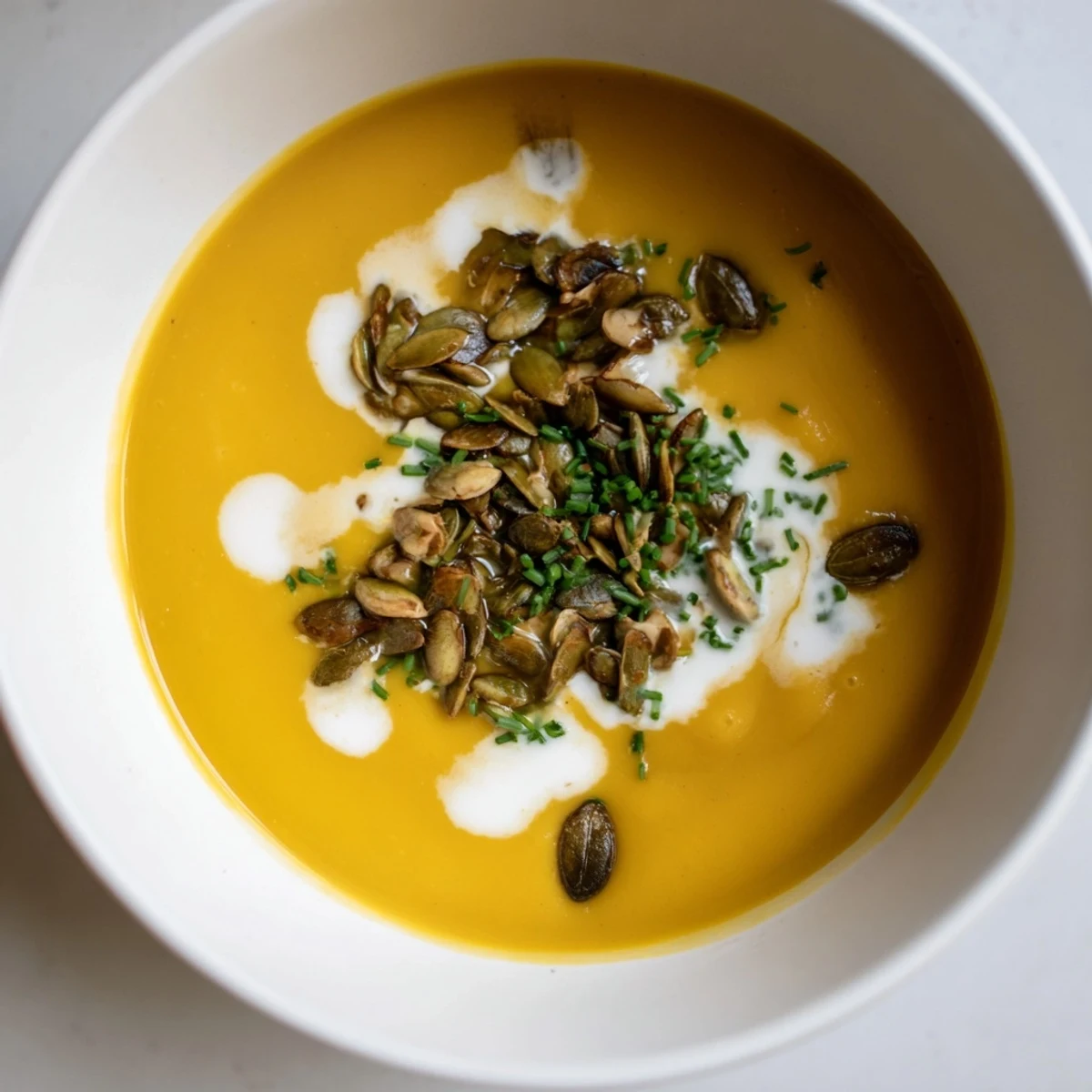
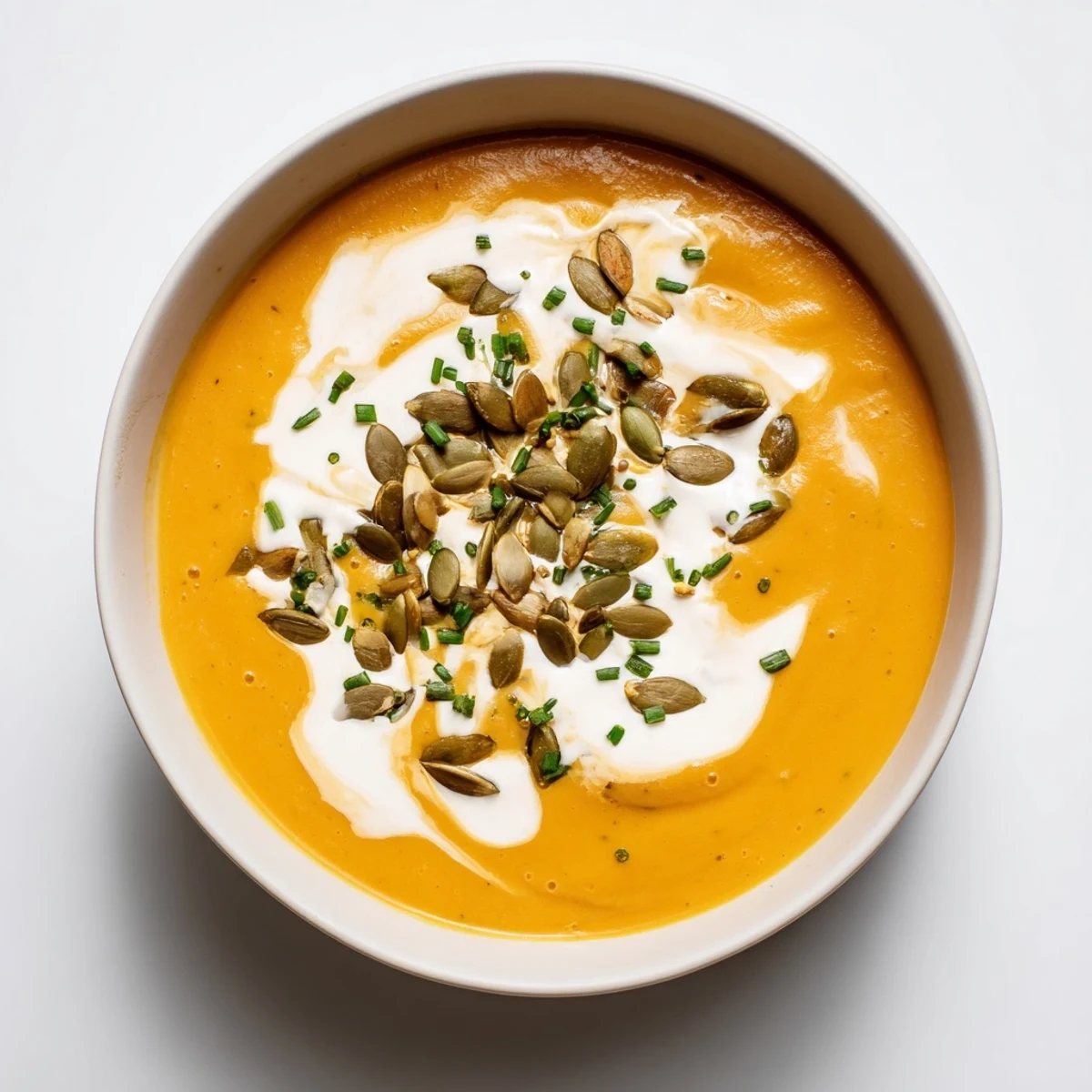
- Ladle into bowls, top with toasted pumpkin seeds and fresh chives, and add a small drizzle of cream if you want to be fancy. The garnish isn't just decoration—it adds crunch and freshness that balances the richness.
 Save
Save I'll never forget the look on someone's face the first time they tried this—surprise, then quiet satisfaction, then they asked for seconds. That moment is when a recipe stops being instructions and becomes something you actually want to make again.
Why Pumpkin Bisque Feels Like Autumn in a Bowl
There's psychology in the way spices work: cinnamon and nutmeg don't actually taste like fall, but they remind us of fall, and our brains do the rest. This soup leans into that gentle deception, wrapping you in warmth the moment the spoon touches your lips. It's comfort food that doesn't feel heavy, which is why people come back to it year after year.
Variations and Swaps That Actually Work
Butternut squash makes an excellent substitute if you can't find sugar pumpkins—it's slightly sweeter and a bit less earthy, but the soup will still be delicious. I've also added a cinnamon stick or a star anise during the simmer for extra depth, or stirred in a teaspoon of maple syrup if the pumpkin I used wasn't naturally sweet enough. For a richer version, replace half the broth with more cream, but know that it becomes less of a bisque and more of a spoon-standing-up situation.
Making This Soup Yours
The beauty of this recipe is that it's a starting point, not a final word. Some people love a squeeze of lime at the end for brightness; others swirl in a spoonful of brown butter or crispy sage oil. The spice levels are just my preferences, and yours might be bolder or softer.
- Toast your own pumpkin seeds with a pinch of salt and paprika while the soup simmers—they'll be ten times better than store-bought.
- Make this ahead and reheat gently; it tastes even better the next day when all the flavors have settled.
- A splash of apple cider or a drizzle of balsamic at the table adds a note of complexity that some people find transformative.
 Save
Save This soup has earned its place in my regular rotation because it's simple enough for a Tuesday night but special enough to serve to people who matter. Make it, taste it, and remember why autumn feels like coming home.
Recipe Questions & Answers
- → How do I prepare the pumpkin for the bisque?
-
Peel, seed, and cube a medium sugar pumpkin. Roast it with olive oil, salt, and pepper at 400°F until tender and caramelized for enhanced flavor.
- → What spices complement the pumpkin in this dish?
-
Aromatic spices like cinnamon, nutmeg, ginger, and a hint of cayenne pepper create a warm and balanced flavor profile.
- → Can I substitute heavy cream in this soup?
-
Yes, coconut milk works well as a dairy-free alternative, maintaining creaminess without altering the flavor significantly.
- → How can I achieve the smooth texture of this bisque?
-
Use an immersion or countertop blender to puree the soup until completely smooth, ensuring a silky consistency.
- → What garnishes enhance the final presentation and taste?
-
Toasted pumpkin seeds and chopped fresh herbs like chives or parsley add texture and fresh flavor for a polished finish.
- → Is this dish suitable for gluten-free diets?
-
Yes, it is gluten-free when prepared with gluten-free vegetable broth and careful ingredient selection.