
 Save
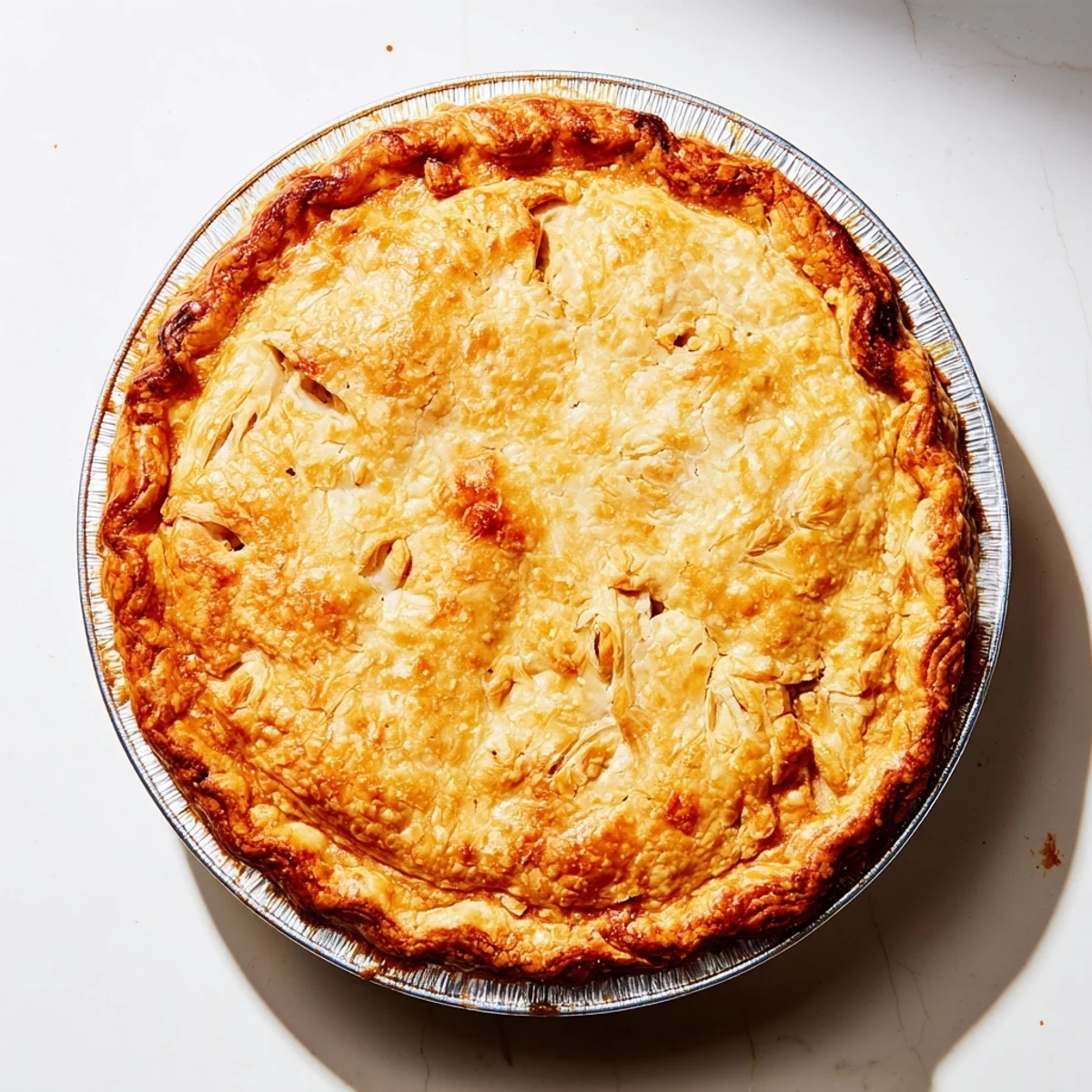
Save This flaky and tender pastry crust is crafted by blending cold butter into flour and salt, then chilling the dough before rolling out. With just a few simple ingredients and easy steps, it produces a versatile crust perfect for quiches, tarts, and other savory baked goods. Optional herbs enhance flavor, and substitutions like whole wheat or plant-based butter cater to dietary preferences.
Chilling the dough ensures a tender texture, and blind baking can be done before filling. This crust combines simplicity with delicious results, ideal for any savory pastry base.
I still remember the first time my grandmother pulled a golden, flaky pie crust from her oven, and I realized that the magic wasn't in some secret ingredient—it was in understanding how butter and flour could become something so tender and delicate. Years later, when I finally mastered the technique myself, I understood why she'd always kept her butter in the coldest part of the fridge and why she'd whisper about keeping everything cold. This savory pie crust became my gateway to understanding pastry, and now I make it whenever I want to impress myself with something truly handmade.
I'll never forget the dinner party when I nervously slid a homemade quiche with this crust onto the table, and my friend took one bite and closed her eyes in that way that means you've done something right. That moment taught me that a good crust isn't just a vessel—it's the foundation of confidence in the kitchen.
Ingredients
- All-purpose flour (1 1/4 cups / 160 g): The foundation of your crust—it provides structure while staying tender. Using the weight measurement is more reliable than volume, especially if you're new to baking. Don't sift unless your flour is particularly compacted.
- Salt (1/2 teaspoon): This tiny amount does so much heavy lifting, bringing out the buttery flavor and balancing everything. Never skip it, even in a savory crust.
- Unsalted butter, cold and cubed (1/2 cup / 115 g): Cold is everything here. This is where flakiness comes from—those tiny pockets of butter create steam and layers as it bakes. Cut it into small cubes before you even start so it stays cold throughout.
- Ice water (3–4 tablespoons / 45–60 ml): Just enough to bring the dough together, not so much that it becomes tough. The ice water keeps the gluten from developing too much, which would make your crust chewy instead of tender.
Instructions
- Combine your dry ingredients:
- Whisk the flour and salt together in a large bowl. This distributes the salt evenly and aerates the flour slightly, which helps make the crust more tender.
- Cut in the cold butter:
- Add those cold butter cubes to the flour and work them in using a pastry cutter, two forks, or your fingertips—whatever you're comfortable with. You're not trying to make a smooth paste. Stop when the mixture resembles coarse breadcrumbs with some pea-sized pieces of butter still visible. Those little butter pieces are what give you flakiness, so don't overthink it or worry about your warm hands; just keep moving.
- Add water gradually:
- Drizzle in 3 tablespoons of ice water and gently mix with a fork, just until the dough starts holding together. If it seems too dry, add water a teaspoon at a time. The dough should come together when pressed gently, not be wet or sticky.
- Shape and chill:
- Turn the dough onto a lightly floured surface and gently shape it into a flat disc about 1 inch thick. This shape chills faster and more evenly than a ball. Wrap it tightly in plastic wrap and refrigerate for at least 30 minutes. Your patience here pays off in flakiness.
- Roll it out:
- On a lightly floured surface, roll the chilled dough from the center outward, rotating the disc as you go, until it's about 2 inches larger than your pie pan. If it cracks at the edges, don't panic—just press it back together. It happens.
- Transfer and finish:
- Gently transfer your rolled dough to the pie pan, letting it settle naturally. Trim the excess with a knife or scissors, then crimp the edges however you like—fork marks, fingers, or a traditional flute. Chill again for 10 minutes before filling or blind baking.
 Save
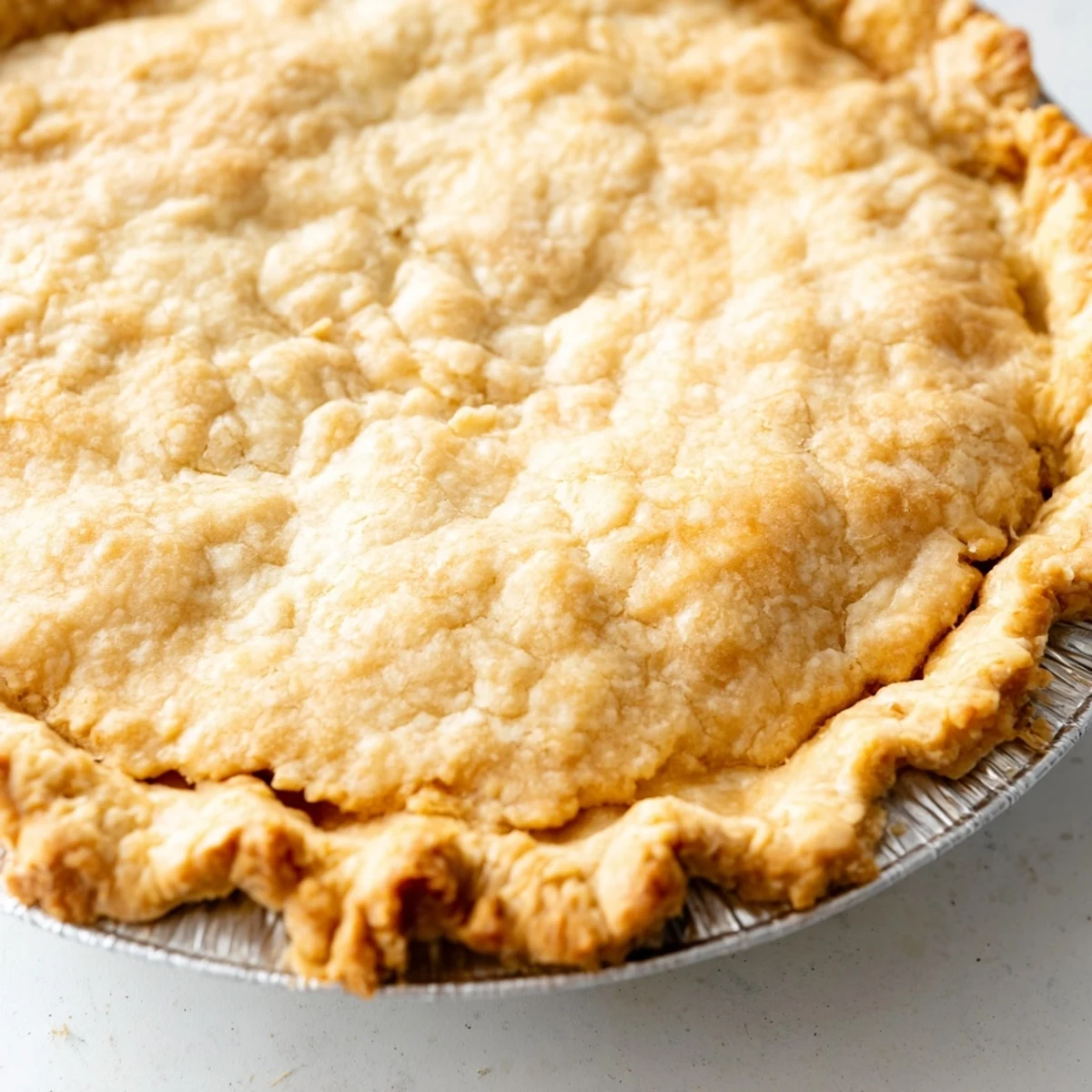
Save There's a quiet satisfaction that comes from knowing you can make something this essential from just flour, butter, salt, and water. It's one of those recipes that reminds me why I love cooking—because you're not following instructions so much as learning a conversation between ingredients.
The Science of Flakiness
Flakiness happens because butter and water create steam when heat hits them, and those tiny pieces of butter never quite mix with the flour. Instead, they melt and create little gaps and layers in the baked crust. The colder everything stays during mixing, the better these little pockets form. It's why keeping your butter cubed and cold matters more than technique—you're literally building a layer cake of flour and butter, and the oven does most of the work.
Customizing Your Crust
Once you understand the basic recipe, you can play. A teaspoon of dried herbs like thyme or rosemary whispered into the flour changes everything—suddenly it's a crust that knows it's meant for a savory quiche or herb-filled tart. Substitute up to a quarter cup of whole wheat flour if you want something nuttier and earthier, though it will be slightly less flaky. For a vegan version, cold plant-based butter works beautifully, though I'd recommend using one that's made with coconut oil rather than palm for the best flake.
Blind Baking and Other Secrets
If your filling won't need long baking time, blind bake this crust first so the bottom stays crispy instead of soggy. Prick the bottom with a fork, line with parchment, fill with pie weights or dried beans, and bake at 375°F for 15 minutes. Remove the weights and bake another 5–7 minutes until it's set but still pale. This is where patience becomes visible—you're essentially pre-baking to give your pie crust the head start it needs.
- Always chill the dough and the filled crust before baking or blind baking, even if you're in a hurry
- Keep ice water in a small bowl with actual ice cubes while you work, dipping your fingers or utensil into it when things warm up
- If the dough breaks when you transfer it, just patch it gently—no one will know but you
 Save
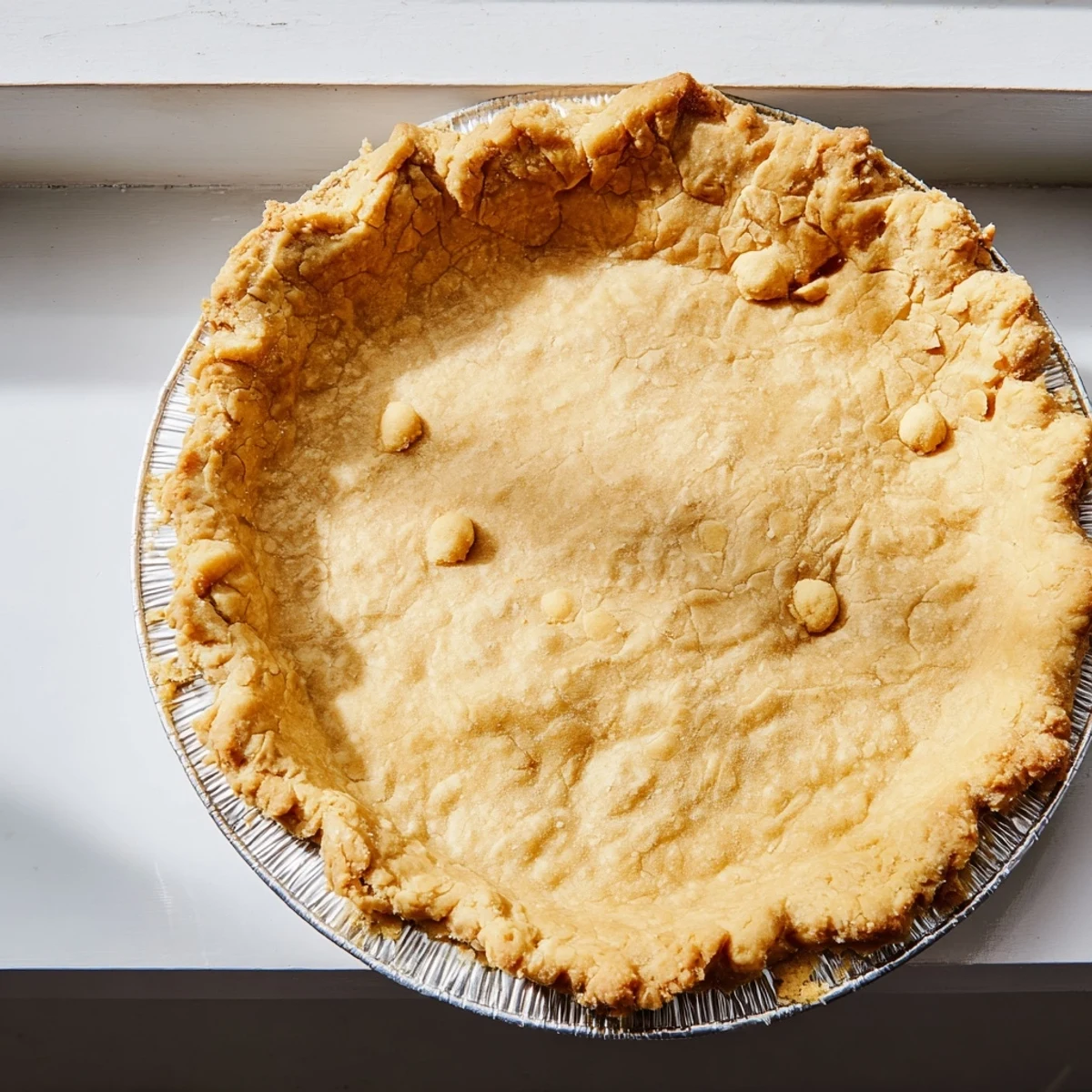
Save This crust is your foundation for so many wonderful meals. Treat it gently, keep things cold, and it will reward you with something golden and crackling that tastes like you've been making pie your whole life.
Recipe Questions & Answers
- → What makes the crust flaky and tender?
-
Cold butter cut into flour creates small pockets of fat that melt during baking, resulting in a flaky, tender texture.
- → Can I add herbs to enhance the flavor?
-
Yes, adding dried herbs like thyme or rosemary to the flour adds subtle, aromatic notes to the crust.
- → Is it possible to use plant-based butter?
-
Plant-based butter can be substituted for a vegan version, retaining the crust's texture and flavor.
- → How important is chilling the dough?
-
Chilling firms the dough, preventing shrinking during baking and improving flakiness and ease of rolling.
- → What is blind baking and when should I do it?
-
Blind baking involves baking the crust empty with weights to set it before adding fillings, especially for wet or short-bake fillings.