
 Save
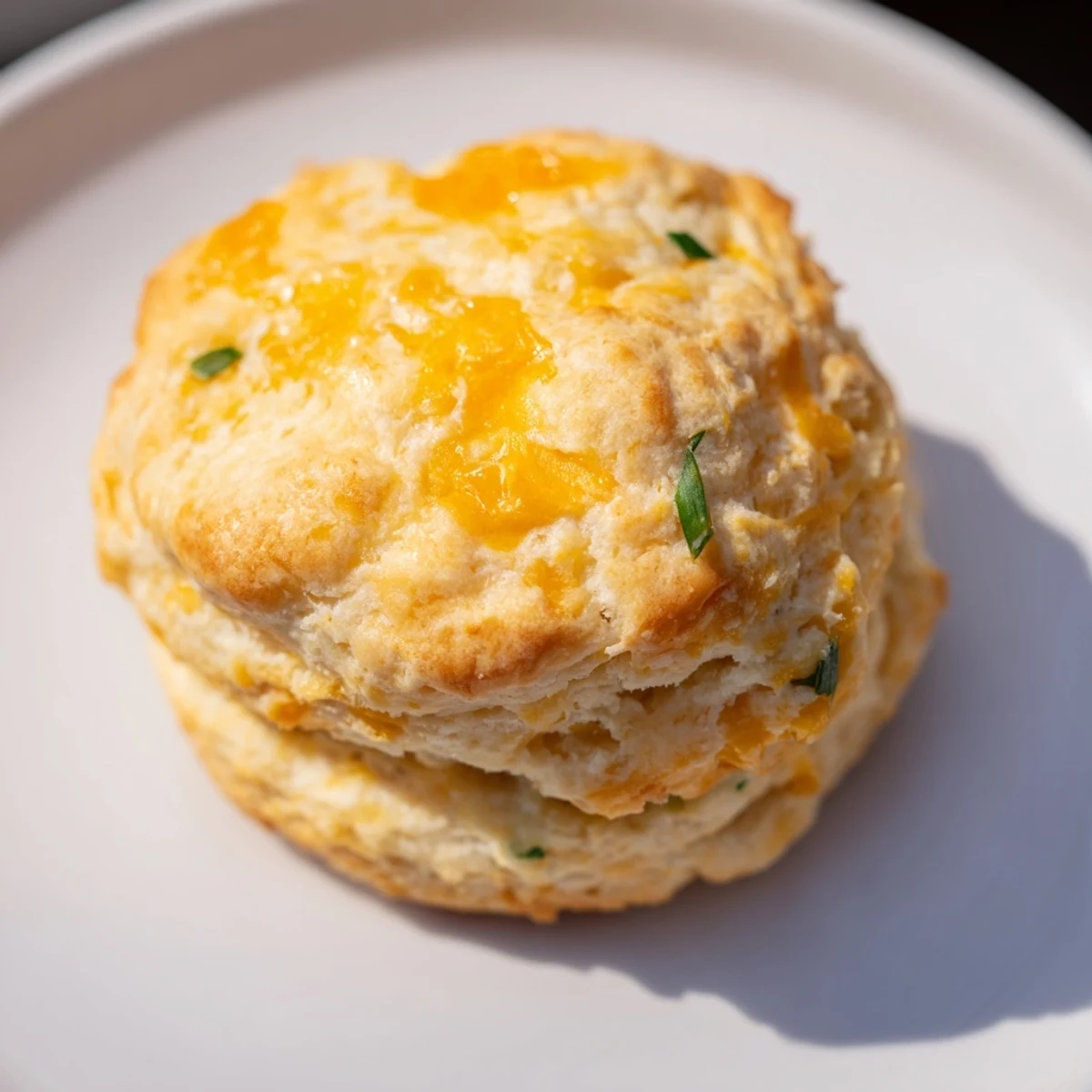
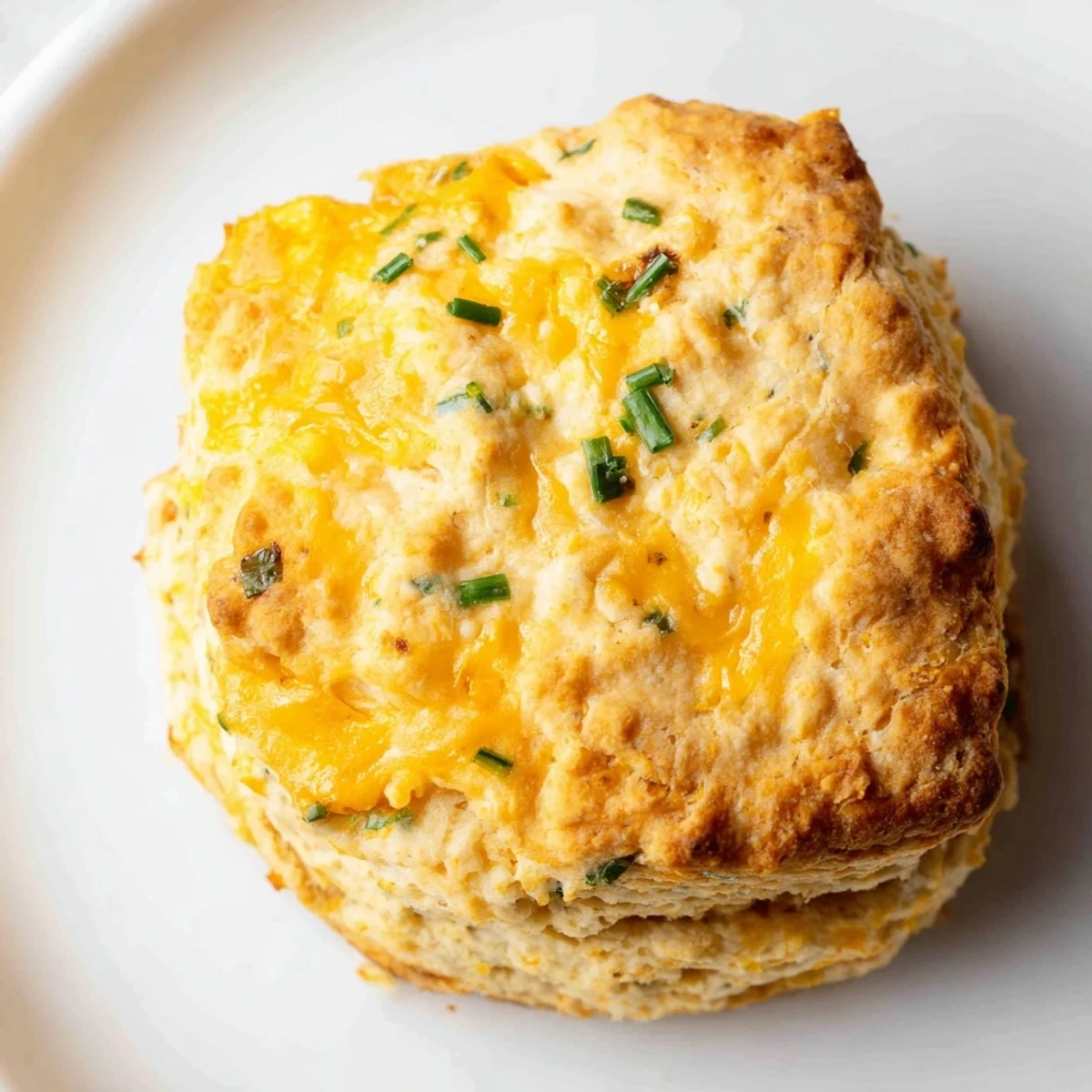
Save These savory biscuits combine buttery richness with sharp cheddar and fragrant herbs, creating crisp golden rounds perfect for any table. Quick to prepare and bake, they offer a tender crumb and subtle seasoning, ideal alongside soups or salads. Optional herbs like thyme or rosemary add fragrant depth, while fresh chives bring a bright finish. Easy to make, these biscuits deliver comforting flavors and versatile serving options, from appetizers to sandwich bases.
My neighbor brought a plate of these golden, herb-flecked biscuits to a potluck on a crisp fall evening, and I watched them disappear faster than anything else on the table. I asked for the recipe thinking it would be complicated, but she laughed and said the secret was just keeping everything cold and not fussing with the dough. That conversation stuck with me, and now these biscuits have become my go-to when I need something impressive but honest.
The first time I made these for my book club, I panicked halfway through because my buttermilk was room temperature and I wasn't sure it mattered. I called a friend in a mild kitchen crisis, and she assured me that cold is what counts, so I popped it in the freezer for five minutes and moved forward. The biscuits turned out perfectly golden, and nobody ever knew about my small moment of doubt.
Ingredients
- All-purpose flour: The foundation of every tender biscuit; measure by spooning and leveling, never scooping straight from the bag.
- Baking powder and baking soda: These two work together to give you that perfect rise and slight tang; don't skip or double them.
- Salt and black pepper: Simple seasonings that wake up the cheese and herbs without being loud about it.
- Dried thyme or rosemary: Fresh herbs are wonderful, but dried ones distribute more evenly and won't turn bitter in the oven.
- Cold unsalted butter: This is where the magic lives; cold butter creates pockets of steam that make biscuits flaky, so dice it small and use it straight from the fridge.
- Sharp cheddar cheese: The sharpness matters because it cuts through the richness and doesn't get lost; Gruyère or Parmesan work beautifully too if you want to experiment.
- Cold buttermilk: The acidity makes biscuits tender and flavorful; if you don't have buttermilk, mix regular milk with a splash of lemon juice and let it sit five minutes.
- Fresh chives or parsley: Optional but worth it for a bright note that makes people ask what you put in them.
Instructions
- Heat your oven and prepare:
- Set the oven to 425°F and line a baking sheet with parchment paper so your biscuits can brown evenly on the bottom without sticking.
- Mix the dry ingredients:
- Whisk together flour, baking powder, baking soda, salt, pepper, and herbs in a large bowl; this distributes the leavening agents evenly so every bite rises the same way.
- Work in the cold butter:
- Add diced cold butter and use a pastry cutter, fork, or your fingertips to break it into pea-sized pieces throughout the flour until it looks like coarse breadcrumbs. This step is where patience pays off; you want visible bits of butter, not a smooth paste.
- Add cheese and fresh herbs:
- Stir in the grated cheddar and any fresh chives or parsley, making sure they're distributed without overmixing.
- Bring the dough together:
- Pour in the cold buttermilk and gently stir just until the dough comes together; stop as soon as you don't see dry flour anymore, even if it looks a little shaggy. Overmixing develops gluten and makes tough biscuits.
- Shape and cut:
- Turn the dough onto a lightly floured surface and gently pat it into a 3/4-inch thick rectangle using your hands or a rolling pin. Use a biscuit cutter or the rim of a glass to cut rounds, pressing straight down and lifting straight up without twisting.
- Arrange on the baking sheet:
- Place biscuits on the prepared sheet with a little space between them so they can puff and brown on all sides.
- Brush and bake:
- Brush the tops lightly with extra buttermilk, which gives them a beautiful golden finish. Bake for 13 to 15 minutes until they're puffed and golden brown.
- Cool slightly and serve:
- Let them rest on the baking sheet for just a minute, then transfer to a plate and serve them warm so the butter is still soft and the insides are steaming.
 Save
Save I'll never forget the sound of my daughter cracking one open at the breakfast table, steam rising, and her asking if I'd bought these from somewhere because they seemed too good to be homemade. That question made my whole morning.
Why Cold Butter Changes Everything
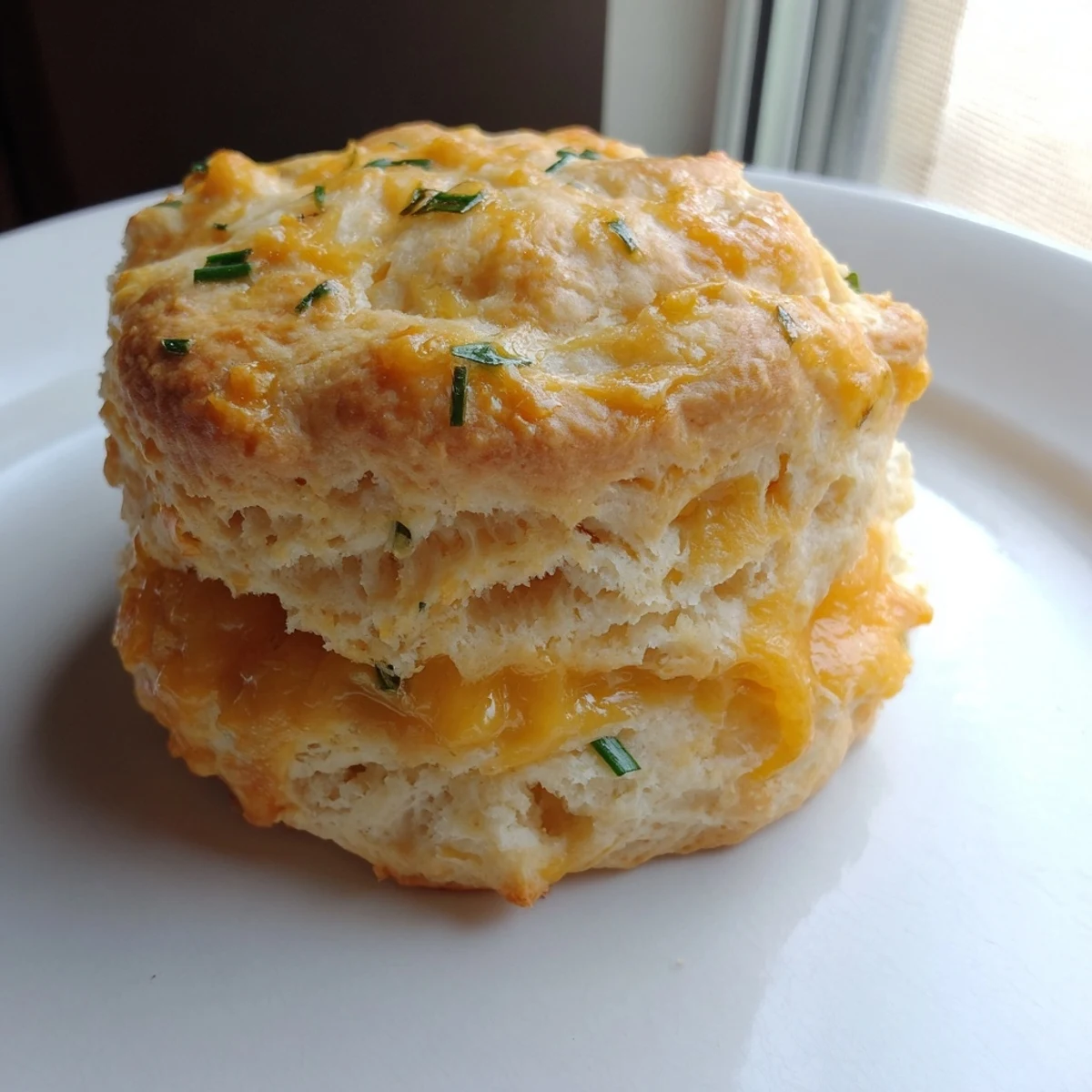
The science behind flaky biscuits is simple but powerful: when cold butter melts in the oven, it leaves behind tiny gaps that fill with steam, creating those delicate layers. If your butter is warm or soft, those gaps collapse before they have a chance to puff up, and you end up with dense, cake-like biscuits instead. I learned this the hard way after forgetting to chill my butter on a warm afternoon.
Variations and Flavor Swaps
Once you've made these classic herb and cheddar biscuits a few times, the fun begins. I've swapped in crumbled goat cheese and fresh dill, stirred in crispy bacon bits, or added a pinch of cayenne for heat and intrigue. Each variation tastes completely different but follows the same simple method, so you can play without worrying about failure.
Serving and Storage Ideas
Serve these warm straight from the oven alongside a bowl of soup, or slice them in half for tiny sandwiches filled with ham and mustard. They keep in an airtight container for two days and reheat beautifully in a warm oven, though they're honestly best eaten the same day.
- Make herbed butter by stirring softened butter with fresh herbs and a squeeze of lemon, then spread it on warm biscuits.
- Use yesterday's biscuits crumbled up as a crunchy topping for salads or creamy soups.
- Split and fill them with scrambled eggs and cheese for a breakfast that feels like a celebration.
 Save
Save These biscuits have a way of turning an ordinary meal into something worth talking about. Whether they're sitting on your table or someone else's, they're proof that the simplest recipes often taste the best.
Recipe Questions & Answers
- → What herbs work best in these biscuits?
-
Thyme and rosemary provide subtle aromatic notes, while fresh chives or parsley add a bright, fresh flavor. Adjust according to your preference.
- → Can I substitute cheddar cheese?
-
Yes, Gruyère or Parmesan make excellent alternatives that add distinctive flavor nuances to the biscuits.
- → How do I achieve a flaky texture?
-
Keep the butter cold and work it into the flour until coarse crumbs form. Avoid overmixing once buttermilk is added to maintain flakiness.
- → What is the recommended baking temperature?
-
Bake at 425°F (220°C) for 13–15 minutes until biscuits turn golden brown and puffed.
- → How should the dough be handled before baking?
-
Pat the dough into a 3/4-inch thick rectangle and cut into rounds with a biscuit cutter, spacing them apart on the baking sheet.