
 Save
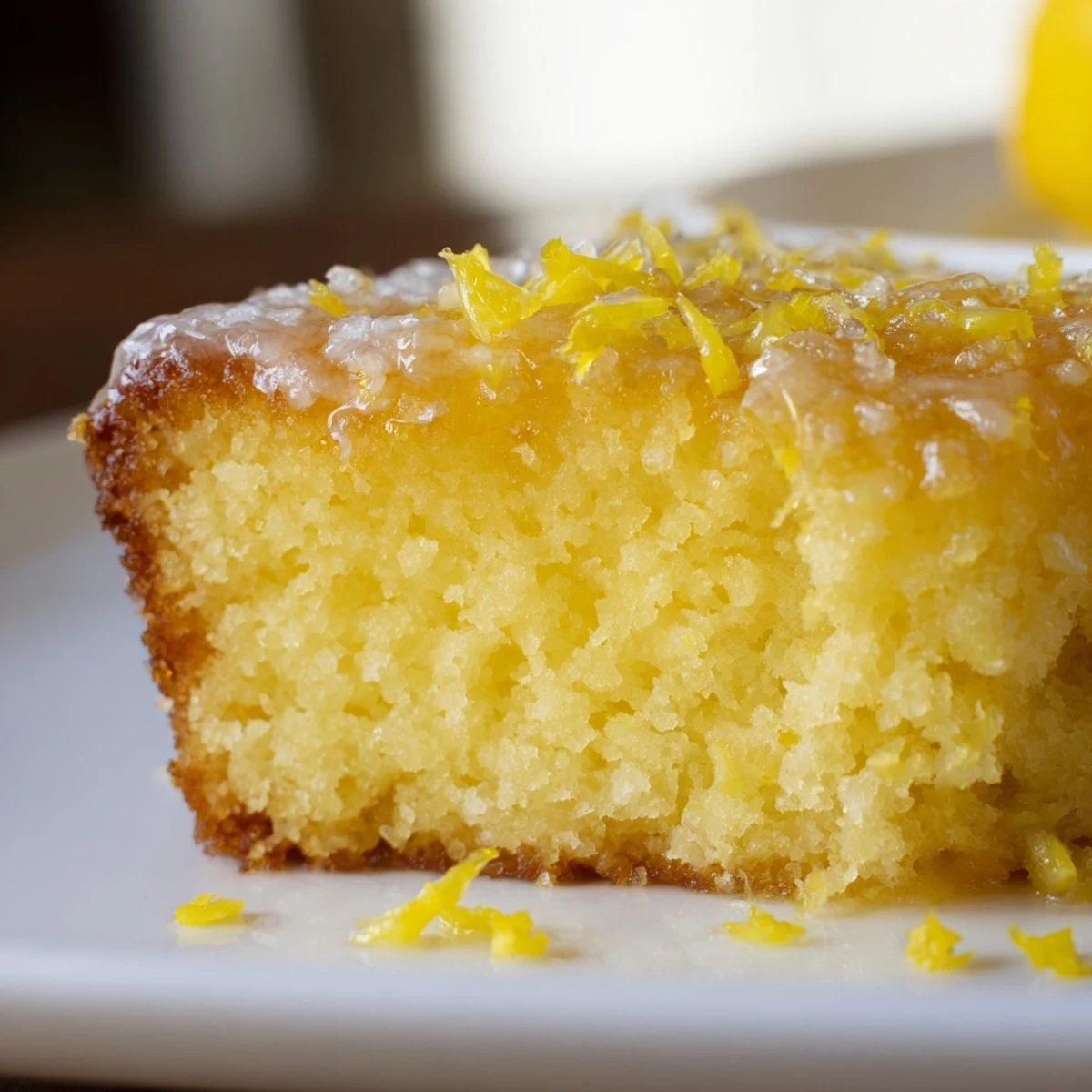
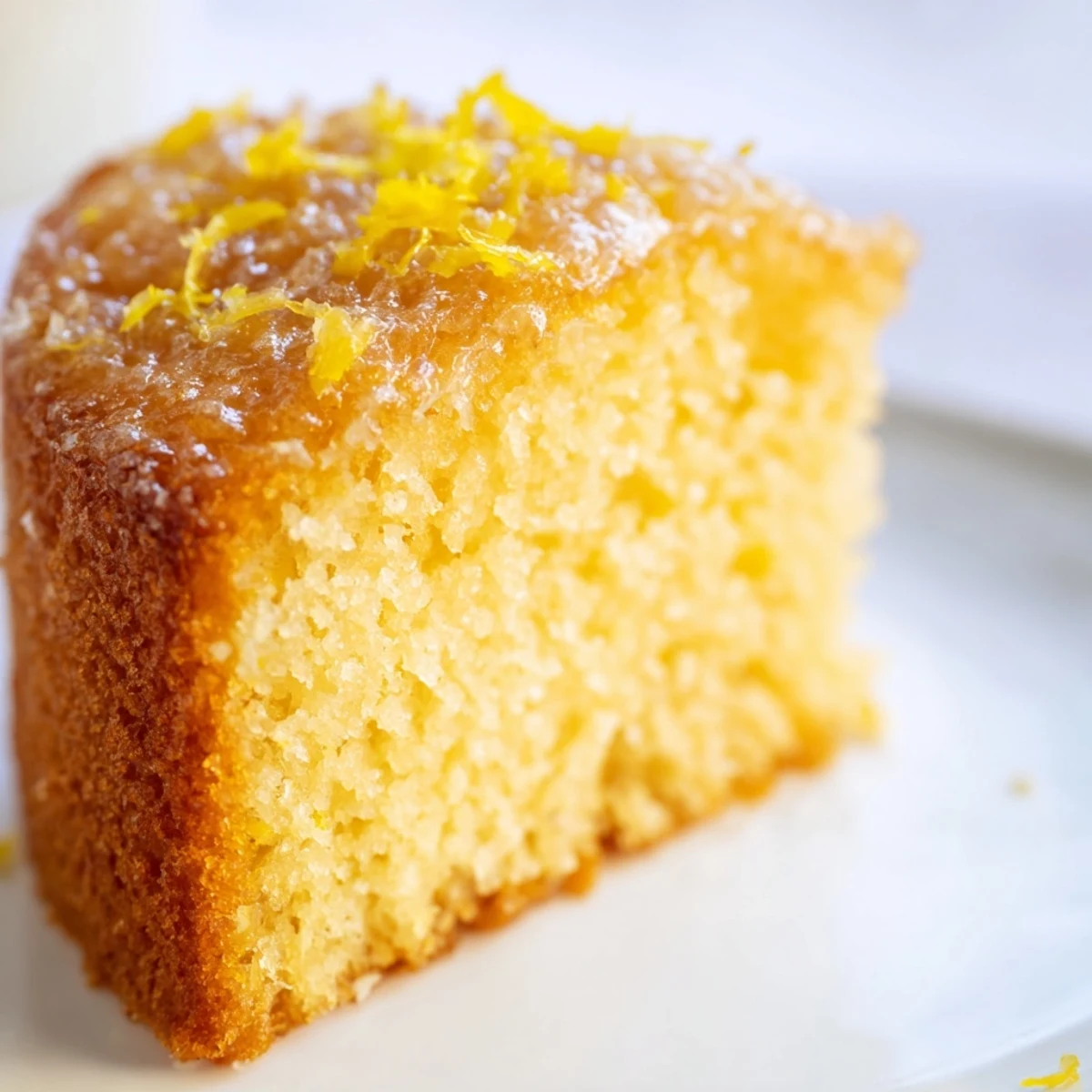
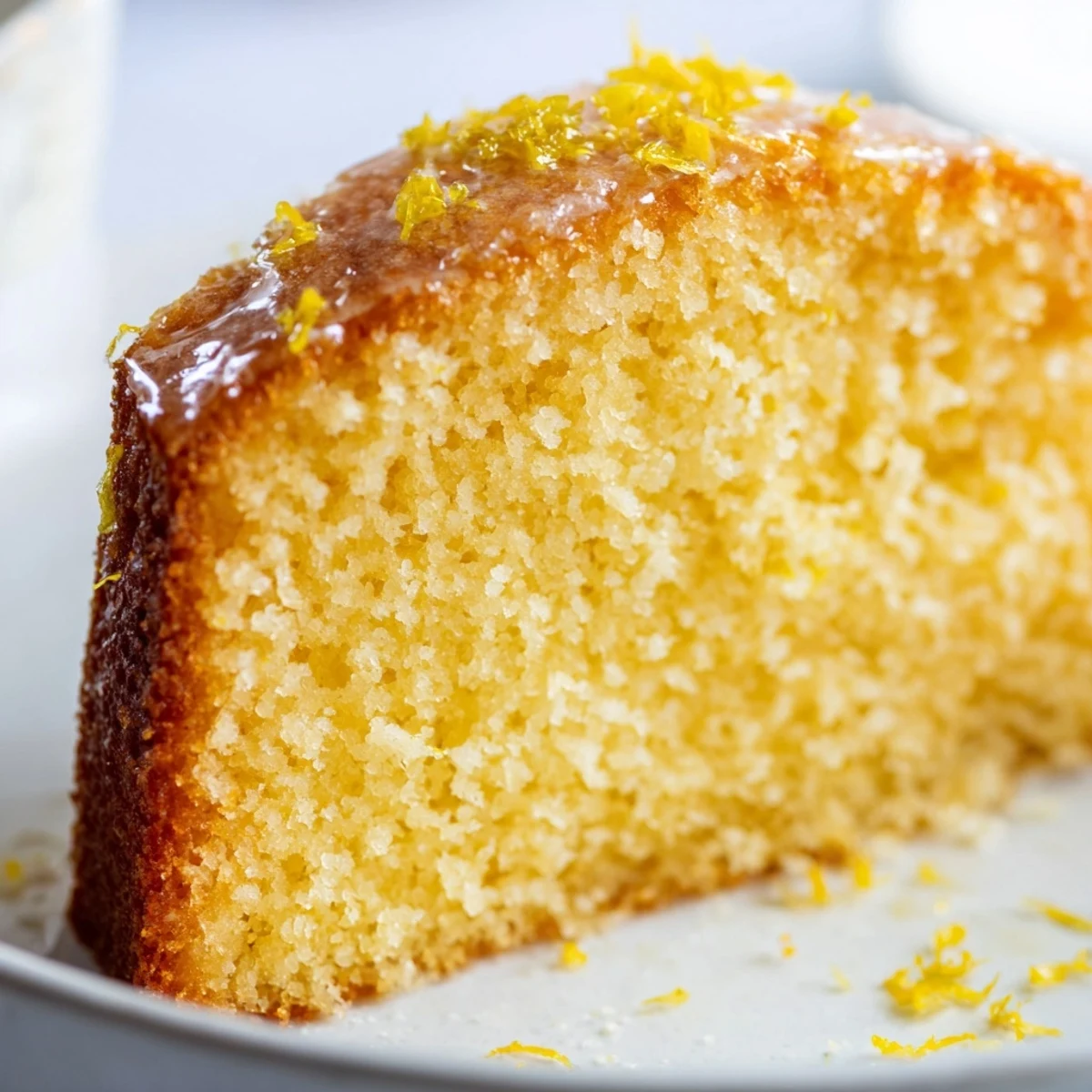
Save This moist, tangy sponge blends lemon zest and a zesty drizzle to create an ideal teatime or dessert treat. Creamed butter and sugar form the fluffy base, enriched with eggs and self-raising flour for a light texture. The batter is baked until golden and topped immediately with a lemon sugar drizzle while warm. The drizzle seeps in, giving a bright citrus finish. For extra zing, sprinkle lemon zest on top or swap some lemon juice with lime. Serve slices with whipped cream or fresh berries for a refreshing complement.
There's something about the smell of lemon zest hitting hot butter that makes you stop whatever you're doing. I learned to make this cake on a gray afternoon when my mum was teaching me her signature recipe—the one she'd been perfecting for decades. She showed me how the glaze needed to go on while the cake was still hot, seeping into those tiny holes you prick with a skewer, creating pockets of sharpness that balance the tender crumb. It's become the cake I reach for when I need something that tastes like comfort but feels bright.
I made this for a neighbor's garden party once, wrapped it in parchment paper tied with twine, and watched her face light up when she bit into it. She'd expected something dry and polite, the kind of homemade cake people feel obligated to praise. This wasn't that—this was unapologetically tangy and impossibly soft, and she asked for the recipe before I'd even cut the second slice.
Ingredients
- Unsalted butter (225 g), softened: Room temperature is non-negotiable; cold butter won't cream properly with the sugar, and you'll end up with a dense cake instead of that fluffy cloud you're after.
- Caster sugar (225 g): The fine crystals dissolve more smoothly than granulated sugar, which matters when you're creaming—it aerates the butter better and keeps the crumb tender.
- Large eggs (4): Room temperature eggs incorporate more evenly; cold ones can cause the batter to split, and you'll spend the next ten minutes coaxing it back together with extra flour.
- Self-raising flour (225 g): The leavening is already built in, so you don't have to fuss with baking powder and checking measurements three times.
- Lemon zest (from 2 lemons), finely grated: This is where the whole character of the cake lives—use a microplane, not a box grater, so you get the fragrant oils from the skin without the bitter white pith underneath.
- Milk (2 tbsp): Just a splash to loosen the batter at the end; helps you fold everything together without overworking the flour.
- Salt (1/2 tsp): A pinch that makes the lemon flavor punch harder and keeps everything from tasting one-note.
- Lemon juice (from 2 lemons): Freshly squeezed makes an enormous difference—bottled juice tastes hollow and chemical by comparison.
- Granulated sugar (100 g): For the drizzle; the larger crystals stay slightly textured rather than dissolving completely, which is exactly what you want.
Instructions
- Get your mise en place ready:
- Preheat the oven to 180°C (350°F) and grease your loaf tin thoroughly, then line it with parchment paper so the cake releases cleanly. Having everything measured and within arm's reach means you won't rush the creaming process or forget the salt halfway through.
- Cream the butter and sugar:
- Beat them together for about three minutes until the mixture looks pale, fluffy, and almost mousse-like—this is where air gets trapped, which makes the cake rise. Stop and scrape the bowl halfway through; cold bits hiding at the sides won't incorporate properly.
- Add the eggs one at a time:
- Beat each egg in completely before adding the next; if the batter looks slightly split or grainy after an egg, it just means you need a few extra seconds of beating to bring it back together. This patience pays off in texture.
- Fold in the dry ingredients gently:
- Sift the flour and salt together first, then fold them in with the lemon zest using a spatula—overworking at this stage develops gluten and makes the cake tough. Stop folding the moment you don't see dry flour streaks anymore.
- Add the milk and mix lightly:
- A gentle stir brings everything together into a smooth batter that falls from the spoon in thick ribbons. If it feels stiff, the milk helps loosen it without adding more liquid than the recipe needs.
- Pour into the tin and smooth:
- Use the back of a spoon to level the top—a slight dip in the middle helps the cake bake evenly and rise in a gentle dome rather than a peak. Don't overthink this part; it doesn't have to be perfect.
- Bake until golden and set:
- After 45 minutes, insert a skewer into the center—if it comes out clean or with just a few moist crumbs, you're done. The top should be deep golden and spring back when you press it lightly.
- Prepare the drizzle while the cake bakes:
- Stir the lemon juice and granulated sugar together in a small bowl, making sure the sugar dissolves slightly but doesn't turn into a syrup. The texture should be somewhere between a sauce and a glaze.
- Prick the hot cake immediately:
- The moment it comes out of the oven, take a skewer and poke it all over the surface—dozens of tiny holes that will drink up the drizzle. Don't be shy; the cake is sturdy enough to handle it.
- Pour the drizzle over the hot cake:
- Work slowly so the liquid soaks in rather than running off; you want those pockets of concentrated lemon flavor throughout. Pour it in a thin, even layer, and watch it disappear into the cake.
- Cool completely in the tin:
- This is important because the heat helps the glaze set, and moving the cake too early risks crumbling it. Once it's fully cool, slide it out onto a board and slice.
 Save
Save I once served this cake at a book club where no one was particularly expecting much, and it became the thing people talked about for months—not because it was fancy, but because it tasted like someone had actually cared about the details. That's when I realized this recipe wasn't just about technique; it was about taking something simple seriously.
Why Fresh Lemons Make All the Difference
The first time I made this with bottled lemon juice, hoping to save a minute, the cake came out flat and one-dimensional, like someone had sketched a picture of brightness instead of capturing it. I learned then that fresh citrus isn't a luxury—it's the whole point. The zest carries essential oils that bottled juice simply can't replicate, and the fresh juice has a complexity that tastes like actual lemons rather than sour chemical notes.
The Art of Creaming Butter and Sugar
Most people hurry through this step, but the three minutes you spend beating butter and sugar until it's pale and fluffy is where the cake's entire texture is decided. That pale, mousse-like mixture is full of tiny air bubbles that expand in the oven and make the crumb tender and moist rather than dense and heavy. It's one of those invisible steps that nobody sees but everyone tastes.
Serving and Storage Tips
This cake actually improves after a day or two as the glaze continues to soften the crumb and distribute the lemon flavor more evenly. Wrap it in parchment paper and keep it at room temperature in an airtight container, and it will stay moist and delicious for nearly a week.
- A slice with a cup of tea and a moment of quiet is the simplest luxury you can give yourself on an ordinary Tuesday afternoon.
- Dust the top with extra lemon zest right before serving if you want to show off and add a visual reminder of what you're about to taste.
- If you want to elevate it, serve warm slices with a dollop of whipped cream or a small pile of fresh berries—but honestly, it's perfect on its own.
 Save
Save This is the cake I make when I want to feel like myself in the kitchen again—when simple ingredients and careful hands can create something that tastes like friendship and sunshine. It's proof that the best recipes are often the ones that take just long enough to feel like you've given something real.
Recipe Questions & Answers
- → What type of flour is used?
-
Self-raising flour is used to provide lightness and help the cake rise naturally.
- → Can the lemon drizzle be adjusted?
-
Yes, you can substitute half the lemon juice with lime juice for a citrus twist on the drizzle.
- → What is the best way to apply the drizzle?
-
Pour the lemon sugar mixture over the cake immediately after baking and pierce the surface to help it soak in evenly.
- → How to ensure the cake is moist?
-
Beating butter and sugar until fluffy and folding the dry ingredients gently preserves moisture and lightness in the cake.
- → What are recommended accompaniments?
-
Whipped cream or fresh berries pair wonderfully to enhance the citrus flavors.