
 Save
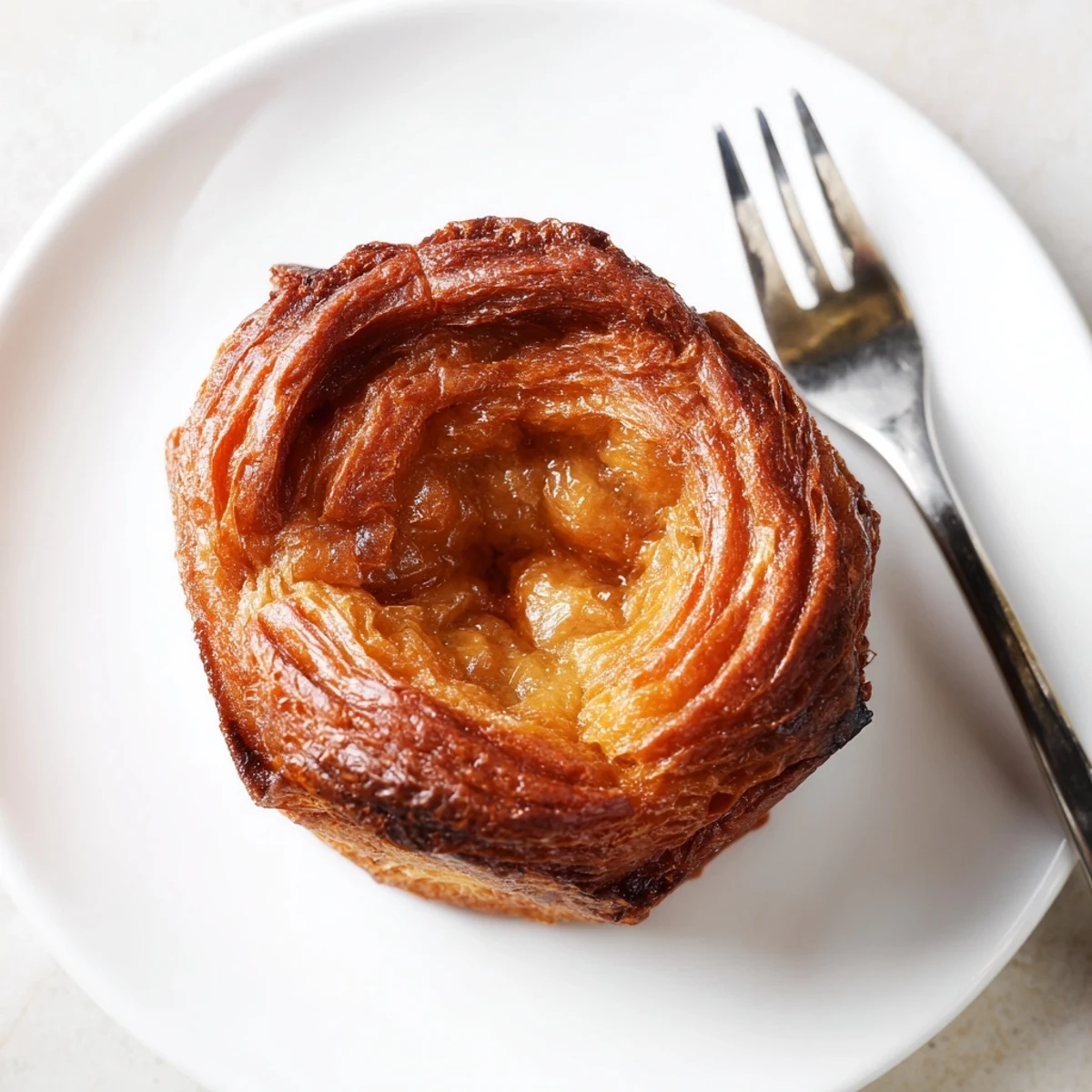
Save Kouign Amann (pronounced 'queen-ah-man') translates to 'butter cake' in Breton, originating from 19th-century Brittany. This remarkable pastry achieves its signature texture through a unique lamination process where cold butter and sugar are folded into dough multiple times, creating dozens of delicate layers. During baking, sugar caramelizes between the layers, producing an irresistibly crispy, golden exterior while the interior remains tender and flaky.
The technique requires patience: first preparing a yeast dough, then creating a butter block, followed by three turns of lamination with sugar incorporated at each fold. The dough rests between turns to relax the gluten, ensuring the final pastry rises properly and achieves maximum flakiness.
Success depends on cold butter, precise folding, and proper resting periods. The result is worth every minute—a stunning pastry that balances richness, sweetness, and ethereal texture unlike any other French creation.
My first encounter with kouign amann happened in a tiny boulangerie in Cancale, where the baker slid a warm paper bag across the counter and whispered that this was Breton butter cake at its finest. One bite revealed layers of caramelized sugar and impossibly flaky pastry, and I knew I had to unravel the mystery of how something so simple could taste so extraordinary. The name translates to butter cake in Breton, but that humble description does not begin to capture the magic of what happens when dough, butter, and sugar transform in the oven.
I made this recipe on a rainy Sunday when the kitchen felt like the only refuge from a gray weekend, and the smell of caramelizing sugar drew my family in from every corner of the house. My daughter stood on a chair watching the dough transform through each turn, fascinated by how simple ingredients could create something so complex and beautiful. When the kouign amann emerged from the oven, golden and bubbling, we all forgot about waiting for it to cool properly and burned our fingers on the first bites.
Ingredients
- All-purpose flour: This creates the perfect structure for holding all those buttery layers without becoming tough
- Instant dry yeast: Gives the dough just enough rise to create those signature flaky pockets
- Fine sea salt: Balances the intense sweetness and enhances the butter flavor
- European-style butter: The higher butterfat content is nonnegotiable for authentic texture and flavor
- Granulated sugar: Creates the caramelized crust that makes kouign amann unforgettable
Instructions
- Mix the dough:
- Combine flour, salt, and yeast in a large bowl, then add lukewarm water and mix until a rough dough forms. Knead for 5 to 7 minutes until smooth and elastic, then cover and let rise for 1 hour at room temperature until doubled.
- Prepare the butter:
- Place cold butter between parchment paper and pound it with a rolling pin until pliable, then roll into a 6-inch square. Keep it refrigerated until firm but still workable.
- Encase the butter:
- Roll the risen dough into a 12-inch square and place the butter square in the center, folding the dough edges over to completely seal the butter inside.
- First sugar turn:
- Roll the dough into a 16 by 8-inch rectangle and sprinkle with one third of the sugar, then fold into thirds like a letter.
- Complete the turns:
- Rotate the dough 90 degrees, roll out again, sprinkle with another third of sugar, and fold into thirds. Repeat once more with the remaining sugar, then wrap and chill for 30 minutes.
- Shape the pastry:
- Butter and sugar a 9-inch round cake pan, then roll the dough into a 14-inch circle and fold edges inward to form a rough square. Turn it over and press gently into the prepared pan.
- Final rise:
- Cover loosely and let rise for 30 to 45 minutes at room temperature until puffy.
- Bake to perfection:
- Preheat oven to 400°F and bake for 30 to 35 minutes until deep golden brown and caramelized, covering with foil if the top browns too quickly.
- Cool and serve:
- Cool in the pan for 5 minutes, then immediately invert onto a wire rack to prevent sticking.
 Save
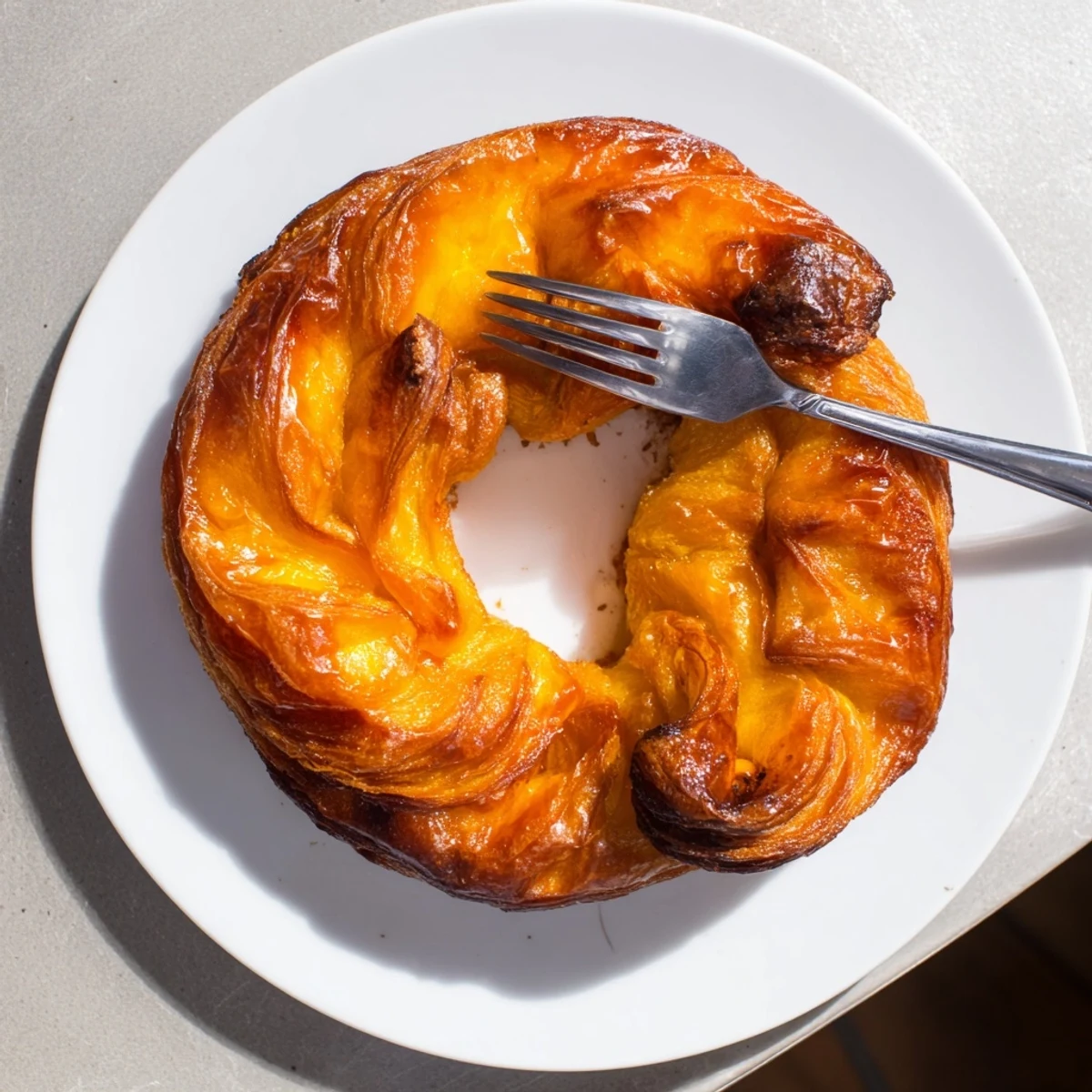
Save This kouign amann became a birthday tradition for my mother, who claims that nothing beats eating it warm while the caramel still crackles with every bite. The first year I made it, the sugar spilled onto the oven floor and filled the house with the smell of burning sugar, but the pastry itself was perfect, and we all agreed it was worth the smoke alarm.
Working with Laminated Dough
Laminated dough requires patience more than skill, and learning to read the texture of the dough comes with practice. When the butter feels like it is melting through the dough, that is your signal to take a break and refrigerate. The French have mastered this art over centuries, and rushing through the turns is the surest way to end up with a dense, greasy pastry instead of light, flaky layers.
Choosing the Right Pan
A 9-inch round cake pan is traditional because the high sides help the pastry rise upward as it bakes, creating those beautiful caramelized ridges. I have used muffin tins for individual kouign amann, which works wonderfully but requires adjusting the baking time to about 20 minutes. The most important thing is that the pan is well buttered and sugared so the caramelized bottom releases easily.
Serving and Storage
Kouign amann reaches its peak flavor within a few hours of baking, when the exterior is still crisp and the interior remains tender and buttery. I have learned to reheat day old pastry in a 350°F oven for about 5 minutes, which revives some of the original texture though nothing compares to freshly baked. The high butter content means this pastry does not freeze well, so plan to enjoy it within 24 hours for the best experience.
- Warm leftovers briefly before serving to recrisp the exterior
- Serve with strong coffee or tea to balance the sweetness
- Consider a dollop of crème fraîche if you want to cut the richness
 Save
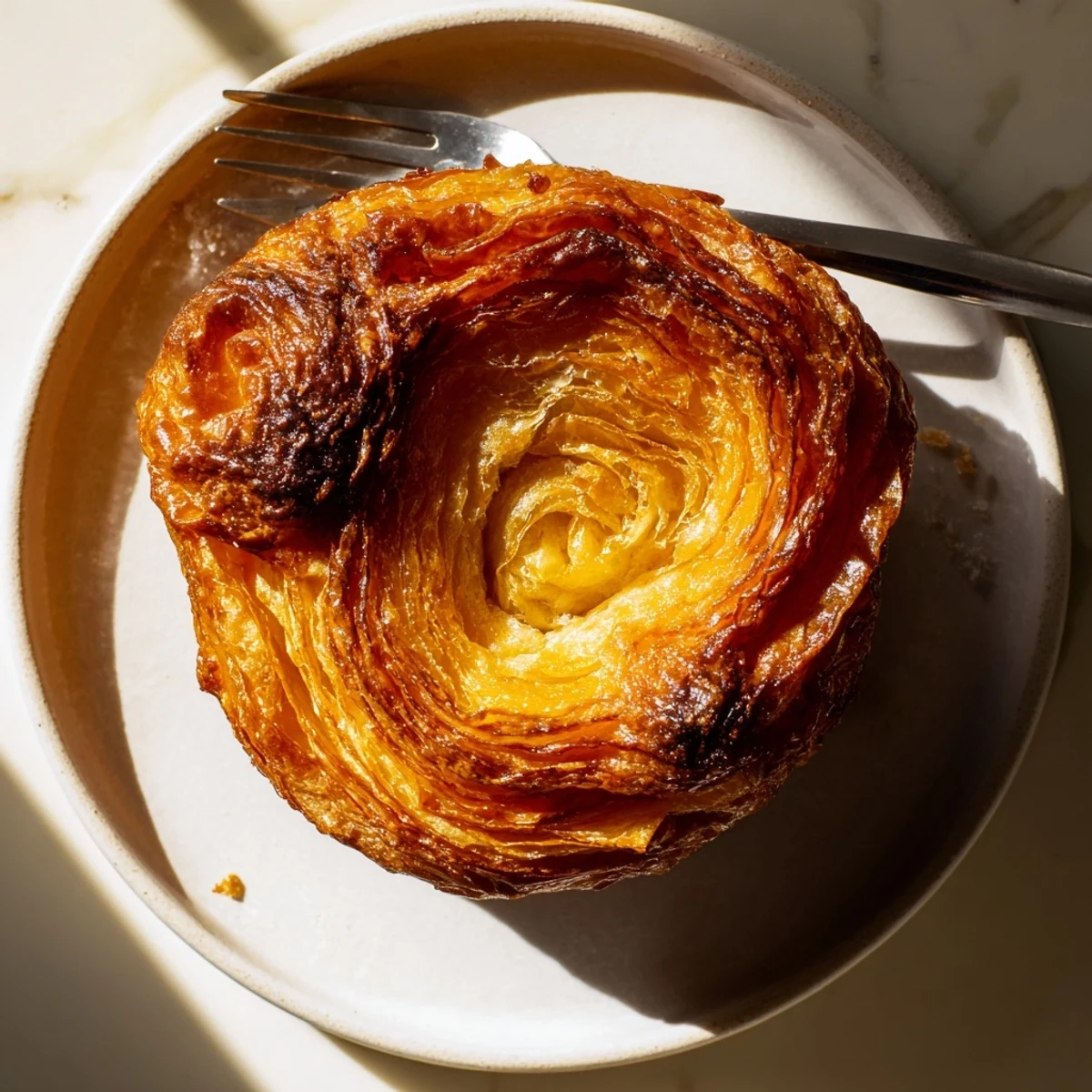
Save There is something deeply satisfying about creating a pastry that has been perfected over generations in Breton bakeries, and the first crackle of that caramelized crust tells you that all the patience was worth it.
Recipe Questions & Answers
- → What does Kouign Amann mean?
-
Kouign Amann translates to 'butter cake' in the Breton language. This name reflects the generous amount of butter used in the pastry, which is essential for creating its signature flaky, rich texture and caramelized flavor.
- → How is Kouign Amann different from croissants?
-
While both use lamination, Kouign Amann incorporates sugar into the layers, creating a caramelized exterior and sweeter profile. The dough is also denser and less yeast-dependent than croissant dough, resulting in a more compact, buttery texture with a crisp, sugared crust.
- → Why is my Kouign Amann not caramelized?
-
Ensure you're using granulated sugar rather than powdered, and that it's evenly distributed during lamination. Bake at a high temperature (400°F) until deep golden brown—pale color means insufficient caramelization. European-style butter with higher milk solids also enhances browning.
- → Can I make Kouign Amann in advance?
-
The laminated dough can be wrapped and refrigerated overnight before the final shaping and baking. However, once baked, Kouign Amann is best enjoyed fresh within 24 hours when the exterior remains crisp and the interior is at its flakiest.
- → What if I don't have a round cake pan?
-
Muffin tins work beautifully for individual portions. Alternatively, use a square baking pan and cut into squares after baking. The shape affects appearance but not the essential texture or flavor of the pastry.
- → Why did my butter leak during baking?
-
Butter leakage typically occurs when the dough isn't chilled adequately before baking or if the butter softened too much during lamination. Ensure thorough chilling (30 minutes minimum) between folds and maintain cold ingredients throughout preparation.