
 Save
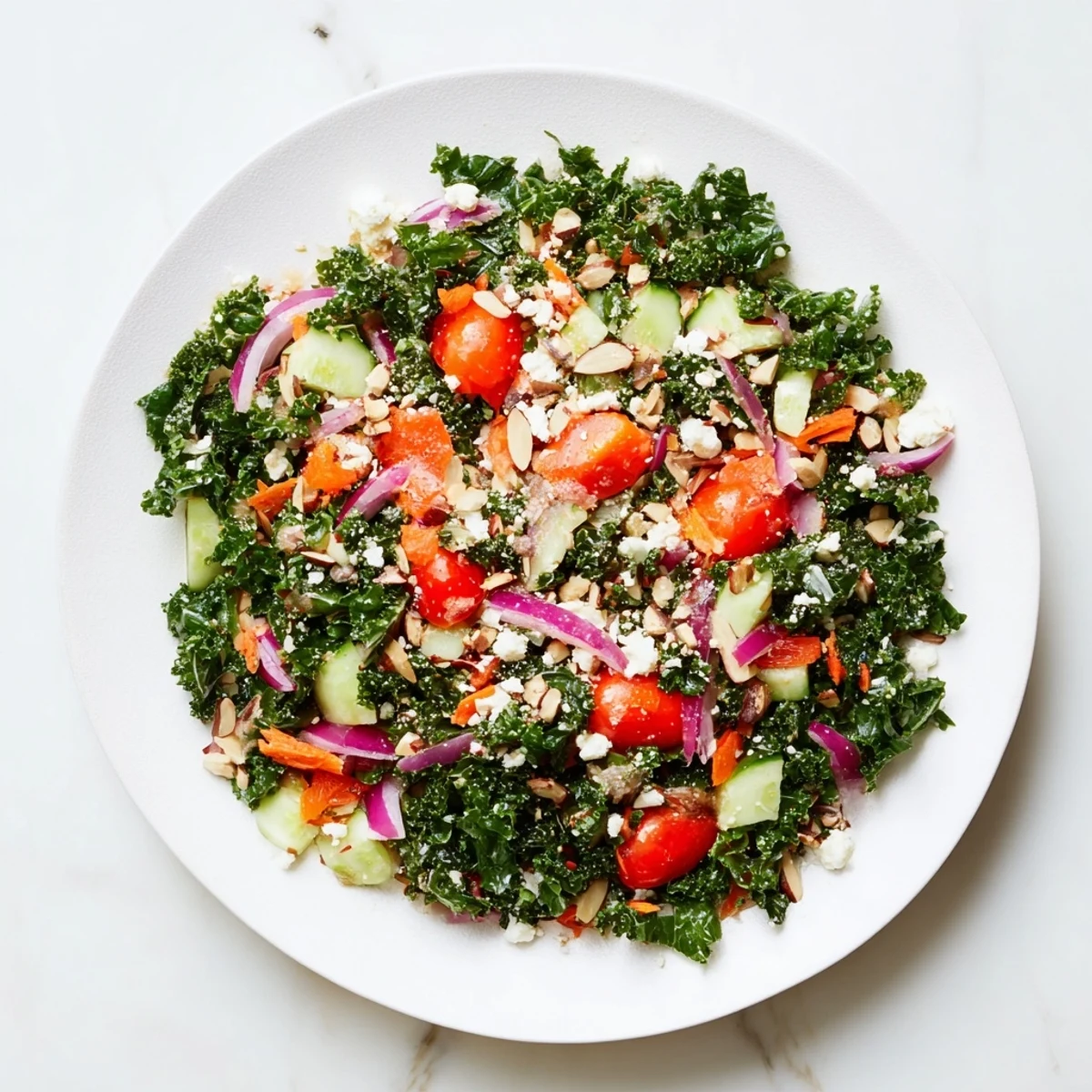
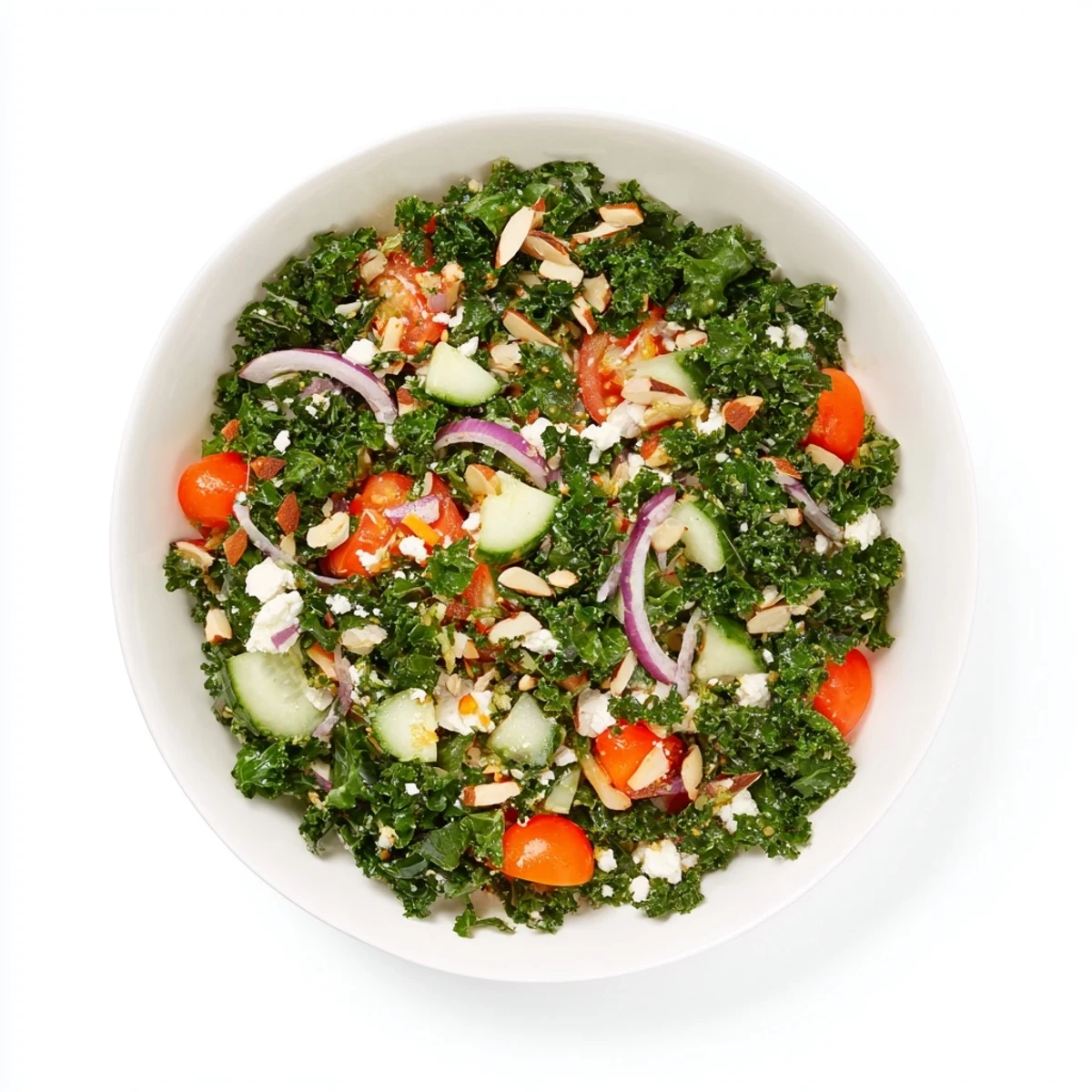
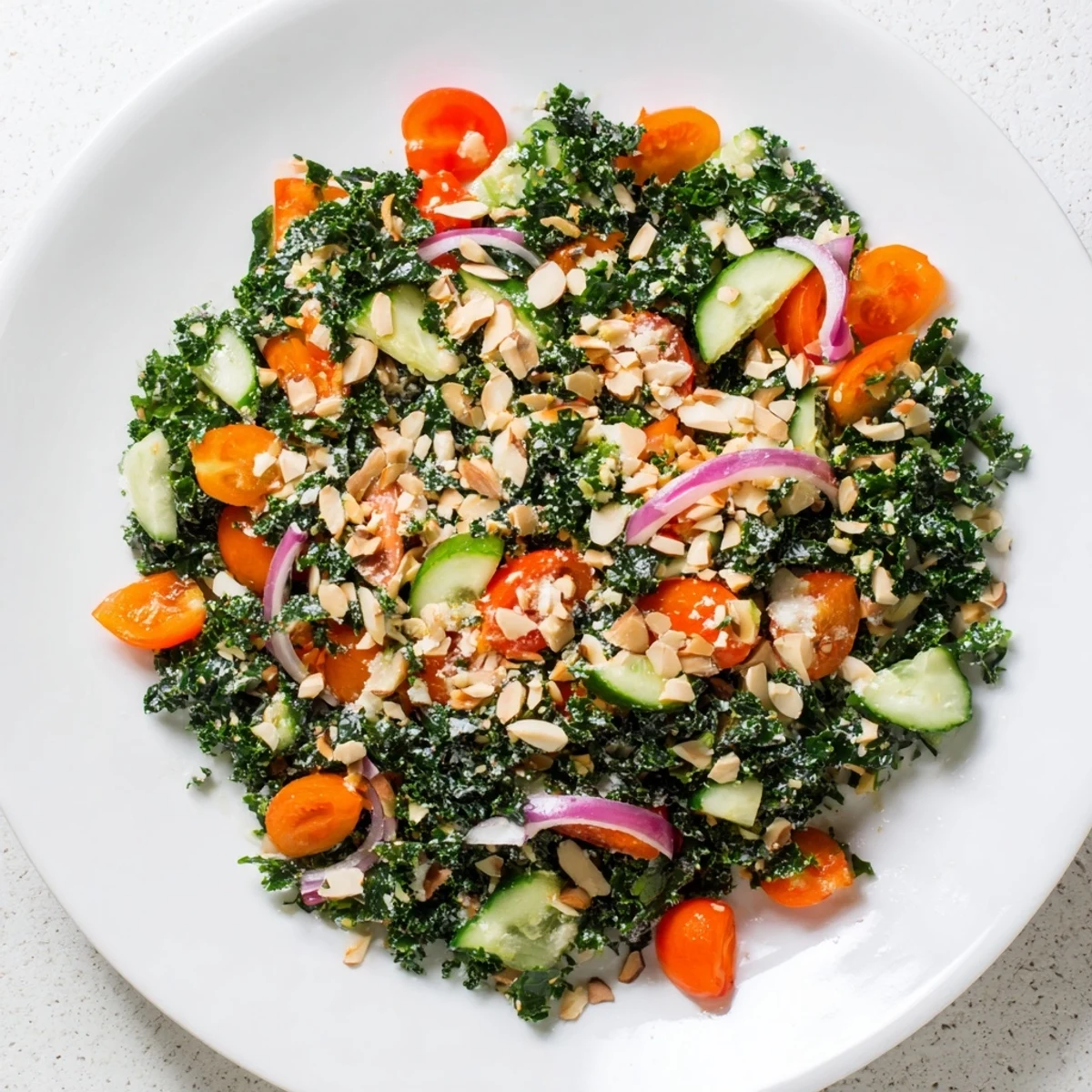
Save This kale and vegetable dish combines tender, massaged kale with fresh cherry tomatoes, cucumber, red onion, and grated carrot. A lemon-based dressing with Dijon mustard, honey, garlic, olive oil, and seasoning adds bright, zesty flavors. Toasted almonds and crumbled feta finish the dish for texture and creaminess. Ready in just 15 minutes, it serves as a refreshing, nutrient-dense option perfect for a light lunch or side.
I remember the first time I truly appreciated a kale salad was on a crisp autumn afternoon when a friend brought one to a potluck, and I was skeptical—until I tasted it. The kale wasn't bitter or tough like I'd feared, but tender and welcoming, dressed in a bright lemon vinaigrette that made every bite feel like a little celebration of fresh vegetables. That moment changed how I think about salads. Now, whenever I want something that feels both nourishing and genuinely delicious, this is what I reach for.
I made this salad for my parents on a Sunday when they were visiting, and my dad—who claims he doesn't like salad—went back for thirds. He kept saying something about how the kale wasn't what he expected, how the dressing was doing all the heavy lifting. That's when I knew this recipe was special: it converts the unconverted.
Ingredients
- 1 large bunch kale (about 200 g), stems removed, finely chopped: Use whichever variety you find at your market—Lacinato, curly, or red kale all work beautifully. The key is removing those tough stems; they won't soften no matter how long you massage. Save the stems for stock if you're the thrifty type.
- 1 cup cherry tomatoes, halved: These bring brightness and a little burst of sweetness. If you find them on the vine, they'll taste even better.
- 1 small cucumber, diced: This adds that refreshing crunch that makes you want another bite. English cucumbers have fewer seeds, so they're my go-to.
- 1/4 small red onion, thinly sliced: Red onion stays slightly sweet and adds a gentle bite without overpowering. Don't skip this—it's the unsung hero.
- 1 medium carrot, peeled and grated: Grating it means it distributes throughout the salad instead of settling at the bottom. You'll notice the difference.
- 1/4 cup toasted almonds, roughly chopped: Toasting them yourself makes them taste twice as good as store-bought. If you don't have time, buy them already toasted.
- 1/4 cup crumbled feta cheese: The salt and creaminess are non-negotiable here. This is where the salad becomes more than just vegetables.
- 3 tbsp extra virgin olive oil: This is not the place to economize. A good olive oil makes all the difference in the dressing.
- 2 tbsp freshly squeezed lemon juice: Fresh is everything here. Bottled lemon juice tastes tired compared to the real thing.
- 1 tsp Dijon mustard: This acts like a tiny flavor amplifier, bringing everything together without you tasting the mustard itself.
- 1 tsp honey or maple syrup: Just a touch to round out the tartness of the lemon and create balance.
- 1 small garlic clove, minced: Raw garlic brings intensity, so one small clove is usually plenty. If you're sensitive to raw garlic, you can skip it entirely.
- Salt and freshly ground black pepper, to taste: Taste as you go—the feta is already salty, so go easy at first.
Instructions
- Massage the kale into submission:
- Place your chopped kale in a large bowl with just a teaspoon of olive oil and a small pinch of salt. Now use your hands—this is the important part—and massage the leaves for two to three minutes. You'll feel them soften under your fingers, see them darken from bright green to a deeper, almost jewel-toned color. This isn't fancy; it's just you and the kale becoming friends. The salt and oil break down the cell walls, making the kale tender without cooking it.
- Build your vegetable bed:
- Add your cherry tomatoes, cucumber, red onion, and grated carrot to the kale. Toss everything together gently—you want the vegetables to get to know each other, but you're not trying to bruise the tomatoes. At this point, it should look like a bowl of vibrant, colorful vegetables just waiting for flavor.
- Whisk the dressing:
- In a small bowl or a jar (jars are excellent for this—less cleanup, and you can shake everything together), add your olive oil, lemon juice, mustard, honey, and minced garlic. If you're using salt and pepper, add them now too. Whisk everything together until it's well blended and emulsified—the dressing should look slightly thicker and more cohesive, not just oil sitting on top of lemon juice.
- Dress and toss with intention:
- Pour that golden dressing over your salad and toss everything together thoroughly. Use your hands if you want—it's the best way to make sure every leaf gets coated. This is the moment the salad transforms from a bowl of ingredients into something greater than the sum of its parts.
- Crown it with nuts and cheese:
- Just before serving, scatter your toasted almonds and crumbled feta across the top. Save this step for right before eating if you can; the almonds stay crunchier, and the feta doesn't get lost in the mix.
- Serve or hold until ready:
- If you're eating right away, do it. The salad is perfect immediately. But if you're making this ahead—up to two hours—cover it and refrigerate. Something magical happens as the flavors marry; the kale continues to soften, and the dressing infuses everything with even more depth.
 Save
Save My partner asked me one evening why I was making salad on a Wednesday when we had leftovers to finish. I didn't have a great answer except that making this salad felt like an act of self-care. Something about choosing these bright vegetables, massaging the kale with intention, and tasting that perfect balance of flavors made the whole evening feel lighter. That's when food becomes more than fuel; it becomes a small moment of kindness you're giving yourself.
The Magic of Massaging Kale
Most people don't realize that kale is a vegetable that responds to touch. When you massage it with just a little salt and oil, you're not just tenderizing it—you're waking it up. The leaves relax, lose their defensive toughness, and become silky. It's a technique that seems fancy but is actually just understanding the vegetable on its own terms. Once you've done this, you'll never go back to raw, un-massaged kale.
Why This Dressing Works
The dressing here is built on balance. The lemon juice brings acidity and brightness. The mustard acts as an emulsifier and adds depth without being obvious. The honey rounds everything out, softening the sharp edges and adding a whisper of sweetness. The garlic brings intensity. And the olive oil carries all these flavors and makes the dressing coat every leaf. It's the kind of ratio you'll find yourself returning to again and again, adapting it for other salads, roasted vegetables, and grilled proteins.
Making It Your Own
This recipe is a foundation, not a commandment. If you love sunflower seeds, swap them for almonds. If you want something heartier, toss in cooked quinoa, farro, or grilled chicken. If you're avoiding dairy, a good vegan cheese or just extra nuts will do the job. The core of this salad—massaged kale and a bright lemon dressing—stays the same, and everything else is up for negotiation.
- For a vegan version, simply omit the feta or use a plant-based alternative that crumbles nicely.
- If you need this to be nut-free, walnuts, sunflower seeds, or roasted chickpeas all bring that necessary crunch and richness.
- Leftover salad keeps well for up to two days if you store the dressing separately—dress it fresh when you're ready to eat.
 Save
Save This salad is proof that simple is often best. When you let good ingredients speak for themselves—tender kale, bright vegetables, a dressing that makes everything sing—you end up with something people actually want to eat. Make this, and watch people's faces change when they taste it.
Recipe Questions & Answers
- → How do you tenderize the kale?
-
Massaging chopped kale with olive oil and salt for 2–3 minutes softens the leaves and enhances flavor.
- → Can I substitute the feta cheese?
-
Yes, a plant-based cheese alternative works well for a vegan-friendly version or to avoid dairy.
- → What nuts can replace almonds?
-
Walnuts or sunflower seeds can be used as nut-free or different texture options.
- → Is the dressing adjustable to taste?
-
Absolutely, you can modify the balance of lemon juice, honey, and mustard to suit your preference.
- → Can additional proteins be added?
-
Cooked quinoa or grilled chicken can be included for a more substantial meal.