
 Save
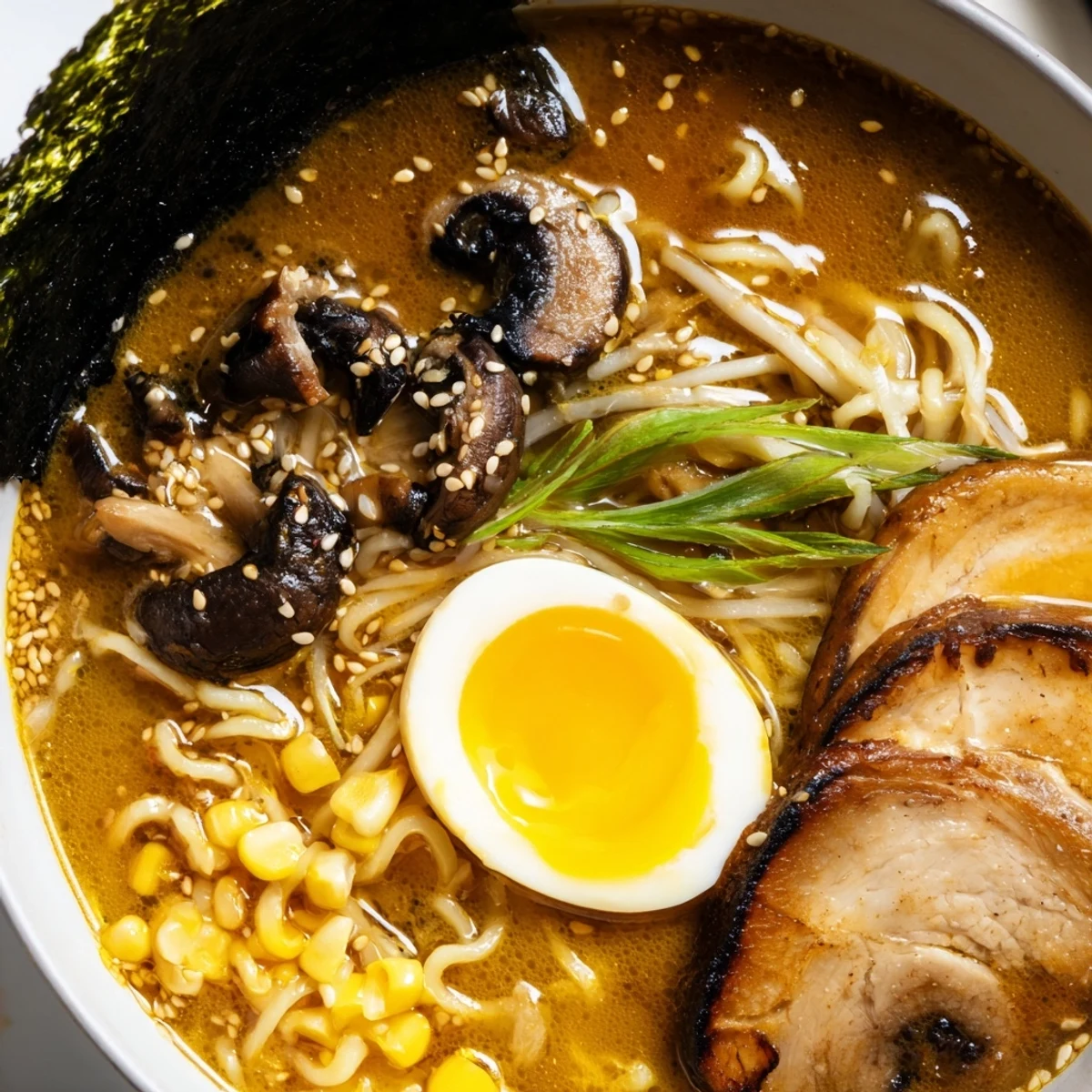
Save This Japanese ramen brings together a deeply flavored miso-soy broth simmered with garlic and ginger, paired with fresh noodles and an array of traditional toppings.
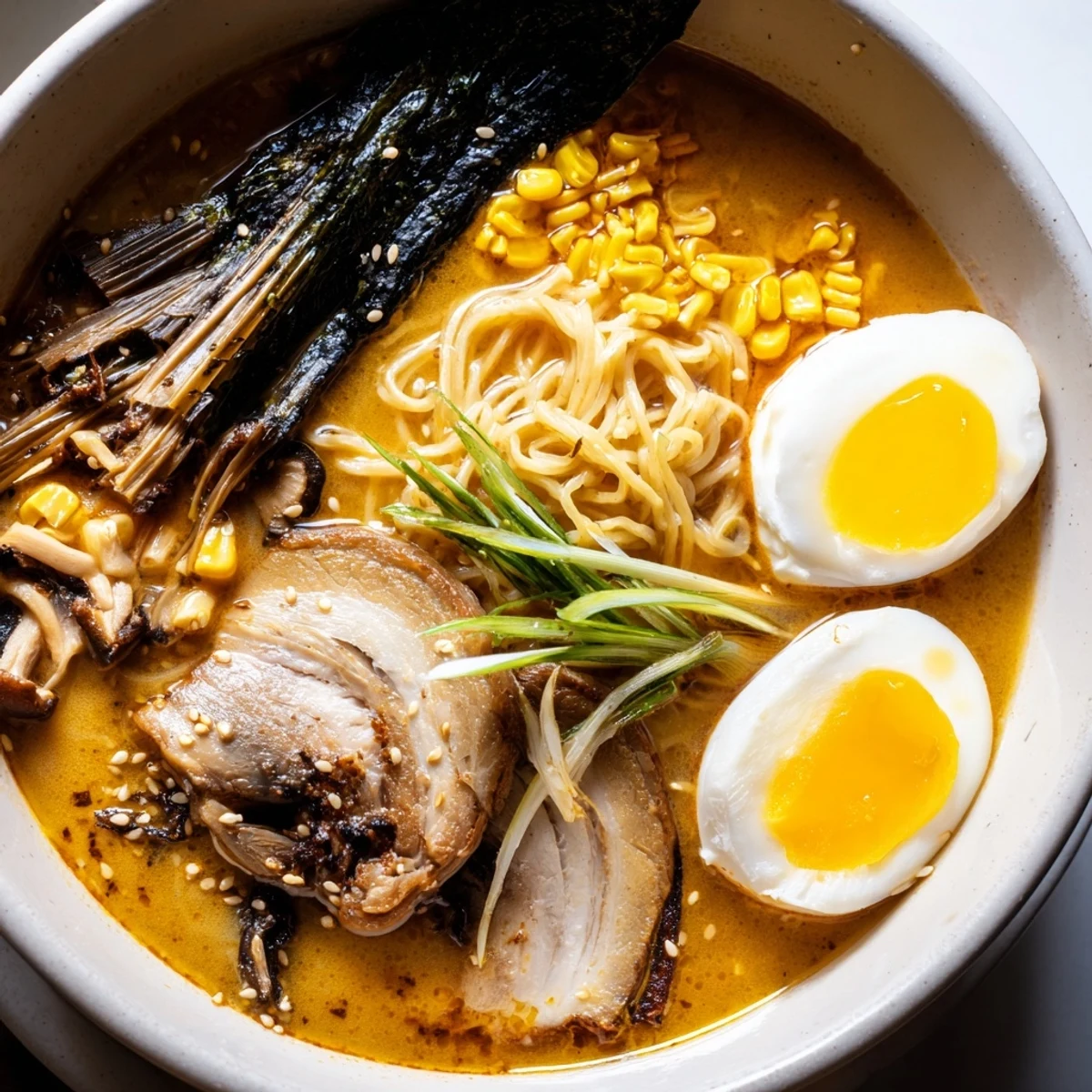
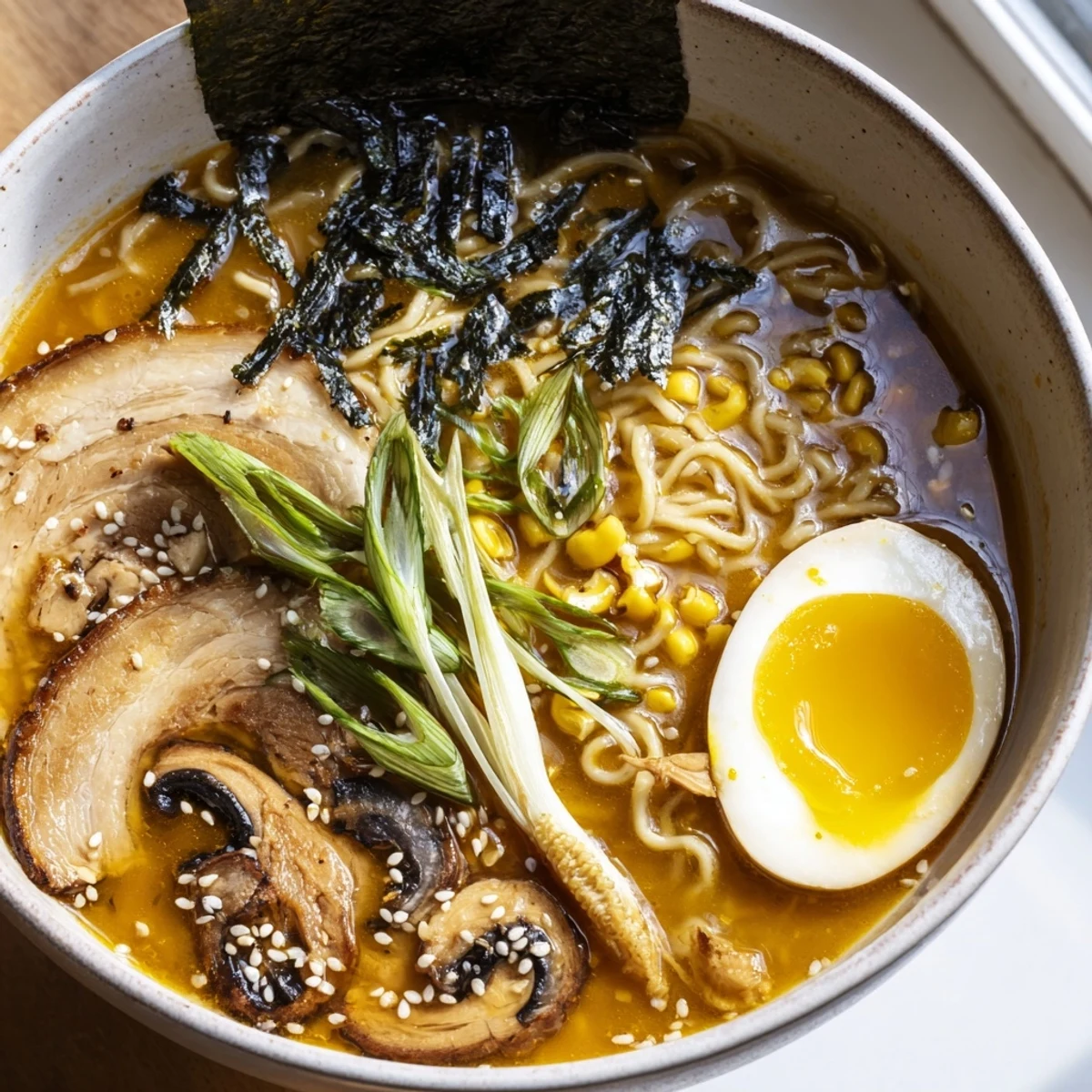
Each bowl is crowned with soft-boiled eggs, sliced pork belly, shiitake mushrooms, nori, and spring onions for a satisfying meal that rivals your favorite ramen shop.
Ready in about 50 minutes, it serves four and can easily be adapted for vegetarian diets by swapping the broth and protein.
The steam hit my glasses before I even lifted the bowl, fogging everything except the smell, which was impossibly clear and alive. I was sitting in a tiny ramen shop in Tokyo at eleven at night, knees pressed against the counter, watching the chef move with the efficiency of someone who had made ten thousand bowls and still cared about every single one. That bowl changed what I thought soup could be, and I spent two years trying to recreate it at home before I finally got close enough to stop chasing.
My roommate walked in once while I was straining broth at midnight and asked if someone had died. I told him no, I had just had a bad day and needed the kind of comfort that only comes from slurping noodles in your own kitchen. He sat down and ate an entire bowl standing at the counter, and now it is our unspoken ritual whenever either of us has had a rough week.
Ingredients
- Chicken or pork broth (1.5 liters): Use a good quality broth as the backbone because it determines everything about the final bowl.
- Soy sauce (2 tbsp): Adds salt and depth, and you can adjust up or down depending on your taste.
- Miso paste (1 tbsp): Dissolve it in a ladleful of hot broth before stirring it in so it blends smoothly without clumping.
- Sesame oil (2 tsp): Blooming the garlic and ginger in this oil is what makes your kitchen smell like a restaurant.
- Garlic cloves (2, minced): Fresh is non negotiable here, since the jarred version loses the sharpness that makes the broth sing.
- Ginger (1 thumb sized piece, sliced): Keep the slices large so they are easy to strain out later.
- Mirin (1 tbsp): A splash of sweetness that rounds out the salt and makes the broth feel complete.
- Fresh ramen noodles (400 g): Fresh noodles have a chew that dried noodles cannot match, though dried will work in a pinch.
- Soft boiled eggs (2, halved): Six minutes in gently boiling water gives you a jammy yolk that is worth timing carefully.
- Cooked pork belly or chicken breast (200 g, sliced): Pork belly is traditional and luxurious, but sliced chicken is lighter and still delicious.
- Shiitake mushrooms (100 g, sliced): They soak up the broth flavor and add an earthiness that ties everything together.
- Nori sheet (1, cut into strips): Tuck it against the side of the bowl so it stays crisp until you eat it.
- Spring onions (2, thinly sliced): Scatter these on last for a fresh bite that cuts through the richness.
- Bamboo shoots (100 g): They add a satisfying crunch and a slight tang that balances the bowl.
- Corn kernels (to taste): A handful of sweet corn is unexpected and wonderful, especially in colder months.
- Toasted sesame seeds (to garnish): Toast them yourself in a dry pan for thirty seconds and you will never go back to the store bought version.
Instructions
- Build the broth foundation:
- Heat sesame oil in a large pot over medium heat until it shimmers, then add the garlic and ginger, stirring until the smell fills the room and the garlic just starts to turn golden at the edges. Pour in the broth, soy sauce, miso paste, and mirin, whisking the miso until it disappears into the liquid.
- Let it simmer and strain:
- Bring everything to a gentle simmer and let it bubble softly for twenty minutes so the flavors marry, then pour the broth through a strainer into a clean pot or large bowl, pressing on the solids to extract every bit of flavor before discarding them.
- Cook the noodles:
- Follow the package instructions for your noodles, which usually means two to three minutes in boiling water until they are tender but still have some bite, then drain immediately so they do not go soft.
- Prepare your toppings:
- Soft boil the eggs for exactly six minutes, transfer them to ice water, peel and halve them while you slice the meat, mushrooms, spring onions, and bamboo shoots so everything is ready to arrange.
- Assemble each bowl:
- Divide the drained noodles among four warm bowls, ladle the hot strained broth over them generously, and then arrange the pork or chicken, eggs, mushrooms, nori, spring onions, bamboo shoots, and corn in sections on top so each spoonful gets something different.
 Save
Save The first time I made this for my mother she looked at the soft boiled egg like I had handed her a small animal. She tentatively bit into it, paused, and then quietly finished the entire bowl without saying a word, which from her is the highest compliment possible.
Making It Your Own
Ramen is less a recipe and more a framework, and once you have the broth down you can swap almost anything. I have used leftover Thanksgiving turkey, roasted cauliflower, and even kimchi on different nights and each bowl felt like its own invention. Keep the broth warm and the toppings varied and you will never run out of reasons to make it again.
Pairing and Serving Thoughts
Cold Japanese beer or sake alongside a hot bowl of ramen is a pairing that feels intentional and right, the kind of thing that makes dinner feel like an event rather than a chore. On nights when alcohol is not the mood, a glass of iced barley tea has the same malty coolness that refreshes between slurps. Serve everything at once and let people sit with the bowl in both hands because that is how ramen is meant to be eaten.
Vegetarian and Dietary Adaptations
Swapping the meat broth for a rich vegetable broth and replacing the pork with pressed tofu or marinated mushrooms turns this into a completely satisfying vegetarian meal. The miso and soy sauce do enough heavy lifting that you will not miss the meat, though I recommend adding an extra tablespoon of miso to compensate for the lost depth.
- Check your soy sauce label if you are cooking for someone who is gluten intolerant, since tamari is a safer choice.
- Use rice noodles instead of wheat noodles for a gluten free version that still slurps beautifully.
- Always double check ingredient labels since hidden allergens show up in the most surprising places.
 Save
Save Some meals feed you and some meals remind you that cooking is worth the effort, and a bowl of homemade ramen does both at the same time. Ladle it hot, slurp it loud, and do not be surprised when you start planning your next batch before this one is gone.
Recipe Questions & Answers
- → What type of noodles work best for ramen?
-
Fresh ramen noodles are ideal for their springy texture and ability to hold up in hot broth. If unavailable, dried ramen noodles or even thin Chinese egg noodles can work as substitutes. Avoid overcooking them — they should retain a slight chew.
- → Can I make the broth ahead of time?
-
Absolutely. The broth actually improves in flavor when made a day in advance and stored in the refrigerator. Simply reheat it until simmering before ladling over freshly cooked noodles. You can also freeze the broth for up to three months.
- → How do I achieve the perfect soft-boiled egg for ramen?
-
Bring water to a gentle boil, then lower the eggs in carefully. Cook for exactly 6 minutes for a jammy, runny yolk. Transfer immediately to an ice bath to stop the cooking. Peel gently and halve just before serving.
- → What can I substitute for pork belly?
-
Sliced chicken breast, chashu pork, braised beef, or even pan-fried tofu all work beautifully as toppings. For a lighter option, thinly sliced cooked turkey or tempura shrimp are also popular choices in Japanese ramen.
- → Is there a vegetarian version of this ramen?
-
Yes — simply swap the chicken or pork broth for a rich vegetable or mushroom stock. Replace the meat with marinated tofu or extra mushrooms, and ensure your miso paste and soy sauce are vegetarian-friendly. The depth of flavor can be enhanced with dried shiitake or kombu.
- → What sides go well with a bowl of ramen?
-
Japanese ramen pairs wonderfully with gyoza, edamame, or a simple cucumber salad. For drinks, chilled sake, Japanese beer, or green tea complement the savory broth perfectly.