
 Save
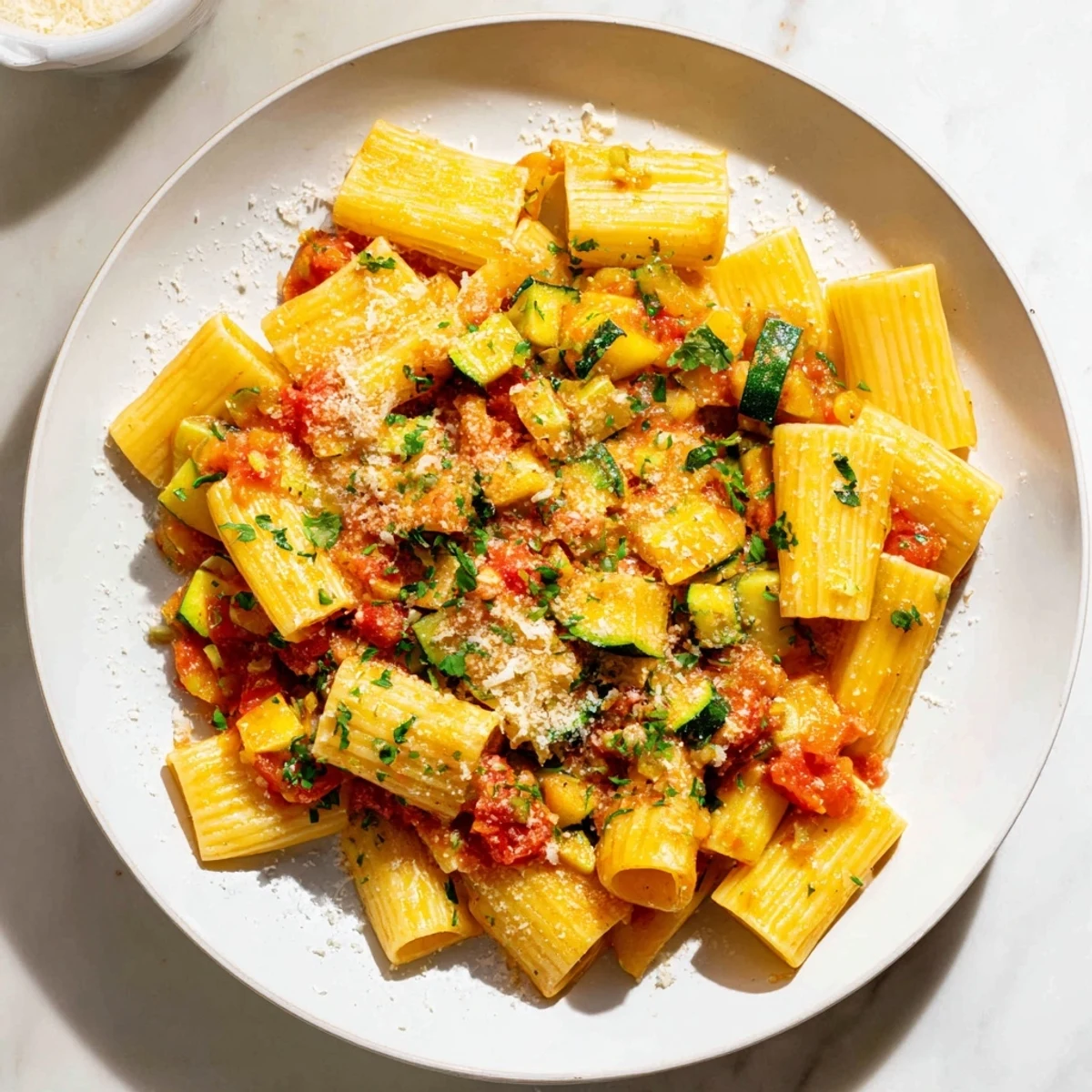
Save This versatile Italian sauce combines tender zucchini with aromatic onions, garlic, and tomatoes for a vibrant, satisfying addition to your meals. The dried oregano and basil bring classic Mediterranean flavors, while a touch of red pepper flakes offers gentle warmth. After simmering to a rich consistency, finish with fresh parsley for brightness. The result is a chunky, robust sauce that pairs beautifully with pasta, complements grilled meats, or elevates crusty bread as a bruschetta topping.
The summer my neighbor's garden went completely wild with zucchini, she started leaving baskets on my porch. I tried everything—zucchini bread, stuffed boats, even pickles—but this simple Italian sauce was the one that made me actually excited to see another squash delivery.
I first made this for a dinner party when I realized my guests were vegetarian. The zucchini was so fresh it still had morning dew on it, and the way the kitchen smelled as everything simmered down made everyone keep wandering in to ask what was cooking.
Ingredients
- 2 medium zucchini: Fresh ones with firm skin work best—overly large zucchini can get watery and mushy
- 1 medium yellow onion: Finely chopped so it melts into the sauce rather than leaving distinct chunks
- 2 cloves garlic: Minced fresh, never jarred—the difference is noticeable in a simple sauce
- 1 can diced tomatoes: San Marzano varieties bring the most authentic Italian flavor
- 1 small carrot: Grated finely, this adds natural sweetness that balances the tomatoes' acidity
- 2 tbsp extra virgin olive oil: The foundation of the sauce—dont skimp here
- 1 tsp dried oregano: Rub it between your palms before adding to wake up the oils
- 1 tsp dried basil: Fresh basil works beautifully too if you have it growing
- 1/2 tsp red pepper flakes: Just enough warmth to make things interesting
- Salt and pepper: Season gradually—zucchini needs more salt than you might expect
- 2 tbsp fresh parsley: Added at the end to keep its bright color and fresh flavor
- 1 tbsp Parmesan cheese: Optional but recommended for that final savory note
Instructions
- Get things sizzling:
- Pour the olive oil into your largest skillet and set it over medium heat. You want to hear a gentle sizzle when the onion hits the pan—that sound means your flavor foundation is building properly.
- Build the base:
- Add the chopped onion and let it soften for about 4 minutes until it turns translucent. Stir in the garlic for just one minute—any longer and it might turn bitter, which we definitely don't want.
- Add the squash:
- Toss in the zucchini and grated carrot. Let them cook for 5 to 7 minutes until the zucchini starts to soften and pick up a little golden color in spots.
- Bring it all together:
- Pour in the entire can of tomatoes with their juice. Add the oregano, basil, red pepper flakes, and a good pinch of salt and pepper. Stir everything until the tomatoes start bubbling enthusiastically.
- Let it work:
- Reduce the heat to low and let the sauce simmer gently for 20 minutes uncovered. Stir occasionally and watch as it transforms from loose tomatoes into a thick, velvety sauce.
- The finishing touch:
- Taste the sauce and adjust the seasoning if needed. Stir in the fresh parsley right at the end so it stays bright and vibrant.
 Save
Save This sauce became my go-to for unexpected guests. I always keep a jar in the freezer now, and there's something genuinely comforting about knowing I can pull together a proper Italian meal in the time it takes to boil water.
Making It Your Own
Once you've made the basic version, try adding a handful of chopped olives or capers for a briny kick. Sometimes I throw in a splash of white wine with the tomatoes—the alcohol evaporates but leaves behind this incredible depth that makes people ask what your secret ingredient is.
Texture Tricks
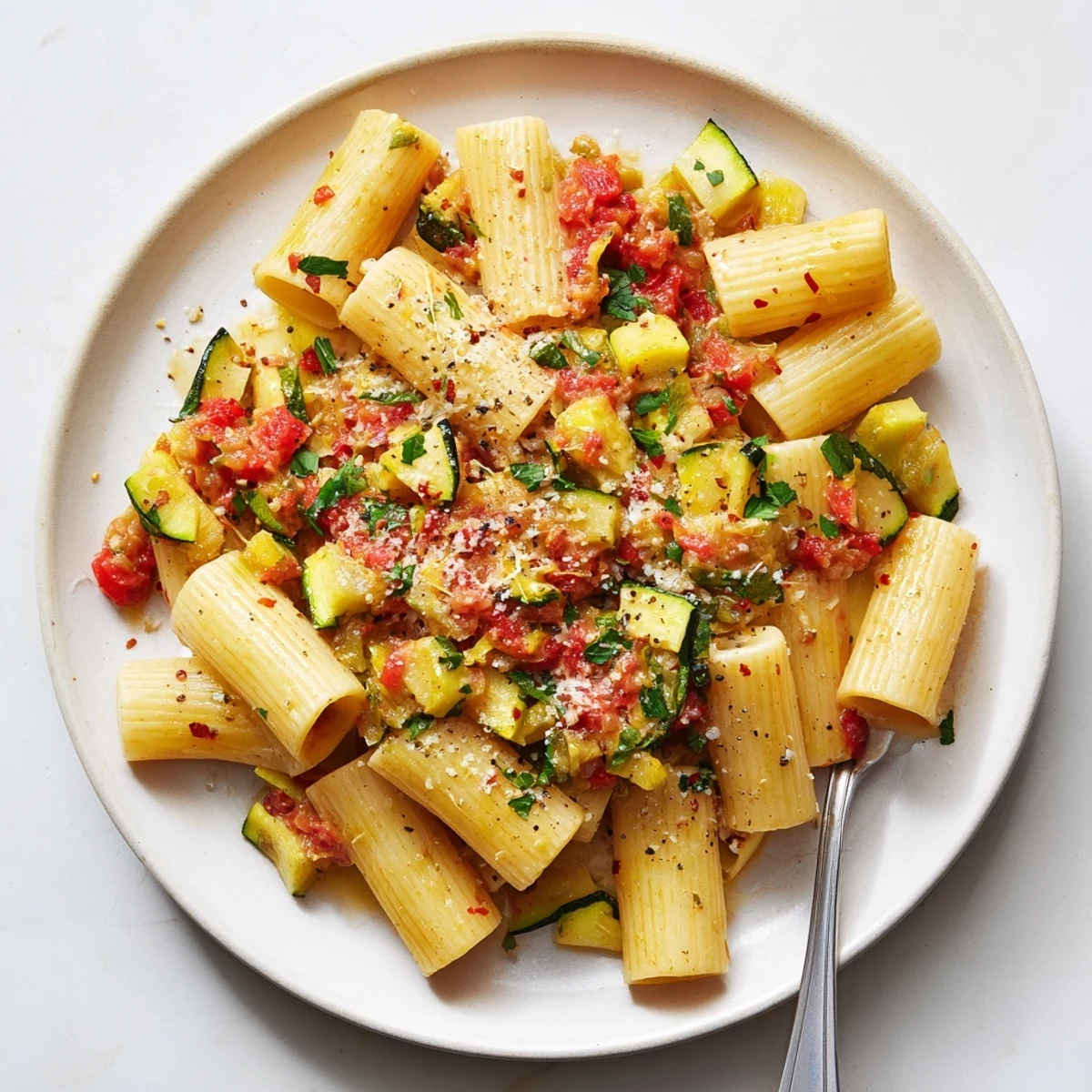
Some nights I leave the sauce chunky and rustic, perfect for catching on penne ridges. Other times I give it a quick whirl with an immersion blender—it transforms into this smooth, velvety creation that clings beautifully to spaghetti. Both ways are correct, just different moods.
Beyond Pasta
This sauce is secretly a multitasker in the kitchen. Spoon it over grilled chicken or fish, spread it on toasted bread for an instant bruschetta, or use it as a base for shakshuka by cracking eggs right into the simmering sauce.
- Make a double batch during zucchini season and freeze in portion sized bags
- The sauce actually tastes better the next day as the flavors meld together
- A drizzle of really good olive oil right before serving makes everything shine
 Save
Save There's something deeply satisfying about turning humble vegetables into something this delicious. This sauce is proof that you don't need expensive ingredients to create food that people remember.
Recipe Questions & Answers
- → Can I freeze this sauce?
-
Yes, this sauce freezes exceptionally well. Let it cool completely, then transfer to airtight containers or freezer bags. It will keep for up to 3 months. Thaw overnight in the refrigerator before reheating gently on the stovetop.
- → How can I make it smoother?
-
Use an immersion blender to puree the sauce to your desired consistency before adding the fresh parsley. Alternatively, transfer portions to a standard blender, though be careful with hot liquids.
- → Can I use frozen zucchini?
-
Fresh zucchini works best for texture, but frozen can be used in a pinch. Thaw and drain thoroughly before adding to the skillet, as frozen vegetables release more water during cooking.
- → How long does it keep in the refrigerator?
-
Stored in an airtight container, the sauce will stay fresh for 4-5 days in the refrigerator. Reheat gently on the stove, adding a splash of water or olive oil if it has thickened too much.
- → What can I serve with this sauce?
-
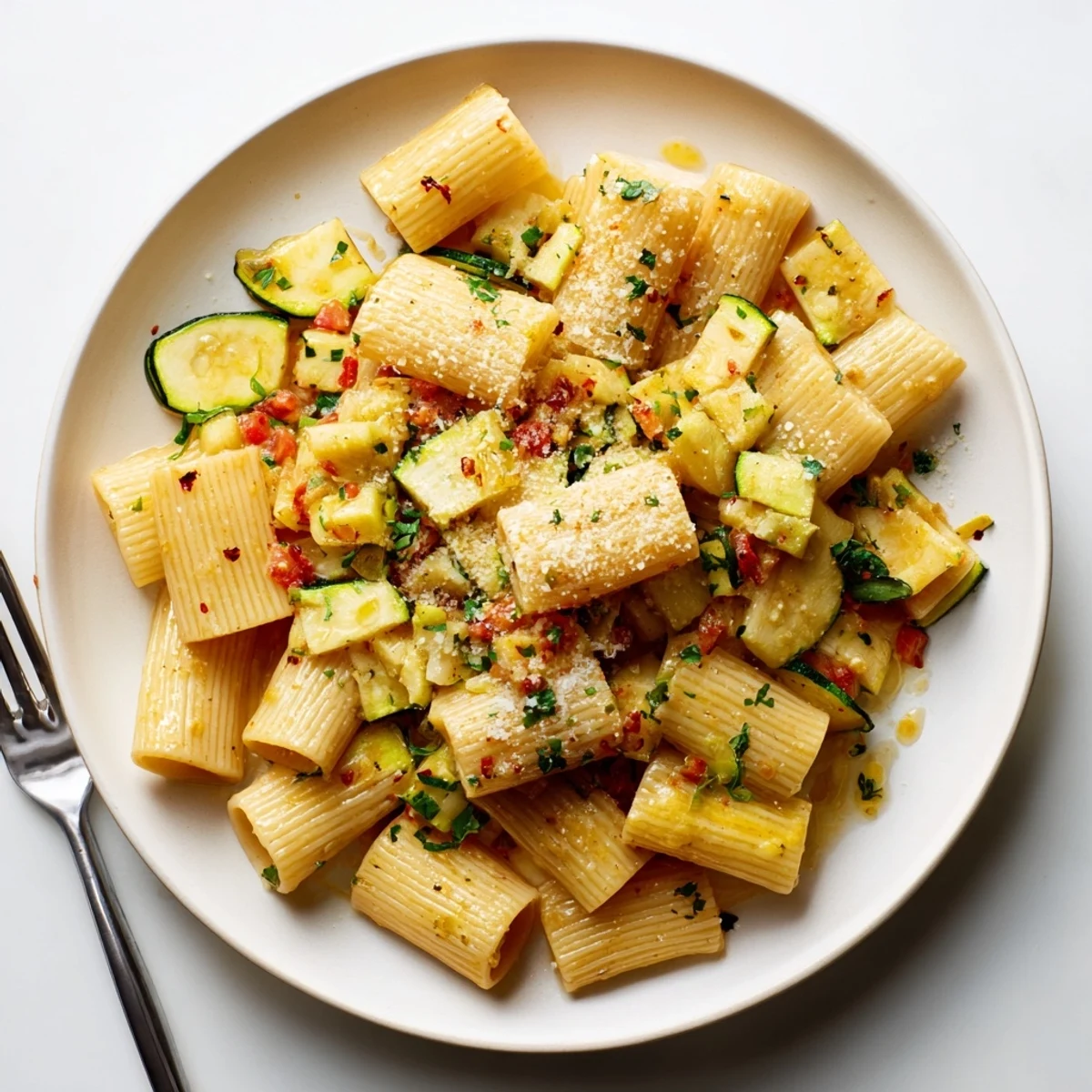
This versatile sauce shines over spaghetti, penne, or other pasta shapes. It also pairs well with grilled chicken, fish, or meatballs. For a lighter option, serve warm over crusty bread as a bruschetta topping or use as a dipping sauce.
- → Can I add other vegetables?
-
Absolutely. Bell peppers, eggplant, or mushrooms work wonderfully. Add them along with the zucchini, adjusting cooking time as needed until all vegetables are tender.