
 Save
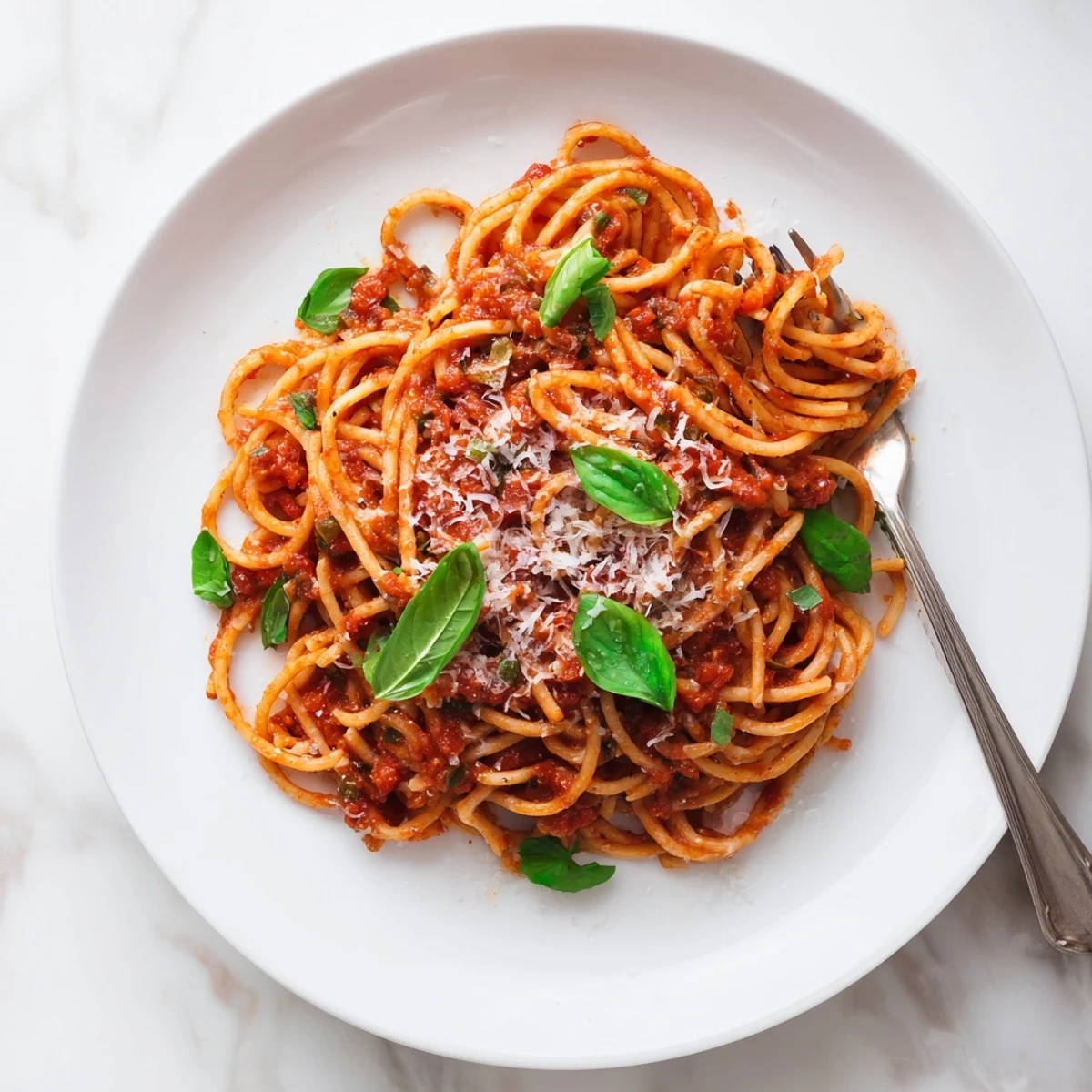
Save Create this beloved Italian classic with simple ingredients and straightforward techniques. The combination of al dente pasta and homemade tomato sauce delivers restaurant-quality results in your own kitchen.
The sauce base starts with aromatic onion and garlic, simmered with crushed tomatoes and dried herbs for depth of flavor. A touch of sugar balances the natural acidity, while fresh basil adds brightness.
Ready in just 30 minutes, this vegetarian dish serves four generously and adapts easily to your taste preferences. Add chili flakes for warmth, experiment with different pasta shapes, or customize the herbs to your liking.
The loud clatter of my colander hitting the sink at full volume one Tuesday evening somehow became the sound that defined pasta night in my apartment for years after. I had been boiling spaghetti with the reckless confidence of someone who had never once overcooked a noodle, and of course that was the night I learned what al dente actually meant. Tomato sauce was the easiest thing in the world, yet it took me three attempts to stop drowning it in garlic. Now this simple plate of pasta in rich, slow simmered tomato sauce is the meal I reach for when everything else feels complicated.
My neighbor Paolo once knocked on my door holding a bottle of Chianti and announced that he could smell my sauce from the hallway, and we ended up eating standing in my kitchen, twirling spaghetti directly from the pot.
Ingredients
- Dried pasta (400 g, spaghetti, penne, or whatever shape makes you happy): Use whatever you have on hand, but ridged pasta like rigatoni holds the sauce beautifully.
- Olive oil (2 tbsp): A decent extra virgin olive oil carries the entire flavor base, so do not skip quality here.
- Garlic (2 cloves, minced): Fresh garlic makes a noticeable difference compared to jarred, and you only need two cloves to keep things balanced.
- Onion (1 medium, finely chopped): Yellow onion sweetens as it softens and creates a mellow foundation for the tomatoes.
- Canned crushed tomatoes (800 g): San Marzano tomatoes are worth seeking out because their natural sweetness and low acidity mean less doctoring.
- Sugar (1 tsp): This tames the acidity of canned tomatoes and is the one step people always skip and then wonder why their sauce tastes flat.
- Dried oregano (1 tsp) and dried basil (1 tsp): Rub them between your palms before adding to wake up the oils that have been sleeping in the jar.
- Salt and freshly ground black pepper: Season in layers, once when the onions soften and again after the sauce simmers.
- Freshly grated Parmesan cheese (30 g, optional): Grating it yourself from a wedge melts differently and tastes nothing like the pre grated kind.
- Fresh basil leaves (for garnish): Tear them by hand right before serving because a knife bruises the edges and turns them dark.
Instructions
- Boil the pasta with intention:
- Fill your largest pot with water, salt it until it tastes like the sea, and bring it to a rolling boil before adding the pasta. Cook according to the package but start checking a minute early because nothing rescues mushy noodles.
- Build the aromatics:
- Heat olive oil in a large skillet over medium heat and sauté the chopped onion for about three minutes until it turns glassy and sweet. Add the minced garlic and stir for just one minute until your kitchen smells impossibly good.
- Simmer the sauce:
- Pour in the crushed tomatoes, sugar, oregano, and basil, then season with salt and pepper. Let it bubble uncovered for ten to twelve minutes, stirring every few minutes so nothing catches on the bottom.
- Marry pasta and sauce:
- Toss the drained pasta directly into the skillet with the sauce and add a small splash of that reserved pasta water if things look tight. The starchy water is a secret weapon that binds everything together into a glossy coating.
- Finish and serve:
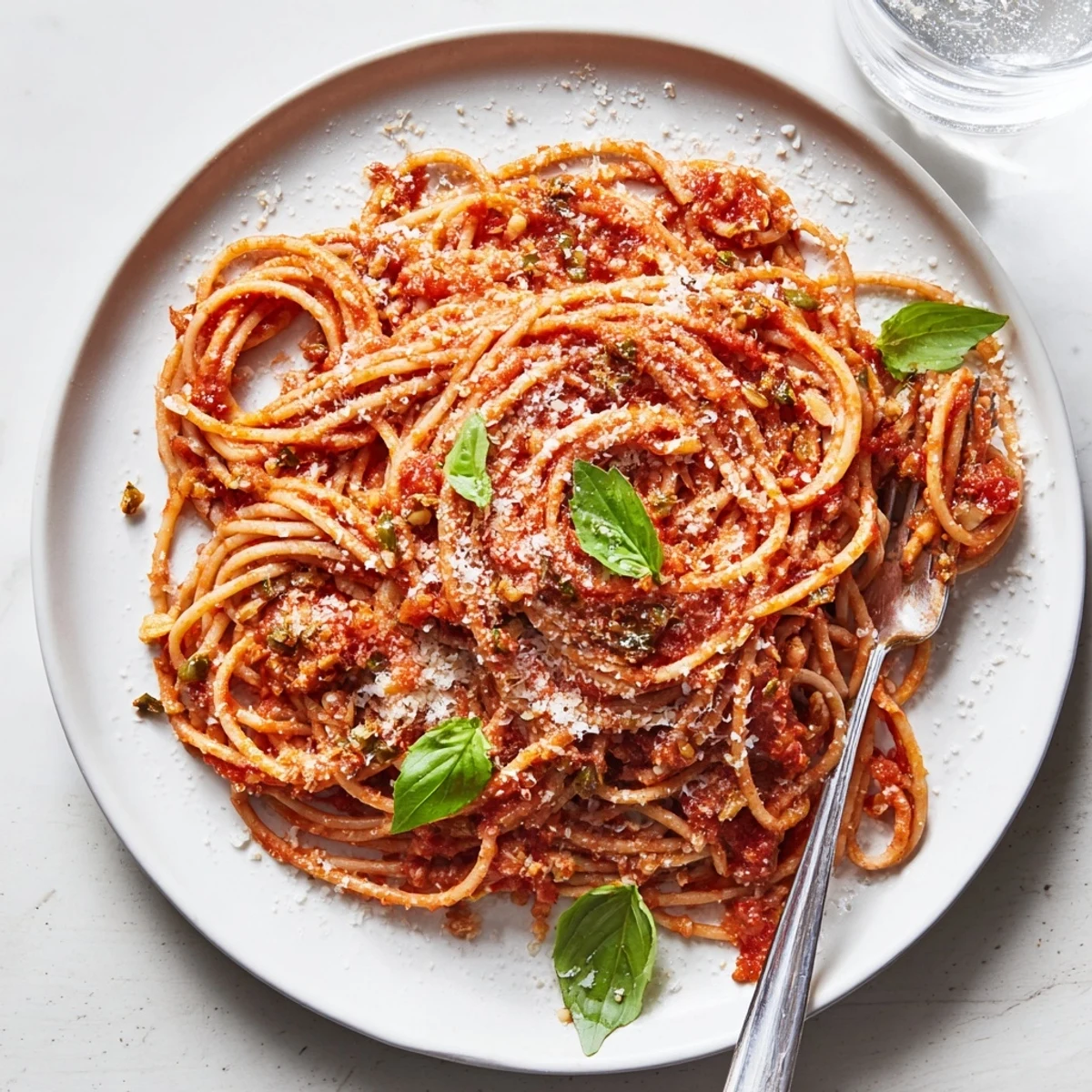
- Plate immediately while steaming hot, shower with grated Parmesan, and scatter torn basil leaves over the top. Serve with extra cheese at the table because no one ever complained about too much Parmesan.
 Save
Save There was a winter storm that knocked out my power for six hours, and I finished cooking this exact pasta on a camping stove balanced on two books, laughing at how ridiculous the situation was while the sauce bubbled away perfectly.
Serving Ideas That Actually Work
A crisp green salad with a sharp vinaigrette cuts through the richness of the tomato sauce in a way that nothing else can, and a glass of Chianti alongside turns a Tuesday dinner into something that feels deliberately special.
Making It Your Own
A pinch of chili flakes stirred into the sauce right before serving adds a warmth that builds slowly with each bite, and if you want a vegan version simply leave out the Parmesan or use a good plant based alternative.
Tools and Practical Notes
You really only need a large pot, a strainer, a big skillet, and a wooden spoon, which is part of why this recipe became my reliable weeknight staple. Keep in mind that this dish contains wheat and dairy if you use the cheese, so always check your pasta packaging if cooking for someone with allergies.
- A wooden spoon is gentler on your skillet than metal and keeps the sauce from splashing as much.
- If your sauce tastes too acidic, try adding another tiny pinch of sugar rather than more salt.
- Leftovers store beautifully in the fridge for two days and often taste even better the next day.
 Save
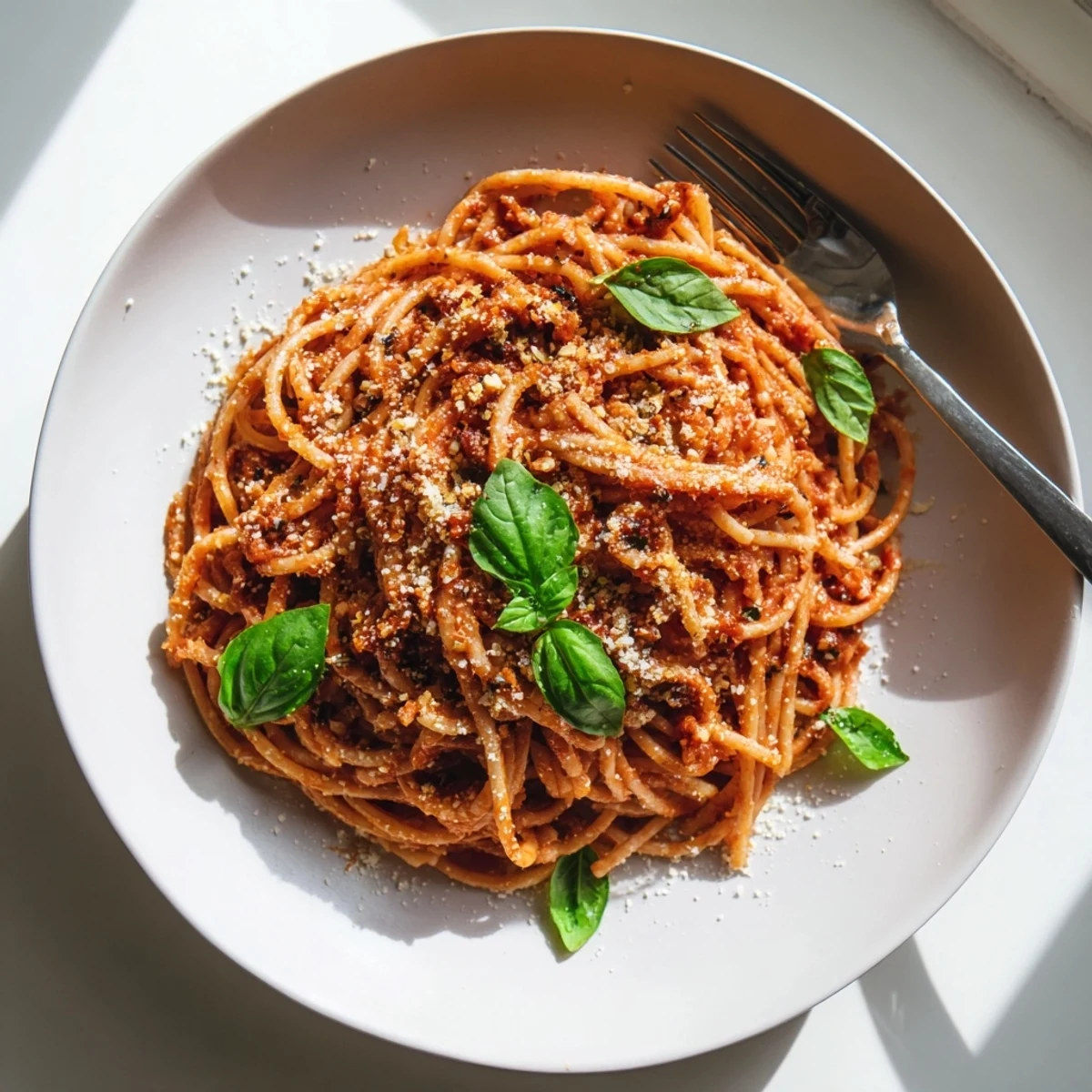
Save Some meals are just food, and then there is a bowl of spaghetti in tomato sauce eaten at a wobbly kitchen table on a random weeknight that somehow tastes like the best thing you have ever made. This is that meal.
Recipe Questions & Answers
- → What pasta shapes work best?
-
Spaghetti and penne are classic choices, but fusilli, rigatoni, or farfalle also work beautifully. Choose shapes that catch the sauce well for maximum flavor in every bite.
- → Can I use fresh tomatoes instead?
-
Yes, use 1 kg of ripe fresh tomatoes, blanched, peeled, and crushed. Fresh tomatoes may require slightly longer cooking time to break down and thicken properly.
- → How do I prevent the sauce from being too acidic?
-
The sugar in the recipe helps balance acidity. Additionally, simmering the sauce for the full recommended time allows flavors to meld and naturally reduces sharp notes.
- → Why reserve pasta water?
-
Starchy pasta water helps bind the sauce to the noodles, creating a silky, cohesive coating. Add a splash if the sauce seems too thick or doesn't cling well to the pasta.
- → Can this be made ahead?
-
The sauce improves after resting and can be refrigerated for up to 4 days or frozen for 3 months. Cook fresh pasta when ready to serve, then toss with reheated sauce.
- → What can I serve alongside?
-
A crisp green salad with vinaigrette complements the rich pasta beautifully. Garlic bread, focaccia, or crusty Italian bread are perfect for soaking up extra sauce.