
 Save
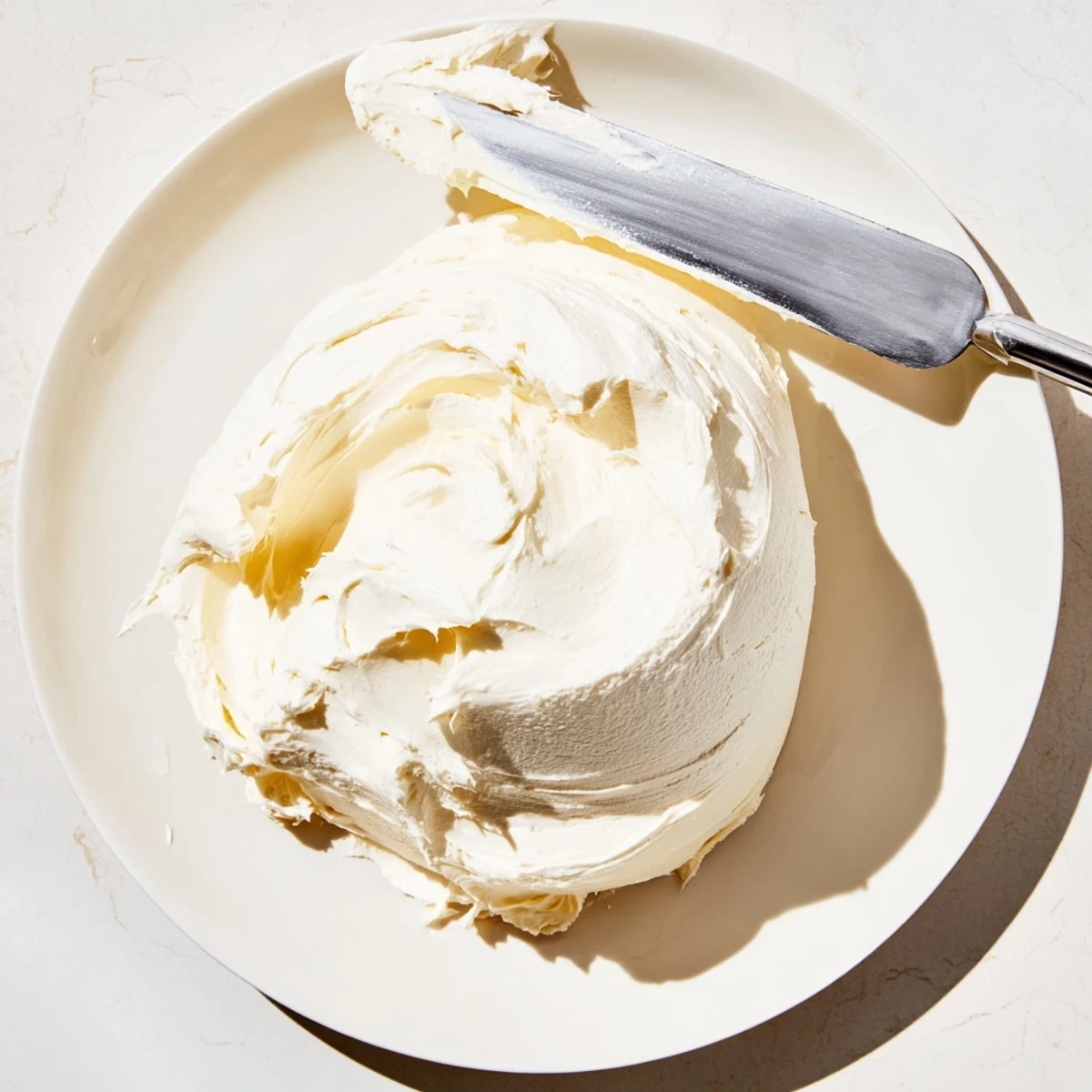
Save Italian meringue buttercream is a luxurious, silky frosting made by drizzling hot sugar syrup into whipped egg whites, then beating in room-temperature butter until impossibly smooth.
Known for its exceptional stability and subtle sweetness, it's the go-to frosting for professional cake decorators. It pipes beautifully, holds its shape at room temperature, and pairs wonderfully with sponge, chocolate, and fruit-based cakes.
While the technique requires a candy thermometer and patience, the result is a creamy, velvety finish that elevates any celebration cake or batch of cupcakes.
The sound of a candy thermometer clicking against the saucepan rim is something most home bakers learn to dread, but for me it became a kind of kitchen music after my third attempt at Italian meringue buttercream. I was frosting my sister wedding cake, operating on pure stubbornness and a shaky understanding of sugar stages. That cake was far from perfect, but the buttercream, silky and impossibly light, made everyone forget the lopsided layers underneath.
My kitchen was a disaster zone that weekend, egg whites splattered on the backsplash and a fine film of sugar syrup crystallized on the stove. I remember my dog sitting in the doorway, head tilted, watching me curse at a bowl of what looked like cottage cheese before it magically transformed into clouds.
Ingredients
- Granulated sugar (200 g): The foundation of your syrup, use plain white sugar for the cleanest flavor and most reliable caramelization.
- Water (60 ml): Just enough to dissolve the sugar before boiling, measure precisely because too much extends the cooking time.
- Egg whites (100 g, about 3 large): Room temperature whites whip to greater volume, so pull them from the fridge an hour ahead or warm the bowl gently in your hands.
- Cream of tartar (1/4 tsp, optional): A tiny insurance policy that stabilizes the whites and helps them hold their structure under the weight of hot syrup.
- Unsalted butter (340 g, room temperature, cubed): The star of the finished buttercream, use good quality butter and cut it into cubes so it incorporates smoothly without lumping.
- Vanilla extract (1 tsp): Adds warmth and depth, and you can swap it for any extract or paste you prefer.
- Fine salt (a pinch): Balances the sweetness and makes the flavor pop in a way that salted butter alone cannot.
Instructions
- Start the sugar syrup:
- Combine sugar and water in a medium saucepan over medium heat, stirring gently just until the sugar dissolves and the mixture looks clear.
- Cook the syrup to 118 degrees C:
- Crank the heat to medium high and stop stirring completely, letting the syrup bubble until your candy thermometer reads 118 degrees C (244 degrees F).
- Whip the egg whites:
- In a stand mixer with the whisk attachment, beat the egg whites (and cream of tartar if using) on medium speed until soft peaks droop gently when you lift the whisk.
- Stream in the hot syrup:
- With the mixer running on medium, pour the hot syrup in a thin steady stream down the side of the bowl, avoiding the whisk so it does not splatter.
- Whip until cool and glossy:
- Crank to high speed and whip for about ten minutes until the meringue is thick, shiny, and the outside of the bowl feels completely cool to your palm.
- Add the butter gradually:
- Drop in butter cubes one at a time on medium speed, waiting until each cube disappears before adding the next, and do not panic when it looks curdled because it will emulsify.
- Season and finish:
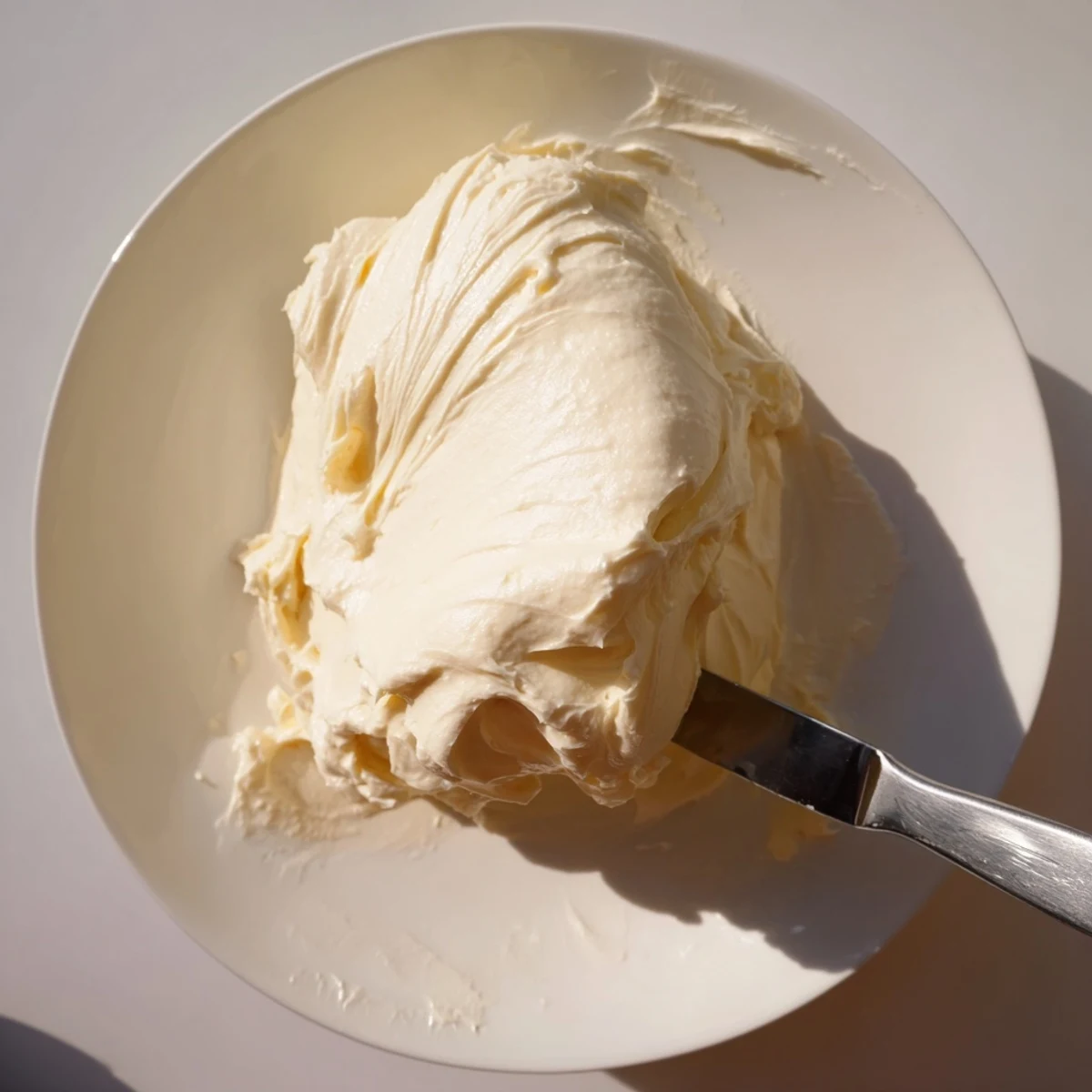
- Beat in the vanilla and salt until everything is smooth, creamy, and fluffy enough to hold soft swirls on a spoon.
- Store or use right away:
- Frost your cake immediately, or pack the buttercream into an airtight container and refrigerate it for up to a week, rewhipping after bringing it to room temperature.
 Save
Save Somewhere between the curdle panic and the final silky beat, this buttercream taught me that patience in the kitchen is not optional, it is the whole point. I now make it without measuring the syrup temperature by eye, though I still use the thermometer when anyone is watching.
When Things Go Sideways
Every baker I know has a story about buttercream that broke, separated, or refused to come together. The fix is almost always the same: temperature control. If the bowl is too warm, pop everything into the fridge for ten minutes and try again, and if it is too cold, lay a warm towel around the mixer bowl and beat until it softens.
Flavor Variations Worth Trying
Plain vanilla buttercream is a beautiful canvas, but once you have the base down the possibilities open up fast. Fold in melted and cooled dark chocolate for a rich mocha vibe, or swirl in raspberry puree for something tangy and pink. A tablespoon of espresso powder dissolved in the vanilla extract turns it into something sophisticated enough for an adult birthday.
Piping and Frosting Without Losing Your Mind
The buttercream firms up when chilled and softens at room temperature, so timing your frosting session matters more than most people realize. I like to frost cakes when the buttercream is just barely cool from the fridge, soft enough to spread but firm enough to hold shape. A bench scraper dipped in hot water and wiped dry leaves the sides glassy smooth.
- For tall swirls on cupcakes, chill the frosted cakes for five minutes to set the peaks before serving.
- If piping intricate borders, add a few tablespoons of sifted icing sugar to stiffen the consistency.
- Always do a thin crumb coat first and chill the cake for twenty minutes before the final layer.
 Save
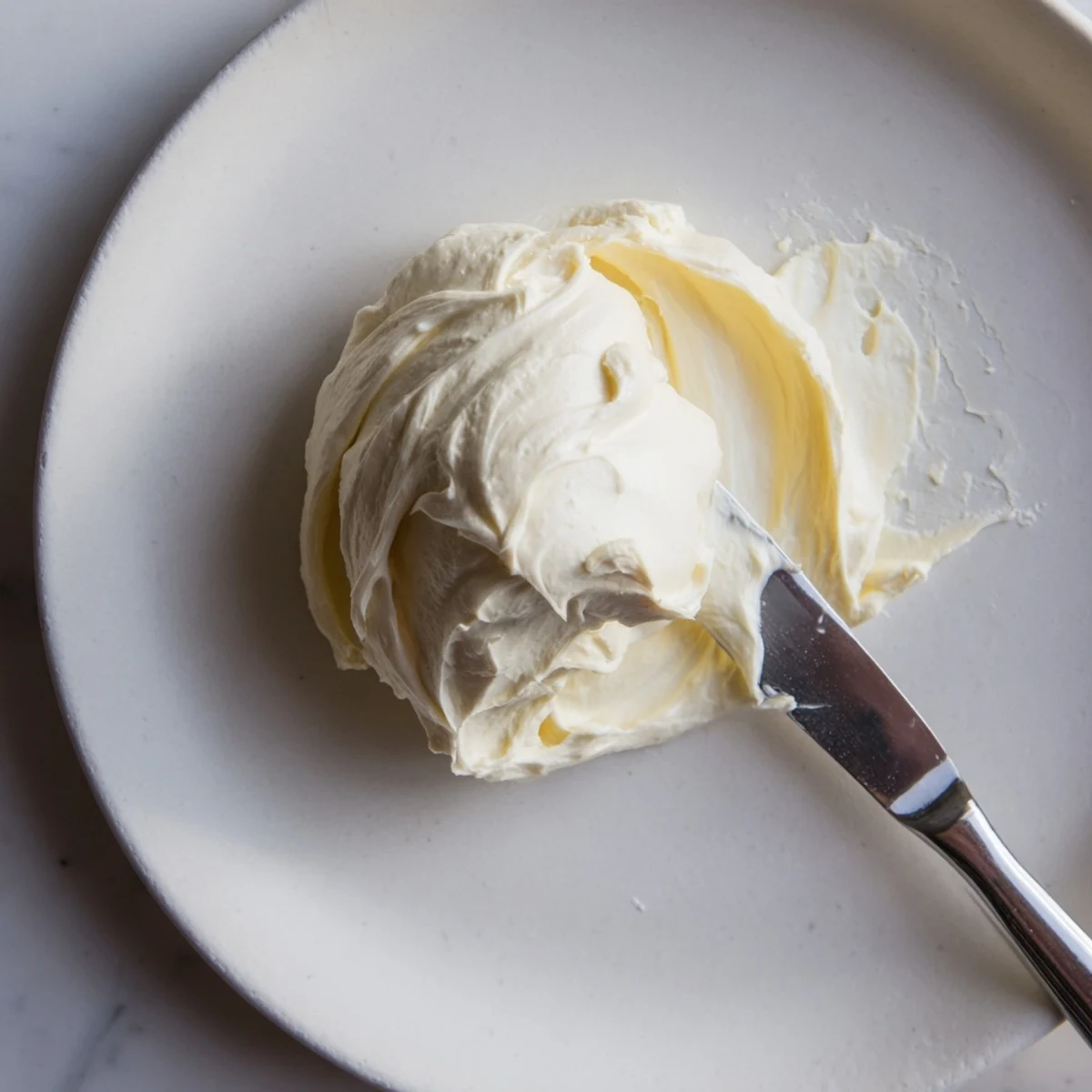
Save Master this buttercream once and you will never go back to the powdered sugar version, it is the kind of recipe that quietly changes your entire baking game. Your cakes will taste like they came from somewhere with a storefront and a line out the door.
Recipe Questions & Answers
- → Why did my buttercream look curdled or soupy?
-
This is completely normal during the butter-adding stage. If the meringue is still too warm, the butter will melt and cause a soupy texture. Simply chill the bowl in the refrigerator for 10–15 minutes, then resume beating until smooth and creamy.
- → Can I make Italian meringue buttercream ahead of time?
-
Yes, it stores beautifully. Refrigerate in an airtight container for up to one week, or freeze for up to two months. Before using, bring it completely to room temperature and rewhip until smooth and fluffy again.
- → What temperature should the sugar syrup reach?
-
The sugar syrup should reach 118°C (244°F) on a candy thermometer. This stage is critical for creating a stable meringue. Use a reliable thermometer and avoid stirring the syrup once it begins boiling to prevent crystallization.
- → Can I flavor or color Italian meringue buttercream?
-
Absolutely. After the buttercream is fully whipped, add melted and cooled chocolate, fruit purée, coffee extract, or any flavoring. For coloring, use gel-based food colors rather than liquid ones, which can affect the consistency.
- → Why is my buttercream too soft for piping?
-
If the buttercream is too soft, it may need chilling. Refrigerate for 10–15 minutes, then whip again. For a stiffer consistency ideal for detailed piping, you can also beat in a few tablespoons of sifted icing sugar.
- → Do I need a stand mixer to make this?
-
A stand mixer is strongly recommended because the process requires sustained, hands-free whipping while you simultaneously pour hot sugar syrup. A hand mixer can work for experienced bakers, but it is far less convenient and harder to manage safely.