
 Save
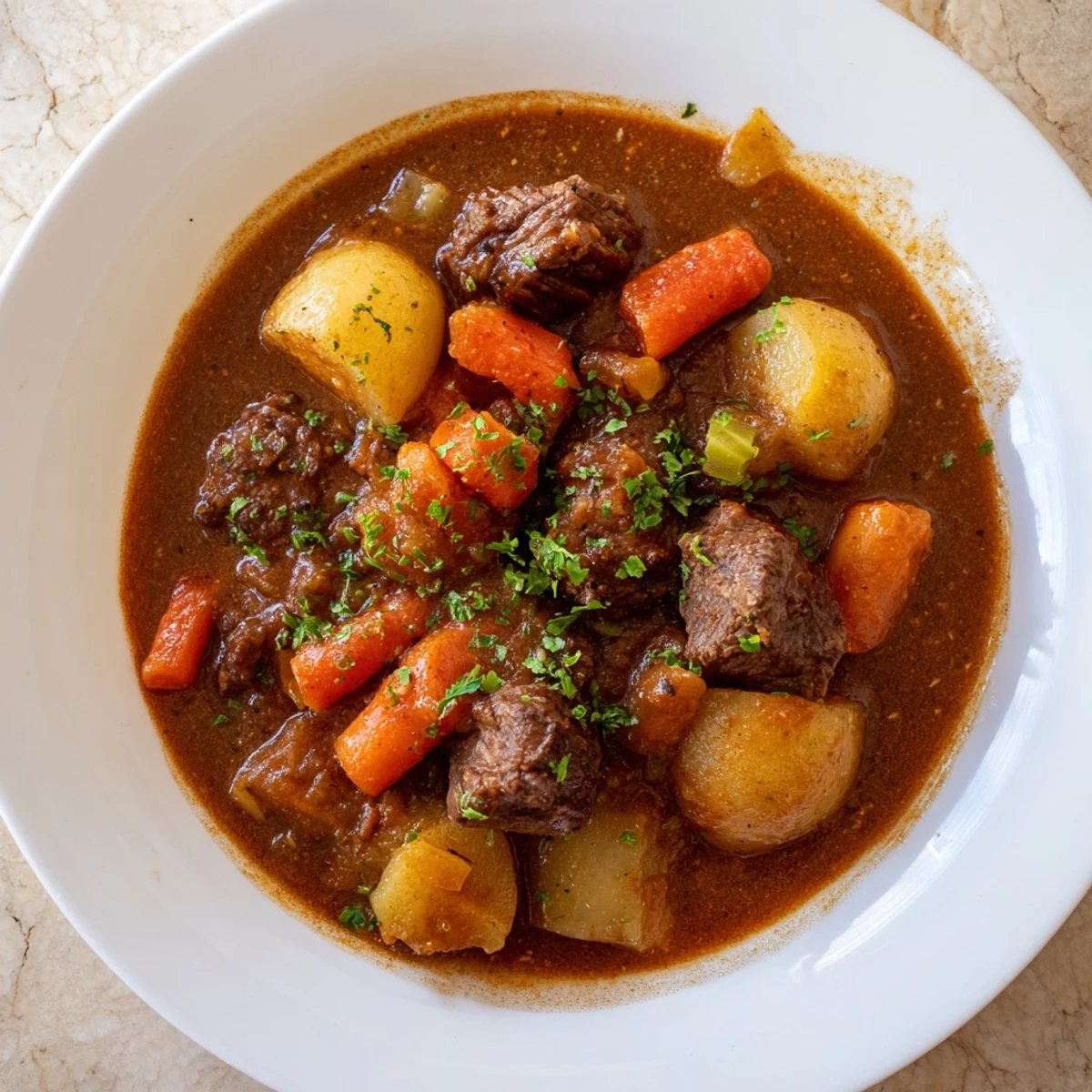
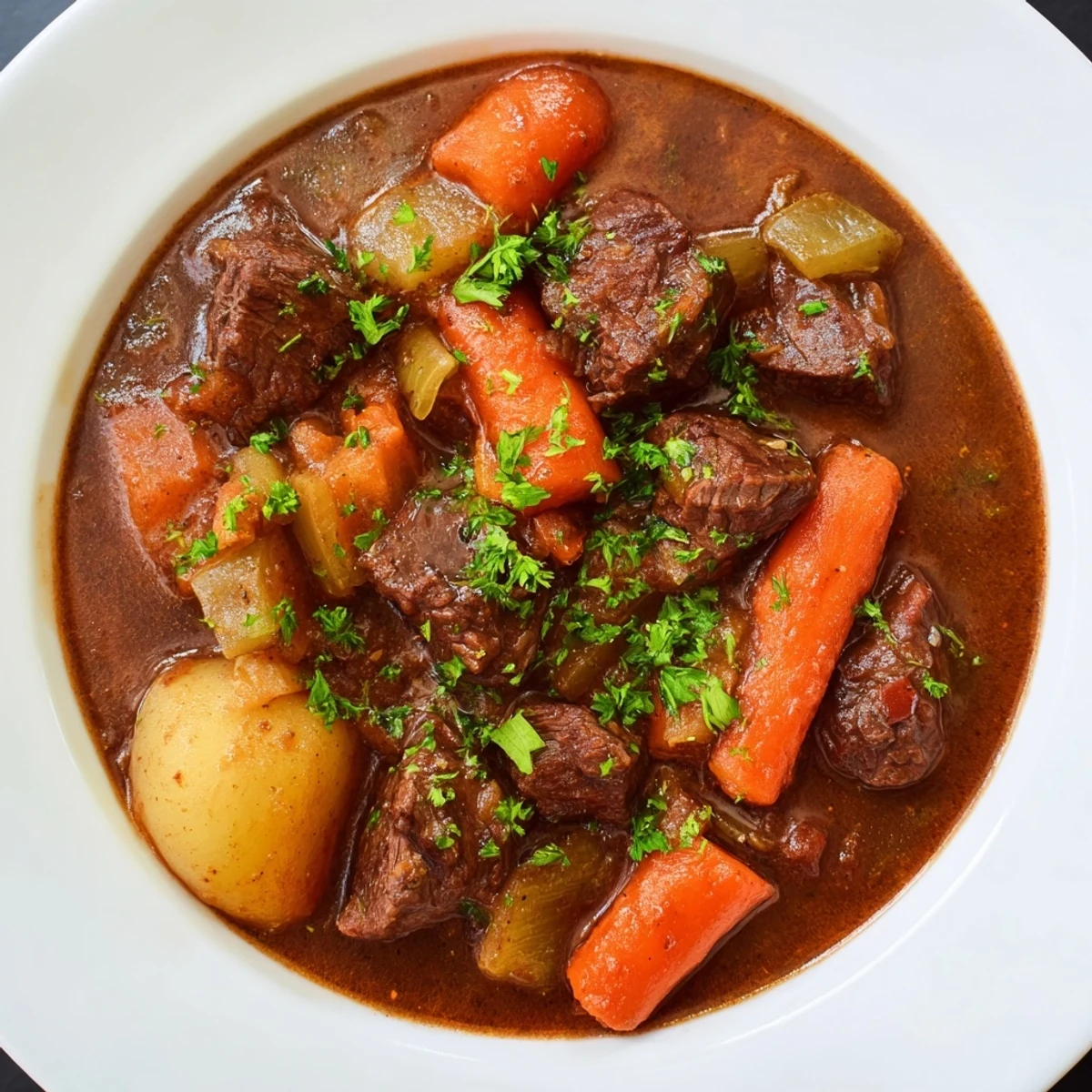
Save This dish features succulent beef chuck cubes slowly cooked with an aromatic mix of bay leaves, thyme, and rosemary. Root vegetables such as carrots, celery, and potatoes add wholesome texture, while tomato paste and red wine enrich the flavors. The stew thickens gently with flour, creating a hearty, satisfying meal perfect for cooler days. Garnished with fresh parsley, it provides balanced nourishment and comfort.
There's something about the smell of beef searing in a hot pan that stops me mid-thought every time. Years ago, my uncle taught me that a proper stew starts with patience—not rushing the meat, letting each cube develop a deep golden crust before anything else happens. I've made this stew dozens of times since, and it's become the kind of dish I reach for when the weather turns cold or when I need to feed people I care about something honest and warm.
I remember my first winter in a house with a real kitchen, making this for a dinner party and worrying the whole time that something would go wrong. My partner kept sneaking tastes from the pot, and by the time guests arrived, the kitchen smelled so incredible that everyone knew they were about to eat something special. That night, the stew did the talking for me.
Ingredients
- Beef chuck (2 lbs, cut into 1.5-inch cubes): Chuck has just enough marbling to stay tender through long cooking, and it's forgiving if your timing isn't perfect.
- Olive oil (3 tbsp total): Use enough to get a real sear on the meat; skimping here changes everything.
- Yellow onion (1 large, diced): The aromatics are your base flavor, so don't skip the onion or rush through softening it.
- Garlic (3 cloves, minced): Add it after the onion so it doesn't burn and turn bitter.
- Carrots (3 medium, sliced) and celery (2 stalks, sliced): These are the classic pairing that builds depth; the carrots add subtle sweetness as they break down.
- Potatoes (3 medium, chunked): They thicken the stew naturally as they soften, so this is your secret to rich texture without extra flour.
- Tomato paste (2 tbsp): A small amount concentrates umami and adds complexity that you can't quite identify but absolutely taste.
- Beef broth (4 cups): Use quality broth if you can; it matters more than you'd think in a slow-cooked dish.
- Dry red wine (1 cup, optional): The acidity and tannins balance the richness of the beef, but extra broth works if you prefer to skip it.
- Bay leaves (2), dried thyme (1 tsp), dried rosemary (1 tsp): These three are non-negotiable for that warm, herbaceous character that makes it feel like comfort.
- Salt and black pepper: Season as you go, not just at the end, so the flavors integrate throughout cooking.
- All-purpose flour (2 tbsp): This creates a light thickener when browned with the aromatics, giving the stew body without heaviness.
- Fresh parsley (2 tbsp, chopped): Scatter it on top just before serving for brightness and a reminder that vegetables live in this pot.
Instructions
- Dry and season your beef:
- Pat the beef cubes completely dry with paper towels, then season them with salt and pepper. Moisture on the surface prevents browning, so take a moment with this step.
- Sear the meat in batches:
- Heat 2 tablespoons of olive oil in your Dutch oven over medium-high heat until it shimmers. Working in batches so you don't crowd the pan, sear the beef until deep golden brown on all sides, about 8 to 10 minutes total per batch. This crust develops flavor through the Maillard reaction, and it's the foundation of everything that comes next.
- Build your aromatic base:
- Reduce heat to medium, add the remaining 1 tablespoon oil with the diced onion and minced garlic, and sauté until softened and fragrant, about 3 minutes. You'll notice the garlic releasing its sharp bite into something sweeter as it cooks.
- Develop the tomato paste:
- Stir in the tomato paste and cook for 1 minute, letting it caramelize slightly in the heat. This concentrates its savory depth.
- Create your thickening roux:
- Sprinkle the flour over the vegetables and stir constantly to coat everything, cooking for about 1 minute. You're building a light roux that will help the stew reach the right consistency without tasting flour-y.
- Deglaze and build depth:
- Pour in the red wine (if using) and scrape up all the browned bits stuck to the bottom of the pot with a wooden spoon. Let it simmer for 2 minutes so the alcohol cooks off and the wine melds into the base.
- Combine everything and bring to a boil:
- Return the beef and any accumulated juices to the pot, then add the beef broth, carrots, celery, potatoes, bay leaves, thyme, and rosemary. Stir to combine and bring to a rolling boil.
- Slow cook until tender:
- Reduce heat to low, cover the pot, and let it simmer gently for 2 hours, stirring occasionally. The beef should be fork-tender and the broth rich and darkened. If the stew seems thin after 1.5 hours, leave the lid off for the final 30 minutes to let some liquid evaporate.
- Finish and serve:
- Discard the bay leaves, taste, and adjust seasoning with salt and pepper. Ladle into bowls and top with fresh chopped parsley.
 Save
Save The moment when someone who's usually quiet leans back in their chair with a satisfied sigh is when I know this stew did what it was supposed to do. It's not fancy or trendy, and it doesn't need to be—it's just good cooking that takes time and doesn't apologize for it.
Why This Stew Works
Slow-cooking beef chuck transforms its connective tissue into gelatin, which is what makes the stew creamy and rich without any cream involved. The long simmer also allows all the vegetables and herbs to become part of a cohesive flavor instead of remaining separate ingredients. This is patient cooking that rewards you for giving it time.
Storage and Reheating
This stew keeps beautifully in the refrigerator for up to 4 days and actually improves slightly as the flavors continue to meld overnight. You can also freeze it in airtight containers for up to 3 months; just thaw it overnight in the fridge and reheat gently on the stovetop, adding a splash of water or broth if it seems thick.
Variations and Pairings
I've made this stew with parsnips swapped in for half the potatoes, and it brings a natural earthiness that works beautifully. A splash of Worcestershire sauce added with the broth deepens everything, and a good crusty bread for soaking up the liquid is essential. Some nights I serve it over egg noodles instead of as a standalone bowl, which feels luxurious and changes the whole mood of the meal.
- Try adding a splash of Worcestershire sauce or even a teaspoon of mustard powder for extra savory depth.
- Sweet potatoes or parsnips can replace some of the regular potatoes if you want a subtle sweetness to balance the herbs.
- Pair with crusty bread or egg noodles, and a robust red wine that you'd be happy drinking alongside the stew.
 Save
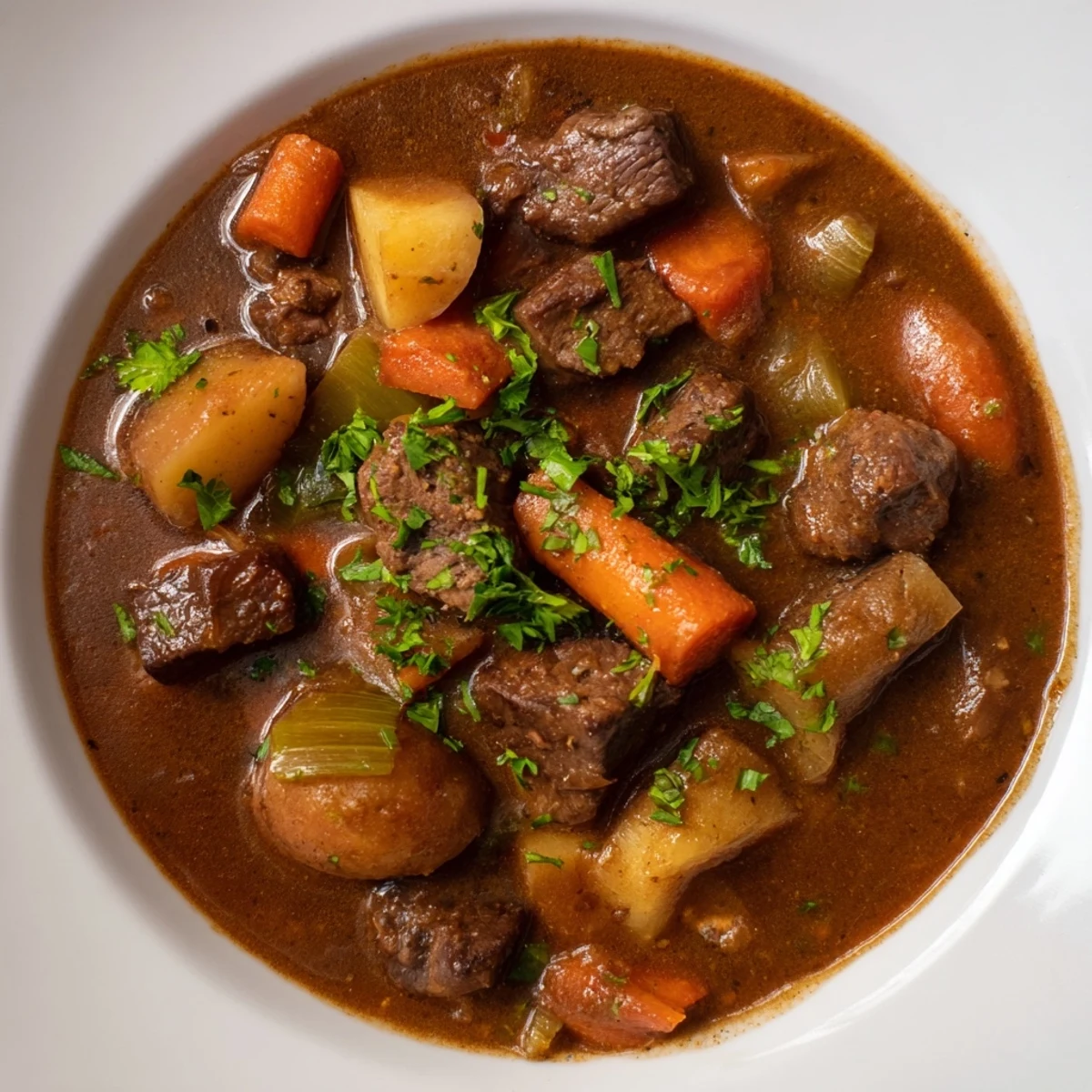
Save This is the kind of stew that makes a house feel like home, the kind you make for people you want to feed well. Every time you make it, you'll find your own rhythm with it, and that's exactly how it should be.
Recipe Questions & Answers
- → What cut of beef is best for this stew?
-
Beef chuck is ideal due to its marbling and tenderness when slow-cooked, ensuring rich flavor and a tender texture.
- → Can I substitute red wine in the cooking liquid?
-
Yes, you can replace red wine with additional beef broth for a milder, alcohol-free version without losing depth.
- → How do root vegetables affect the flavor?
-
Carrots, celery, and potatoes absorb flavors while adding sweetness, earthiness, and texture, balancing the richness of the beef.
- → What thickening method is used for this dish?
-
All-purpose flour is sprinkled over vegetables before simmering to gently thicken the broth into a rich consistency.
- → How long should the dish simmer for optimal tenderness?
-
A slow simmer of about two hours allows beef to become fork-tender, blending flavors deeply for a comforting meal.
- → Any tips for enhancing the flavor?
-
Add a splash of Worcestershire sauce or substitute sweet potatoes for variation to deepen the savory profile.