
 Save
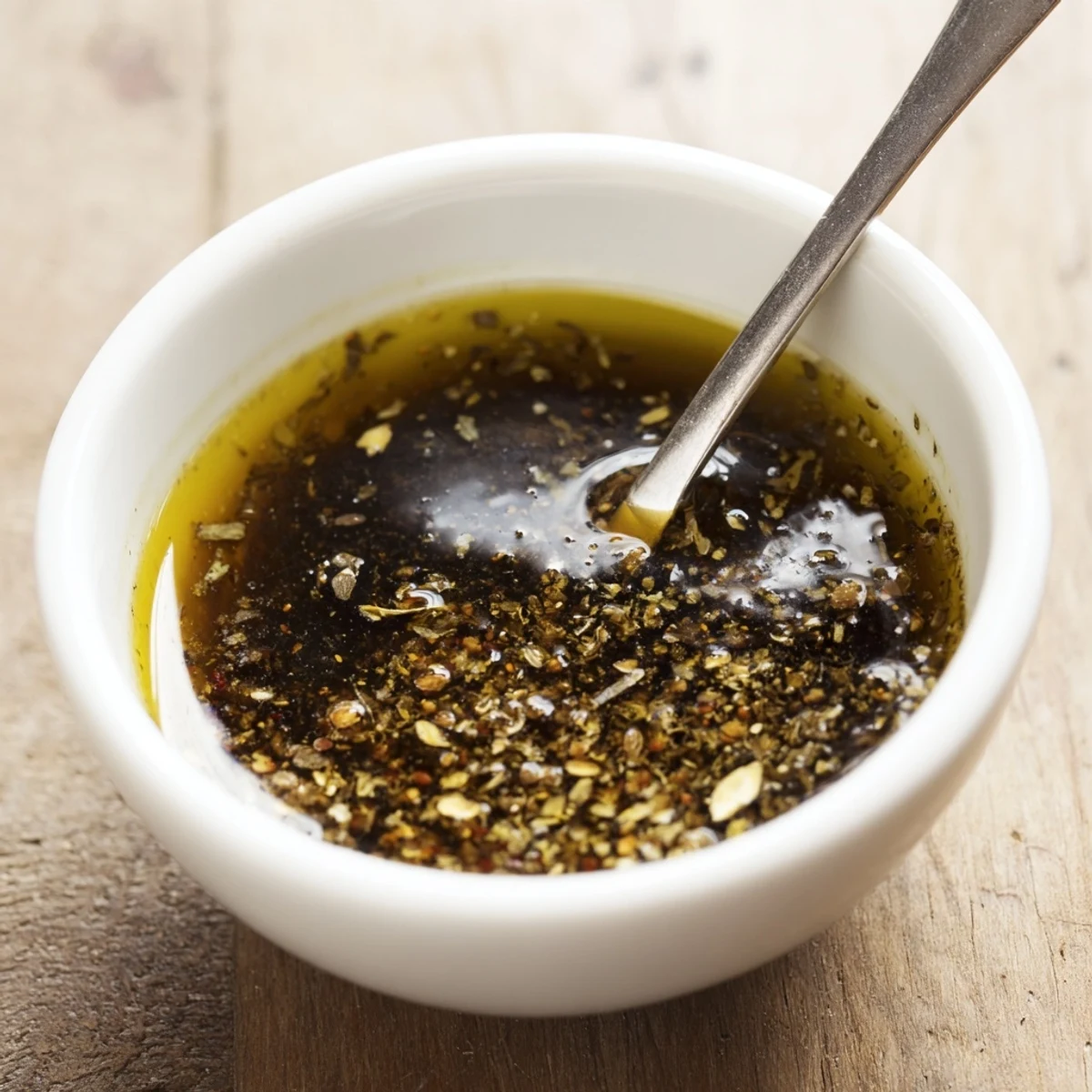
Save Bright, tangy Greek-style vinaigrette: whisk 1/4 cup red wine vinegar with 2 tsp Dijon, 1 minced garlic clove, 1 tsp dried oregano, 1/2 tsp sea salt and 1/4 tsp black pepper. Slowly whisk in 1/2 cup extra-virgin olive oil until emulsified. Ready in about 5 minutes; stir in honey or lemon to taste. Use on salads, grilled vegetables or as a quick marinade; refrigerate and shake before serving.
The summer my neighbor Elena overloaded me with garden cucumbers and tomatoes, I got desperate enough to start making my own Greek dressing instead of reaching for store bought bottles that always tasted flat and overly sweet.
I brought a jar of this to a backyard potluck last July and three people pulled me aside to ask what was in it, which felt absurd because the ingredient list is almost embarrassingly short.
Ingredients
- Extra virgin olive oil (1/2 cup): Use the good stuff here since its the backbone of the whole dressing and a grassy fruity oil makes all the difference.
- Red wine vinegar (1/4 cup): This provides the sharp tangy punch that makes a Greek dressing recognizable so dont substitute with white vinegar.
- Dijon mustard (2 teaspoons): Acts as the emulsifier that binds oil and vinegar together and adds a subtle heat that rounds everything out.
- Dried oregano (1 teaspoon): Rub it between your palms before adding to wake up the essential oils and release way more flavor.
- Garlic clove, finely minced (1): One clove is enough to linger without taking over, though I have been known to sneak in a second on bold days.
- Sea salt (1/2 teaspoon) and freshly ground black pepper (1/4 teaspoon): Seasoning is everything so taste and trust your own judgment.
- Honey or maple syrup (1 teaspoon, optional): A tiny bit of sweetness softens the acidity and makes the dressing more approachable for kids.
- Fresh lemon juice (1 tablespoon, optional): Adds brightness and a second layer of acid that plays beautifully with the vinegar.
- Crushed red pepper flakes (pinch, optional): For those who like a gentle tingle at the back of the throat.
Instructions
- Build the flavor base:
- Drop the red wine vinegar, Dijon mustard, minced garlic, salt, pepper, oregano, and any optional honey or lemon juice into a medium bowl or a large measuring jug and give it a vigorous whisk until the mustard dissolves into the vinegar and everything looks united.
- Stream in the olive oil slowly:
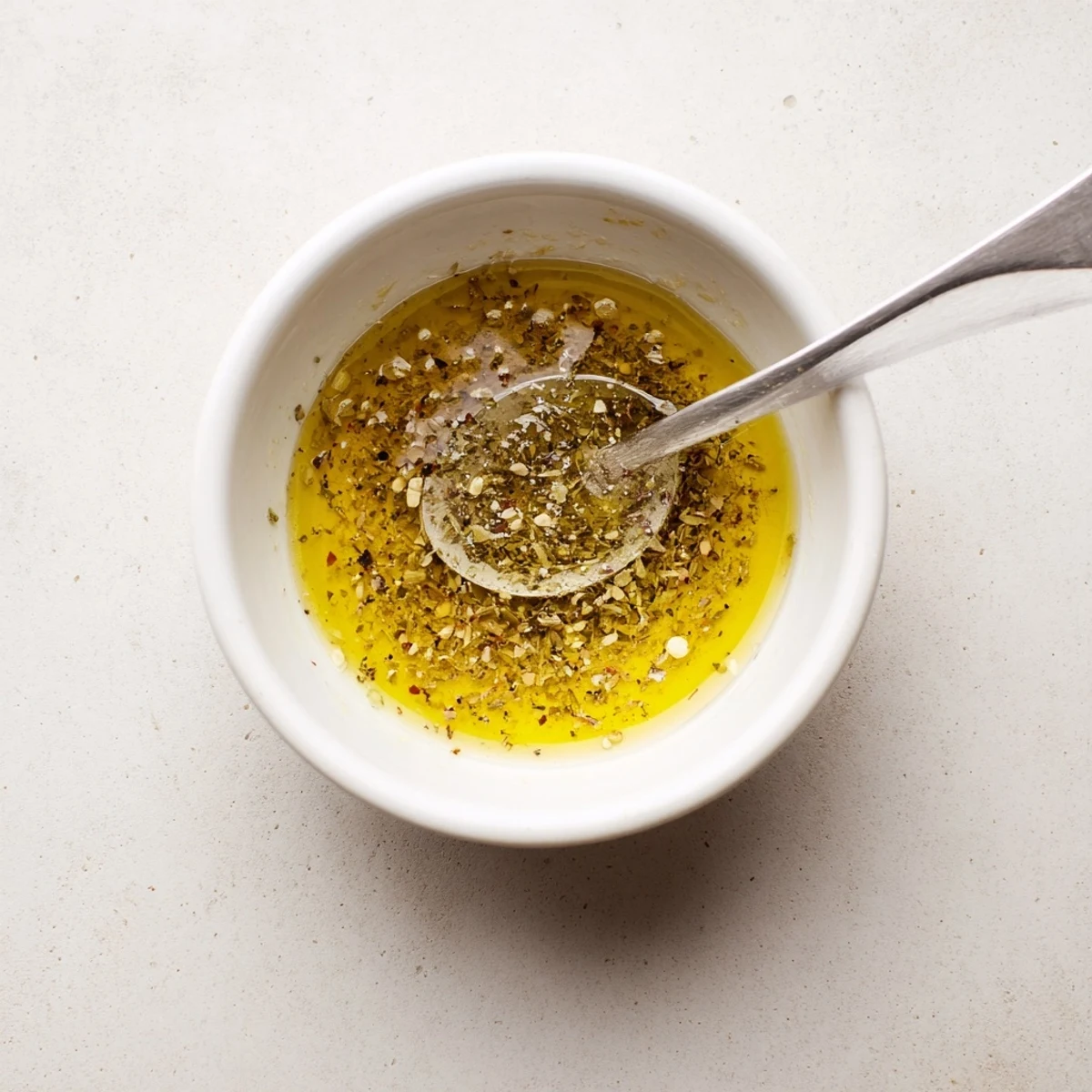
- Pour the olive oil in a thin steady drizzle with one hand while whisking furiously with the other and watch as the mixture transforms from separated and watery into something creamy and cohesive.
- Whisk until thickened:
- Keep going for another thirty seconds or so until the dressing looks slightly thicker and clings to the whisk instead of running right off like thin vinaigrette.
- Taste and adjust:
- Dip a small piece of cucumber or lettuce in to test seasoning since tasting on a spoon gives a misleadingly intense impression and you want to know how it actually performs on food.
- Store and serve:
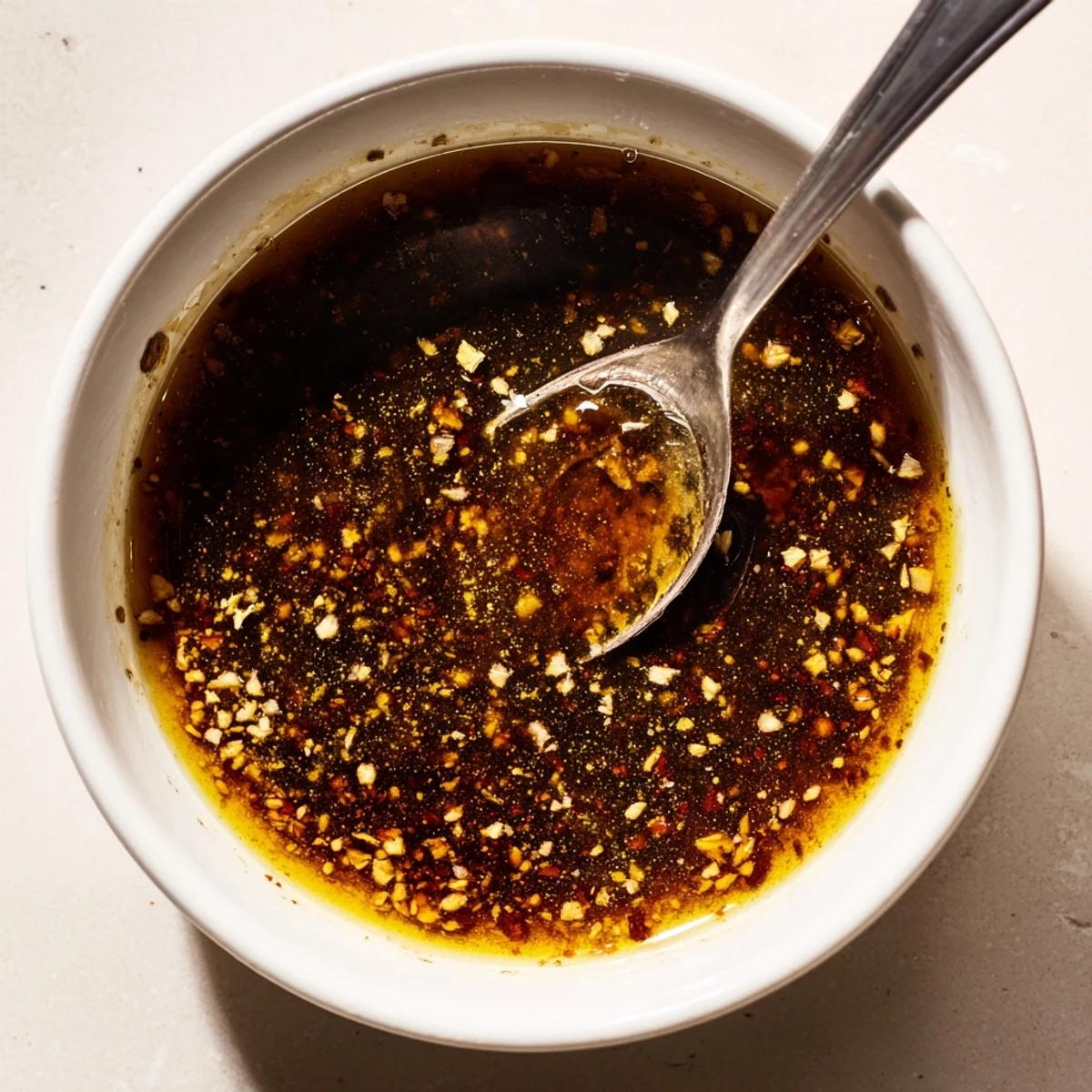
- Pour into a clean jar or bottle and pop it in the fridge where it will keep beautifully for up to a week, and always give it a good shake before using since separation is natural and nothing to worry about.
 Save
Save There is something deeply satisfying about shaking a jar of your own dressing while dinner guests watch and realizing that the simplest things you make yourself are always the ones people remember most.
Beyond the Salad Bowl
This dressing doubles as an incredible quick marinade for chicken thighs or grilled zucchini and I have even drizzled it over cold lentil salads with feta crumbled on top for lunches that felt like small celebrations.
Storing Your Jar
Keep it sealed tight in the refrigerator and it stays fresh for about a week though honestly mine rarely lasts that long because everything from roasted potatoes to plain rice benefits from a generous spoonful.
When You Want to Improvise
The beauty of a vinaigrette is how forgiving it is once you understand the basic ratio of acid to oil so feel free to follow your mood and adjust as you go.
- Swap red wine vinegar for white wine vinegar or even sherry vinegar for a different personality.
- Add a tablespoon of crumbled feta and blend if you eat dairy because it turns the dressing into something almost drinkable.
- Always taste on a piece of the actual salad green rather than from a spoon to get a true read on balance.
 Save
Save Once you start making your own Greek dressing, the bottled versions will never taste quite right again and that is a small kitchen victory worth savoring.
Recipe Questions & Answers
- → How do I get a stable emulsion?
-
Whisk the mustard, vinegar and seasonings first, then add the olive oil in a slow, steady stream while whisking vigorously. An immersion blender or food processor will create a thicker, longer-lasting emulsion.
- → Can I swap Dijon for another mustard?
-
Yes. Whole-grain or spicy brown mustard work well and change texture and flavor. Adjust quantity to taste—Dijon is sharp, so milder mustards may need a touch more for balance.
- → How long will the dressing keep?
-
Stored in a sealed jar in the refrigerator, the vinaigrette keeps for about 1–2 weeks. Separation is normal—shake or stir to recombine before using.
- → How can I make the dressing creamier?
-
Blend the ingredients in a small blender or use an immersion blender while adding the oil. A spoonful of yogurt or a bit of crumbled feta will also add creaminess, though that introduces dairy.
- → What dishes pair best with this vinaigrette?
-
It brightens leafy salads, complements grilled vegetables, finishes grain bowls and makes an excellent marinade for chicken or vegetables before grilling or roasting.
- → How should I adjust sweetness or acidity?
-
Taste as you go: add a teaspoon of honey or maple syrup for sweetness, or a splash of fresh lemon juice to lift the acidity. Small adjustments will balance the flavors without overpowering them.