
 Save
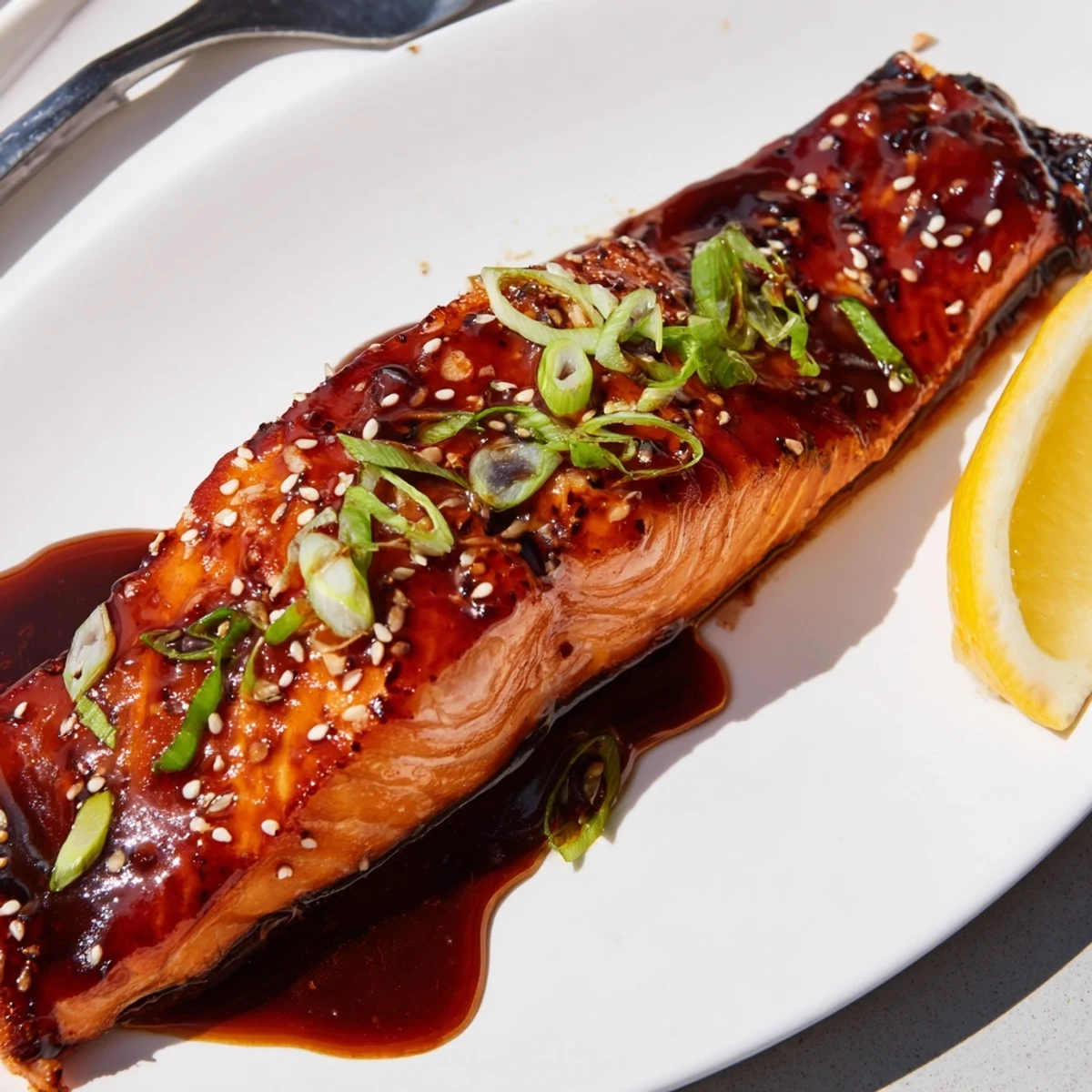
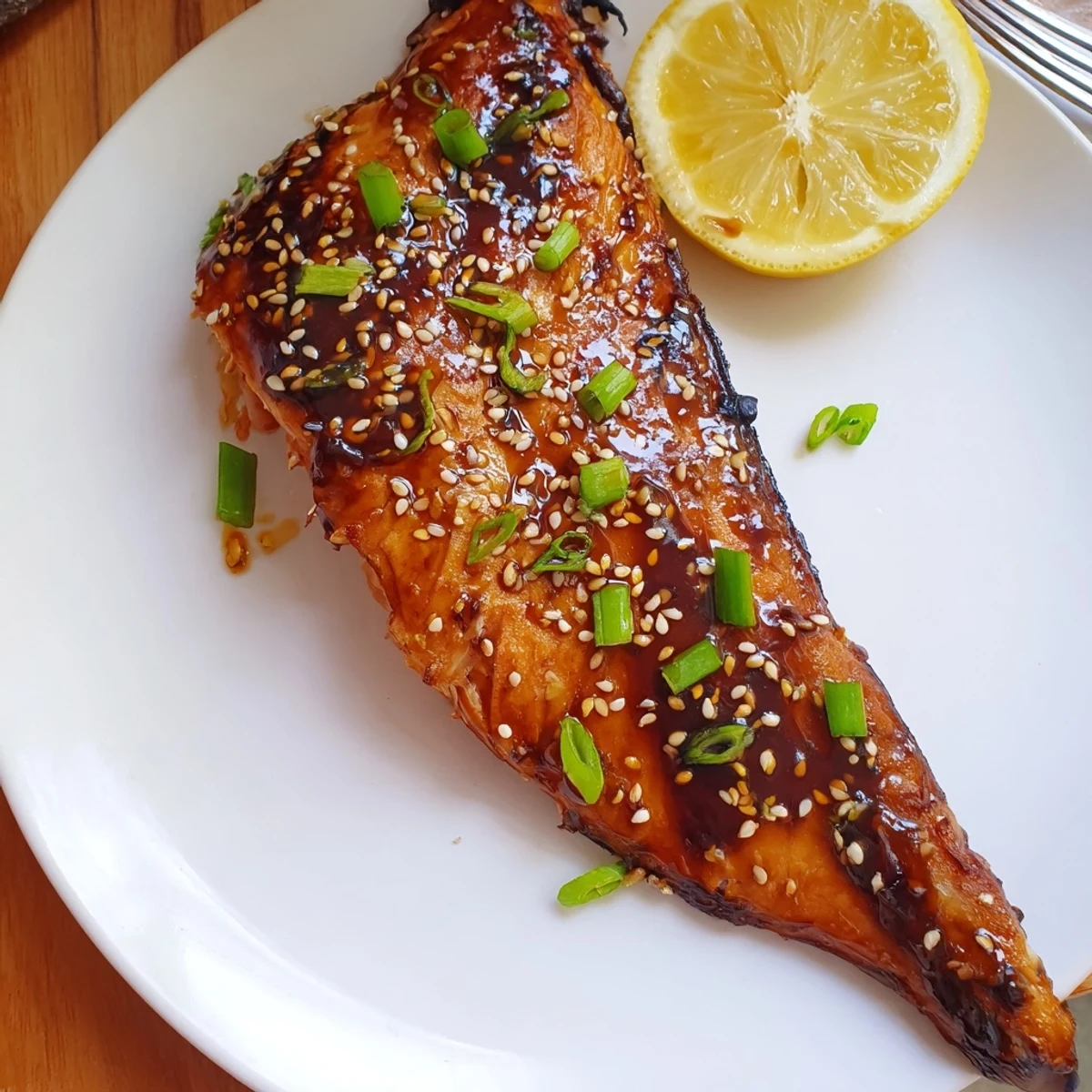
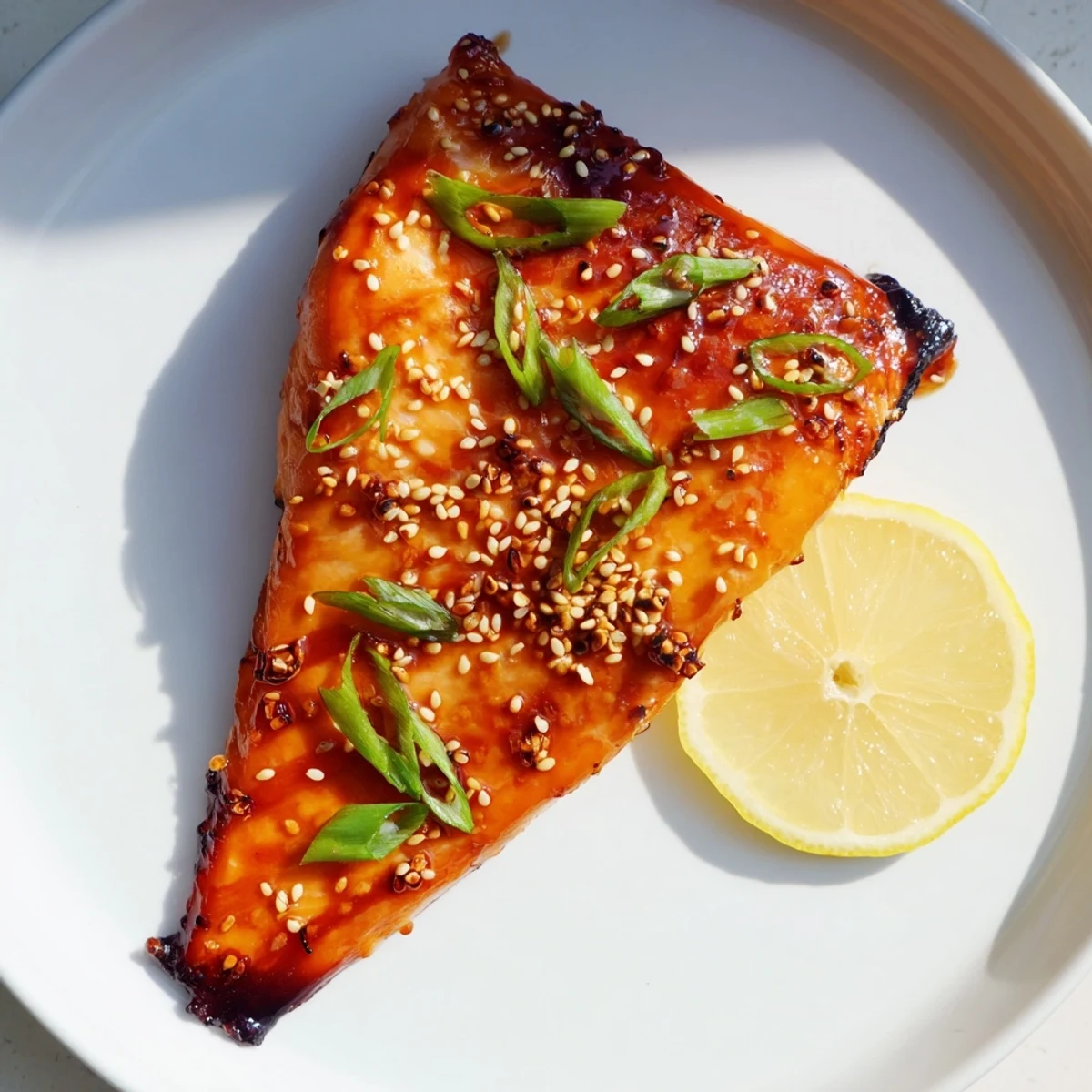
Save These succulent salmon fillets are brushed with a thick, glossy gluten-free teriyaki sauce made from tamari, maple syrup, rice vinegar, and sesame oil, then oven-baked until perfectly flaky. The umami-packed glaze caramelizes beautifully in the oven, creating a savory-sweet crust that pairs wonderfully with steamed rice or sautéed vegetables.
Ready in just 25 minutes with only 10 minutes of prep, this dish is an ideal weeknight dinner that feels elegant enough for entertaining. The homemade teriyaki sauce comes together on the stovetop in minutes and delivers deep, complex flavor without any gluten-containing ingredients.
Something about the smell of teriyaki sauce bubbling on the stove makes my kitchen feel like a tiny restaurant on a busy Tokyo side street. I stumbled into making this gluten free version one rainy Tuesday when I realized my bottle of regular soy sauce was empty but a forgotten bottle of tamari sat in the back of the pantry. The salmon came out so glossy and caramelized that my partner actually paused the show we were watching to ask what on earth I had made.
I served this to my sister the night she told me she was going gluten free and she looked genuinely relieved that the food ahead of her would not be boring. We ate it standing at the kitchen counter, pieces of salmon sliding off our forks, juices pooling on the parchment paper below. She texted me the next morning asking for the recipe, which is honestly the highest compliment I know.
Ingredients
- 4 salmon fillets, about 150 g each: Skin on gives you a crispy bottom layer but skin off works beautifully if you prefer ease. Look for fillets of even thickness so they finish cooking at the same time.
- 60 ml gluten free tamari: This is your base, the deep salty backbone that replaces regular soy sauce seamlessly. Coconut aminos work too but the flavor leans slightly sweeter.
- 2 tbsp pure maple syrup: Maple adds a rounded, earthy sweetness that pairs surprisingly well with the salty tamari. Swap in honey if you want a more floral sweetness profile.
- 2 tbsp rice vinegar: A gentle acid that lifts the whole sauce and keeps it from tasting one dimensional. Do not skip this, even if you are tempted.
- 1 tbsp sesame oil: Just a small amount gives that unmistakable toasty aroma. Toasted sesame oil is what you want here, not the neutral kind.
- 2 cloves garlic, minced: Fresh garlic makes a difference you can actually taste. Smash the cloves with the flat of your knife before mincing to release more flavor.
- 1 tsp fresh ginger, grated: A microplane turns ginger into a fine paste that melts right into the sauce. Peel it with the edge of a spoon to save time and waste less.
- 1 tbsp cornstarch mixed with 2 tbsp cold water: This slurry is the magic trick that turns a thin liquid into a glossy glaze. Always use cold water for the slurry or you will get lumps.
- 1 tbsp toasted sesame seeds: They add a gentle crunch and a nutty finish that makes the dish feel finished.
- 2 green onions, thinly sliced: Slice them on a sharp diagonal for a pretty presentation and a mild onion bite.
- Lemon wedges, for serving: A squeeze of lemon at the end wakes everything up and cuts through the richness.
Instructions
- Set the stage:
- Preheat your oven to 200 degrees Celsius, which is 400 Fahrenheit, and line a baking sheet with parchment paper. The parchment saves you from a scrubbing nightmare later because that sticky sauce likes to weld itself to bare metal.
- Build the sauce:
- In a small saucepan over medium heat, combine the tamari, maple syrup, rice vinegar, sesame oil, garlic, and ginger. Bring it to a gentle simmer and take a moment to appreciate how incredible your kitchen smells right now.
- Thicken the glaze:
- Pour in the cornstarch slurry and whisk constantly for one to two minutes until the sauce coats the back of a spoon and looks like something you would happily drizzle on everything. Remove it from the heat before it gets too thick, because it will continue to set up as it cools.
- Glaze the salmon:
- Arrange the salmon fillets on your prepared baking sheet and brush them generously with the teriyaki glaze, saving a little for finishing. Use a pastry brush if you have one, or the back of a spoon if you do not, and do not be shy about it.
- Bake until beautiful:
- Slide the tray into the oven for twelve to fifteen minutes, until the salmon is opaque and flakes apart easily when you press it with a fork. For that gorgeous caramelized top, flip the broiler on for the last two minutes and watch it closely because it goes from perfect to charred in seconds.
- Finish and serve:
- Drizzle the remaining sauce over each fillet, scatter on the sesame seeds and sliced green onions, and serve with lemon wedges on the side. Try to get everything to the table while it is still hot because the glaze is at its most irresistible fresh from the oven.
 Save
Save The night I first got this recipe right, I sat at the table alone after everyone had gone to bed and ate the leftover pieces cold from the fridge, standing in the dim light with the refrigerator humming beside me. Some meals are like that, too good to save for tomorrow, too quiet to share.
What to Serve Alongside
Steamed jasmine rice is the obvious companion and for good reason, because it soaks up every drop of that extra sauce like a sponge. Sautéed bok choy or snap peas with a splash of sesame oil round out the plate with crunch and freshness. I have also piled this salmon onto simple bowls with shredded carrots and cucumber for a lighter approach that feels like something from a trendy lunch spot.
Storing and Reheating
Leftover salmon keeps well in an airtight container in the refrigerator for up to two days, though the texture of the glaze changes slightly as it sits. Reheat it gently in a low oven or a skillet over medium low heat rather than using the microwave, which tends to make the fish tough and dry. The sauce thickens considerably when cold, so loosen it with a tiny splash of water when reheating.
A Few Last Thoughts
There is a reason this recipe ended up in my regular rotation, and it has everything to do with how little effort it demands for such a generous reward. The glaze works on chicken thighs and tofu too, so keep that in your back pocket for nights when salmon does not fit the mood or the budget.
- A crisp Sauvignon Blanc or even a cold Japanese lager pairs wonderfully with the sweet and salty glaze.
- Double the sauce recipe if you love extra for drizzling over rice or vegetables on the side.
- Remember that salmon continues to cook for a minute after you pull it from the oven, so take it out just before you think it is done.
 Save
Save Make this once and it will become one of those recipes you can cook from memory on a night when you are tired and hungry and just want something wonderful without thinking too hard.
Recipe Questions & Answers
- → Can I use regular soy sauce instead of tamari?
-
Regular soy sauce contains gluten, so if you need this dish to be strictly gluten-free, stick with tamari or a certified gluten-free soy sauce. If gluten is not a concern for you, regular soy sauce works perfectly and will deliver a similar flavor profile.
- → How do I know when the salmon is fully cooked?
-
Salmon is done when it turns opaque throughout and flakes easily when pressed gently with a fork. The internal temperature should reach 63°C (145°F). Be careful not to overcook, as salmon dries out quickly beyond this point. The fish will continue cooking slightly after you remove it from the oven.
- → Can I marinate the salmon before baking?
-
Yes, marinating the salmon in half the teriyaki sauce for 30 minutes before baking will deepen the flavor significantly. Reserve the other half of the sauce for brushing and drizzling after baking. Do not reuse the marinade that raw fish has been soaking in without bringing it to a full boil first.
- → What sides pair well with teriyaki salmon?
-
Steamed jasmine or brown rice is a classic pairing that soaks up the extra glaze beautifully. Sautéed bok choy, stir-fried snap peas, or roasted broccoli also complement the dish well. For a lighter option, serve over a bed of mixed greens or cauliflower rice.
- → Can I make the teriyaki sauce ahead of time?
-
Absolutely. The teriyaki sauce can be prepared up to 5 days in advance and stored in an airtight container in the refrigerator. Gently reheat it in a saucepan over low heat, whisking to restore its smooth consistency before brushing onto the salmon.
- → Is it better to bake salmon with the skin on or off?
-
Either works well for this method. Skin-on fillets help hold the fish together and keep the bottom moist during baking. If you prefer skinless, the teriyaki glaze will penetrate both sides evenly. If keeping the skin on, place the fillets skin-side down on the baking sheet.