
 Save
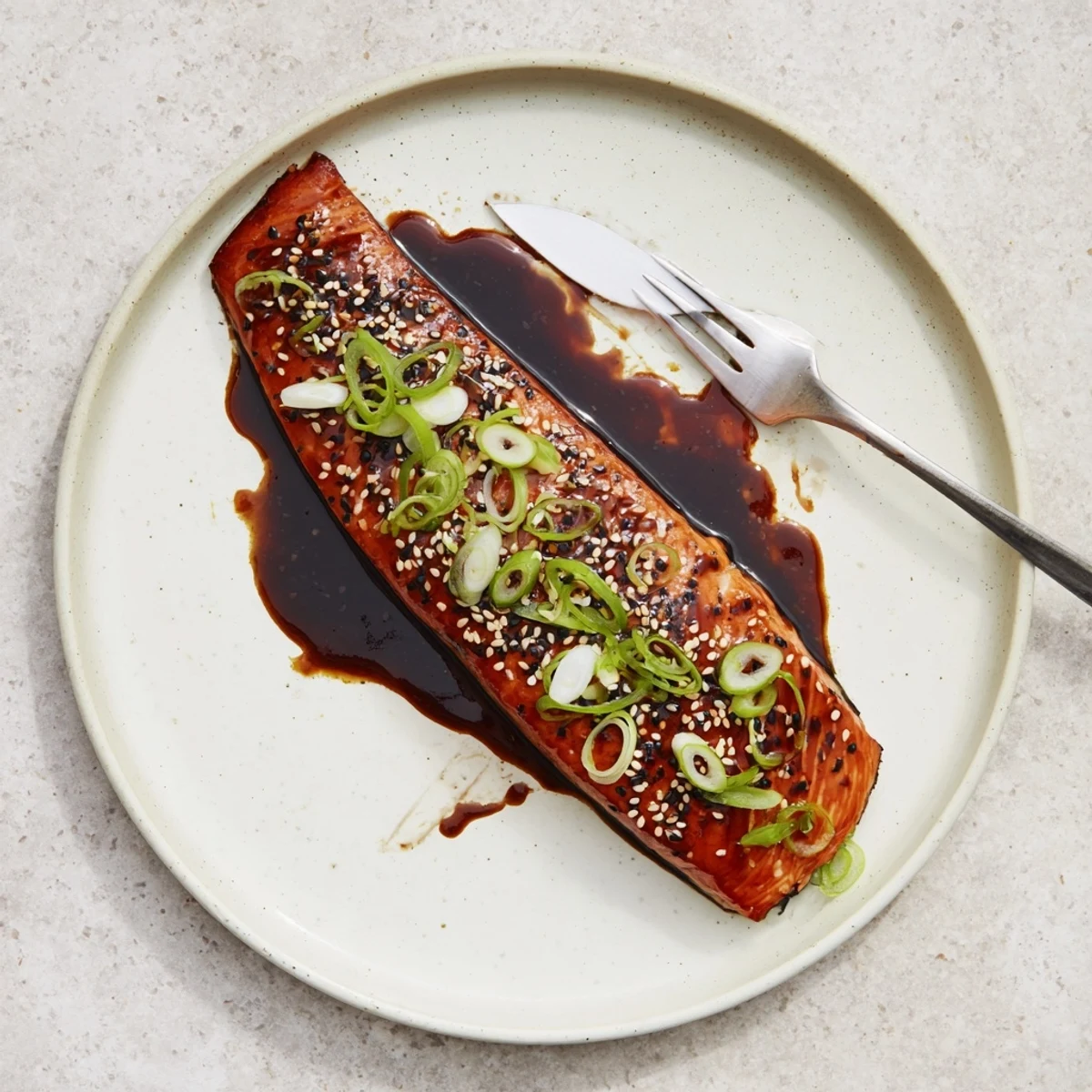
Save This gluten-free teriyaki salmon brings together succulent skin-on fillets with a homemade sauce made from tamari, maple syrup, rice vinegar, and sesame oil.
The sauce is simmered and thickened with a cornstarch slurry, then brushed generously over the salmon before baking at 200°C for 12-15 minutes.
Ready in just 25 minutes, it's an ideal weeknight dinner that's both gluten-free and dairy-free. Garnish with toasted sesame seeds and spring onions for a beautiful finish.
The smell of teriyaki hitting a hot pan is one of those scents that pulls everyone into the kitchen before you even call them for dinner. My sister walked in last Tuesday carrying grocery bags and stopped mid-sentence because the garlic and ginger were already doing their thing on the stove. She leaned over the pot, inhaled dramatically, and declared that whatever I was making had better be ready in ten minutes or she was eating the sauce with a spoon. That night this salmon disappeared so fast I barely got a photo of it.
I used to be intimidated by cooking fish at home because my early attempts either stuck to every surface or dried out into something resembling a brick. The breakthrough came when I started baking salmon on parchment paper at high heat and letting the sauce do the heavy lifting for moisture and flavor.
Ingredients
- 4 skin-on salmon fillets (about 150g each): Skin-on fillets hold together beautifully during baking and the skin acts as a natural barrier against drying out so leave it on even if you do not eat it.
- 60 ml gluten-free tamari: This is your salty umami backbone and tamari has a richer deeper flavor than most soy sauce alternatives so it is worth seeking out a certified gluten-free brand.
- 60 ml pure maple syrup or honey: Either works beautifully but maple syrup adds a subtle earthiness that pairs especially well with salmon while keeping the dish refined sugar-free.
- 2 tbsp rice vinegar: A gentle acidity that brightens the whole sauce and keeps the sweetness from becoming cloying.
- 1 tbsp sesame oil: Just a small amount delivers that unmistakable toasty aroma that signals teriyaki is happening in your kitchen.
- 2 cloves garlic minced: Fresh garlic makes a real difference here so skip the jarred stuff if you can.
- 1 tsp fresh ginger grated: Microplane it right into the pot because pre-grated ginger loses its punch quickly and you want that warm zing.
- 1 tsp cornstarch plus 2 tsp cold water: This simple slurry is what transforms a thin glaze into something glossy and clingy that coats the salmon properly.
- 1 tsp toasted sesame seeds: A finishing touch that adds a slight crunch and visual appeal with zero extra effort.
- 2 spring onions thinly sliced: Scatter these on at the very end for a fresh bite of color and mild onion sweetness.
Instructions
- Build the sauce base:
- In a small saucepan combine the tamari, maple syrup, rice vinegar, sesame oil, garlic, and ginger then bring it to a gentle simmer over medium heat. Stir occasionally and watch for tiny bubbles forming around the edges because that is your cue to move to the next step.
- Thicken with a slurry:
- Mix the cornstarch with cold water in a small bowl until completely smooth then whisk it into the simmering sauce. Keep whisking for about two minutes until the sauce coats the back of a spoon and has a glossy sheen then remove from heat.
- Preheat and prep:
- Set your oven to 200 degrees Celsius which is 400 Fahrenheit and line a baking tray with parchment paper. The parchment is non-negotiable because it prevents sticking and makes cleanup almost nonexistent.
- Glaze the salmon:
- Place the fillets skin-side down on the prepared tray and brush them generously with the teriyaki sauce reserving a little extra for serving. Make sure to get the sauce into every nook and cranny of the fish because that caramelized edge is the best part.
- Bake until perfect:
- Slide the tray into the oven and bake for twelve to fifteen minutes until the salmon flakes easily when you press it gently with a fork. The internal temperature should reach about 55 degrees Celsius for beautifully moist results.
- Finish and serve:
- Sprinkle the toasted sesame seeds and sliced spring onions over the top and drizzle with any remaining sauce. Serve immediately because this dish waits for no one and is best when the edges are still slightly caramelized.
 Save
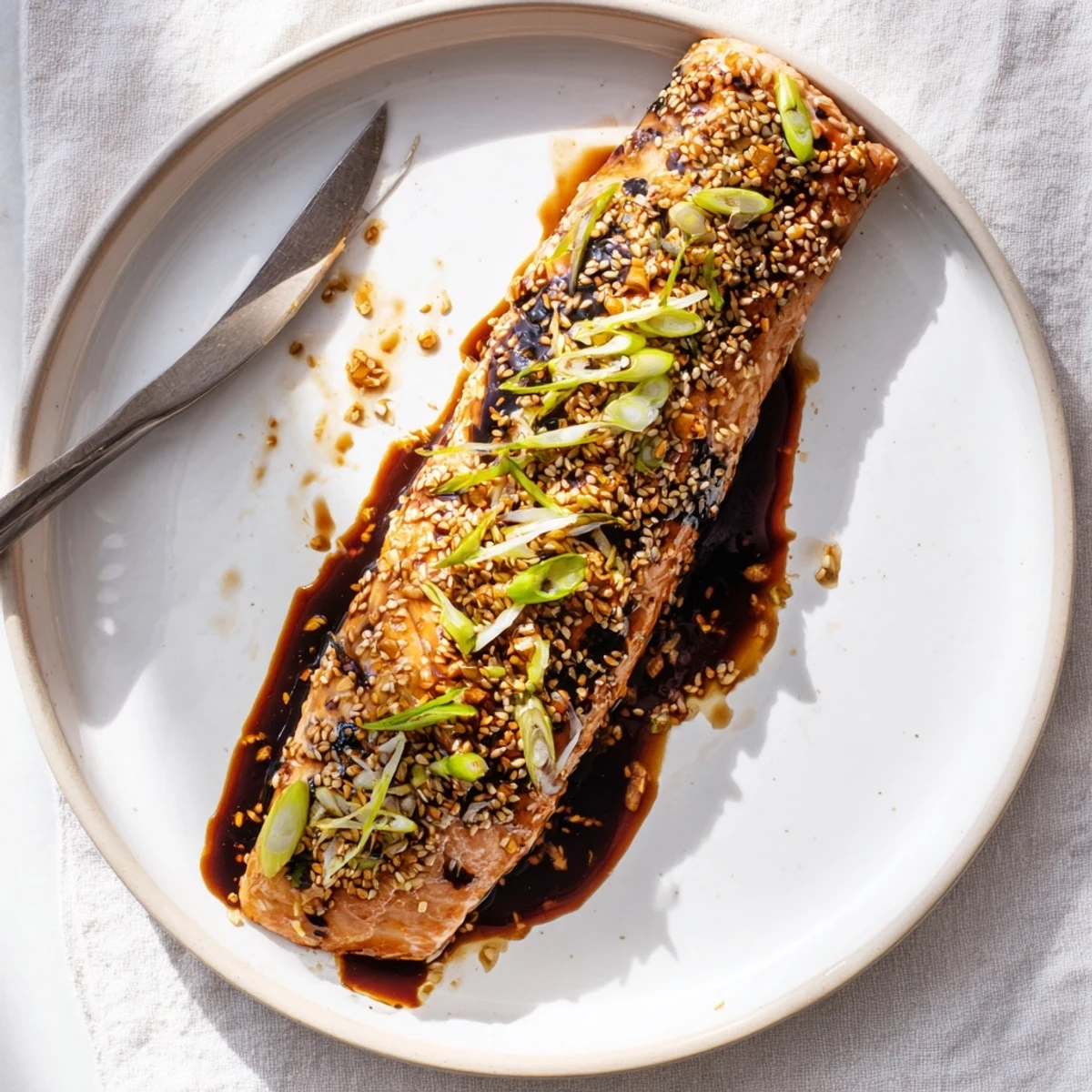
Save The best meals I have ever made were never the complicated ones and this salmon proved that again last week when my neighbor stopped by unexpectedly and ended up staying for dinner with zero complaints.
What to Serve Alongside
Steamed jasmine rice is the obvious companion here because it soaks up every drop of that extra sauce and turns a simple fillet into a complete comforting plate. Sautéed bok choy or a quick cucumber salad with rice vinegar and sesame oil also work wonderfully if you want something green and crunchy to balance the richness of the fish.
Making It Your Own
A pinch of red chili flakes stirred into the sauce transforms the whole dish into something with a gentle lingering heat that surprises people in the best way. You could also swap the maple syrup for honey if you prefer a more floral sweetness or add a splash of orange juice to the glaze for a citrusy twist that feels bright and seasonal.
Storing and Reheating
Leftover salmon keeps well in an airtight container in the refrigerator for up to two days though the texture is best on day one when the glaze is fresh and glossy. Reheat gently in a low oven rather than a microwave to preserve the texture of the fish.
- Store the extra sauce separately in a jar in the fridge because it thickens into a fantastic dip for dumplings or roasted vegetables the next day.
- Flake any leftover cold salmon over a bowl of rice with some sliced avocado for a no-effort lunch that tastes like you planned it.
- Never reheat salmon more than once because the texture deteriorates quickly and fish deserves better than that.
 Save
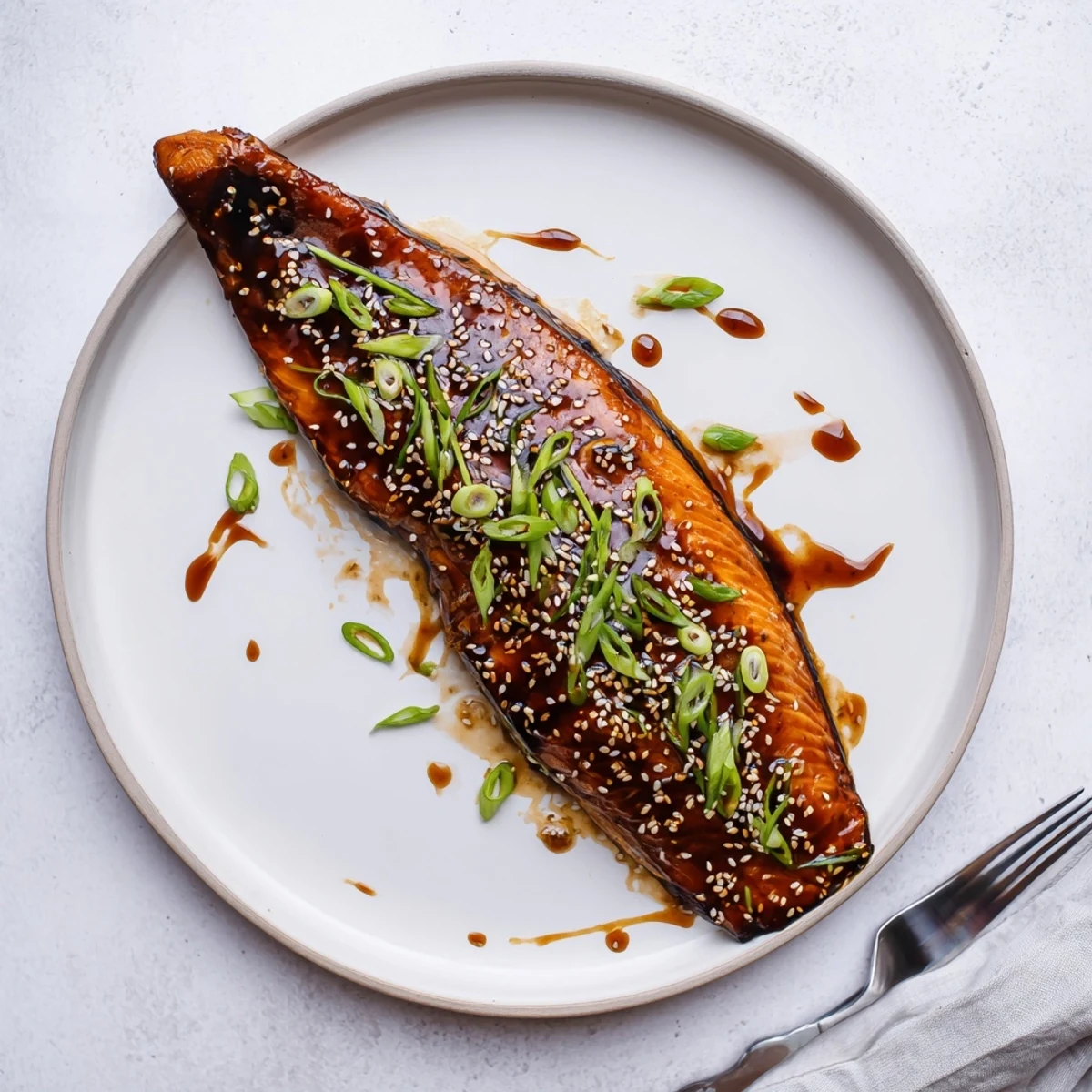
Save This is the kind of recipe that earns a permanent spot in your weekly rotation because it asks almost nothing of you and gives everything back in flavor. Make it once and you will find yourself reaching for the tamari without even checking the recipe.
Recipe Questions & Answers
- → Can I use regular soy sauce instead of tamari?
-
If you don't need the dish to be gluten-free, regular soy sauce works perfectly. However, tamari is specifically recommended here because it's naturally gluten-free and has a richer, deeper flavor that pairs beautifully with salmon.
- → How do I know when the salmon is cooked through?
-
The salmon is done when it flakes easily with a fork. This typically takes 12-15 minutes in a 200°C (400°F) oven. The internal temperature should reach 63°C (145°F) for perfectly moist, tender fillets.
- → Can I pan-sear the salmon instead of baking?
-
Absolutely. Sear the fillets skin-side down in an oven-safe skillet for about 4 minutes, then flip and cook another 3-4 minutes. Baste with the teriyaki sauce during the last minute of cooking for a caramelized glaze.
- → What sides pair well with teriyaki salmon?
-
Steamed jasmine rice is a classic pairing that soaks up the extra sauce beautifully. Sautéed vegetables like bok choy, snap peas, or broccoli also complement the dish. For a lighter option, try a simple cucumber salad with sesame dressing.
- → Can I substitute honey for maple syrup in the sauce?
-
Yes, honey works as a direct substitute for maple syrup. It will add a slightly different sweetness profile and help the sauce caramelize even more. Keep in mind the dish will no longer be fully vegan if that's a concern.
- → How should I store leftovers?
-
Store leftover teriyaki salmon in an airtight container in the refrigerator for up to 2 days. Reheat gently in the oven at 160°C (325°F) or in a skillet over low heat to avoid overcooking the fish. The sauce can be stored separately for up to a week.