
 Save
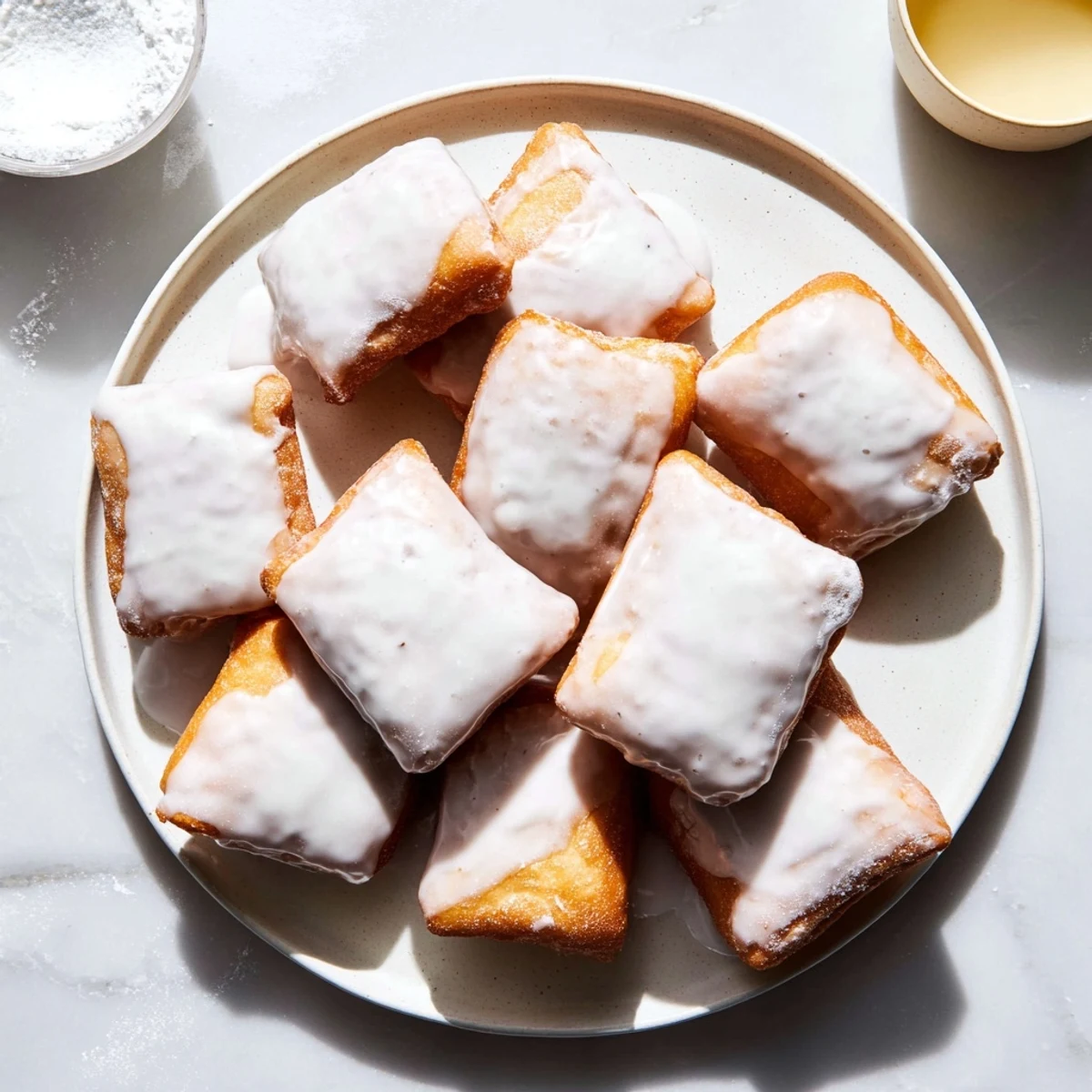
Save These golden beignet squares feature a tender, airy crumb thanks to the addition of tangy buttermilk in the dough. After frying to perfection, each square is dipped in a silky vanilla glaze that adds just the right amount of sweetness. The result is a classic New Orleans-style treat that's crispy on the outside, pillowy on the inside, and impossible to resist.
The first time I made beignets was actually on a rainy Tuesday afternoon when I was craving something that felt like a hug in food form. I had just come back from New Orleans a month prior, still dreaming about that Cafe du Monde dust, but wanted to put my own spin on it. The buttermilk addition came from me instinctively reaching for it while mixing, and honestly, it changed everything about the texture.
I made these for my sister's baby shower last spring, and watching her face light up when she took that first warm, glazed bite was everything. She made me promise I'd teach her how to make them before the baby came, and now it's become our little tradition whenever we need an excuse to eat something ridiculous and wonderful together.
Ingredients
- All-purpose flour: This is your foundation, and dont be tempted to swap it out entirely for whole wheat or youll lose that signature lightness
- Active dry yeast: Make sure its fresh by checking the expiration date, because nothing sadder than dough that refuses to rise
- Buttermilk: The secret weapon here, its acidity tenderizes the gluten while adding this subtle tang that cuts through all that sugar
- Unsalted butter: Melted and cooled means it incorporates beautifully without clumping or scrambling your eggs
- Vegetable oil: You need enough depth for proper frying, so dont try to conserve it or your beignets will cook unevenly
- Powdered sugar: Sifting is annoying but absolutely necessary or your glaze will have lumps that ruin the smooth finish
Instructions
- Mix the dry foundation:
- Whisk together your flour, yeast, sugar, and salt until everything is evenly distributed
- Combine the wet mixture:
- Blend the buttermilk, whole milk, eggs, and melted butter until smooth, making sure nothing is cold from the fridge
- Bring dough together:
- Form a well in your dry ingredients, pour in the wet mixture, and stir until you have a shaggy, slightly sticky dough
- Knead until smooth:
- Work the dough on a floured surface for 6 to 8 minutes until it feels like a babys cheek and springs back when poked
- Let dough rise:
- Place in an oiled bowl, cover, and wait 60 to 75 minutes until it has doubled, which feels like forever but is so worth it
- Shape the squares:
- Roll out to half an inch thick and cut into two inch squares, then let them rest for 20 minutes while your oil heats
- Fry to golden perfection:
- Cook in batches at 350 degrees for 1 to 2 minutes per side until they are puffed and gorgeously browned
- Make the glaze:
- Whisk together sifted powdered sugar, milk, and vanilla until you have something silky and smooth
- Glaze while warm:
- Dip each beignet while still hot, letting excess drip off, then set on a rack to firm up that gorgeous white coating
 Save
Save These became my go to comfort food during a particularly hard winter, standing over the pot and watching them float to the surface like little edible life rafts. Something about the rhythm of frying and that vanilla smell filling the whole house made everything feel manageable again.
Frying Like A Pro
I learned the hard way that splatter guards are worth every penny after one particularly enthusiastic batch left me with tiny oil burns all over my forearm. Keep your oil temperature steady and never walk away even for a second.
Glaze Perfection
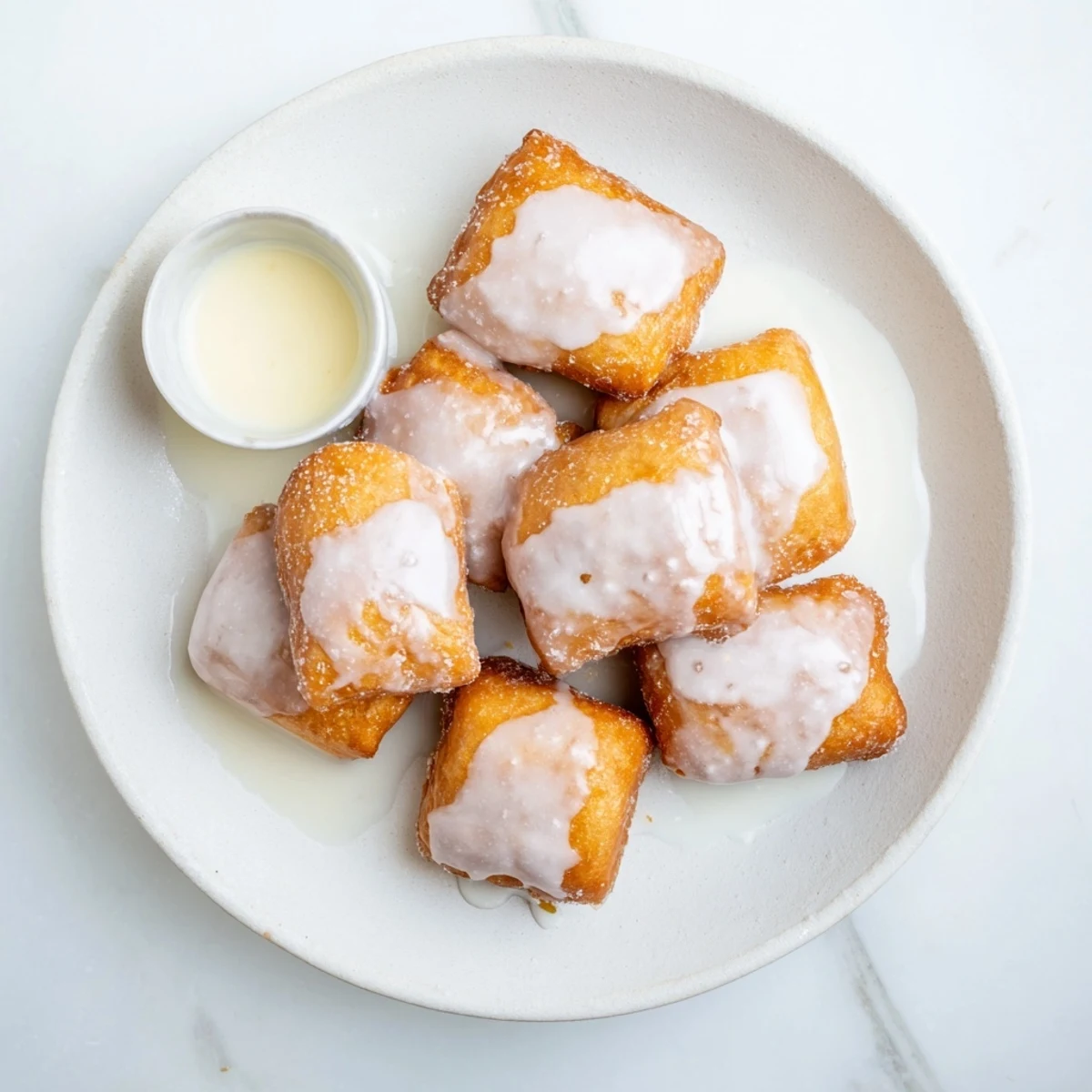
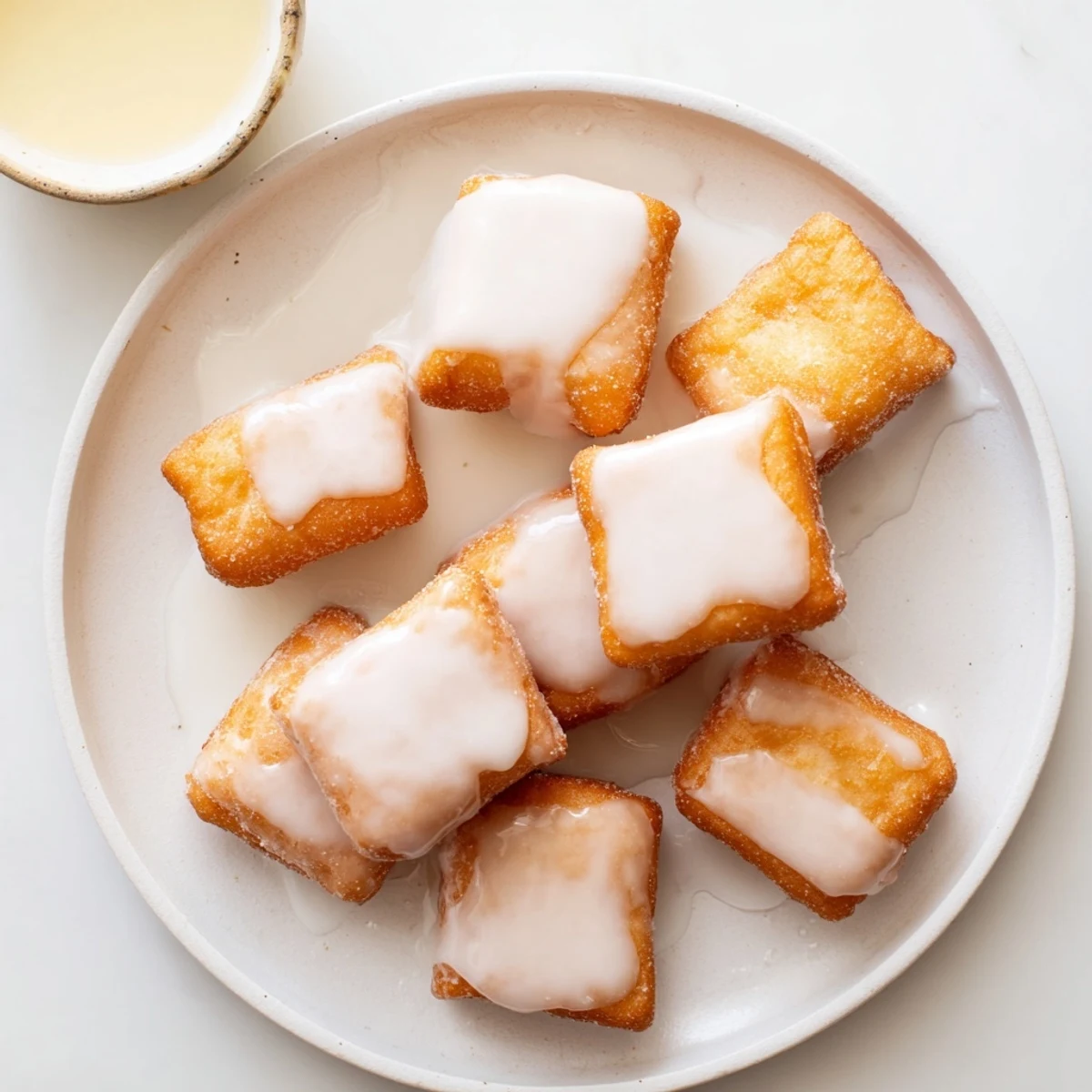
The thickness of your glaze is personal preference, and I like mine somewhere between a coating and a dip so it clings without being overwhelming. Warm beignets are the perfect canvas because the heat helps everything melt into those beautiful crumb pockets.
Storage Secrets
These are honestly best eaten immediately because nothing beats that contrast between hot interior and still slightly tacky glaze. If you must keep them, store uncovered at room temperature and briefly warm before serving.
- A quick turn in a 300 degree oven brings back that fresh fried magic
- Never refrigerate or they will turn sad and dense overnight
- The glaze can be made ahead and kept at room temperature, whisked smooth before using
 Save
Save There is something deeply satisfying about making something so indulgent from scratch, and the way these disappear whenever I serve them tells me everything I need to know.
Recipe Questions & Answers
- → What makes buttermilk beignets different from traditional ones?
-
Buttermilk adds tanginess and tenderness to the dough, creating a softer crumb and subtle depth of flavor that complements the sweet glaze perfectly.
- → Can I make the dough ahead of time?
-
Yes, prepare the dough and let it complete its first rise, then refrigerate overnight. Bring to room temperature before rolling and frying.
- → What's the best oil temperature for frying?
-
Maintain oil at 350°F (175°C) for optimal results. Too hot and they'll burn outside while remaining raw inside; too cool and they'll absorb excess grease.
- → How do I keep beignets warm for serving?
-
Place fried beignets on a baking sheet in a 200°F oven while glazing the remaining batches. This keeps them warm without drying them out.
- → Can I freeze uncooked beignet squares?
-
Absolutely. Cut the dough into squares after the first rise, freeze on a tray until firm, then transfer to a freezer bag. Thaw in the refrigerator before frying.
- → Why do my beignets turn out dense instead of fluffy?
-
Dense beignets usually result from not letting the dough rise sufficiently, overworking the dough, or frying at too low a temperature.