
 Save
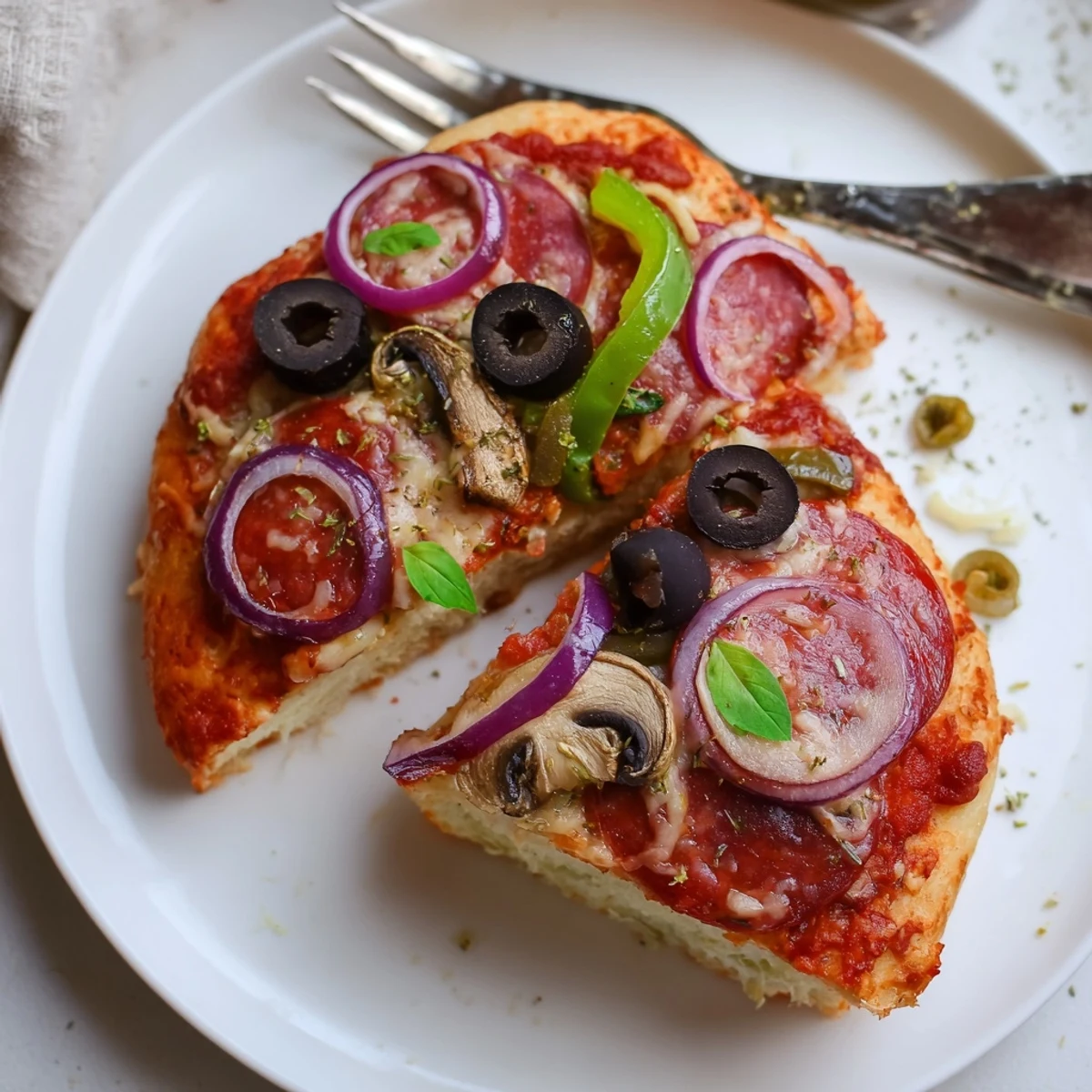
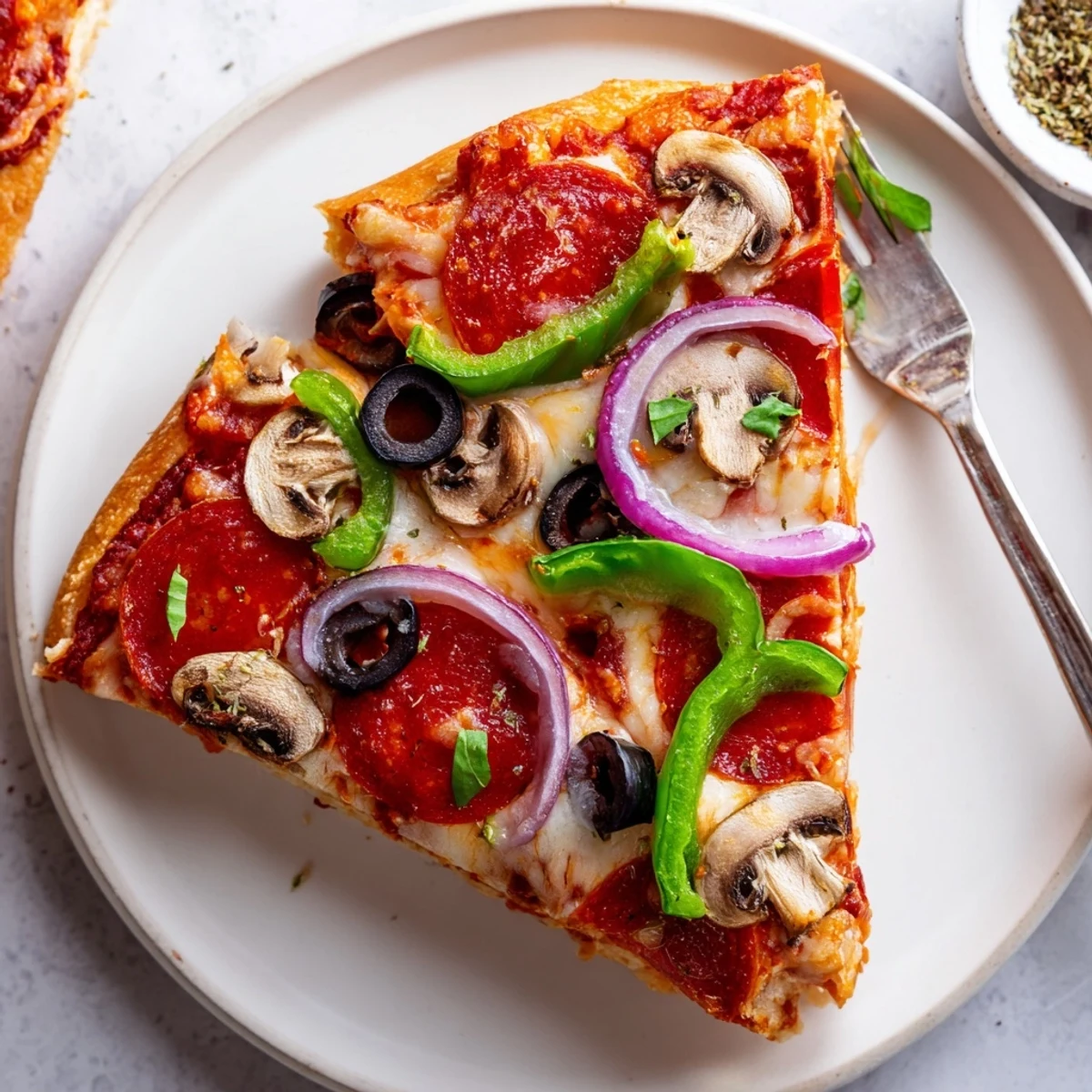
Save Combine a soft focaccia dough, let it rise until doubled, then press onto an oiled sheet and dimple with fingertips. Par-bake briefly to set the base, spread a garlicky tomato sauce, then scatter shredded mozzarella and the supreme toppings: bell peppers, red onion, olives, mushrooms and optional pepperoni. Return to the oven until cheese melts and edges turn golden. Rest a few minutes, finish with fresh basil and slice to serve.
The rain was hammering against the kitchen window the afternoon I stumbled onto the idea of mashing focaccia and pizza into one glorious pan. I had a bowl of dough rising on the counter and a crisper drawer full of bell peppers and mushrooms that were not going to survive another day. What came out of the oven forty minutes later was something neither entirely focaccia nor entirely pizza, but somehow better than both.
My neighbor Luca stopped by to borrow a drill the first time I made this, took one look at the pan cooling on the stove, and forgot all about the drill. We stood in the kitchen eating wedges with our hands, dripping sauce onto the floor, and he told me his nonna would have disapproved of everything about it except the olive oil.
Ingredients
- All purpose flour (500 g): Regular flour works perfectly here because the long rise and generous oil create the tenderness you want.
- Warm water (375 ml): Should feel like a warm bath to your finger, not hot, or you will kill the yeast before it even starts.
- Instant yeast (10 g): This recipe relies on a wet sticky dough so the yeast can work fast and create an open crumb.
- Fine sea salt (10 g): Do not skimp on salt because it is the difference between flat bread and something you actually want to keep eating.
- Extra virgin olive oil (50 ml plus more for drizzling): The oil is a flavor ingredient here not just a nonstick measure, so use the good stuff.
- Passata or tomato purée (200 ml): A smooth puree spreads evenly over the dough without making it soggy.
- Garlic, minced (1 clove): One clove gently sautéed gives the sauce a quiet warmth without overwhelming it.
- Dried oregano (1 tsp): Blooming it in warm oil for the sauce releases the herbaceous flavor that makes it taste like pizza sauce and not just tomato.
- Shredded mozzarella (150 g): A moderate amount lets the focaccia crust stay the star instead of turning into a cheese avalanche.
- Sliced pepperoni or vegetarian alternative (50 g, optional): Scatter these sparingly so every bite gets a salty punch without crowding the vegetables.
- Red and green bell pepper (half each, thinly sliced): The two colors are not just pretty together, they add slightly different sweetness levels.
- Red onion (half small, thinly sliced): Thin slices matter because thick rings will not cook through in the final bake.
- Black olives (60 g, sliced): Briny and meaty, they cut through the richness of cheese and oil beautifully.
- Sliced mushrooms (75 g): Spread them out so they roast and concentrate instead of steaming in a pile.
- Chopped fresh basil (1 tbsp): Add it after baking so the leaves stay bright and fragrant, never wilted.
- Freshly ground black pepper: A generous crack over the top before the final bake ties everything together.
Instructions
- Bring the dough together:
- In a large bowl, stir the flour, yeast, and salt with a wooden spoon, then pour in the warm water and olive oil all at once. Mix until you have a wet, shaggy, stubbornly sticky mass that seems impossible to work with, which is exactly right.
- Let it rise:
- Cover the bowl tightly with plastic wrap or a damp towel and tuck it somewhere warm for one to two hours until the dough has ballooned to double its size and looks bubbly on top.
- Simmer the sauce:
- While the dough rises, warm olive oil in a small saucepan over medium heat, sauté the garlic just until you can smell it, then pour in the passata, oregano, salt, and sugar. Let it burble gently for ten minutes until it thickens slightly, then set it aside to cool.
- Stretch into the pan:
- Pour a generous puddle of olive oil over a large baking sheet, tip the risen dough onto it, and use oiled fingers to coax it toward the edges. If it springs back and fights you, walk away for fifteen minutes and try again.
- Pre bake the base:
- Heat the oven to 220 degrees Celsius, press deep dimples all over the dough with your fingertips, drizzle with more oil, and slide it in for ten minutes until the surface is just set but still pale.
- Load on the toppings:
- Spread the sauce evenly over the parbaked focaccia, scatter the mozzarella across the surface, and arrange the peppers, onion, olives, mushrooms, and pepperoni if using in a generous but even layer. Finish with a solid crack of black pepper.
- Bake until golden:
- Return the pan to the oven for another fifteen minutes until the cheese is bubbling and the edges of the focaccia have turned a deep confident gold.
- Finish and serve:
- Let it sit for five minutes so the cheese settles, scatter the fresh basil over the top, cut it into rough slabs, and serve it while steam is still rising.
 Save
Save There is something deeply satisfying about pulling a whole sheet pan of this out of the oven and setting it directly on the table with a pizza cutter and nothing else.
Making It Your Own
The topping list is a suggestion not a contract, and some of my best versions came from cleaning out the refrigerator on a Thursday night. Artichoke hearts, sun dried tomatoes, crumbled feta, or leftover roasted vegetables all find a happy home here. The only rule worth following is to keep the toppings relatively dry so the crust stays proud underneath.
The Overnight Dough Trick
If you have the foresight to mix the dough a day ahead, cover it and park it in the refrigerator overnight. The slow cold fermentation develops a deeper, slightly tangy flavor that the quick version never quite matches. Pull it out an hour before you want to shape it so it can relax and come to room temperature.
What to Serve Alongside
A pile of dressed greens with a sharp vinaigrette is really all this meal needs to feel complete. A glass of something Italian and red does not hurt either, especially if you have company worth lingering with.
- A simple arugula salad with lemon and parmesan cuts through the richness beautifully.
- Chianti or Montepulciano are natural pairing choices that mirror the Italian American spirit of the dish.
- Remember this is best shared warm from the pan, not reheated later, so time it for when people are actually hungry.
 Save
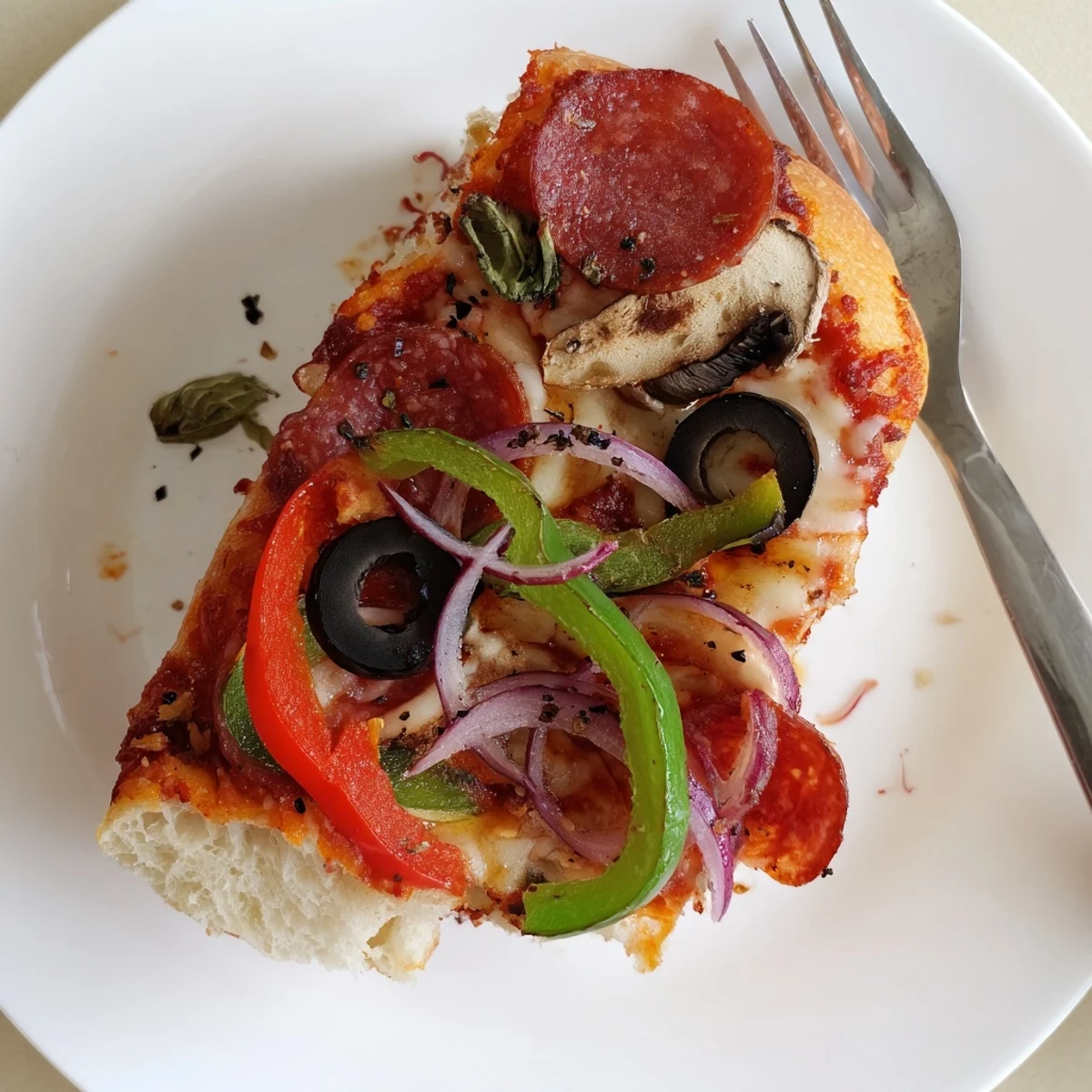
Save This is the kind of recipe that makes people close their eyes on the first bite, and that is really all the reason you need to make it.
Recipe Questions & Answers
- → Why par-bake the focaccia before adding toppings?
-
Par-baking sets the airy crumb and creates a sturdier surface so the sauce and toppings don't sink in. It helps the final bake finish with a crisp edge while keeping the interior soft.
- → How can I prevent a soggy crust?
-
Use a slightly reduced sauce quantity and par-bake the dough. Drizzle oil and dimple the surface to channel moisture, and avoid piling sauce too thickly under the cheese.
- → Can I make the dough ahead of time?
-
Yes. Mix the dough the day before and refrigerate overnight for deeper flavor. Bring back to room temperature and allow a short additional rise before shaping.
- → What vegetarian topping swaps work best?
-
Use plant-based pepperoni or smoked tofu for savory bite. Marinated artichoke hearts, roasted peppers, sun-dried tomatoes or grilled zucchini add texture and bright flavor.
- → How do I get a golden edge without burning toppings?
-
Bake at a high temperature (about 220°C/425°F) and monitor the final minutes. If edges brown too quickly, move the sheet lower or tent loosely with foil until cheese melts.
- → Any tips for stretching the focaccia on a baking sheet?
-
Use well-oiled hands and gentle pressure, stretching from the center outward. Let the dough rest for 10–15 minutes if it resists and avoid overworking to keep the airy texture.