
 Save
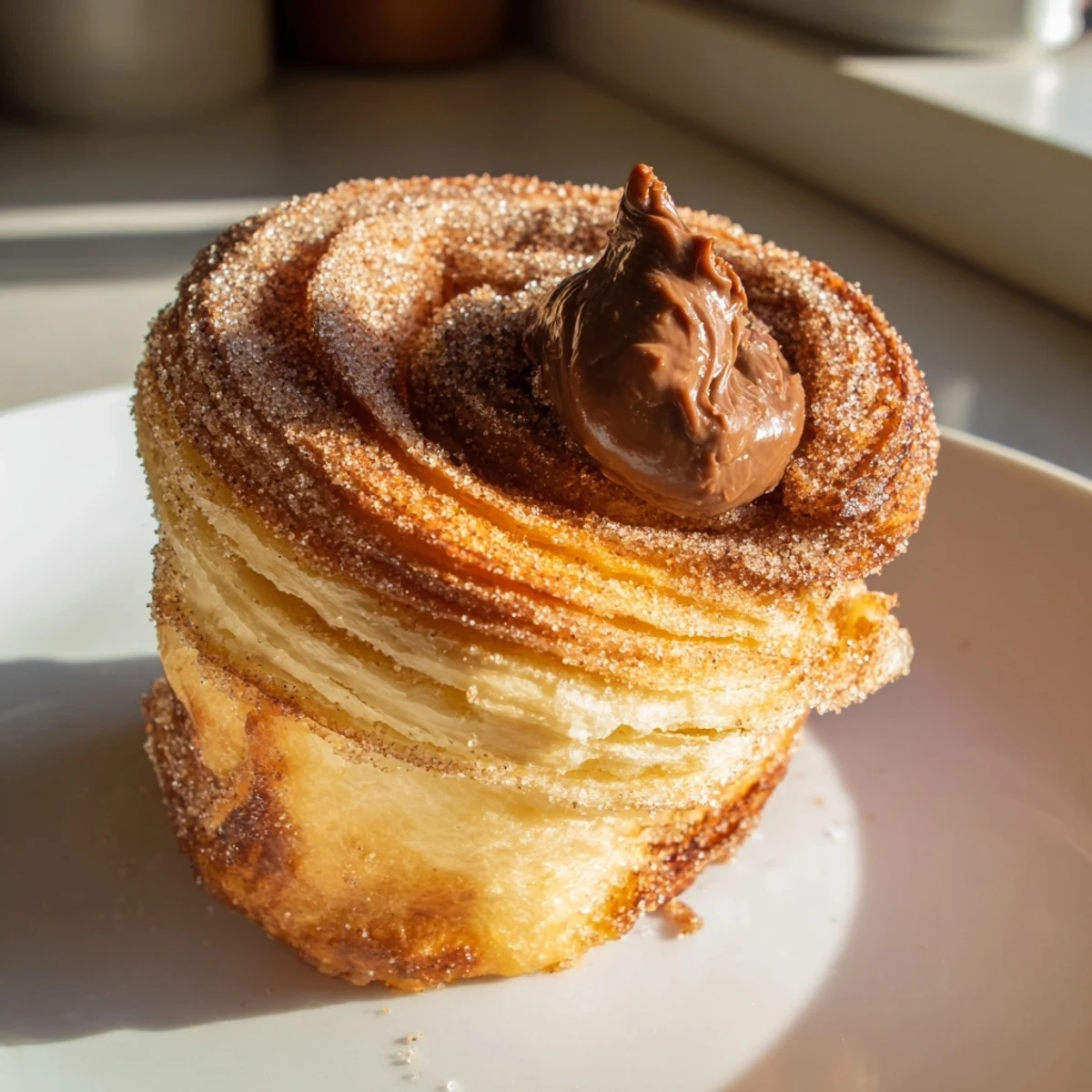
Save Cruffins bring together the best of croissants and muffins in one irresistible pastry. Made with a yeasted dough that's laminated with generous layers of butter, they bake up incredibly flaky and golden in a standard muffin tin.
The dough requires three folds to build those signature layers, and after a final rise, each cruffin bakes for about 20–25 minutes until deeply golden. While still warm, a brush of melted butter and a roll in cinnamon sugar takes them over the top.
Fill them with chocolate spread, fruit preserves, lemon curd, or pastry cream for a truly indulgent treat perfect for weekend brunches or special occasions.
My kitchen counter was dusted white with flour at seven in the morning, and my roommate stood in the doorway holding her coffee mug like a shield against the chaos she was witnessing. I had seen cruffins on a bakery window in London years ago and never stopped thinking about them, so this particular Saturday I finally decided the mystery had gone on long enough. Three hours later we sat on the floor eating twisted golden spirals straight from the cooling rack, distracted by how butter had pooled under the tin and caramelized into something almost illegal. That moment ruined every standard muffin for me permanently.
I brought a batch of these to a Sunday brunch potluck and watched three grown adults hover near the plate, pretending they were not about to reach for a fourth one. The cinnamon sugar ones vanished first, followed closely by the chocolate filled spirals that had oozed dark puddles onto the serving tray. Someone asked me which bakery I had ordered from, and that question alone justified every minute spent laminating dough before sunrise.
Ingredients
- 500 g all purpose flour: You need the protein content here for structure, bread flour fights back too hard and cake flour collapses under the butter layers.
- 60 g granulated sugar: Just enough sweetness in the dough itself without interfering with yeast activity, the real sweetness comes from coatings and fillings.
- 10 g instant dry yeast: Instant yeast eliminates a proofing step and integrates directly into your dry mix without waiting for bubbles.
- 10 g fine sea salt: Salt strengthens gluten strands and balances the butter richness, skip it and your cruffins taste flat and vaguely sad.
- 250 ml warm milk: Body temperature is your target here, too hot kills the yeast and too cold stalls the rise completely.
- 1 large egg: Adds richness and helps bind the dough together into something cohesive and willing to stretch.
- 50 g unsalted butter (softened, for dough): This small amount enriches the base dough while keeping it manageable for rolling.
- 200 g unsalted butter (room temperature, for lamination): This is the heart of the recipe, use European style butter with higher fat content if you can find it because the layers will thank you audibly.
- 100 g sugar mixed with 2 tsp cinnamon (for rolling): A generous bowl of this beside your workstation means you can coat warm cruffins immediately while the butter is still tacky.
- 120 g chocolate spread or 100 g fruit preserves (optional fillings): Apply these sparingly during shaping because too much filling leaks out during baking and burns on the tin.
Instructions
- Build the foundation dough:
- Combine flour, sugar, yeast, and salt in a large bowl, pour in warm milk mixed with the egg, then knead for eight to ten minutes until the dough feels smooth and springs back when poked. Cover with a damp cloth and let it rise in a warm spot for one hour until it has visibly doubled in size.
- Prepare the butter slab:
- Place your lamination butter on a sheet of parchment paper and use your rolling pin to shape it into a twenty by twenty five centimeter rectangle, then refrigerate until firm but still bendable without cracking. This texture is critical because brittle butter tears through dough layers and soft butter seeps out the sides.
- Laminate with patience:
- Roll the risen dough into a forty by thirty centimeter rectangle, set the butter slab across one half, and fold the other half over it like closing a book. Roll gently and fold the whole thing into thirds like a letter, then chill for twenty minutes before repeating this roll and fold sequence two more times with chilling between each round.
- Shape into spirals:
- Roll the laminated dough out once more into a large rectangle and cut it into twelve even strips, spreading a thin layer of your chosen filling along each one if desired. Roll each strip tightly from one end to create a compact spiral, then slice it in half lengthwise to reveal all those gorgeous layers.
- Twist into the tin:
- Take each halved spiral and twist it loosely into a knot with the cut layers facing upward, then nestle it into a generously greased muffin cavity. The loose shaping is intentional because the dough will expand and fill the space during its final rise.
- Let them puff up:
- Cover the tin loosely with a cloth and give the cruffins forty five to sixty minutes in a warm spot until they look swollen and soft to the touch. Press one gently with your fingertip and if the indentation fills back slowly they are ready for the oven.
- Bake to deep gold:
- Preheat your oven to two hundred degrees Celsius and bake for twenty to twenty five minutes, rotating the tin halfway through for even color. You are looking for a deep golden brown that borders on dark at the peaked edges, that is where the flavor lives.
- Finish while warm:
- As soon as they come out of the oven, brush the tops with melted butter and roll them in cinnamon sugar if using, then transfer to a cooling rack before the caramelized bottoms stick permanently. Serve them plain or pipe additional fillings like lemon curd or pastry cream into the centers for maximum indulgence.
 Save
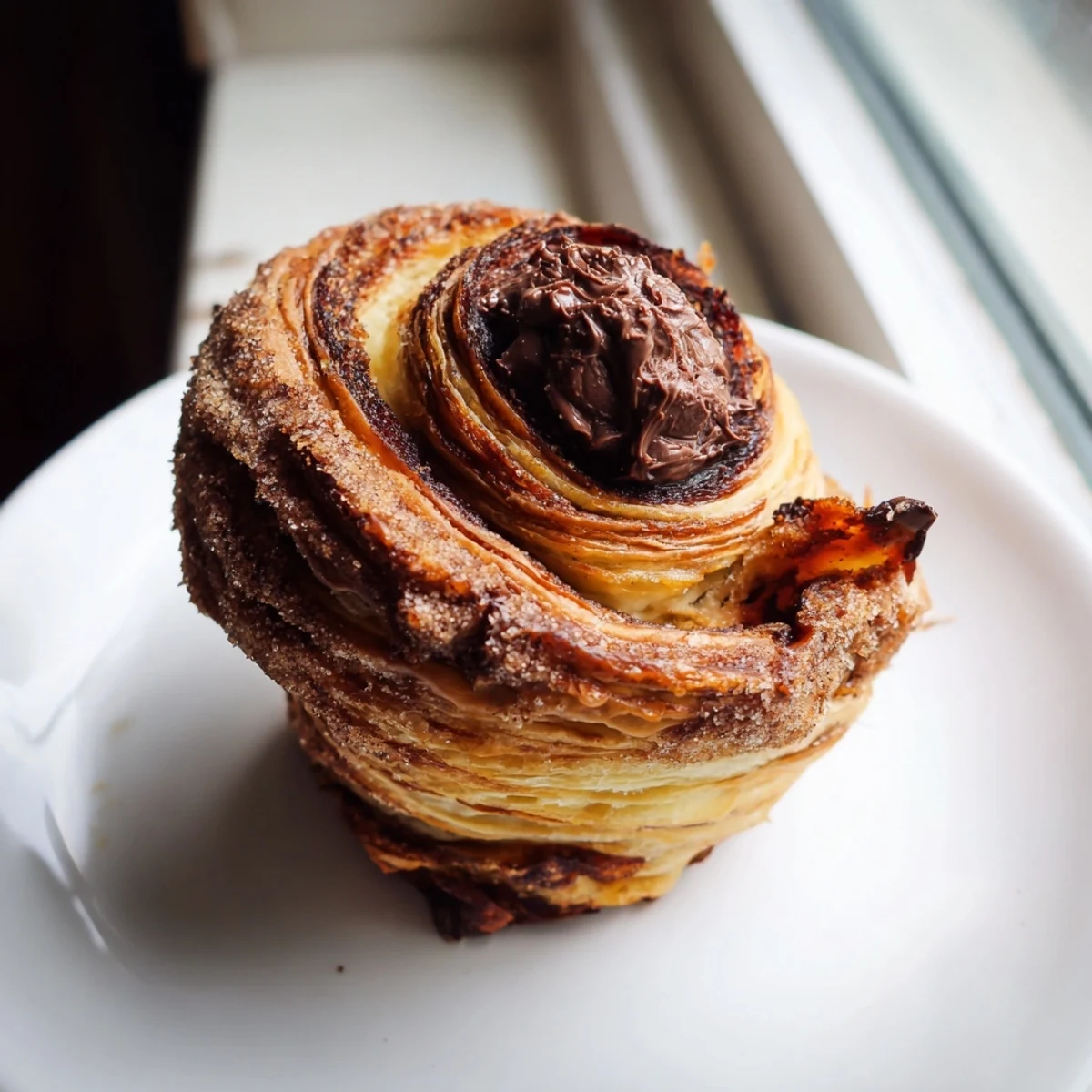
Save There is a specific kind of silence that falls over a kitchen when everyone takes their first bite of something you made from scratch, and cruffins produce that silence more reliably than anything else I bake. The layers pull apart in long delicate ribbons and someone always sighs before reaching for another one.
What I Learned After Dozens of Batches
The temperature of your kitchen affects this dough more dramatically than almost any other pastry I make regularly. In summer I chill my rolling pin and work on a marble slab, while in winter I sometimes need to let the butter slab sit out an extra five minutes before it becomes pliable enough to roll without shattering. Learning to read the butter rather than the clock changed my results entirely.
Pairing Cruffins Beyond Coffee
While coffee is the obvious companion, these pastries also shine alongside a cold glass of milk, a cup of Earl Grey tea, or even a glass of sparkling wine if you are serving them at a brunch gathering. The richness of the butter layers actually responds beautifully to something with acidity or effervescence to cut through.
Making Them Your Own
The basic cruffin technique becomes a canvas once you feel confident with the lamination process. Think of the dough as a vehicle for whatever flavors you are craving.
- Pistachio paste swirled inside and crushed pistachios on top makes them taste like something from a Milanese pastry case.
- Raspberry jam with a light lemon glaze drizzled over the finished cruffins turns them bright and tangy.
- A dollop of salted caramel inside each spiral before baking creates a gooey center that nobody expects.
 Save
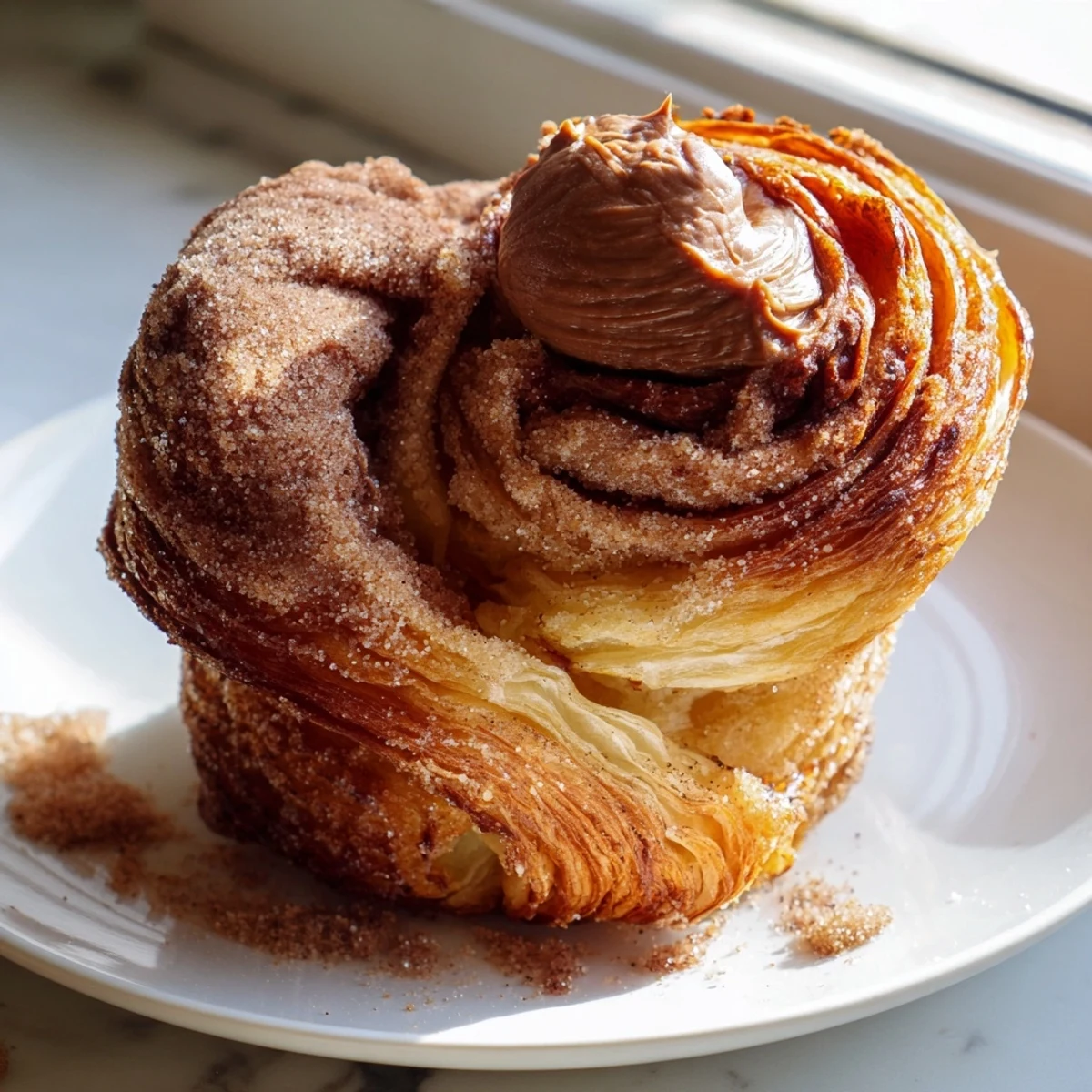
Save Cruffins ask for your time and your attention, but they give back something that makes people close their eyes when they eat. That is worth every layer, every fold, and every flour dusted minute of your morning.
Recipe Questions & Answers
- → What is a cruffin?
-
A cruffin is a hybrid pastry that combines the flaky, buttery layers of a croissant with the shape and convenience of a muffin. The laminated dough is rolled, cut, twisted, and baked in a muffin tin to create tall, golden spirals with crisp exteriors and tender interiors.
- → Can I make cruffins ahead of time?
-
Cruffins are best enjoyed the same day they are baked, when the layers are at their crispiest. You can prepare the dough and complete the lamination the day before, then shape and bake fresh in the morning. Leftovers can be gently reheated in a warm oven to restore some flakiness.
- → Why is my cruffin dough not rising properly?
-
Ensure your yeast is fresh and that the warm milk is between 35–40°C (95–105°F) — too hot will kill the yeast, too cool won't activate it. Also verify the dough is rising in a warm, draft-free environment. Cold kitchens may require a longer rise time, sometimes up to 90 minutes for the first proof.
- → What fillings work best for cruffins?
-
Chocolate spread, fruit preserves, lemon curd, Nutella, and pastry cream are all excellent choices. Pistachio paste, raspberry jam, and salted caramel also work beautifully. Spread fillings thinly on the dough strips before rolling to prevent overflow during baking.
- → How do I get distinct flaky layers in my cruffins?
-
The key is proper lamination — keeping the butter cold but pliable during each fold. Chill the dough for 20 minutes between each of the three fold-and-roll cycles. Use high-quality unsalted butter with at least 82% fat content for the best layer separation and flavor.
- → Can I freeze unbaked cruffin dough?
-
Yes, you can freeze the shaped cruffins after the final shaping step. Place them in the muffin tin, freeze until solid, then transfer to an airtight container. When ready to bake, thaw them in the fridge overnight, allow them to come to room temperature and rise until puffy, then bake as directed.