
 Save
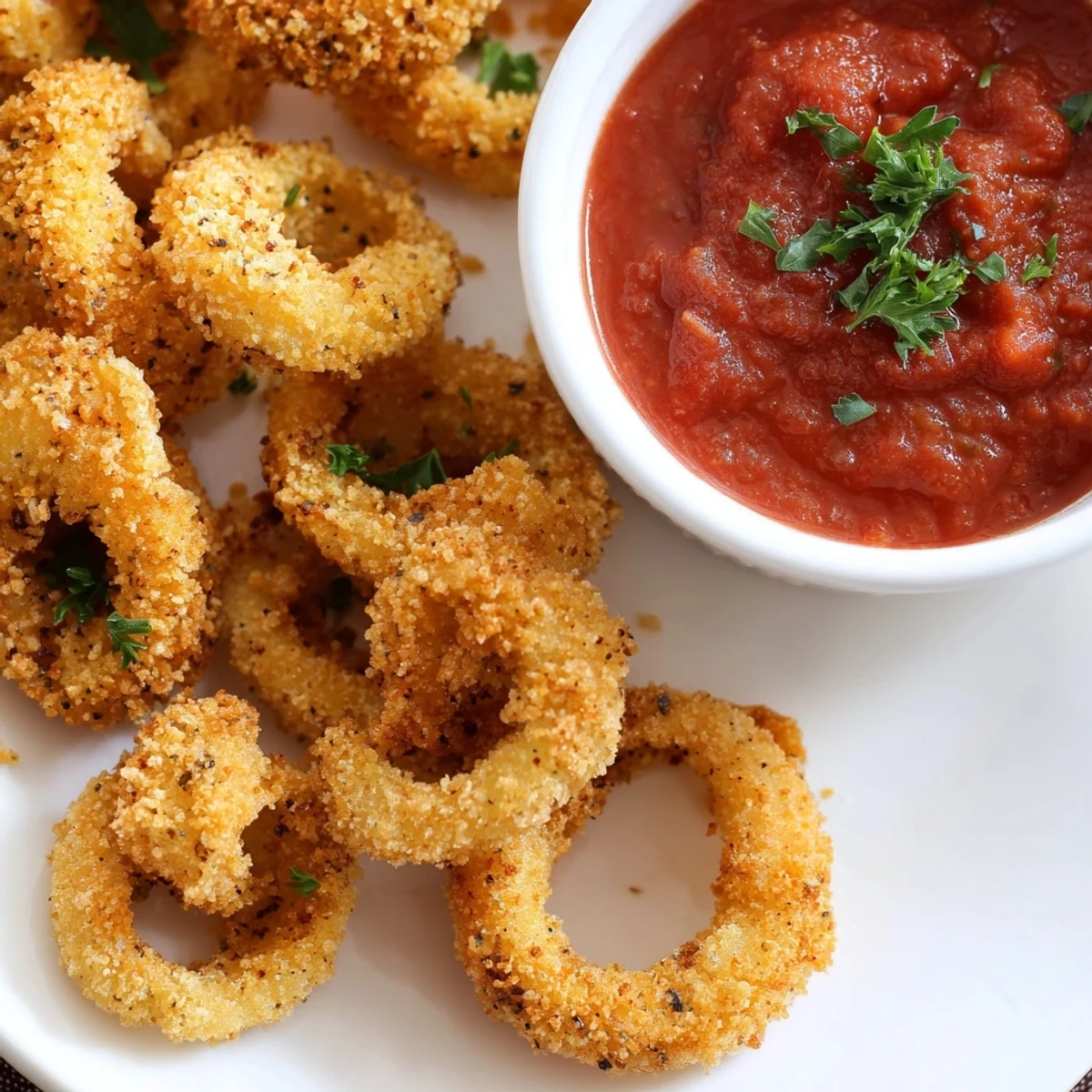
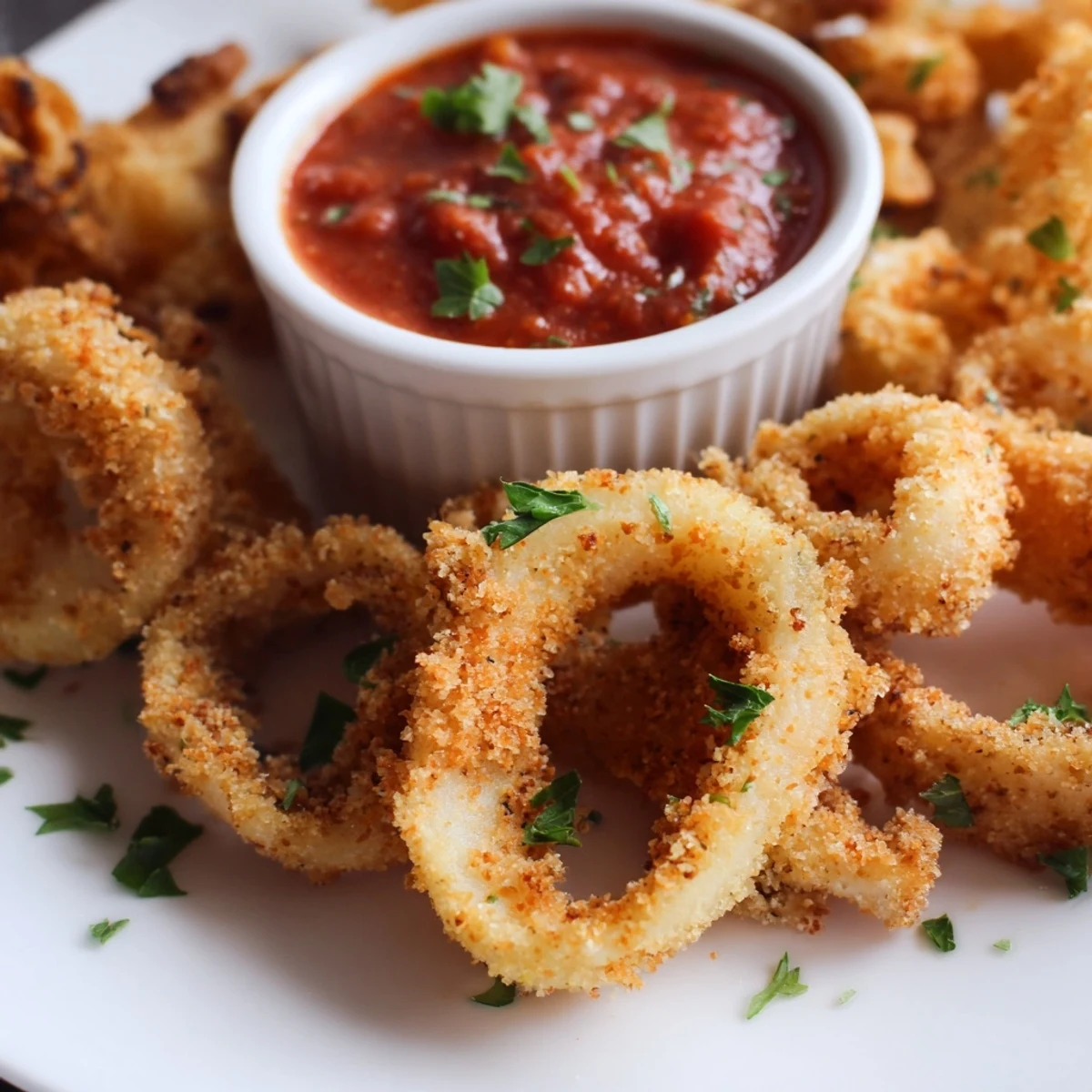
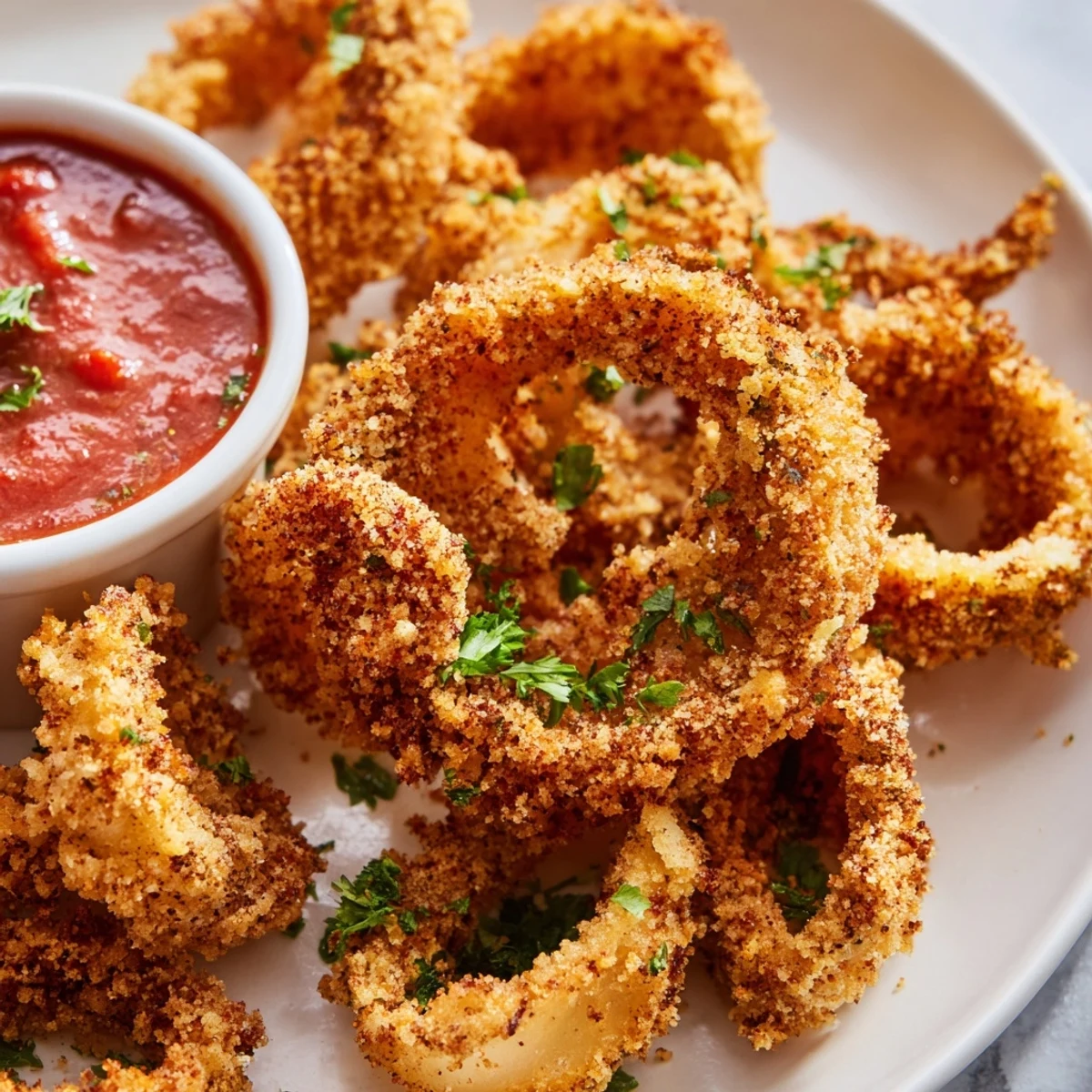
Save This dish features tender calamari rings soaked in buttermilk, coated in a spiced flour and cornmeal mix, and fried until crispy golden. The accompanying warm marinara sauce is made with crushed tomatoes, garlic, oregano, basil, and a touch of sugar, bringing a zesty, savory balance. Garnished with parsley and lemon wedges, it offers a delightful blend of textures and flavors ideal for sharing or starting a meal with a light, Mediterranean touch.
The first time I made crispy calamari at home, I was chasing a memory of a small trattoria in Rome where the kitchen smelled like garlic and hot oil. I'd watched the cook toss the rings in buttermilk with such casual confidence that I assumed it was impossible to replicate—until I tried it myself on a quiet Tuesday evening and realized how wrong I was. That first batch came out impossibly golden, and my partner stood at the stove eating them straight from the paper towels, too impatient to wait for the marinara sauce to cool. Now this dish is my go-to when I want to feel like I'm cooking something restaurant-worthy without the stress.
I learned this recipe the way many good dishes reveal themselves—through a happy accident at a dinner party. A friend brought fresh calamari from the fishmonger, challenging me to do something interesting with it, and I'd nervously assembled what became our go-to appetizer for every gathering since. Now when people ask for it by name before they even sit down, I know I've stumbled onto something worth keeping close.
Ingredients
- Fresh calamari, cleaned and cut into 1 cm rings (500 g): Quality matters here—ask your fishmonger to clean it for you, which saves time and reduces the fishy smell in your kitchen. The thickness of your rings affects cooking time, so keep them uniform.
- Buttermilk (120 ml): This is your secret weapon for tenderness; the lactic acid gently breaks down the proteins, turning what could be rubbery into silky. If you don't have buttermilk, whisk regular milk with a splash of lemon juice and let it sit for five minutes.
- All-purpose flour (120 g) and cornmeal (60 g): The combination of flour and cornmeal creates a textured crust that fries up crispier than flour alone. The cornmeal adds both crunch and subtle flavor.
- Paprika, garlic powder, and cayenne pepper: These seasonings live in the breading, so they toast slightly as the calamari fries, building depth—don't skip the paprika, even if heat isn't your thing, because it brings a gentle warmth and color.
- Vegetable oil for frying (750 ml): Use neutral oil with a high smoke point; temperature control is everything, and the right oil lets you achieve golden results without greasiness.
- Canned crushed tomatoes (400 g), olive oil, garlic, oregano, and basil: These form the backbone of your sauce—the simplicity is intentional, letting each ingredient shine without competing flavors.
Instructions
- Prepare the calamari:
- Toss your calamari rings with buttermilk, salt, and pepper, then cover and slide into the refrigerator for 15 minutes. This isn't just timing—you're giving the buttermilk time to work its tenderizing magic, so don't skip this step even if you're in a hurry.
- Mix your breading:
- In a shallow dish, whisk together flour, cornmeal, paprika, garlic powder, and cayenne pepper. Keep this close to your frying station so you're not fumbling around while hot oil waits.
- Heat your oil to temperature:
- Fill your deep skillet or heavy pot with vegetable oil and bring it to 180°C (350°F)—use a thermometer if you have one, because guessing leads to either pale, greasy calamari or burnt exteriors with cold centers. You'll know it's ready when a tiny piece of bread sizzles immediately on contact.
- Build your marinara while waiting:
- Heat olive oil in a separate saucepan over medium heat, then add minced garlic and let it soften for just 30 seconds—any longer and it turns bitter. Add crushed tomatoes, oregano, basil, sugar, salt, and pepper, then let it simmer uncovered for 10 to 12 minutes, stirring occasionally, until it darkens slightly and smells alive with flavor.
- Bread and fry in batches:
- Remove calamari from buttermilk one piece at a time, let excess drip off, then dredge thoroughly in the flour mixture—don't rush this step, because even coverage gives you that golden, uniform crust. Working in batches so you don't crowd the pan, carefully slide the rings into hot oil and fry for 1½ to 2 minutes until they turn golden and crisp, then lift them out with a slotted spoon and drain on paper towels.
- Serve immediately:
- Transfer calamari to a warm plate, pour marinara into a bowl for dipping, and garnish with fresh parsley and lemon wedges if you have them. The calamari is best eaten right away while the crust still snaps.
 Save
Save There's a moment, usually around the second batch, when someone sidles up to the stove and realizes that restaurant food isn't some locked mystery—it's just butter, technique, and the willingness to get a little oil splatter on your shirt. That's when this dish stops being appetizer and becomes a small reminder that the best food tastes better when you make it yourself.
The Buttermilk Question
Buttermilk gets mystified in cooking, but what it actually does is simple: the acidity tenderizes the calamari without any of the cinnamon or vinegar tang that other methods leave behind. If your fishmonger's calamari looks particularly thick or tough, soak it for a full hour instead of 15 minutes—I've done this before big dinner parties and the difference is worth the planning. The longer soak never makes the calamari mushy; it only makes it more forgiving.
Why the Cornmeal Matters
Pure flour breading fries up soft and pale, which defeats the purpose—you want that audible crunch that announces you're about to bite into something good. The cornmeal adds both structural crispness and a subtle, almost sweet undertone that plays beautifully against the briny calamari and tangy marinara. Some people get nervous about the cornmeal ratio, but trust it; it's been tested across dozens of batches and this balance is the sweet spot.
Temperature, Batching, and the Final Moment
The most common mistake I see is overcrowding the pan, which drops oil temperature and turns your calamari into oil-logged softness instead of crispy treasure. Work in small batches—maybe five or six rings per batch—and let the oil recover between batches, which takes just a minute. Your eyes and ears will tell you everything: the sizzle should be confident, not angry; the color should deepen from pale to golden to deep amber in about 90 seconds.
- If you have a spider strainer or small mesh skimmer, use it to fish out any stray flour bits between batches so they don't burn and bitter the oil.
- Keep a small bowl of the breading mixture nearby to taste for seasoning before you fry—it's your last chance to adjust the flavor.
- Serve everything on warm plates; cold plates and cold calamari are a sad combination.
 Save
Save This is the kind of dish that makes home cooking feel like an adventure instead of a chore, and once you nail it, you'll find yourself making it again and again for anyone who walks through your kitchen door. It's simple enough for a weeknight but fancy enough to feel like a gift.
Recipe Questions & Answers
- → How do I ensure the calamari is tender?
-
Soaking the calamari rings in buttermilk for at least 15 minutes helps tenderize them before coating and frying.
- → What oil is best for frying calamari?
-
Vegetable oil with a high smoke point works well to achieve a crisp, golden crust without burning.
- → Can I adjust the spice level in the breading?
-
Yes, cayenne pepper is optional and can be adjusted or omitted to control the heat.
- → How thick should the calamari rings be cut?
-
Cut the calamari into approximately 1 cm rings for even cooking and crispy texture.
- → What is the best way to serve this dish?
-
Serve immediately after frying with warm marinara sauce, garnished with fresh parsley and lemon wedges to brighten flavors.
- → Can the marinara sauce be made ahead of time?
-
Yes, the sauce can be prepared in advance and gently reheated before serving.