
 Save
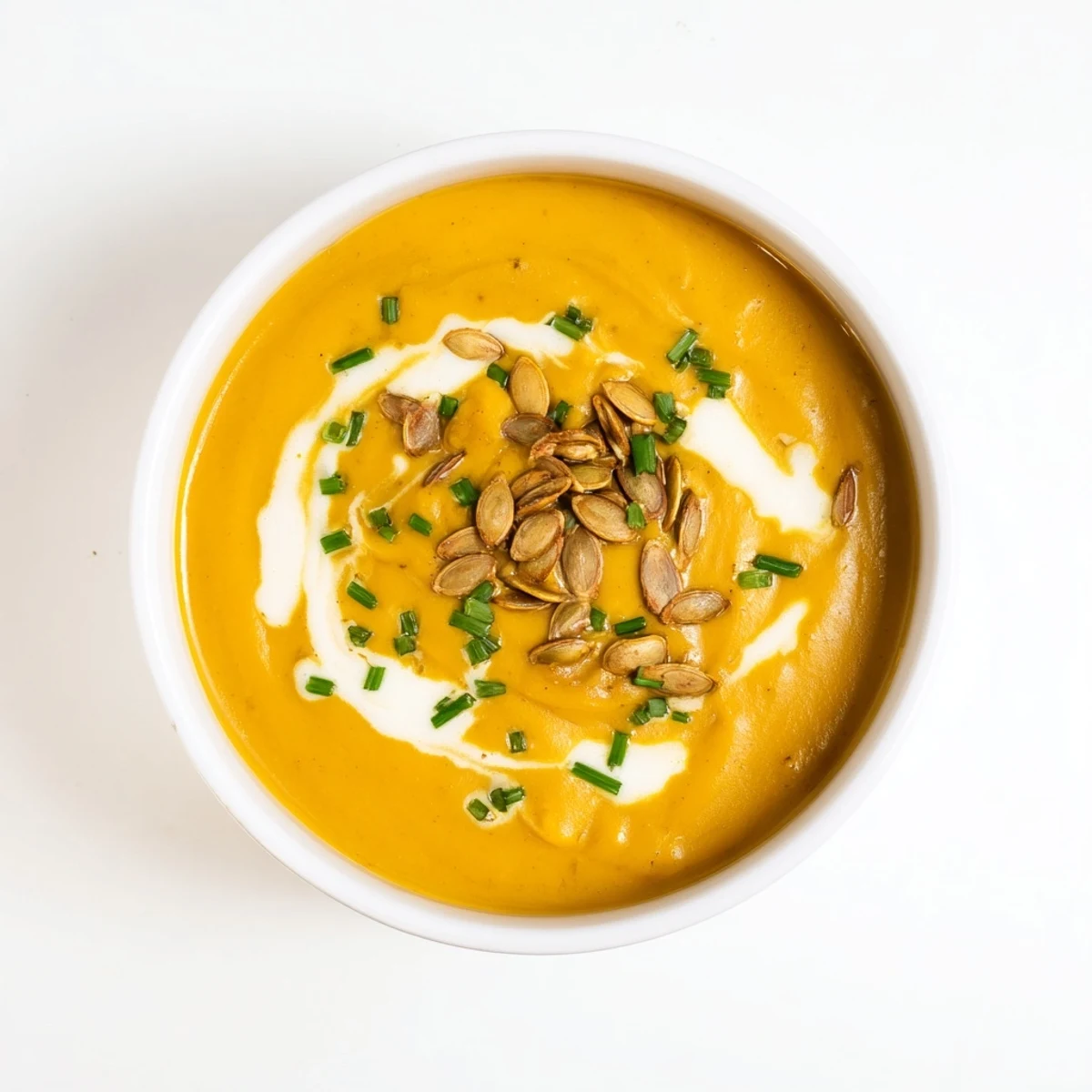
Save This velvety pumpkin soup combines roasted pumpkin cubes with sautéed onion, carrot, celery, and garlic, simmered in vegetable broth for a rich flavor. A hint of nutmeg and cinnamon adds warmth while cream smooths the texture. Roasting the pumpkin caramelizes its natural sugars for deeper taste. Garnished with toasted pumpkin seeds and fresh herbs, it offers a comforting bowl ideal for cooler days. Whether using dairy or coconut cream, this silky soup is easy to prepare and delightful for a nourishing meal.
I still remember the crisp October afternoon when my neighbor brought over a basket of fresh pumpkins from their farm. Standing in my kitchen with one of those perfect gourds, I was determined to create something that would capture that golden warmth in a bowl. That first batch of creamy pumpkin soup was a revelation—the kind of dish that makes you understand why autumn has a flavor all its own. Now, whenever the leaves start to turn, this is the soup that calls to me.
I made this soup for my daughter's first day back at school, and she came home that afternoon, hung her coat, and just stopped in the kitchen. That aroma—nutmeg, cinnamon, roasted pumpkin—filled the whole house. She had a bowl still steaming, and for the first time all week, she relaxed completely. That's when I knew this recipe had become more than just dinner.
Ingredients
- Pumpkin (1 kg or 2.2 lbs), peeled, seeded, and cubed: Roasting brings out the natural sweetness—this is your soup's foundation, so choose a sugar pumpkin if you can find one, not the jack-o-lantern variety.
- Onion (1 medium), chopped: The aromatics are what make this soup sing. Don't skip the slow sauté; it coaxes out all the savory depth.
- Garlic (2 cloves), minced: A whisper of garlic, not a shout. Add it after the softer vegetables so it doesn't burn and turn bitter.
- Carrot (1 medium), peeled and sliced: Adds subtle sweetness and helps brighten the earthiness of the pumpkin.
- Celery stalk (1), sliced: This quiet ingredient is your secret—it adds body and complexity without being obvious.
- Vegetable broth (750 ml or 3 cups): Use good quality broth; it makes the difference between adequate and extraordinary.
- Water (250 ml or 1 cup): Balances the intensity of the broth.
- Heavy cream (120 ml or ½ cup): Or coconut cream for a dairy-free version—this is what makes it velvety and luxurious.
- Olive oil (2 tbsp): Divided between roasting and sautéing; it's the fat that carries all the flavor.
- Ground nutmeg (½ tsp): Warm and intimate; this spice is what makes people ask, 'What is that perfect flavor?'
- Ground cinnamon (½ tsp): Just enough to remind you it's autumn.
- Salt and black pepper, to taste: Taste as you go—seasoning is personal, and this soup will tell you what it needs.
Instructions
- Start with the oven and get that pumpkin golden:
- Preheat your oven to 200°C (400°F). Toss your pumpkin cubes with 1 tablespoon of olive oil, a pinch of salt, and pepper. Spread them on a baking sheet in a single layer—don't crowd them. This is crucial: let them roast for 20 to 25 minutes until they're fork-tender and the edges are just beginning to caramelize. You'll notice the kitchen starting to smell sweet and toasty. That's the pumpkin's natural sugars coming alive.
- Build your aromatic base in the pot:
- While the pumpkin roasts, heat the remaining tablespoon of olive oil in a large pot over medium heat. Add your chopped onion, carrot, and celery. Listen for that gentle sizzle, then stir occasionally. After about 5 minutes, the vegetables will soften and become fragrant. Now add your minced garlic and cook for just 1 minute more—you want it tender and sweet, not harsh.
- Bring everything together:
- Add your roasted pumpkin to the pot, along with the vegetable broth and water. Bring it to a boil, watching as the liquid turns a beautiful warm orange color. Once it's boiling, reduce the heat and let it simmer uncovered for 10 minutes. This gentle time allows the flavors to meld and deepen.
- Season and then blend:
- Stir in the nutmeg and cinnamon. Feel the warmth rising from the pot, smell those spices opening up. Remove from heat. Now comes the transformation: using an immersion blender, gently puree the soup until it's silky smooth. If you don't have an immersion blender, carefully transfer the soup in batches to a standard blender—be cautious with the heat. The soup should be entirely smooth with no chunks remaining.
- Finish it with cream:
- Pour in the heavy cream and stir gently. Taste a spoonful. Now is the moment to adjust: a bit more salt? A crack of pepper? Trust your palate. This is your soup, and it should taste exactly how you want it.
- Serve with intention:
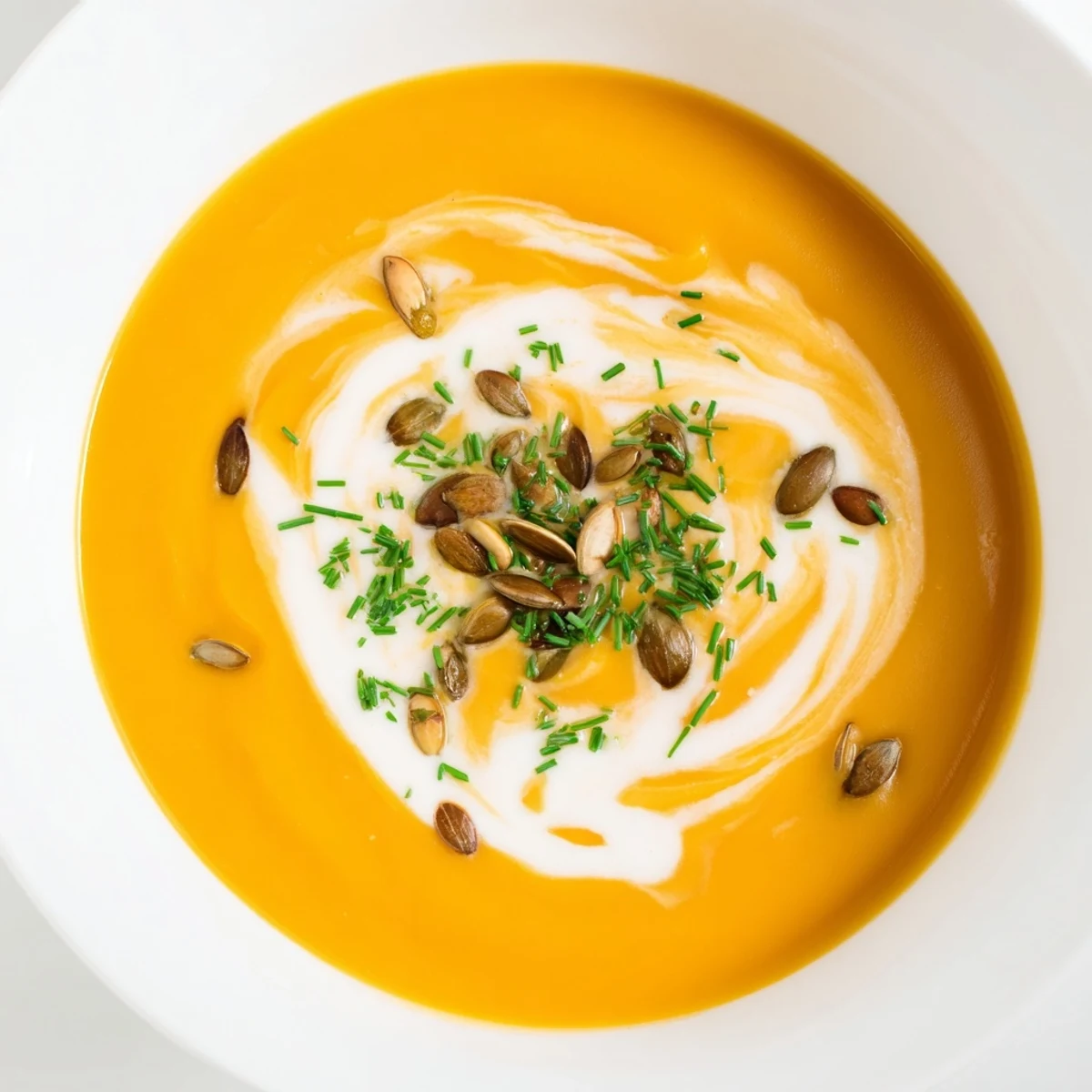
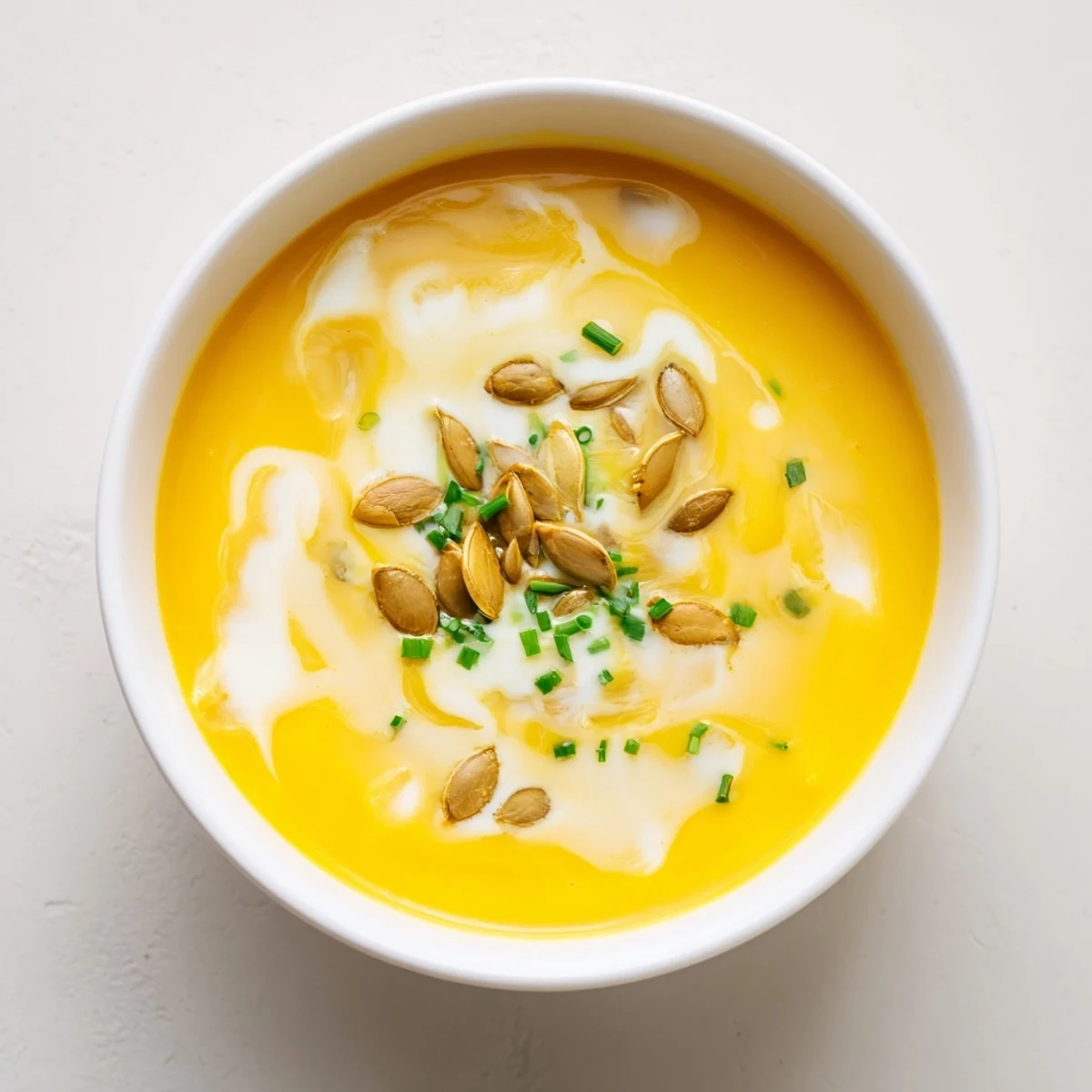
- Ladle the soup into bowls and top with toasted pumpkin seeds for crunch, a scatter of fresh chives or parsley for color, and if you're feeling indulgent, a delicate swirl of extra cream on top. Serve immediately while it's still steaming.
 Save
Save Years later, I found out that my daughter had been sharing bowls of this soup with her new friends at school, telling them her mom made it from scratch. That simple act of sharing turned this recipe into something I'm genuinely proud of—not because it's complicated, but because it's honest.
Why Roasting Changes Everything
There's a kitchen lesson I learned while developing this recipe: heat transforms, not just cooks. When you roast pumpkin instead of boiling it, you're allowing the natural sugars to concentrate and caramelize slightly. The edges develop a subtle char that adds depth and complexity. It's the difference between a pumpkin soup that tastes like pumpkin, and one that tastes like autumn itself. I tried both methods back-to-back one Sunday, and the roasted version won by a landslide. My family didn't even want to finish the boiled version.
Making It Your Own
This is a soup that welcomes improvisation. I've made it with brown butter instead of olive oil (divine, by the way). I've added a touch of maple syrup for extra depth. I've stirred in crispy sage at the last moment, or topped it with croutons for texture. The beautiful thing about this base recipe is that it's flexible enough to adapt to what you have on hand or what your mood calls for. It's the kind of soup that gets better each time you make it, because you learn its personality and make it more yourself.
Storing and Reheating
This soup keeps beautifully in the refrigerator for up to four days in an airtight container. The flavors actually deepen overnight. When you're ready to reheat, do it gently over low heat, stirring occasionally—pumpkin soups can catch and scorch if the heat is too high. If the soup thickens as it sits (which it might), thin it with a splash of broth or water until it's back to your preferred consistency. You can also freeze this soup for up to three months; just leave some room at the top of your container for expansion.
- Reheat on the stovetop rather than the microwave for the best texture and flavor.
- If freezing, consider adding the cream after thawing and reheating, rather than before freezing.
- Make a double batch and tuck half into the freezer—you'll be grateful on a busy weeknight.
 Save
Save This soup has become my love letter to autumn, the season when cooking feels purposeful and food tastes like comfort. I hope it becomes that for you too.