
 Save
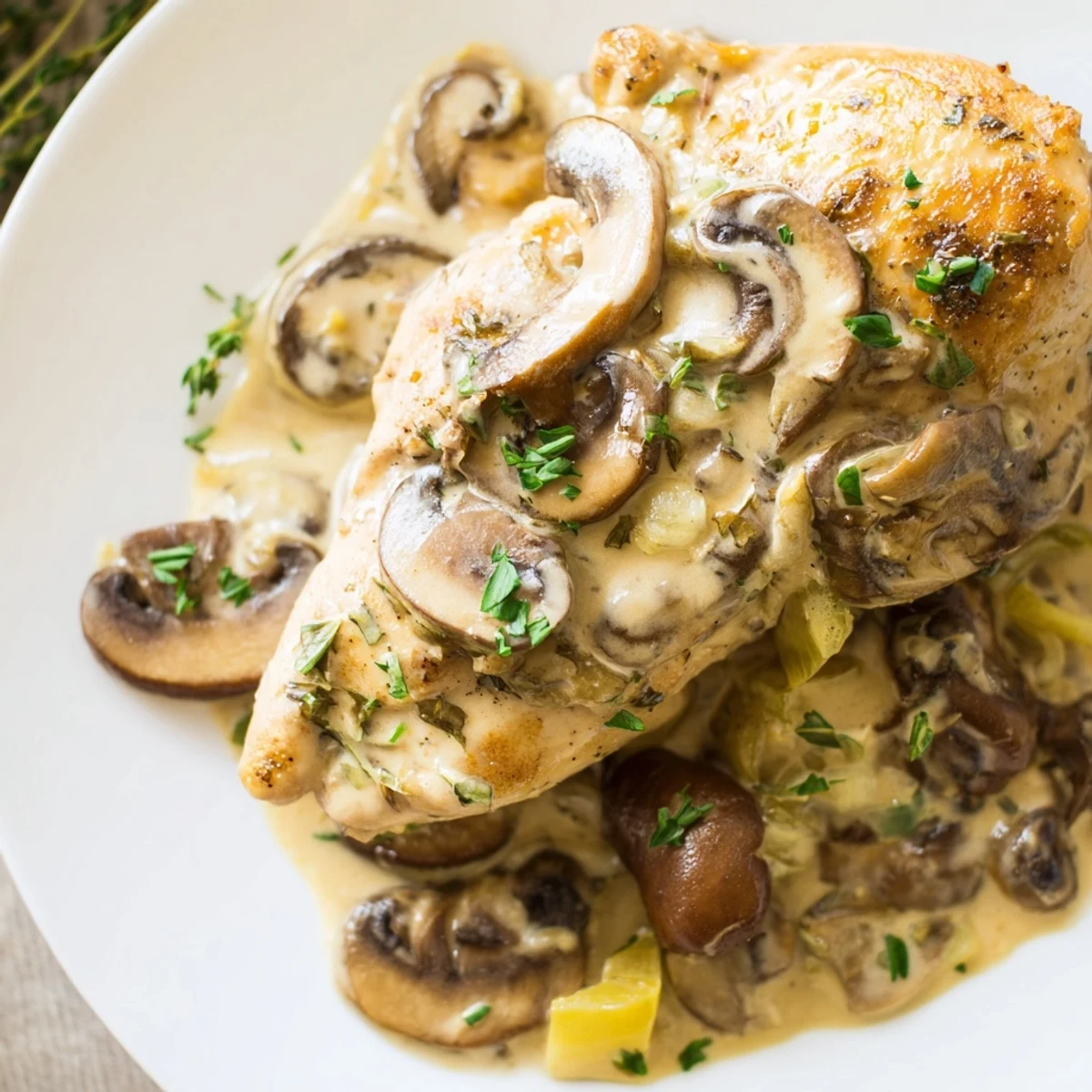
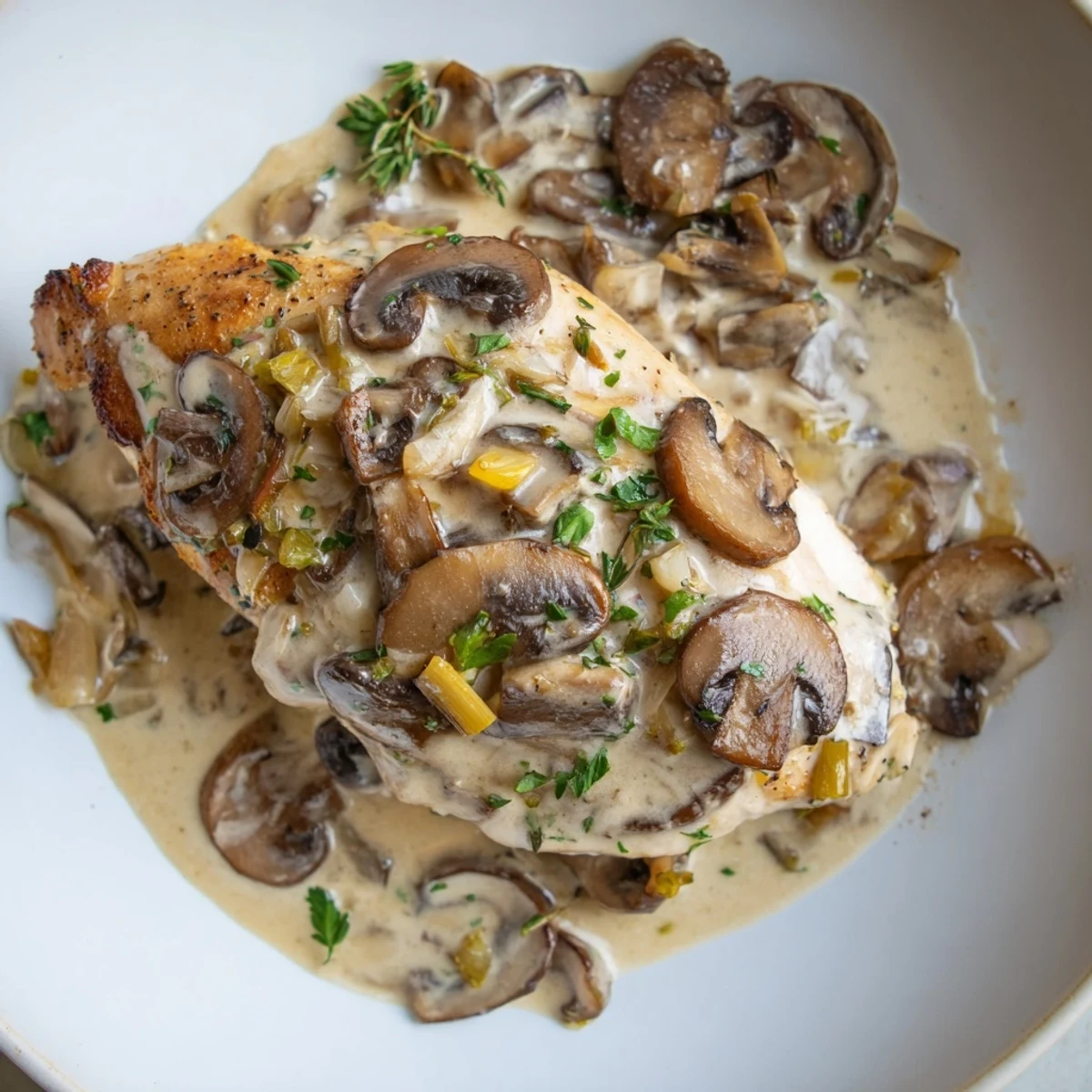
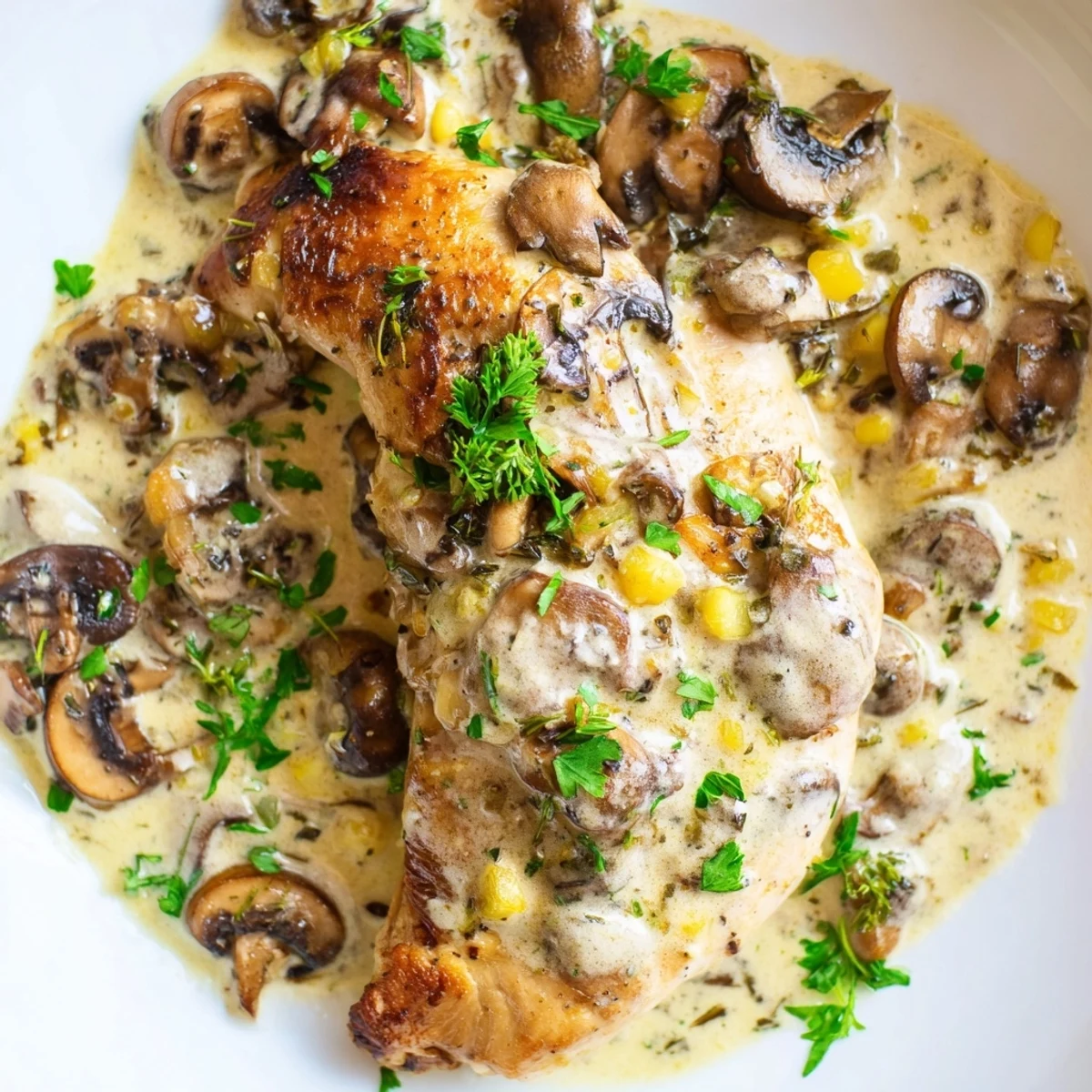
Save This dish features tender chicken breasts seared to golden perfection, then simmered in a luscious creamy mushroom sauce enriched with thyme, Dijon mustard, and Parmesan cheese. The mushrooms and garlic provide robust flavor, while fresh parsley adds a bright finish. Prepared entirely in one skillet, this meal balances savory and creamy elements for a comforting, easy-to-make dinner perfect with rice, pasta, or crusty bread.
One Tuesday evening, I was staring at a pile of mushrooms from the farmers market and a couple of chicken breasts, wondering what could pull dinner together in less than an hour. I remembered a creamy sauce my mom made years ago, but hers took forever. I decided to throw everything into one skillet and just... see what happened. Thirty minutes later, I had something so rich and comforting that my partner asked for seconds before I'd even sat down. That night, I learned that sometimes the best meals come from standing in front of the stove with no real plan, just good instincts and cream.
I made this for my sister and her husband on their first night back in the city after moving away, and I watched them both slow down mid-bite like they were remembering something good. That's when I realized this dish does more than feed you—it settles you. The smell of mushrooms and thyme filling your kitchen is its own kind of comfort, the kind that tells everyone at your table that someone cared enough to cook something real.
Ingredients
- Boneless, skinless chicken breasts (4): Pat them dry before seasoning so they'll get a golden crust instead of steaming. If they're thick, gently pound them to an even thickness so they cook evenly.
- Salt and black pepper: Don't skip seasoning the raw chicken—it flavors the meat itself, not just the surface.
- Olive oil (2 tablespoons): Use something you don't mind heating; this just needs to be hot enough to sear without burning.
- Cremini or white mushrooms, sliced (250 g): The slicing matters more than the type—thinner pieces brown better and release their water faster, which concentrates their flavor.
- Yellow onion, finely chopped (1 small): Dice it small so it softens into the sauce rather than leaving big chunks.
- Garlic, minced (3 cloves): Add it after the onion or it'll burn and taste bitter while the onion is still cooking.
- Chicken broth (180 ml): Use something with body—a good broth will enrich the sauce far more than water ever could.
- Heavy cream (180 ml): This is what makes the sauce silky, but don't skip the broth; cream alone tastes flat and one-dimensional.
- Fresh thyme (2 teaspoons) or dried thyme (1 teaspoon): Fresh thyme tastes brighter and more alive, but dried works perfectly fine and is actually what I usually have on hand.
- Dijon mustard (1 tablespoon): This sounds like it might be weird, but it's barely noticeable—it just adds a subtle sharpness that makes the whole sauce taste more complex.
- Parmesan cheese, grated (2 tablespoons, optional): Use the good stuff if you have it; it adds a salty depth that feels almost luxurious.
- Fresh parsley, chopped (2 tablespoons): The green on top looks beautiful and adds a fresh brightness right at the end.
Instructions
- Season and sear the chicken:
- Sprinkle salt and pepper on both sides of each breast, then get your skillet hot with the oil until it shimmers. Lay the chicken down gently and let it sit for 4 to 5 minutes without moving it—this is how you get that golden crust that makes everything taste better. Flip and cook the other side until golden, then set it aside on a plate.
- Build the flavor base:
- In that same skillet, add the onion and let it soften and turn translucent, stirring now and then for 2 or 3 minutes. Add the garlic and cook just until fragrant, maybe 30 seconds, then throw in the mushrooms all at once and let them brown.
- Let the mushrooms do their thing:
- They'll release water and look a bit soupy at first, but keep cooking until that liquid evaporates and they start to caramelize and smell almost nutty, about 5 minutes. This step is the difference between watery and deeply flavored.
- Deglaze and build the sauce:
- Pour in the chicken broth and use your wooden spoon to scrape up all those brown crusty bits stuck to the bottom of the pan—that's pure flavor. Stir in the cream, thyme, mustard, and Parmesan if you're using it, and let everything come together.
- Finish cooking the chicken:
- Nestle the chicken back into the skillet, cover it, and turn the heat down to low or medium-low. Let it simmer gently for 10 to 12 minutes until the chicken is cooked through and no longer pink inside. The sauce will thicken as it sits and cools slightly.
- Taste and finish:
- Remove from heat and sprinkle the fresh parsley over top. Taste it—if you want it richer, add a bit more cream; if you want it sharper, squeeze in some lemon juice or add a tiny pinch more mustard.
 Save
Save My favorite memory of this dish isn't actually about the food at all—it's about my daughter, who was maybe seven at the time, asking if she could help stir the cream into the sauce. Her face was completely serious, like she was doing something important and scientific, and I realized she was watching how I cooked, learning that this wasn't magic, just paying attention and doing things with care.
Why This Works as a One-Skillet Meal
The magic of one-skillet cooking isn't just convenience—it's that every layer of flavor builds on top of the last one. The chicken browns and seasons the oil, then the mushrooms and onions pick up those drippings, the cream absorbs all of that depth, and everything finishes cooking in that accumulated richness. It's the opposite of cooking separate components and hoping they taste good together. Here, they're speaking the same language by the end.
The Mushroom Question
I used to think all mushrooms were basically the same, just different sizes. Then I realized that cremini and white mushrooms actually have slightly different flavor profiles—creminis are deeper and earthier, whites are a bit more mild. For this dish, either works beautifully, but if you can find them, creminis add something almost meaty to the sauce. If you have time, slice them the night before and let them sit uncovered in the fridge; they'll lose some moisture and concentrate their flavor even more.
What to Serve It With and Other Smart Moves
I've served this over egg noodles, buttered rice, mashed potatoes, and thick slices of toasted bread, and it's never been wrong. My actual move is to make it with a simple green salad on the side—something bright and acidic cuts through the richness and makes you feel like you ate vegetables. If you want to add white wine like the notes suggest, splash in a quarter cup with the broth, but honestly, the mustard and thyme do most of that work for you.
- Leftovers actually taste better the next day when the flavors have had time to marry together, so make a double batch without guilt.
- If you're feeding picky eaters, skip the thyme and mustard and let them taste a cleaner version first, then adjust your own bowl.
- This is one of those dishes that's elegant enough for a date night dinner but casual enough for a regular Tuesday, which might be its best quality.
 Save
Save This recipe taught me that comfort food doesn't have to be complicated—it just has to be made with attention and served with warmth. Make this when you need to feel like everything's going to be okay.
Recipe Questions & Answers
- → Can I use chicken thighs instead of breasts?
-
Yes, chicken thighs can be used for a juicier, more flavorful result. Adjust cooking time accordingly.
- → Is it possible to make this dish gluten-free?
-
Use gluten-free chicken broth and verify that mustard is gluten-free to keep the dish suitable for gluten-sensitive diets.
- → What can I substitute for heavy cream?
-
Half-and-half or full-fat milk can be used for a lighter sauce, though it may be less rich and creamy.
- → How should I serve this dish?
-
This skillet meal pairs well with rice, pasta, or crusty bread to soak up the flavorful sauce.
- → Can I add wine to the sauce?
-
Yes, adding a splash of white wine with the broth enhances depth and flavor in the sauce.