 Save
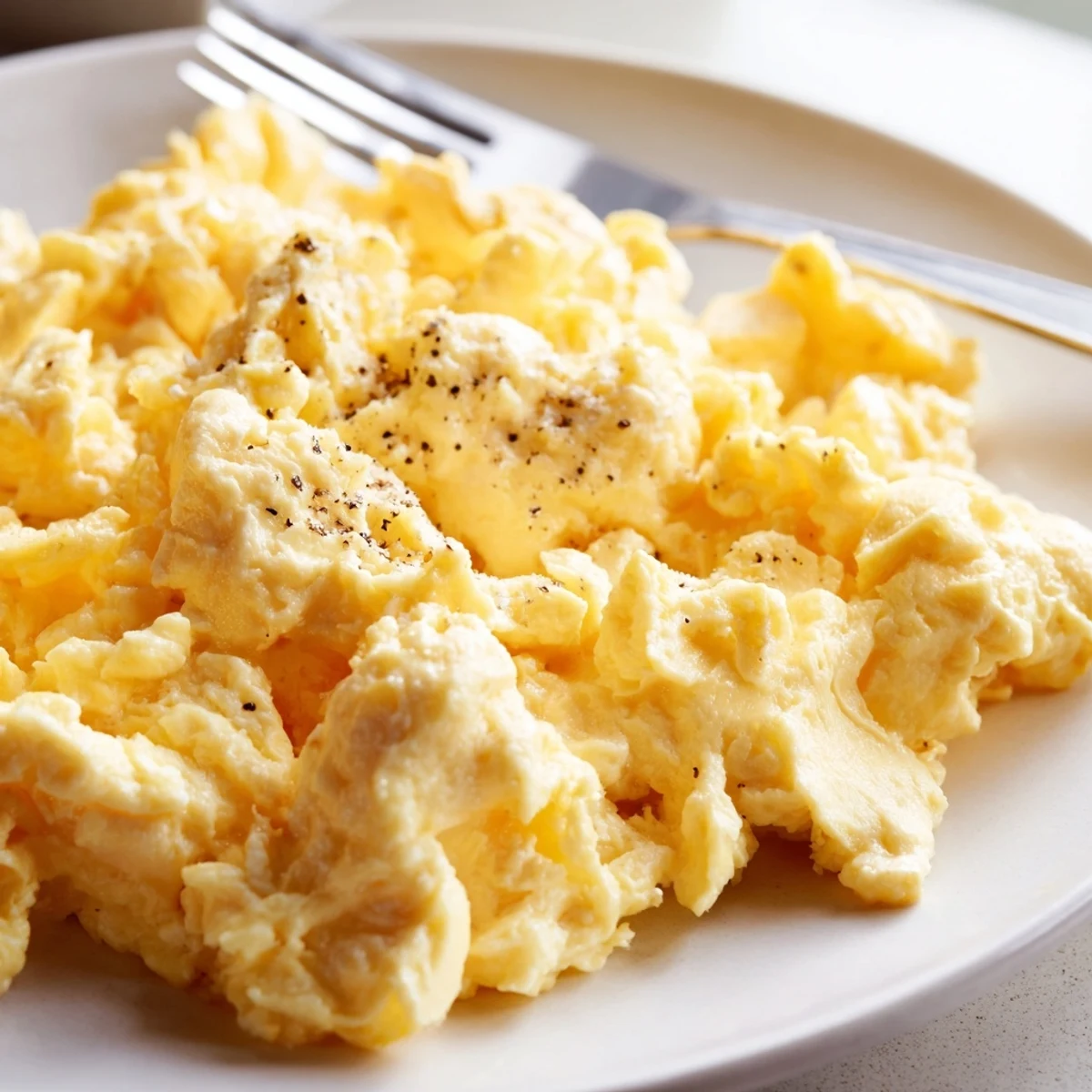
Save Transform ordinary eggs into an extraordinary breakfast with this foolproof method for achieving perfectly creamy, fluffy curds every time. The secret lies in gentle heat control and patient stirring—cooking over medium-low heat while constantly pushing the edges toward the center creates those signature soft curds that make scrambled eggs truly exceptional.
Ready in just 10 minutes from start to finish, this versatile dish welcomes countless variations. Stir in fresh herbs, crumbled cheese, or sautéed vegetables to customize to your taste. The key is removing the eggs from heat while they still appear slightly undercooked, as residual heat completes the process to maintain that luxurious, velvety texture.
There's something almost meditative about making scrambled eggs the right way. I learned this technique during a chaotic Sunday morning when I was hosting brunch for friends and needed something that felt special but wouldn't require my full attention while I caught up with everyone at the table.
My grandmother used to make scrambled eggs for me every Saturday morning while I watched cartoons. She never measured anything but somehow hers always tasted better than anyone elses. It took me years to realize her secret was simply patience and low heat.
Ingredients
- 4 large eggs: Fresh eggs create fluffier curds so check the date before you start cooking
- 2 tbsp whole milk or cream: Cream makes restaurant style richness while milk keeps it lighter and still creamy
- 1 tbsp unsalted butter: Unsalted lets you control the seasoning completely without any surprise saltiness
- 1/4 tsp salt: This amount hits the perfect balance but adjust to your taste preferences
- 1/8 tsp freshly ground black pepper: Freshly ground makes a huge difference in aroma and depth of flavor
Instructions
- Whisk the eggs:
- Crack eggs into a bowl then pour in milk or cream and season with salt and pepper. Whisk until the mixture turns slightly frothy and the yolks are completely broken down.
- Warm your pan:
- Melt butter in a nonstick skillet over medium low heat. Wait until it stops foaming and begins to gently bubble.
- Add the eggs:
- Pour in the egg mixture and let it sit still for just a few seconds until you see the edges start to set.
- Create soft curds:
- Use your spatula to gently push eggs from the edges toward the center. Let the uncooked egg flow into the empty spaces.
- Finish gently:
- Continue cooking while occasionally folding the eggs over themselves until they are just set but still look slightly wet and glossy.
- Serve immediately:
- Remove from heat right away because the eggs will continue cooking from their own residual heat.
 Save
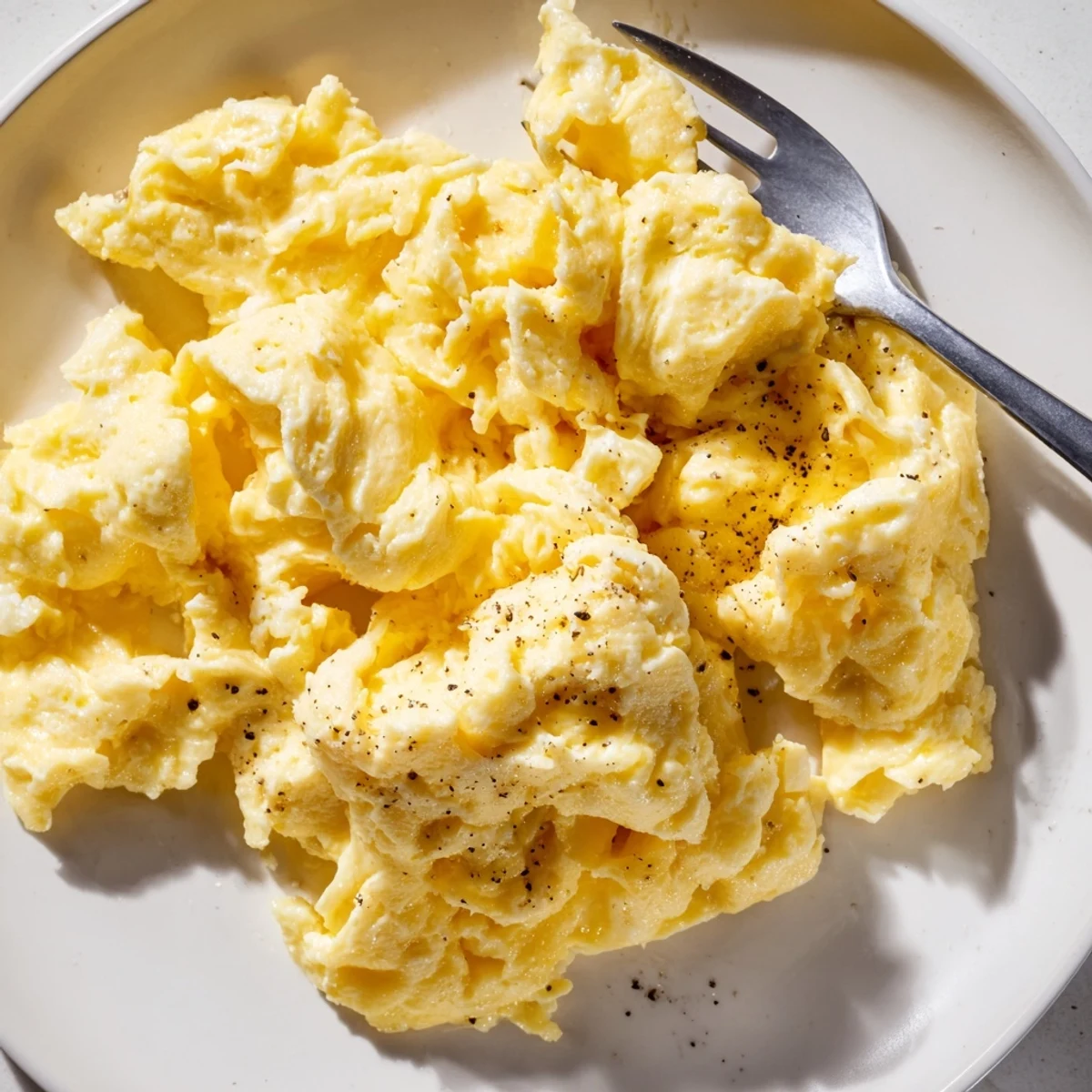
Save Last winter my partner came home sick and the only thing they wanted was soft scrambled eggs. I stood at the stove moving the pan on and off the burner for twenty minutes until they were perfectly silky and they said it was exactly what they needed.
Making Them Richer
Swap whole milk for heavy cream when you want these to taste like something from a high end brunch spot. The extra fat creates those impossibly tender curds that feel like eating a cloud.
Adding Flavor
Fresh herbs like chives tarragon or parsley should be folded in right at the end so they stay bright and aromatic. Cheese works best when grated finely and added during the last thirty seconds of cooking so it melts without making the eggs greasy.
Perfect Pairings
These eggs deserve to be served with something that complements their creaminess. Toast provides crunch while avocado adds richness and smoked salmon brings a perfect salty contrast.
- Sourdough toast with salted butter
- Sliced avocado everything bagel seasoning
- Smoked salmon and fresh dill
 Save
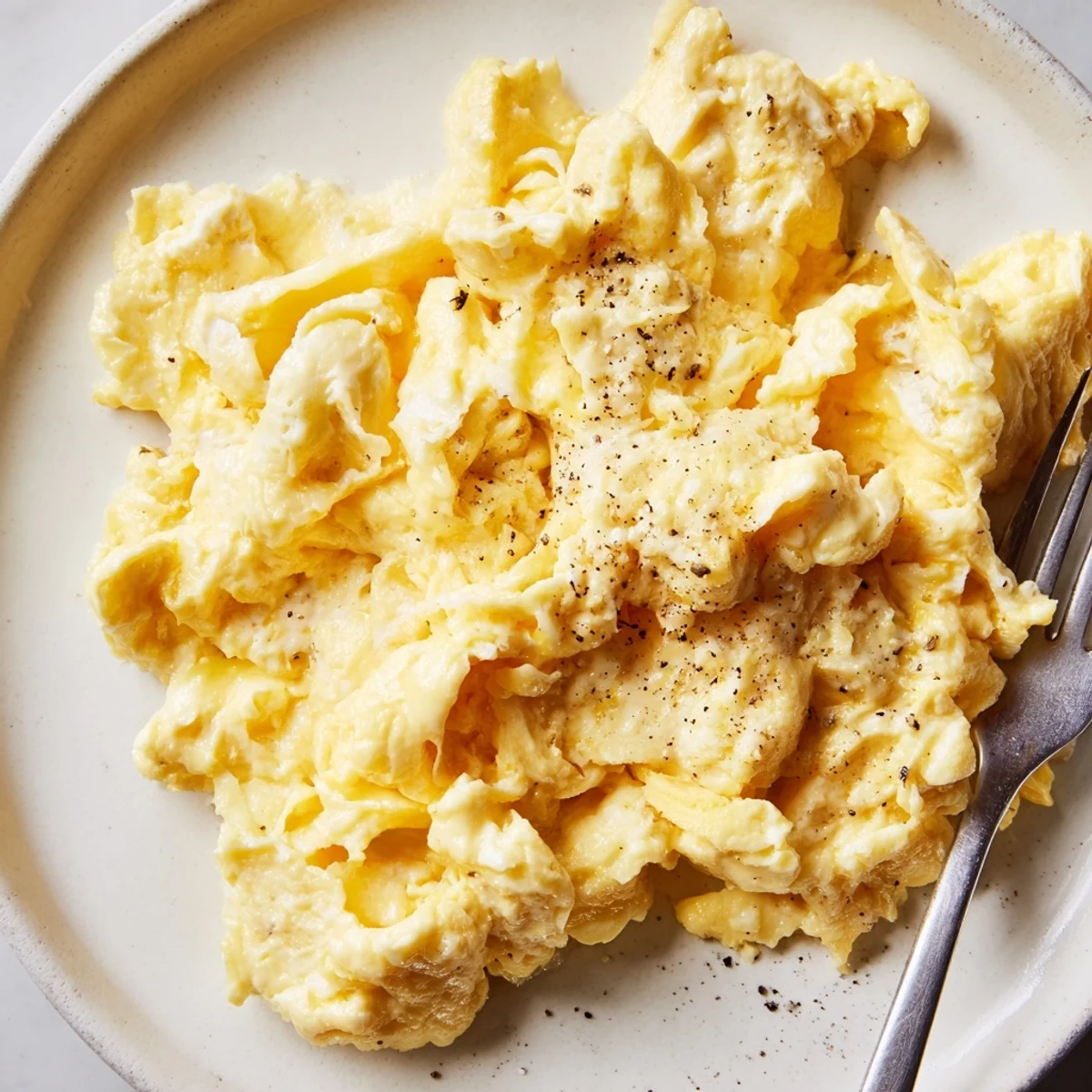
Save Perfect scrambled eggs are about paying attention to small details. Once you get the rhythm right this simple breakfast becomes something you will look forward to making every single morning.
Recipe Questions & Answers
- → Why do my scrambled eggs turn out rubbery?
-
Rubbery eggs typically result from high heat and overcooking. Cooking over medium-low heat and removing the pan while eggs still appear slightly moist ensures they remain creamy and tender.
- → Should I add milk or cream to scrambled eggs?
-
Both work beautifully. Cream creates richer, more luxurious curds, while milk yields lighter results. Start with 2 tablespoons per 4 eggs and adjust based on your preference.
- → What's the best way to whisk eggs for scrambling?
-
Whisk vigorously until the mixture is slightly frothy and uniform in color. This incorporates air, contributing to fluffier curds. A fork works in a pinch, but a whisk yields superior results.
- → Can I prepare scrambled eggs ahead of time?
-
Scrambled eggs are best enjoyed immediately. However, you can whisk the eggs with milk and seasonings up to a day in advance, storing covered in the refrigerator until ready to cook.
- → How do I prevent eggs from sticking to the pan?
-
Use a quality nonstick skillet and ensure the butter is fully melted and gently bubbling before adding the egg mixture. The combination of proper fat and the right pan prevents sticking.
- → What seasonings work best in scrambled eggs?
-
Beyond salt and pepper, try fresh chives, parsley, dill, or tarragon. A sprinkle of grated Parmesan or crumbled goat cheese adds depth. Add seasonings during the last minute of cooking.