
 Save
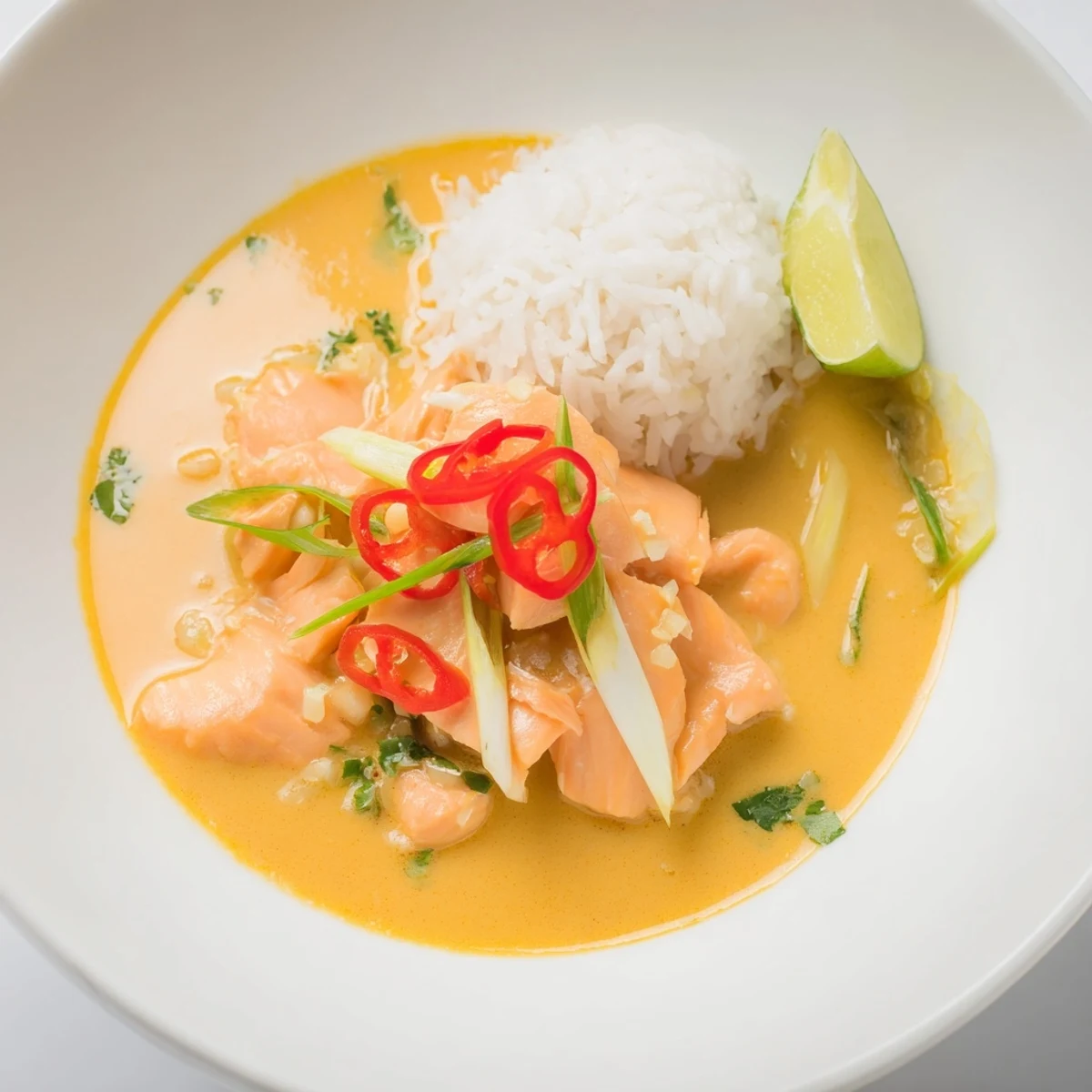
Save Silky salmon fillets are gently poached in a fragrant coconut-lime broth with garlic, ginger and optional chili. The fish cooks in 10-12 minutes in simmering coconut milk and stock; finish with lime juice, cilantro and spring onions. Serve with jasmine rice or rice noodles. Adjust seasoning with fish sauce or tamari and a touch of sugar or honey; omit soy in favor of coconut aminos. Pairs well with a crisp white wine.
The heady aroma of coconut and lime always reminds me of humid evenings in midsummer, when opening a can of coconut milk feels like unlocking a tiny tropical escape. The first time I cooked salmon this way, I’d just brought home a bunch of overly ambitious herbs from the market and wanted something that would showcase cilantro’s brightness. There’s something almost meditative about making this dish—the gentle hiss of aromatics in the pan is soothing, and the final result always feels more luxurious than the effort it requires. It’s my go-to for those evenings when I want dinner to be both pleasantly surprising and effortless.
I once made this for an impromptu Wednesday night dinner when a friend dropped in, arms full of lime and a wild story from her day. We stood in the kitchen, chopping onions and telling secrets, pausing only to swoon over the scent rising from the pan. That night, with plates balanced on our laps and laughter echoing, this salmon became our signature catch-up meal. Now every time I toss in a little extra lime, I think of her and that unplanned dinner that tasted like pure happiness.
Ingredients
- Salmon fillets: The star—choose fillets that are firm and vibrant, and I find skinless works best so the flavors infuse every bite.
- Onion: A sweet backbone; slice it thinly for a melt-in-the-mouth softness after poaching.
- Garlic: Just two cloves enrich the aromatic base, but grate, don’t crush, to avoid bitterness.
- Fresh ginger: Brings warmth—freshly grated is miles better than powdered.
- Red chili: Totally optional, but just a few thin slices wake up the whole dish.
- Coconut milk: Go full-fat for silkiness; give the can a good shake before opening to avoid separation.
- Broth: Chicken or veg broth adds depth; use what you have but don’t skip it.
- Lime juice & zest: The bright, tart heart—zest first, then juice, to get every drop of oil.
- Fish sauce: More subtle than it sounds; just a splash adds umami and complexity.
- Soy sauce or tamari: Tamari keeps it gluten-free and amps up savoriness.
- Sugar or honey: Balances the acidity and heat—taste and adjust at the end.
- Cilantro: Finishing with fresh herbs makes everything look and taste lighter.
- Lime wedges: For last-minute zing—don’t skip them.
- Spring onions: A fresh crunch at the end; slice on the diagonal for a chef-y touch.
- Jasmine rice or noodles: Completely optional, but perfect for absorbing all that lush broth.
Instructions
- Start with the aromatics:
- Add a slick of oil to your skillet over medium heat, then toss in the onion, garlic, ginger, and chili. Stir and let them soften until the onions turn glassy and everything smells like pure comfort.
- Make the poaching liquid:
- Pour in coconut milk and broth, stir in lime zest and juice, fish sauce, soy sauce, and sugar. Let the mixture come to a friendly simmer, tilting the pan just to watch it swirl together.
- Gently poach the salmon:
- Nestle the fillets into the bubbling liquid—they should be mostly submerged, lounging in flavor. Cover and let the fish cook gently for 10-12 minutes until it’s just barely opaque and flakes apart when nudged.
- Taste and tweak:
- Carefully lift the lid and have a little taste; if you crave more zip, add a splash of fish sauce or another squeeze of lime. Adjust until the broth matches your mood.
- Dish it up and garnish:
- Ladle the salmon with plenty of coconut broth over bowls of rice or noodles. Shower with cilantro, spring onions, and lime wedges, and let everyone marvel at your handiwork.
 Save
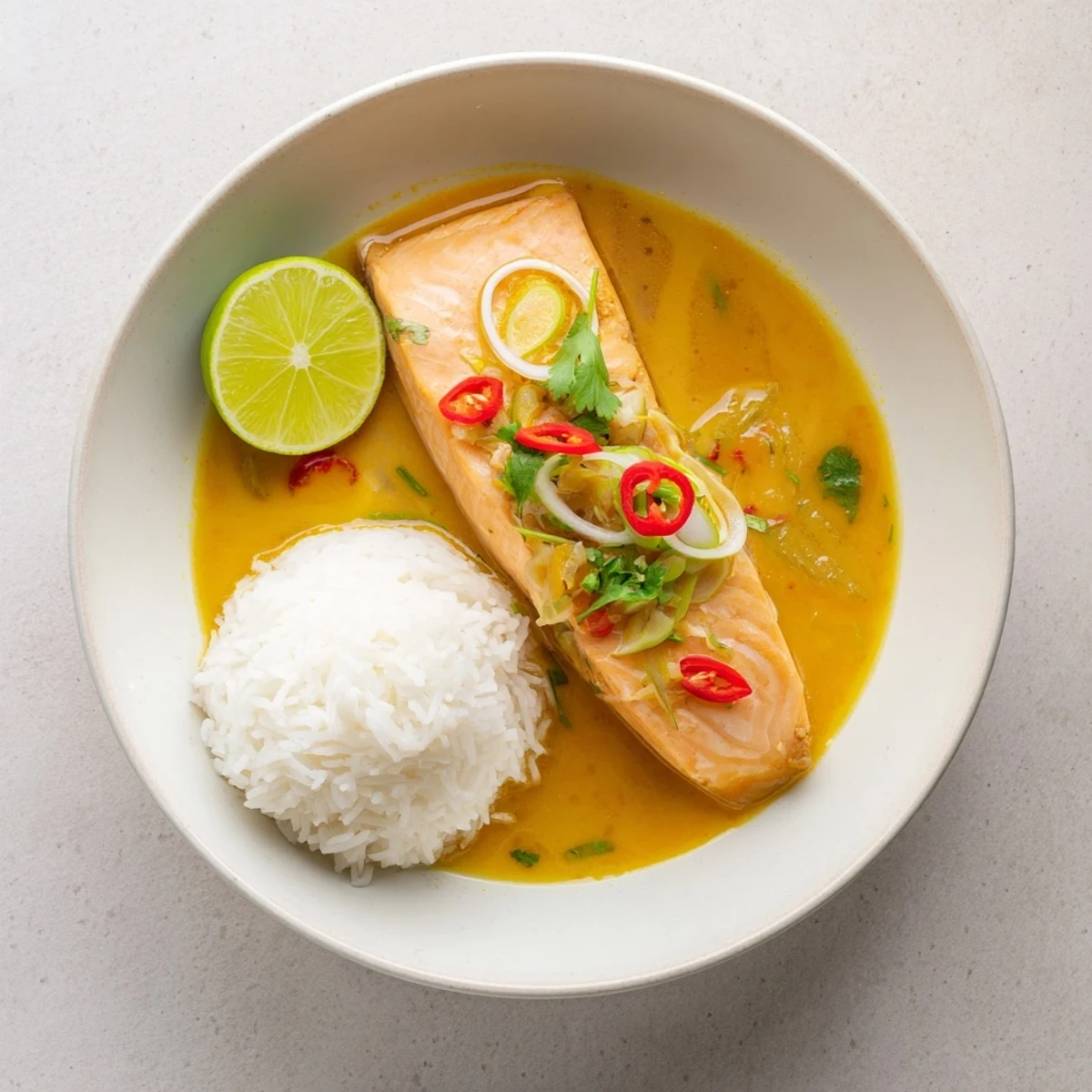
Save The most delightful surprise with this dinner happened on a gray Sunday when we sat down with steaming bowls after a soggy walk. The kitchen was quiet but the flavors transported us somewhere sunlit, making the rain at the window feel like the backdrop to a private celebration. There’s a unique comfort in finding so much brightness in one spoonful. That day, we agreed good food doesn’t need fanfare to feel extraordinary.
How to Pick the Best Salmon
I’ve found wild salmon offers a cleaner taste and firmer texture, but the most important thing is freshness. Avoid fillets with any hint of fishy odor or dullness—the best ones almost gleam. If you can, ask for center cuts so each piece cooks evenly in the poaching bath.
Switch Up the Flavors
Don’t be afraid to swap out the herbs—a sprinkle of Thai basil or mint totally changes the vibe. If you like heat, go wild with more chili or even a tiny spoonful of chili oil at the end. Gently stir in blanched snap peas or ribbons of bok choy right before serving for a veggie boost.
Serving and Leftovers
Leftover salmon is never a disappointment—it’s delicious cold, flaked onto salads, or wrapped in lettuce the next day. The broth thickens a little in the fridge but can be revived with a splash of water and a quick reheat. If you save some rice, the next meal nearly assembles itself.
- Reheat gently to keep the fish tender
- Top with extra lime and herbs before serving again
- Trust me: this makes for a dreamy packed lunch
 Save
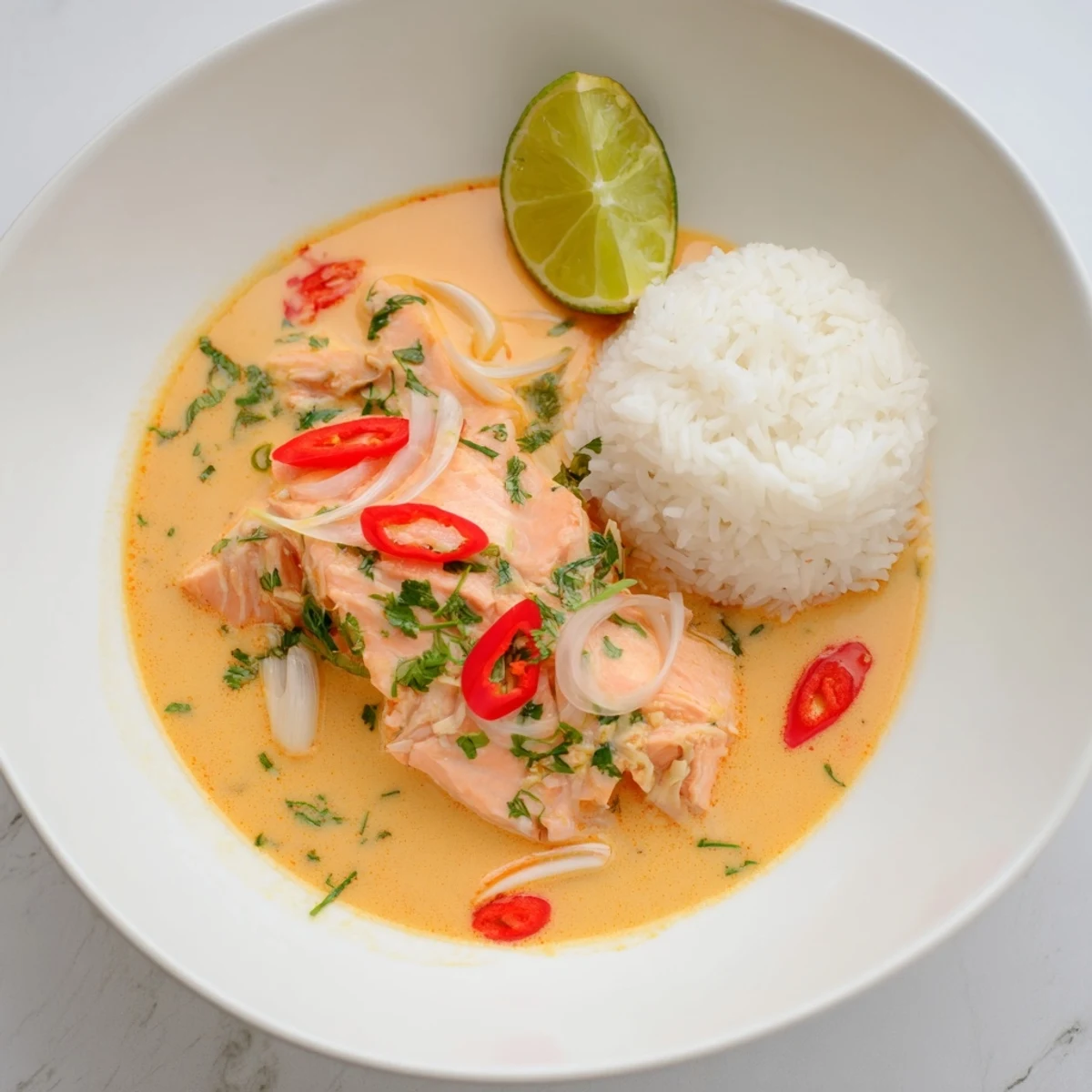
Save No matter the season, this coconut lime salmon always turns dinnertime into a mini escape. I hope it brings as much color and comfort to your kitchen as it has to mine.
Recipe Questions & Answers
- → How can I tell when the salmon is done?
-
Check for opaque flesh that flakes easily with a fork and registers about 125-130°F (52-54°C) for moist, slightly medium doneness. Carryover heat will finish the fillet as it rests in the warm broth.
- → Can I use skin-on fillets?
-
Yes. If using skin-on fillets, place them skin-side down in the poaching liquid; the skin helps hold the fillet together and can be removed before serving if desired.
- → What are good vegetable additions?
-
Add thinly sliced bell pepper, snap peas, baby bok choy, or sugar snap peas during poaching for a few minutes to retain crunch and color. Cut vegetables uniformly so they cook evenly with the fish.
- → How should I adjust seasoning for saltiness?
-
Taste the broth before adding the fish and adjust with fish sauce or tamari a little at a time. Lime juice brightens the broth; add more if the poaching liquid tastes flat. A teaspoon of sugar or honey balances acidity and salt.
- → What are soy-free alternatives?
-
Use coconut aminos in place of soy sauce or tamari for a soy-free option. Reduce added salt slightly, then adjust to taste since coconut aminos can be sweeter.
- → How do I reheat leftovers without drying the fish?
-
Gently reheat in the poaching broth over low heat until warmed through, about 5-7 minutes. Avoid high heat or long reheating which will dry the salmon; adding a splash of broth helps keep the fillets moist.