
 Save
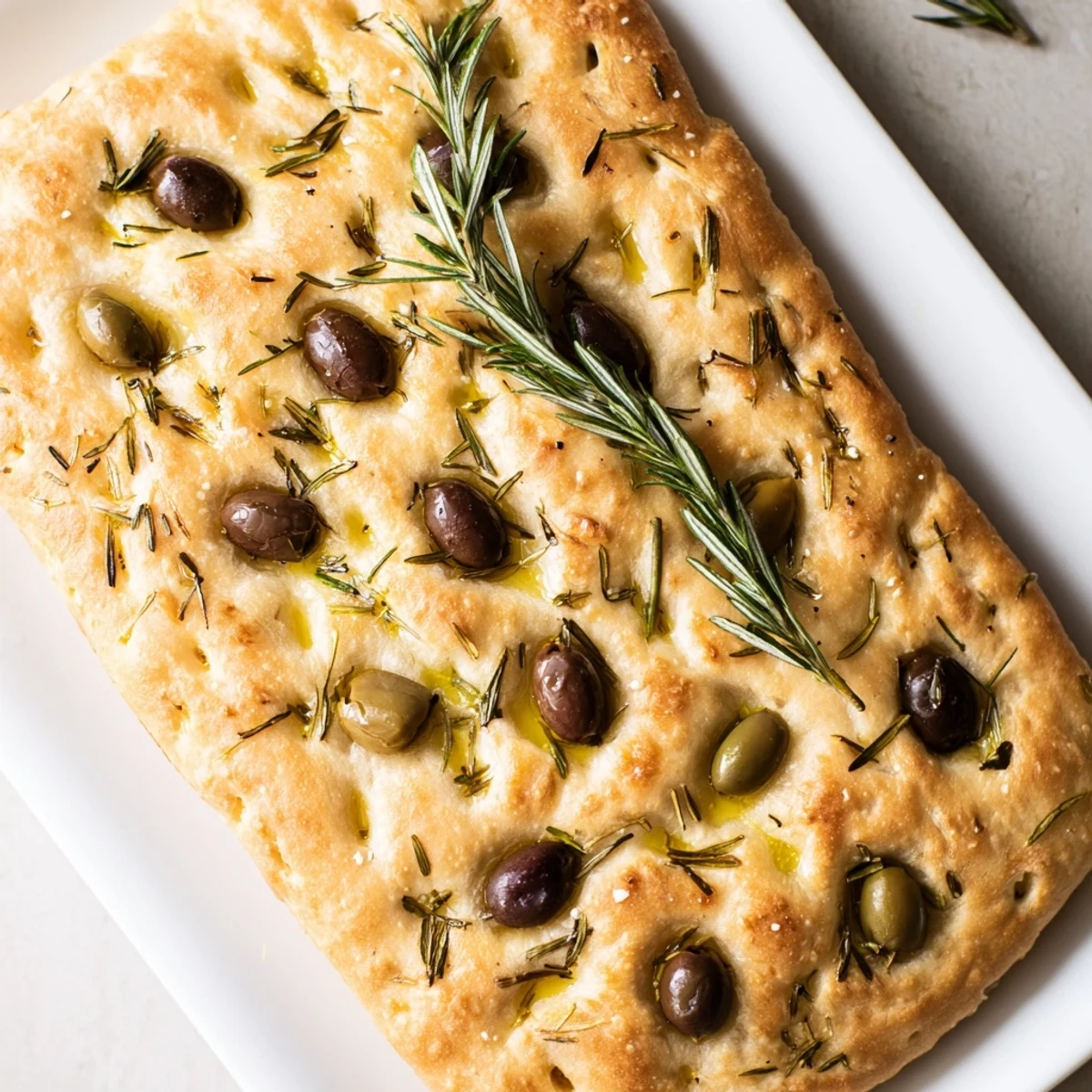
Save Master the art of traditional Italian focaccia with this straightforward method. The dough combines bread flour, active yeast, and extra virgin olive oil, creating that signature airy texture and golden crust. After kneading and a two-hour rise, the dough gets pressed into a tray and dimpled by hand to create those characteristic pockets that capture olive oil and seasonings.
The topping is simple yet transformative: generous olive oil brushed over the surface, fresh rosemary for aromatic notes, and flaky sea salt for that perfect finishing crunch. You can add olives, cherry tomatoes, or experiment with sun-dried tomatoes and onions for variety.
Bake at high heat until deeply golden, about 25 minutes. The result is a beautifully dimpled bread with a substantial crust and tender interior. Serve warm alongside soups, use as a sandwich base, or enjoy plain with olive oil for dipping.
The smell of rosemary drifting through my apartment on a Sunday afternoon is enough to make me forget whatever worries the week left behind. Focaccia was never something I planned to master, but after a rainy trip to Liguria where I ate it folded around cold cheese on a train platform, I came home obsessed with recreating that olive oil soaked, dimpled perfection. It took me at least five attempts before I stopped overworking the dough and learned to trust the rise. This recipe is the one that finally stuck, the one I now make without thinking.
My neighbor Maria once knocked on my door the first time I baked this focaccia, convinced I had ordered delivery from the Italian place down the street. We ended up standing in my kitchen tearing warm pieces straight from the pan, burning our fingers, laughing about it, and she told me her grandmother in Bari made focaccia every single Saturday morning without fail.
Ingredients
- Bread flour (500 g): Bread flour gives the chew and structure that all purpose simply cannot match here.
- Salt (10 g): Do not skimp on salt, it seasons the crumb from within and strengthens the gluten network.
- Active dry yeast (7 g): Check the expiration date because dead yeast is the fastest way to a flat, sad bread.
- Lukewarm water (325 ml): Think warm bath temperature, not hot, because anything over 45 degrees will kill the yeast.
- Extra virgin olive oil (50 ml plus 2 tbsp for topping): Use the good stuff here, you will taste the difference in every bite.
- Sugar (1 tsp): Just enough to wake up the yeast and get things bubbling.
- Fresh rosemary (1 tbsp): Fresh makes a noticeable difference, though dried works if that is what you have.
- Flaky sea salt (1½ tsp): Maldon or any flaky variety gives those little bursts of salinity on top.
- Olives or cherry tomatoes (optional): Press them gently into the dough before the final rise for beautiful dimpled pockets.
Instructions
- Wake up the yeast:
- Stir the yeast and sugar into lukewarm water in a small bowl and wait about ten minutes until it bubbles and smells faintly like bread already. If nothing happens, toss it and start over with fresh yeast.
- Bring the dough together:
- Combine flour and salt in a large bowl, create a well in the center, and pour in the frothy yeast mixture along with the olive oil. Mix with your hands or a wooden spoon until you have a sticky, shaggy mass that seems slightly too wet.
- Knead with patience:
- Turn the dough onto a lightly floured surface and knead for eight to ten minutes, pushing it away with the heel of your palm and folding it back. You will feel it transform from tacky and ragged to smooth, springy, and alive under your hands.
- Let it rise:
- Place the dough in an oiled bowl, cover it with a damp cloth, and leave it somewhere warm for about one hour until it has puffed up and roughly doubled in size.
- Shape and dimple:
- Punch the dough down gently and transfer it to a generously oiled baking tray, then use your fingertips to press and stretch it outward, creating those characteristic deep dimples across the entire surface.
- Add the toppings:
- Drizzle the remaining olive oil generously over the dough so it pools in the dimples, then scatter rosemary, sea salt, and olives or tomatoes if you are using them.
- The final puffy rest:
- Let the topped dough rest for twenty to thirty minutes until it looks swollen and soft, then bake in your preheated oven at 220 degrees for twenty to twenty five minutes until deeply golden.
- Cool just slightly:
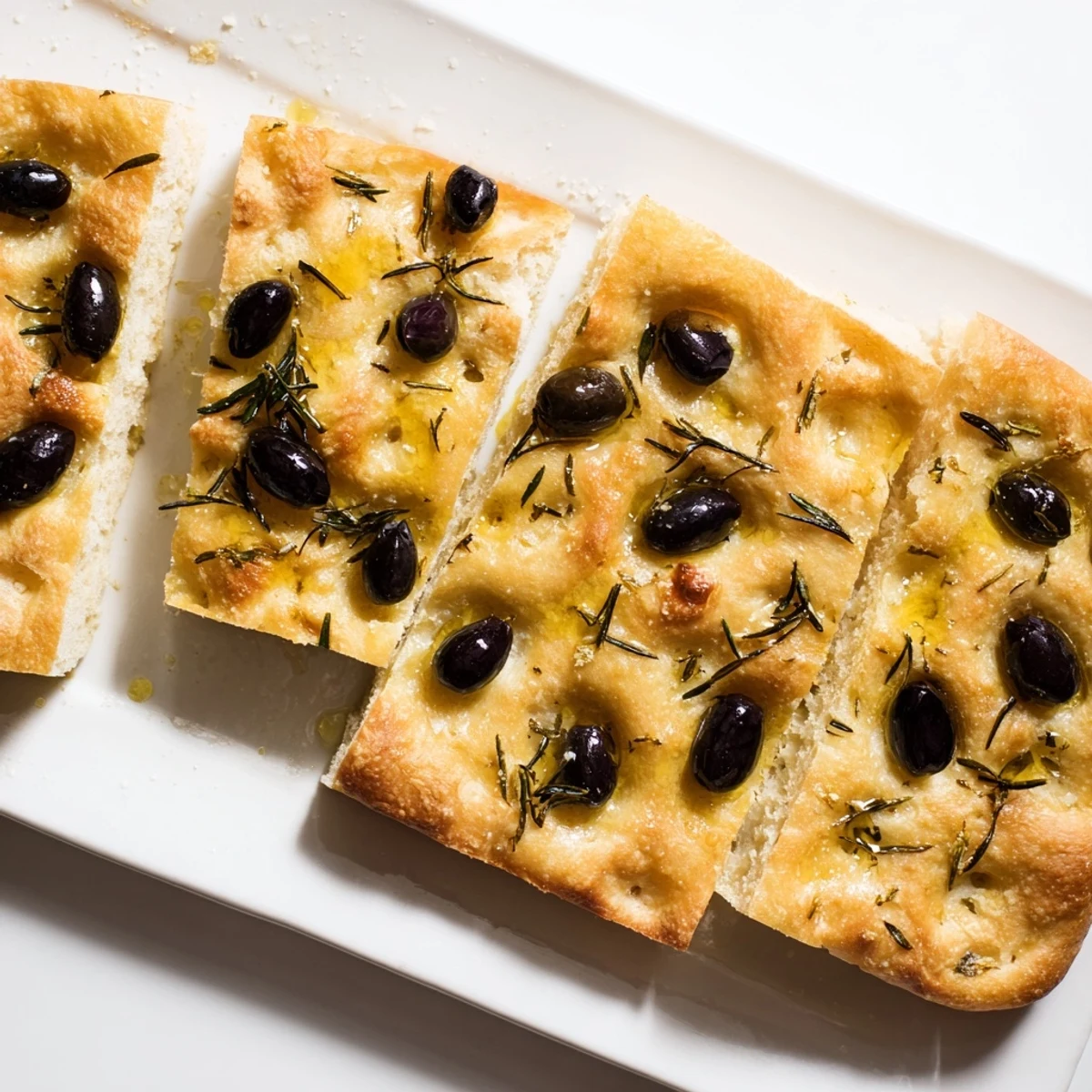
- Pull the focaccia from the oven and resist the urge to cut into it immediately, giving it about ten minutes so the crumb can set while still staying warm enough to melt butter if you are so inclined.
 Save
Save The first time I brought this to a potluck, it disappeared before the main course was even served, and three people asked for the recipe before the night was over.
What to Serve It With
This focaccia is genuinely versatile and I have served it alongside everything from a simple tomato soup to a full spread of cured meats and cheeses at a dinner party. A glass of Pinot Grigio or a light Chianti alongside a warm slice takes a casual evening and makes it feel like a proper Italian trattoria moment at home.
Making It Your Own
Once you are comfortable with the base recipe, start playing with toppings because focaccia is a blank canvas. Thinly sliced red onions, sun dried tomatoes, roasted garlic, or even thinly sliced potatoes with more rosemary all work beautifully pressed into the dimples before baking.
Storing and Reheating
Leftover focaccia keeps well wrapped tightly at room temperature for up to two days, though it rarely lasts that long in my house. If you need to revive it, a quick five minutes in a hot oven brings back the crisp crust and soft interior beautifully.
- Do not refrigerate focaccia because the cold temperatures will dry it out and steal that lovely chew.
- You can freeze sliced portions wrapped tightly in foil for up to one month and reheat directly from frozen.
- Always reheat in the oven or a toaster oven, never the microwave, if you want to keep the crust intact.
 Save
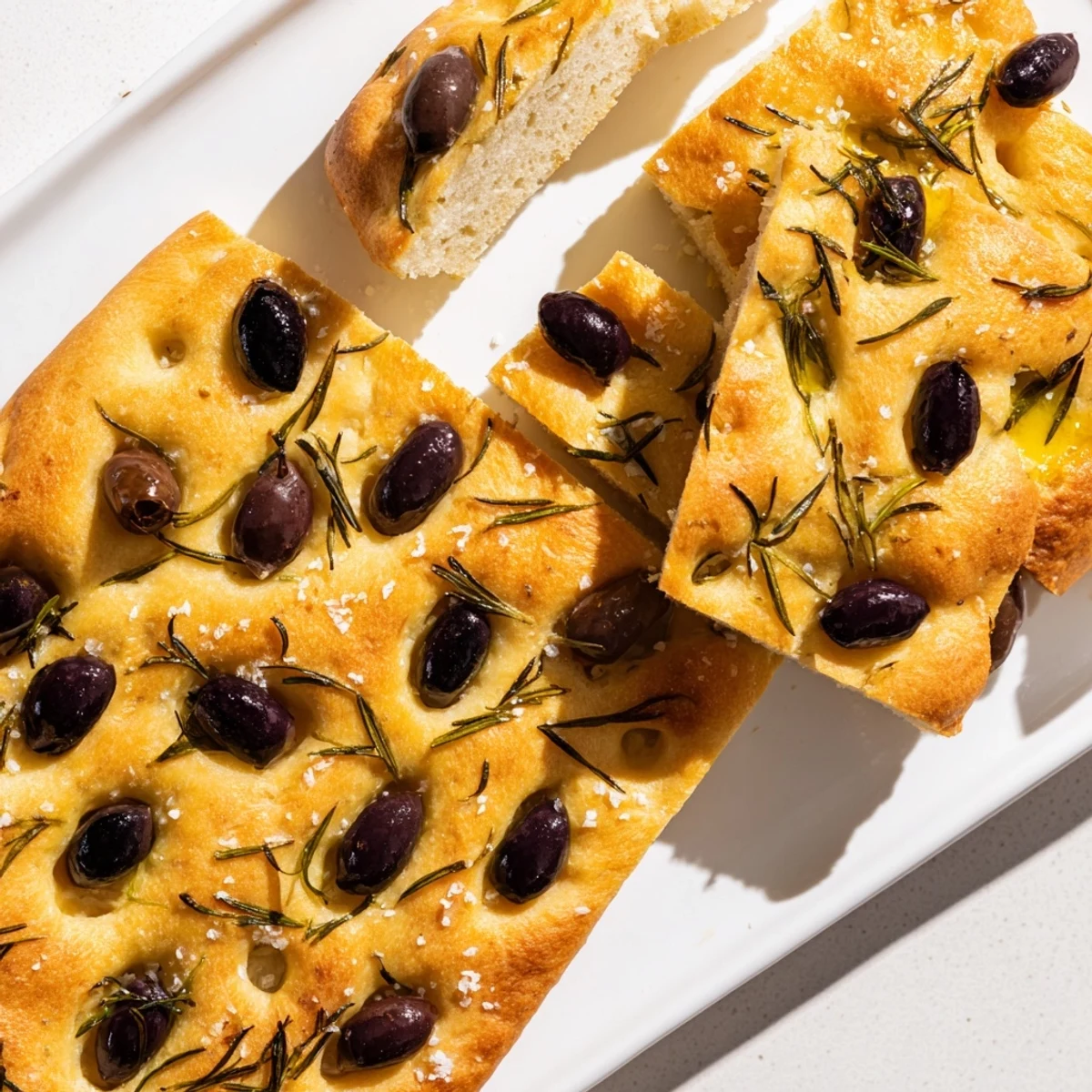
Save Every time I press my fingers into that soft dough and watch olive oil pool into the little hollows, I feel like I am participating in something ancient and wonderfully simple. This is bread at its most forgiving and most rewarding.
Recipe Questions & Answers
- → What makes focaccia different from regular bread?
-
Focaccia is an Italian flatbread baked in a tray, resulting in a thicker, oil-rich crumb. The signature dimpling creates pockets for olive oil and toppings, producing a crisp exterior and exceptionally soft, airy interior that sets it apart from typical loaf breads.
- → How long should focaccia dough rise?
-
Plan for approximately 2 hours total rising time. The first rise takes about 1 hour until doubled in size. After shaping and dimpling the dough in your baking tray, let it rest for another 20-30 minutes before baking to achieve optimal puffiness.
- → Can I make focaccia ahead of time?
-
Absolutely. Bake the focaccia up to a day in advance, cool completely, and store wrapped at room temperature. Reheat briefly at 180°C (350°F) to restore crispness. You can also prepare the dough the night before and let it rise slowly in the refrigerator.
- → What's the purpose of dimpling focaccia dough?
-
Dimpling serves multiple purposes: it creates those characteristic pockets that trap olive oil and seasonings, prevents excessive bubbling during baking, and helps the dough maintain its shape in the pan. Use your fingertips to press firmly but gently across the surface.
- → Can I freeze focaccia?
-
Yes, freeze baked focaccia for up to 3 months. Wrap tightly in plastic, then foil. Thaw at room temperature and refresh in a 180°C (350°F) oven for 5-10 minutes. Avoid freezing unbaked dough as the yeast structure may be compromised.
- → What can I use instead of rosemary?
-
Fresh thyme, oregano, or sage work beautifully. For a Mediterranean twist, try za'atar spice blend. Dried herbs are also suitable, though use about one-third the amount since their flavor is more concentrated than fresh varieties.